LncRNA MCF2L-AS1 promotes malignant progression of colorectal cancer by post-transcriptional activation of MCF2L
Hengchuan Shi, Liang Qiu, Pei Tan

TL;DR
This study shows that the lncRNA MCF2L-AS1 promotes colorectal cancer progression by helping to produce the MCF2L protein through a specific molecular mechanism.
Contribution
The study reveals a novel post-transcriptional regulatory mechanism by which MCF2L-AS1 promotes CRC progression via AUF1-dependent translational activation of MCF2L.
Findings
MCF2L-AS1 is significantly upregulated in colorectal cancer tissues and cells.
MCF2L-AS1 promotes cancer cell viability, migration, and invasion both in vitro and in vivo.
MCF2L-AS1 binds to AUF1 to enhance MCF2L protein synthesis independently of mRNA stability.
Abstract
To elucidate the functional role of MCF2L antisense RNA1 (MCF2L-AS1) in colorectal cancer (CRC) progression and its potential molecular mechanism. The expression of MCF2L-AS1/MCF2L in CRC cell lines was detected by qRT-PCR. The biological function of MCF2L-AS1 was investigated in vitro and in vivo (colony formation, CCK8, Apoptosis assays, wound healing and transwell assays, and mouse xenograft models). Mechanistic investigations involved bioinformatics analysis followed by experimental validation using Fluorescence in situ hybridization, RNA pull-down, and RNA immunoprecipitation. MCF2L-AS1 was notably upregulated in CRC tissues and cells. Functionally, MCF2L-AS1 suppression markedly attenuated the viability and colony capacity of CRC cells, and the number of migratory and invasive cells was markedly reduced both in vivo and in vitro. Mechanism studies have shown that MCF2L-AS1 binds…
Genes, proteins, chemicals, diseases, species, mutations and cell lines named across the full text — each resolved to its canonical identifier and authoritative record.
Click any figure to enlarge with its caption.
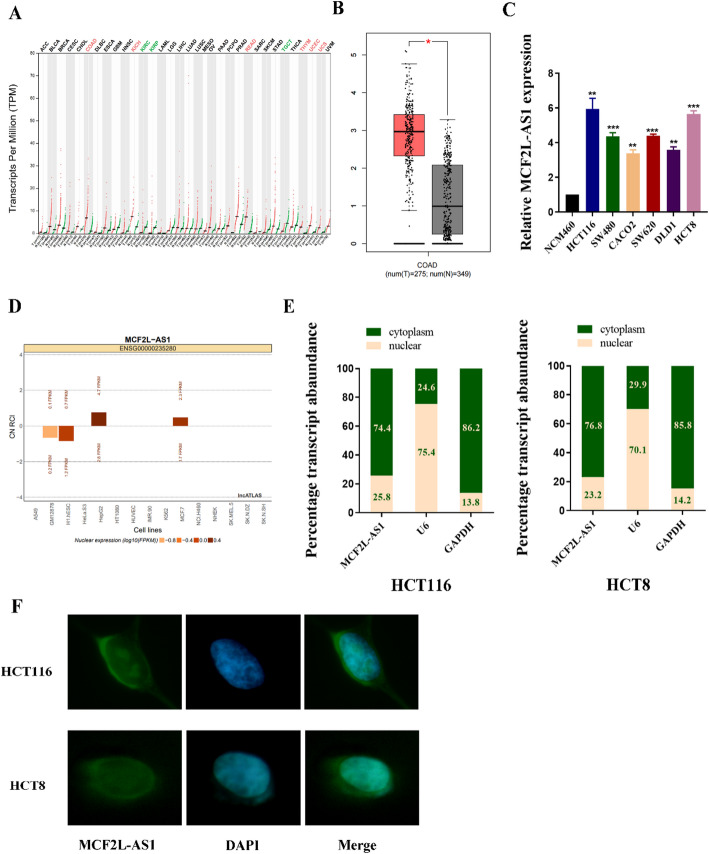 Figure 1
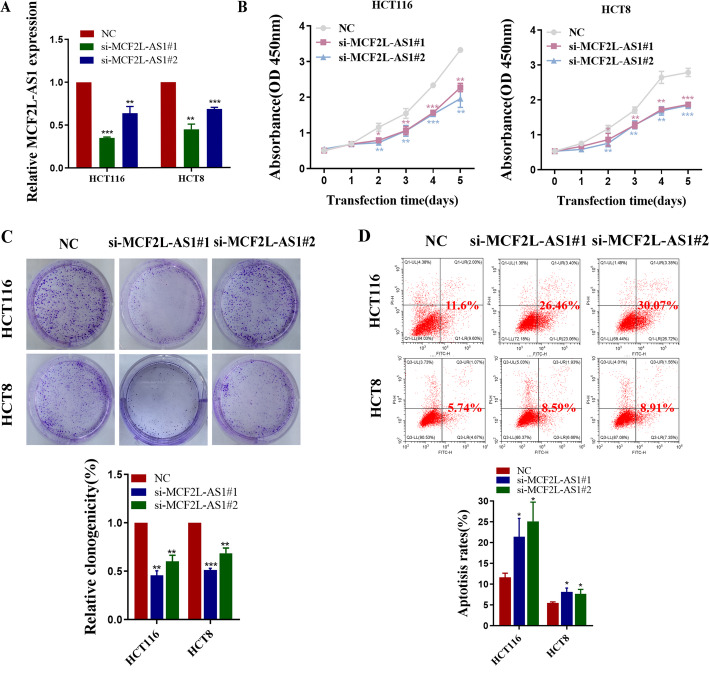 Figure 2
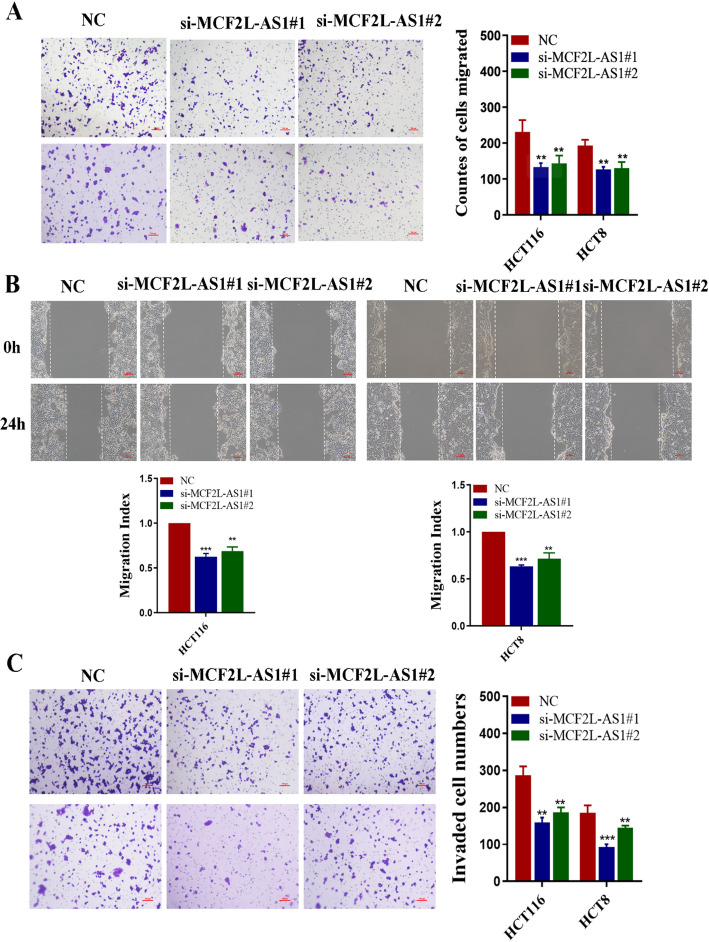 Figure 3
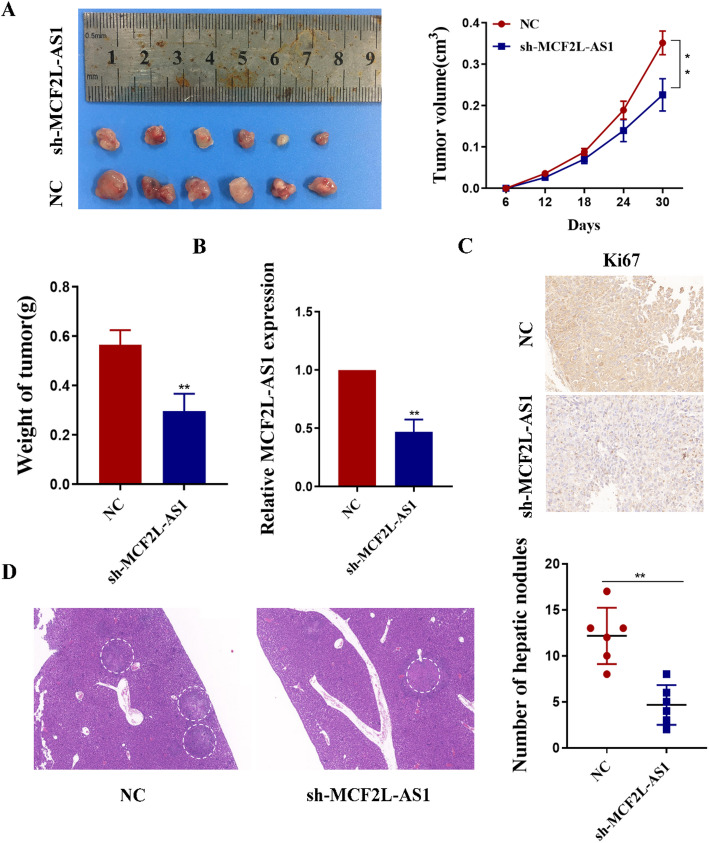 Figure 4
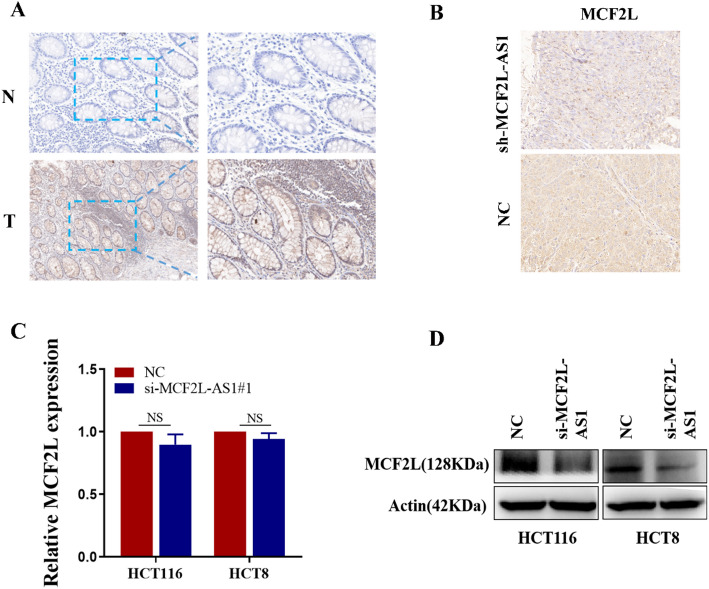 Figure 5
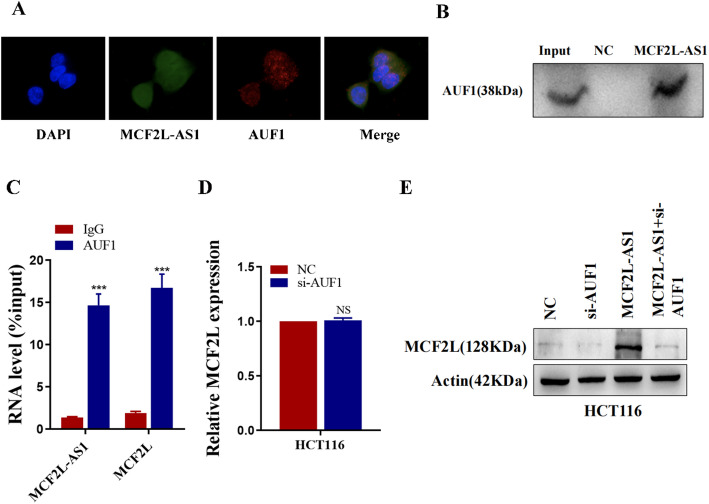 Figure 6
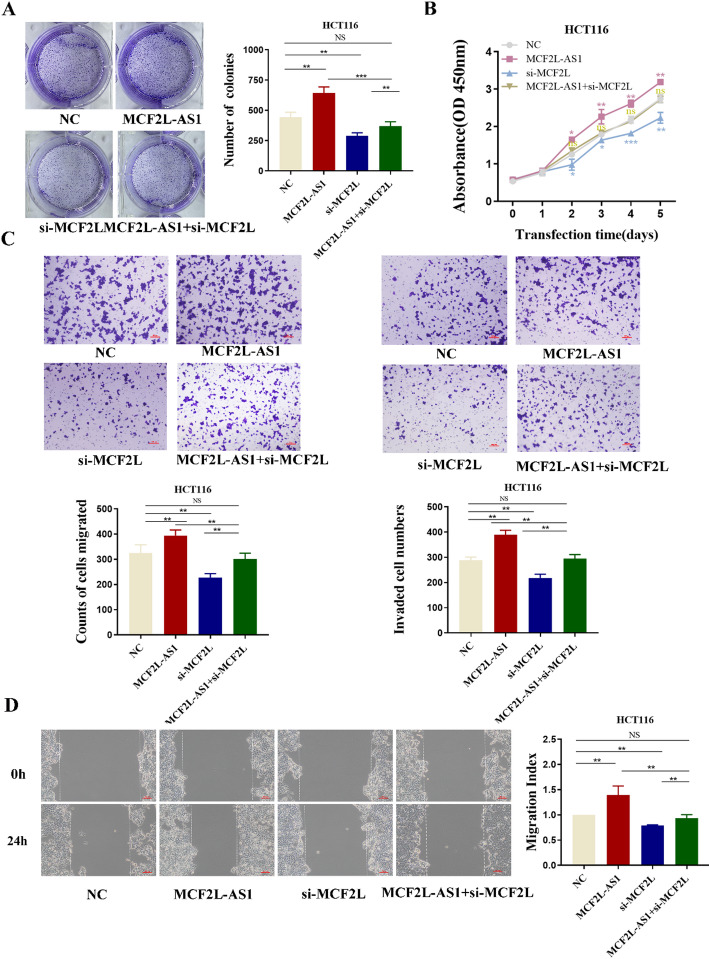 Figure 7
Peer Reviews
No public reviews on file for this paper yet. If you reviewed it on a platform where reviews are public (OpenReview, ICLR, NeurIPS, ICML), you can paste yours below so the community can read it here.
Videos
No videos yet. Explain this paper in a talk, walkthrough, or lecture? Add one.
Taxonomy
TopicsCancer-related molecular mechanisms research · MicroRNA in disease regulation · RNA Research and Splicing