Antitrypanosomal Activity and Molecular Docking Studies of Lobetyolin From Lobelia rhynchopetalum Hemsl. Root Extract Against Trypanosoma congolense Field Isolates
Selamawit Yimer, Eyael Tewelde, Daniel Bisrat, Solomon Tadesse, Mariamawit Y. Yeshak

TL;DR
This study investigates the antitrypanosomal effects of a plant extract and its compound lobetyolin against a parasite causing animal trypanosomiasis.
Contribution
The study provides the first evidence of lobetyolin's antitrypanosomal activity and its potential mechanism of action.
Findings
Lobetyolin and the root extract inhibited parasite motility in vitro, with lobetyolin showing faster action.
Molecular docking revealed strong binding of lobetyolin to trypanothione reductase, suggesting disruption of the parasite's redox balance.
In vivo testing showed lobetyolin at 100 mg/kg was more effective than the crude extract at 400 mg/kg.
Abstract
Currently available drugs for trypanosomiasis are few, and their use is limited by toxicity and growing resistance. This highlights the need for safer and more effective alternatives. In this study, the in vitro and in vivo antitrypanosomal activities of an 80% methanol root extract of Lobelia rhynchopetalum and its major constituent were evaluated against Trypanosoma congolense field isolates. Phytochemical separation of the extract yielded lobetyolin (a polyacetylene compound), confirmed through spectroscopic analysis. At 4 mg/mL, both the crude extract and lobetyolin inhibited parasite motility, with lobetyolin acting slightly faster (25 min) than the extract (30 min). The blood incubation assay demonstrated dose‐dependent protection, with 4 mg/mL of DA, the lobetyolin‐rich extract, or pure lobetyolin preventing infection, while lower doses only delayed parasitemia. In vivo testing…
Genes, proteins, chemicals, diseases, species, mutations and cell lines named across the full text — each resolved to its canonical identifier and authoritative record.
Click any figure to enlarge with its caption.
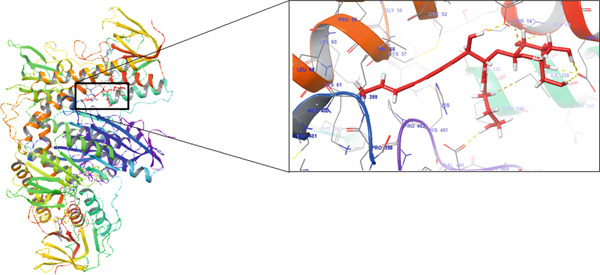 Figure 1
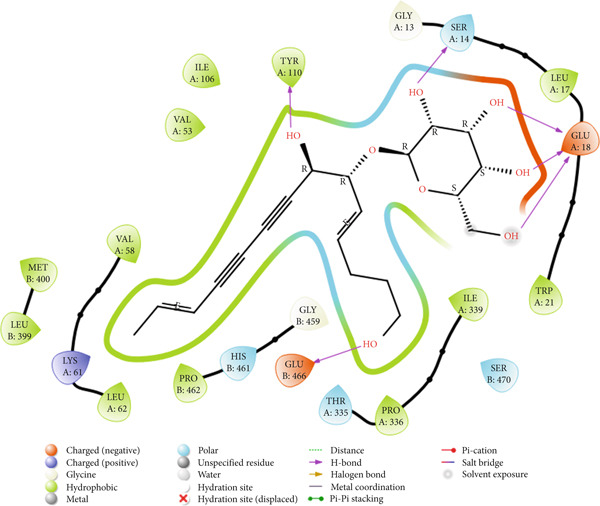 Figure 2
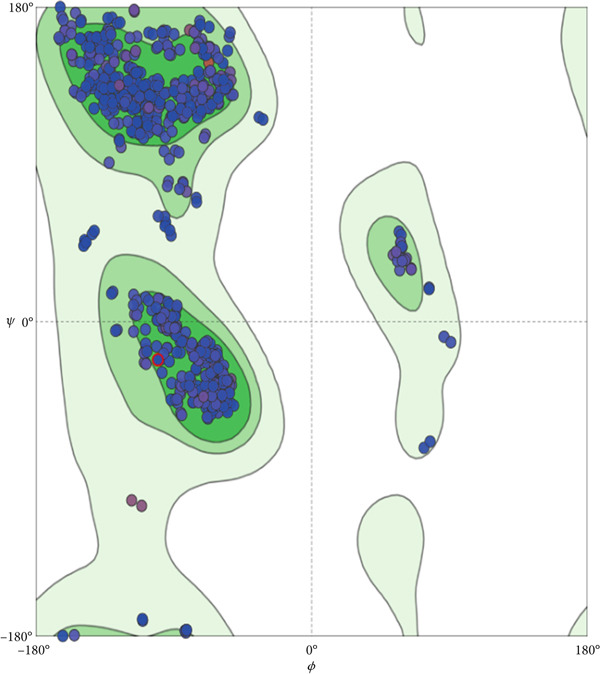 Figure 3
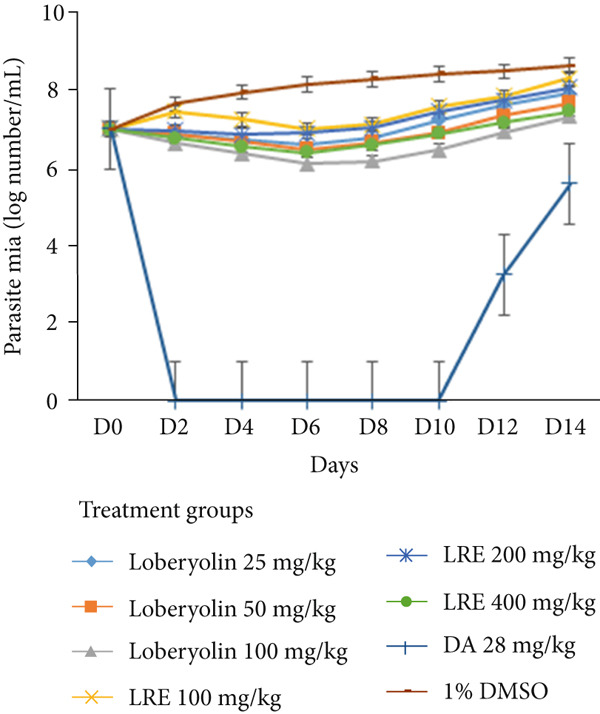 Figure 4
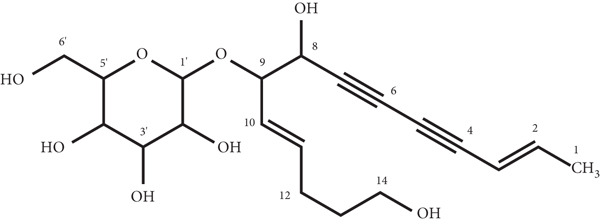 Figure 5
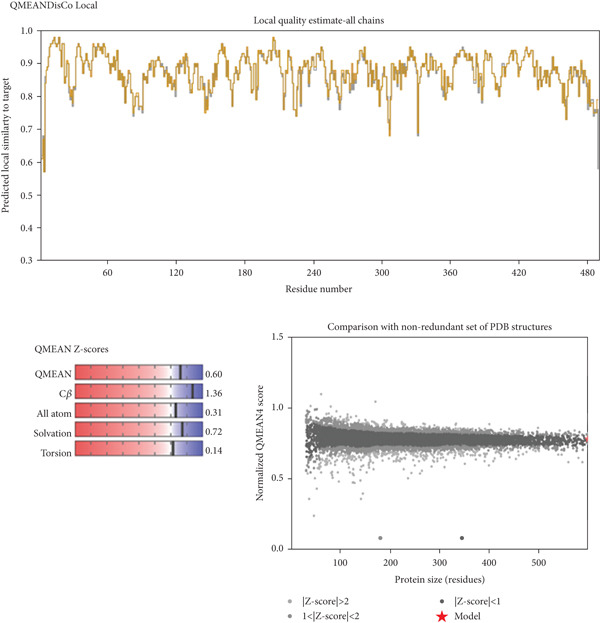 Figure 6
Peer Reviews
No public reviews on file for this paper yet. If you reviewed it on a platform where reviews are public (OpenReview, ICLR, NeurIPS, ICML), you can paste yours below so the community can read it here.
Videos
No videos yet. Explain this paper in a talk, walkthrough, or lecture? Add one.
Taxonomy
TopicsTrypanosoma species research and implications · Traditional and Medicinal Uses of Annonaceae · Research on Leishmaniasis Studies