Segmental bioimpedance and anthropometry improve machine learning prediction of grip strength in healthy young adults
Helen Najjar, Khouloud Issa, Heba M. Badawe, Massoud L. Khraiche

TL;DR
This study shows that combining bioimpedance measurements and body measurements from the forearm can help predict hand grip strength in young adults, which could improve wearable health devices.
Contribution
The study introduces a novel approach using localized, size-normalized forearm bioimpedance to enhance machine learning predictions of grip strength.
Findings
Forearm bioimpedance values were higher than wrist values and inversely correlated with forearm circumference.
Incorporating forearm bioimpedance improved grip strength prediction accuracy in machine learning models.
High-frequency bioimpedance showed linear responses to pressure, while low-frequency responses were non-linear and less stable.
Abstract
Accurate, non-invasive assessment of muscle strength remains a key challenge for functional health monitoring and wearable systems. This study investigates whether segmental bioimpedance (BioZ) and anthropometry measurements from the wrist and forearm can predict hand grip strength (HGS) in healthy young adults, and characterizes how measurement site, frequency, and applied pressure influence BioZ signal behavior, which are critical factors for translating BioZ into wearable applications. We recruited twenty healthy young adults who underwent standardized HGS testing alongside segmental BioZ measurements at the wrist and forearm using a bipolar electrode configuration. Anthropometric variables including age, height, body mass, and limb circumference were recorded. Nonparametric statistical analyses were used to examine anatomical site-specific differences and associations among BioZ,…
Genes, proteins, chemicals, diseases, species, mutations and cell lines named across the full text — each resolved to its canonical identifier and authoritative record.
Click any figure to enlarge with its caption.
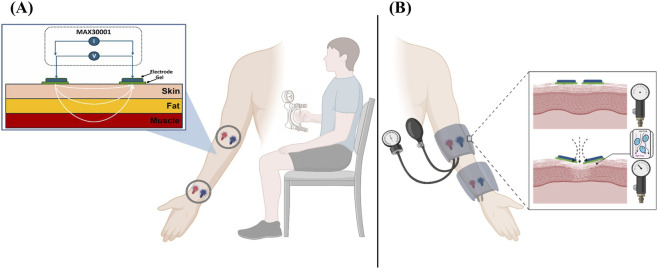 Figure 1
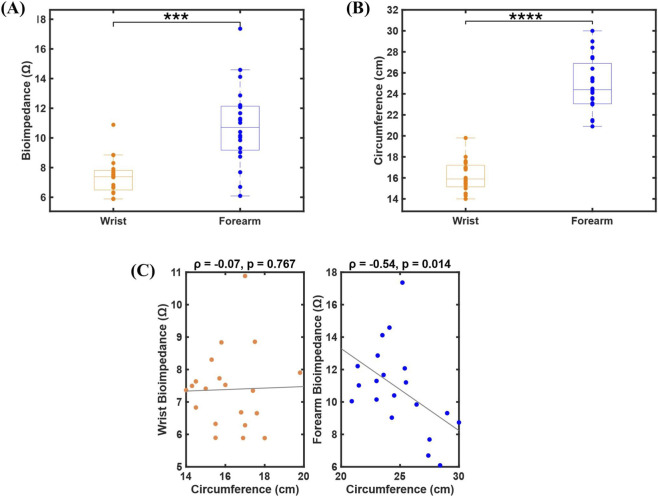 Figure 2
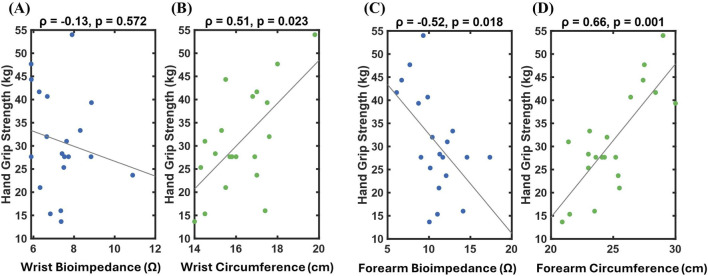 Figure 3
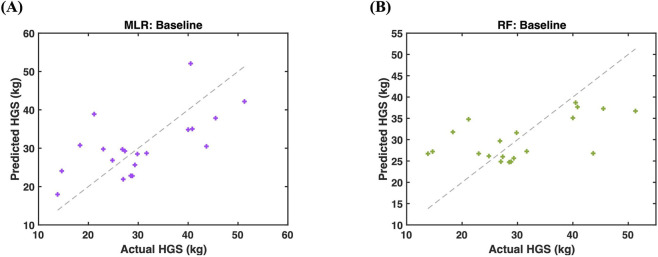 Figure 4
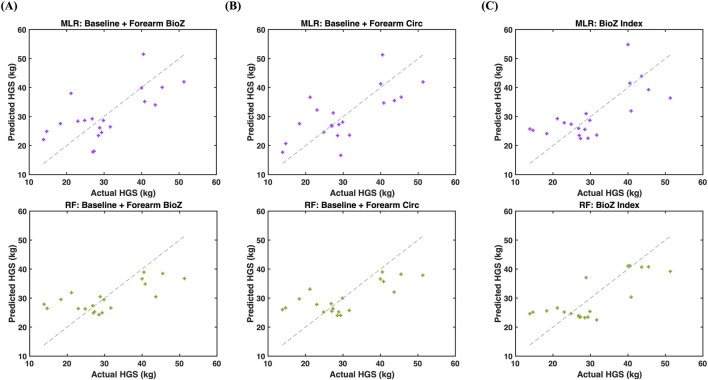 Figure 5
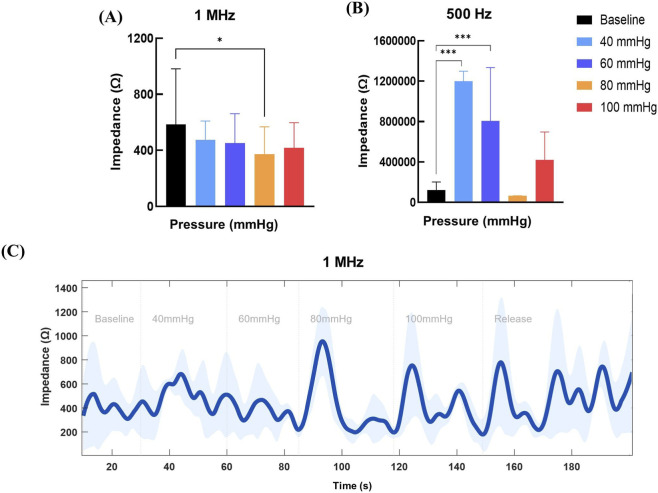 Figure 6
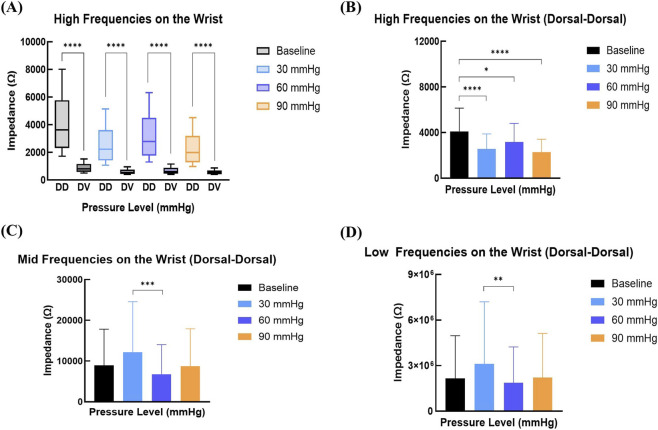 Figure 7
Peer Reviews
No public reviews on file for this paper yet. If you reviewed it on a platform where reviews are public (OpenReview, ICLR, NeurIPS, ICML), you can paste yours below so the community can read it here.
Videos
No videos yet. Explain this paper in a talk, walkthrough, or lecture? Add one.
Taxonomy
TopicsBody Composition Measurement Techniques · Nutrition and Health in Aging · Non-Invasive Vital Sign Monitoring