Single-cell RNA-seq reveals a key role for Vibrio cholerae Mak toxins in Tetrahymena pyriformis killing and bacterial survival
Jonah M. Moon, M. Mozammel Hoque, Dana Ronin, Parisa Noorian, Joyce To, Scott A. Rice, Diane McDougald, Gustavo Espinoza-Vergara

TL;DR
This study shows that Vibrio cholerae uses Mak toxins to resist predation by Tetrahymena pyriformis and survive in expelled food vacuoles, linking environmental survival to bacterial virulence.
Contribution
The study identifies Mak toxins as key factors in V. cholerae's resistance to protozoan grazing and survival in food vacuoles using single-cell RNA-seq.
Findings
Mak toxins are differentially expressed in V. cholerae cells exposed to Tetrahymena pyriformis.
V. cholerae mutants lacking Mak toxins fail to kill T. pyriformis and show reduced survival in food vacuoles.
Single-cell RNA-seq reveals 11 distinct gene expression clusters in V. cholerae under protozoan exposure.
Abstract
In the environment, Vibrio cholerae employs multiple strategies to resist predation by heterotrophic protozoa. For example, V. cholerae biofilms release toxic compounds, such as ammonium and pyomelanin, which can kill protists, such as Tetrahymena pyriformis. V. cholerae has also been shown to survive intracellularly and can escape as viable cells inside protozoan-expelled food vacuoles (EFVs). We previously reported that V. cholerae encased in EFVs are hyperinfectious, establishing an important link between anti-protozoal strategies and bacterial virulence. Although the intracellular resistance and escape of V. cholerae in EFVs have been reported, the molecular mechanisms behind this remain poorly understood. Here, we used single-cell transcriptomics of V. cholerae exposed to T. pyriformis and captured a total of 5,344 bacterial cells with heterogeneous gene expression. Cells with the…
Genes, proteins, chemicals, diseases, species, mutations and cell lines named across the full text — each resolved to its canonical identifier and authoritative record.
Click any figure to enlarge with its caption.
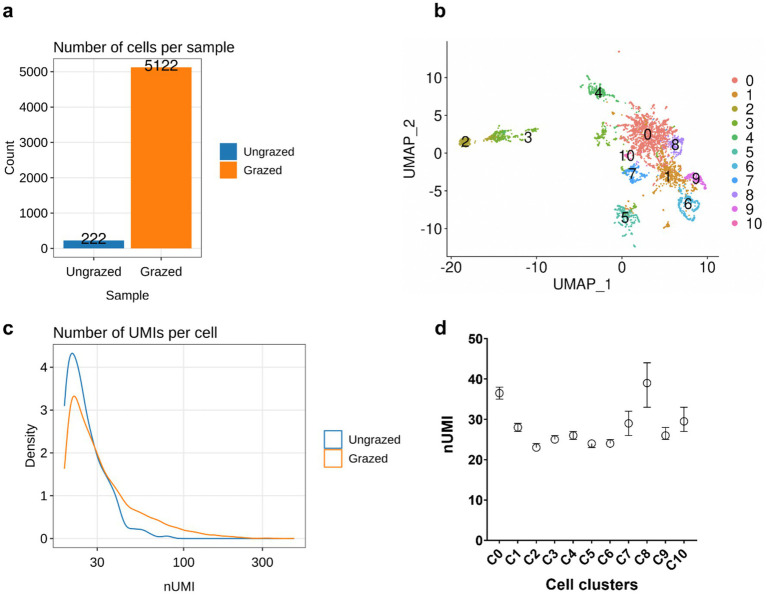 Figure 1
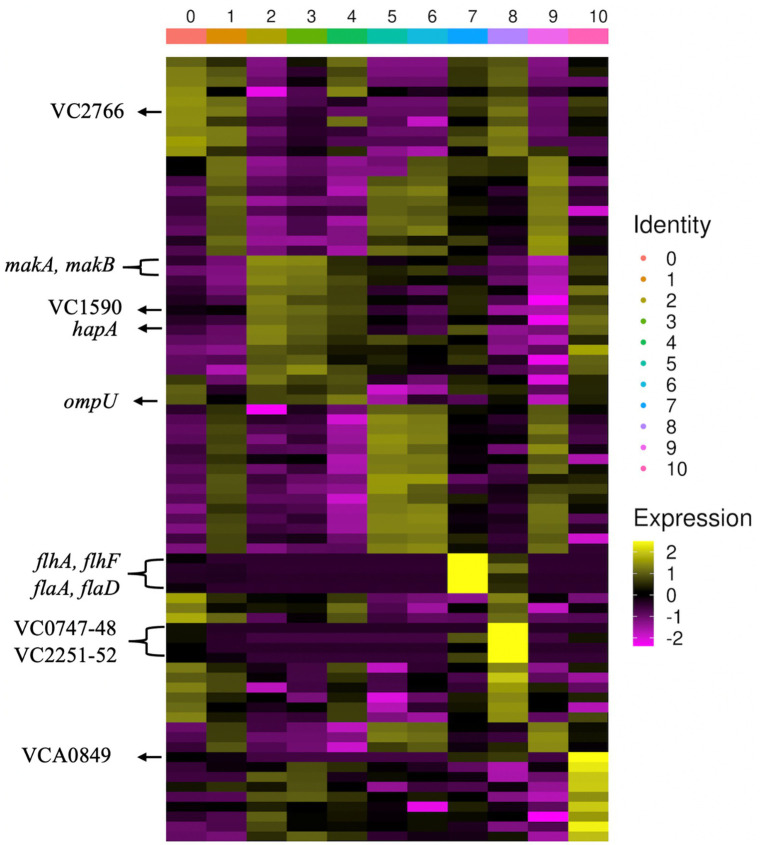 Figure 2
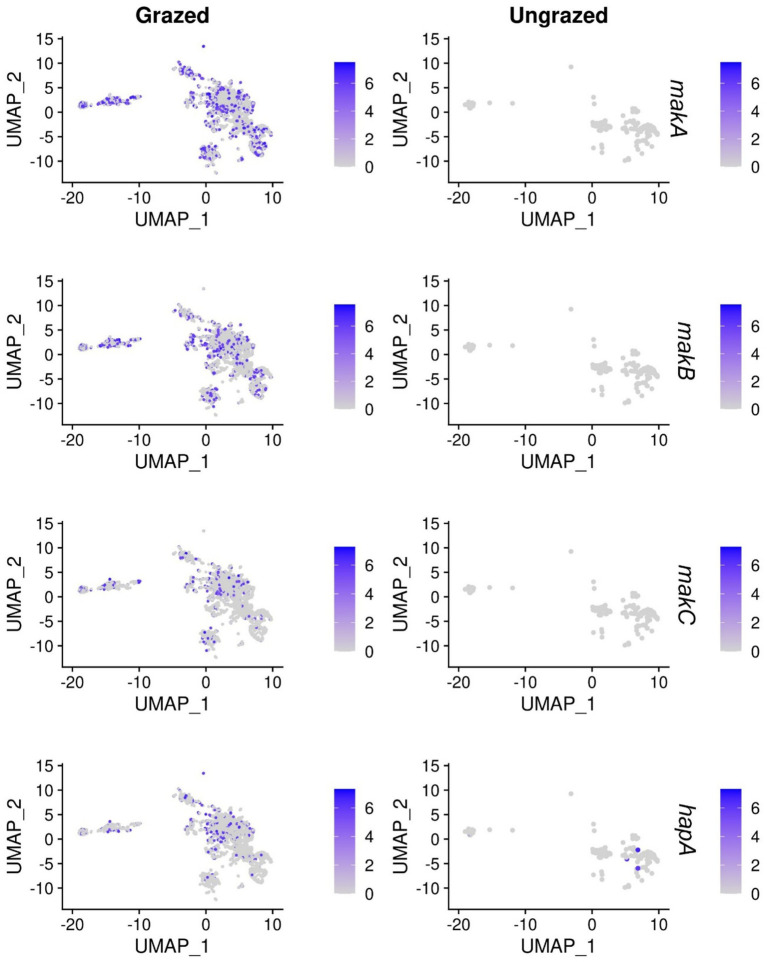 Figure 3
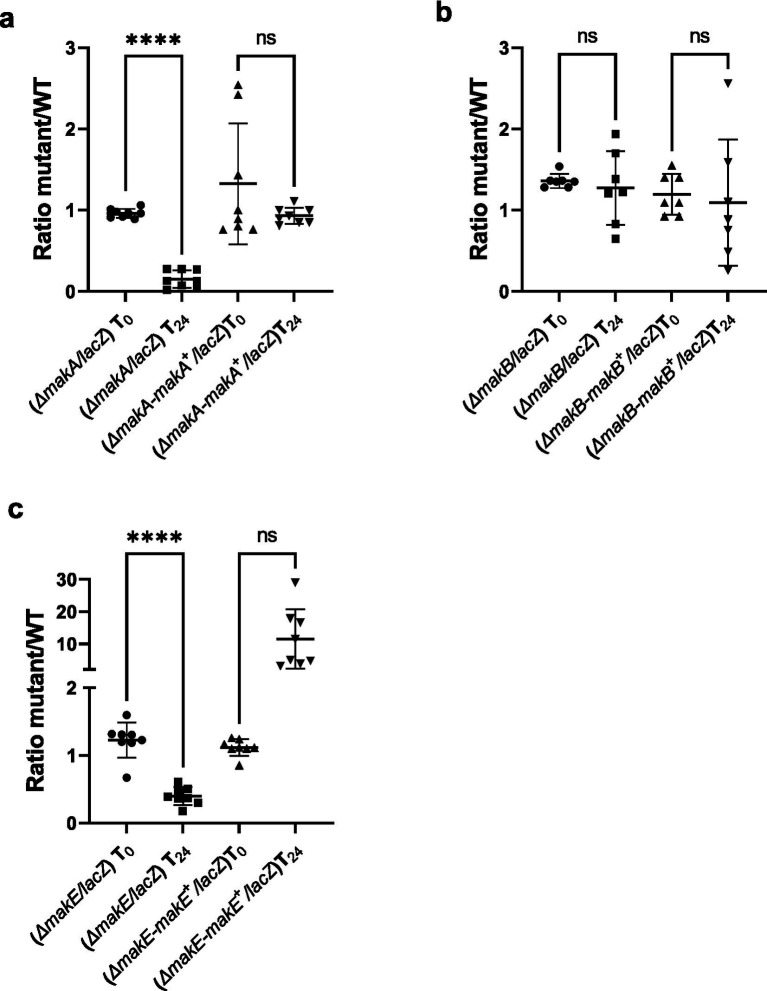 Figure 4
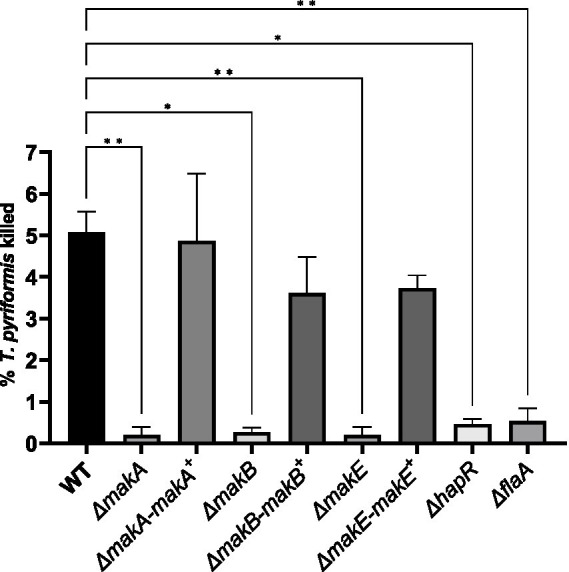 Figure 5
Peer Reviews
No public reviews on file for this paper yet. If you reviewed it on a platform where reviews are public (OpenReview, ICLR, NeurIPS, ICML), you can paste yours below so the community can read it here.
Videos
No videos yet. Explain this paper in a talk, walkthrough, or lecture? Add one.
Taxonomy
TopicsVibrio bacteria research studies · Legionella and Acanthamoeba research · Protist diversity and phylogeny