Loss of CAMKK2 and iron-transport proteins—transferrin and its receptor—in the Alzheimer’s disease hippocampus: link to tau pathology
Mohammad Golam Sabbir, Behzad Mansouri, Bram Ramjiawan

TL;DR
This study finds that reduced levels of CAMKK2 and iron transport proteins in the hippocampus of Alzheimer's patients are linked to tau protein buildup, suggesting a shared mechanism in neurodegenerative diseases.
Contribution
The study identifies CAMKK2 as a molecular link between calcium signaling, iron metabolism, and tau pathology in Alzheimer's disease.
Findings
CAMKK2 and transferrin levels are significantly reduced in AD, FTD, and PD hippocampi compared to controls.
Reduced transferrin receptor levels are specific to late-onset Alzheimer's disease.
CAMKK2 and tau protein levels are positively correlated in controls but not in Alzheimer's disease.
Abstract
Calcium and iron are essential bioelements regulating neuronal function and survival. Dysregulation of calcium signaling and iron homeostasis is implicated in Alzheimer’s disease (AD), contributing to oxidative stress, synaptic dysfunction, and neurodegeneration. Previously, using in vitro cell-based models and transgenic mice, we demonstrated that CAMKK2, a calcium/calmodulin-dependent protein kinase, regulates iron transport via transferrin (TF) and transferrin receptor (TFRC). While excessive iron deposition is a hallmark of AD brains, the mechanisms underlying its dysregulation remain poorly understood. In a prior study of postmortem temporal cortex tissues, we showed that CAMKK2/TF/TFRC protein levels were significantly reduced in AD compared to cognitively normal (CN) individuals, and that increased iron accumulation in AD correlated with reduced TF/TFRC levels. This follow-up…
Genes, proteins, chemicals, diseases, species, mutations and cell lines named across the full text — each resolved to its canonical identifier and authoritative record.
Click any figure to enlarge with its caption.
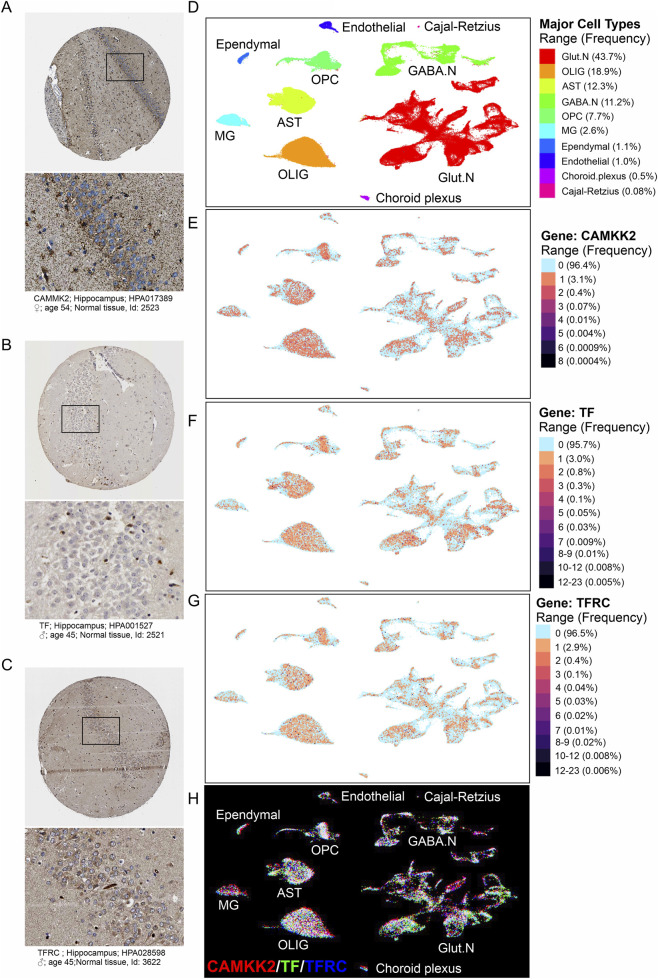 Figure 1
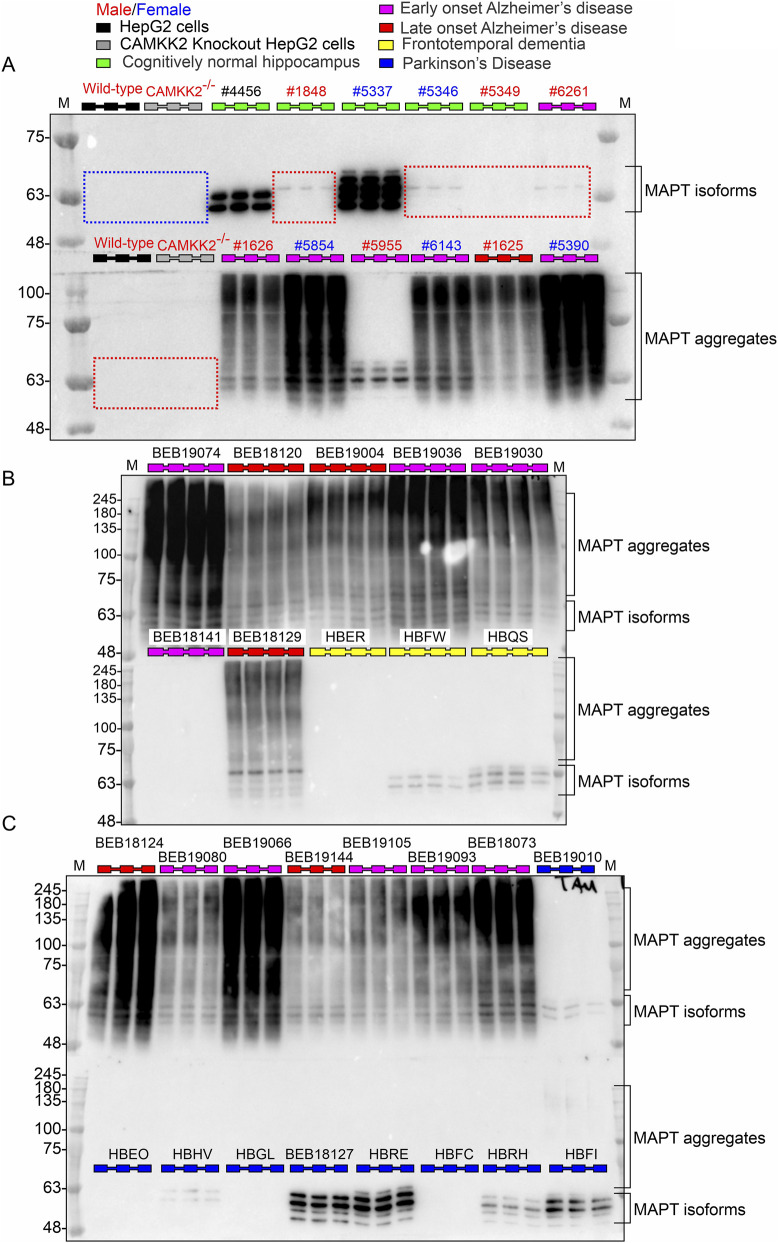 Figure 2
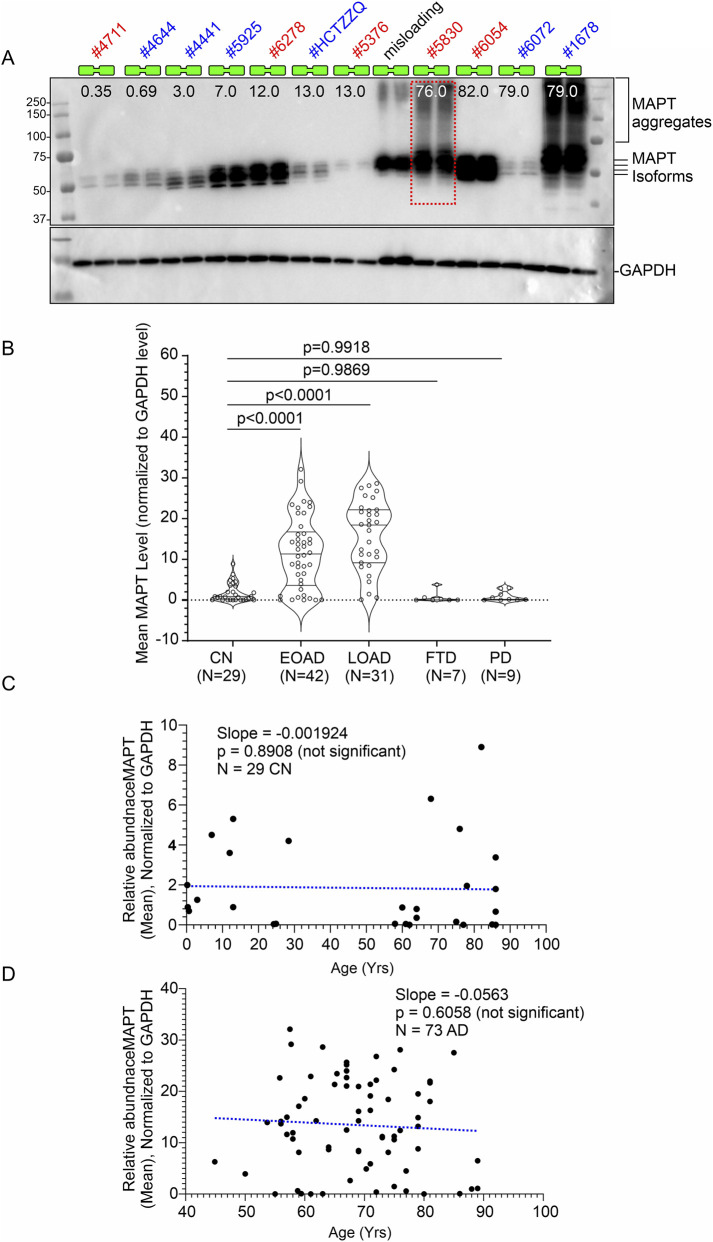 Figure 3
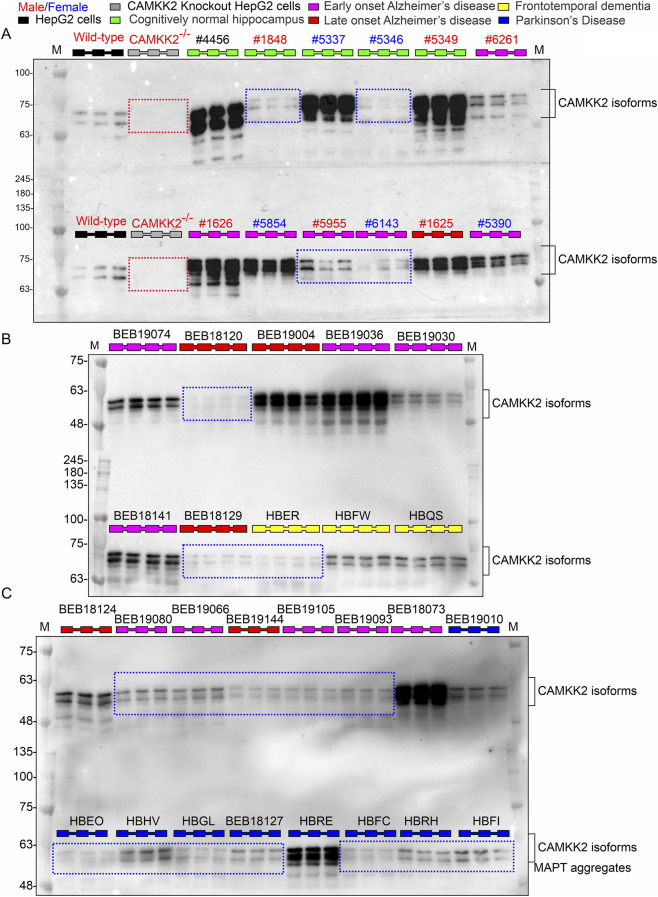 Figure 4
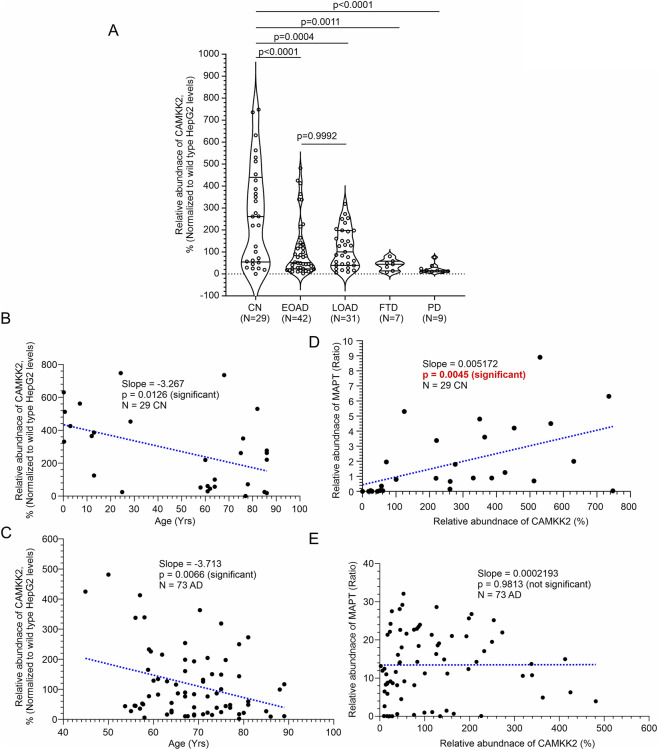 Figure 5
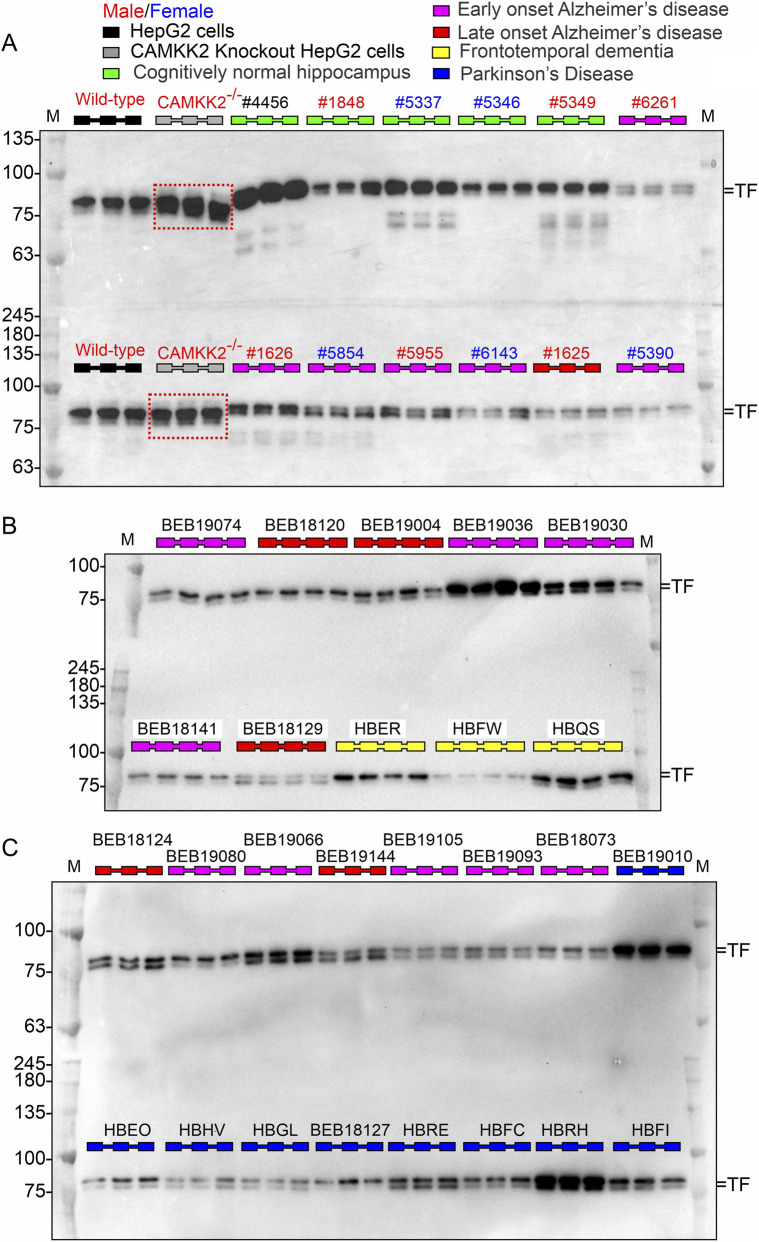 Figure 6
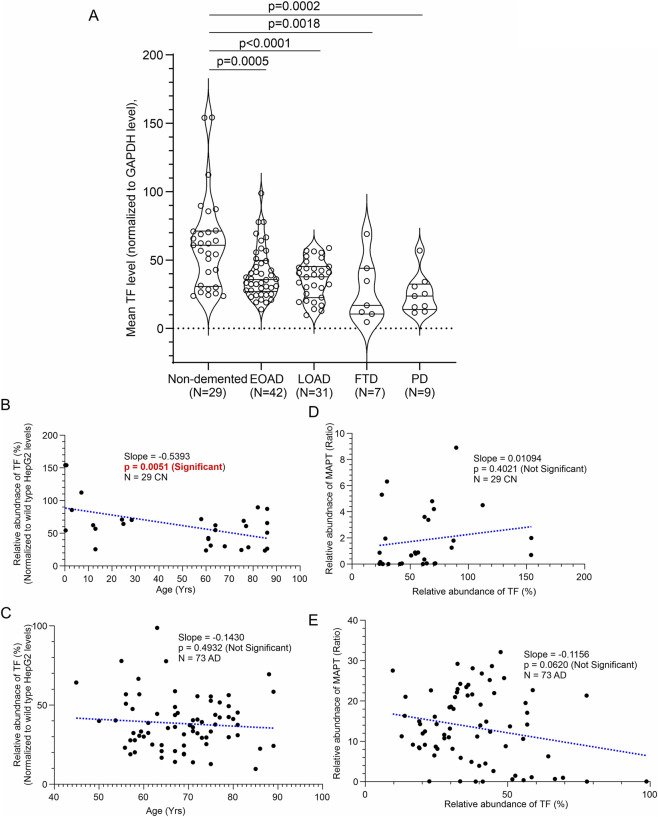 Figure 7
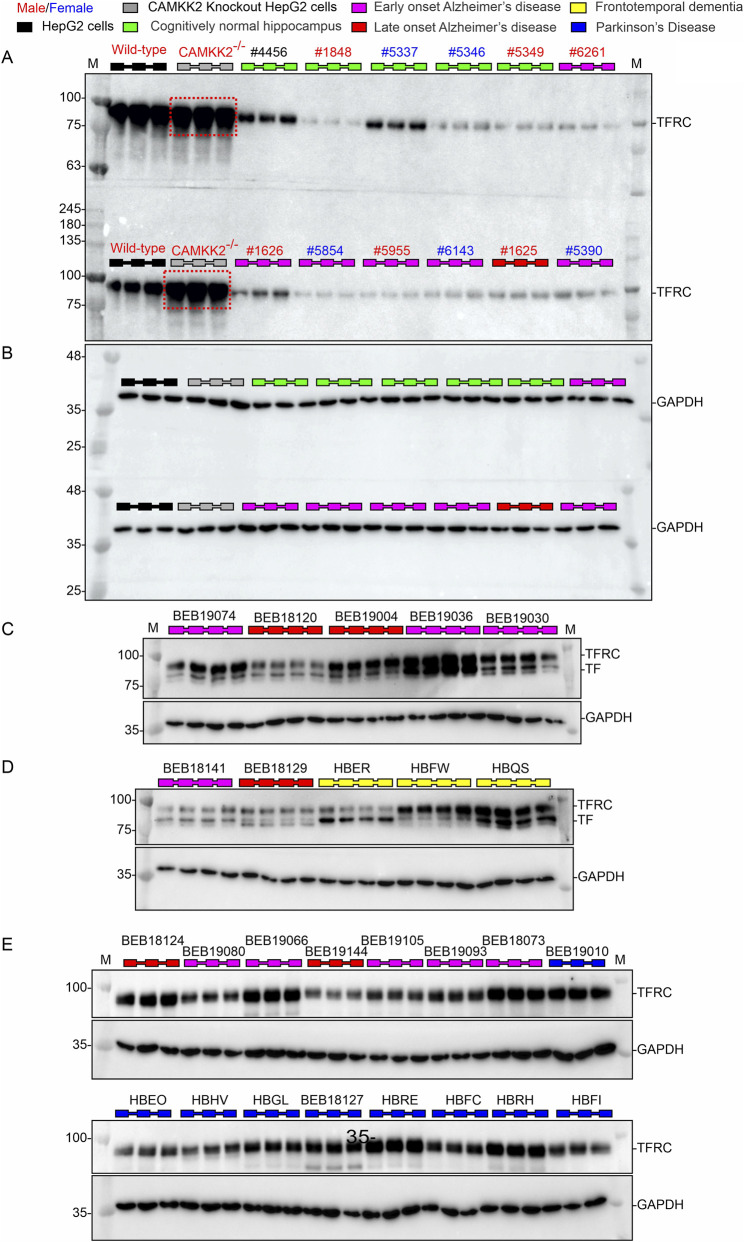 Figure 8
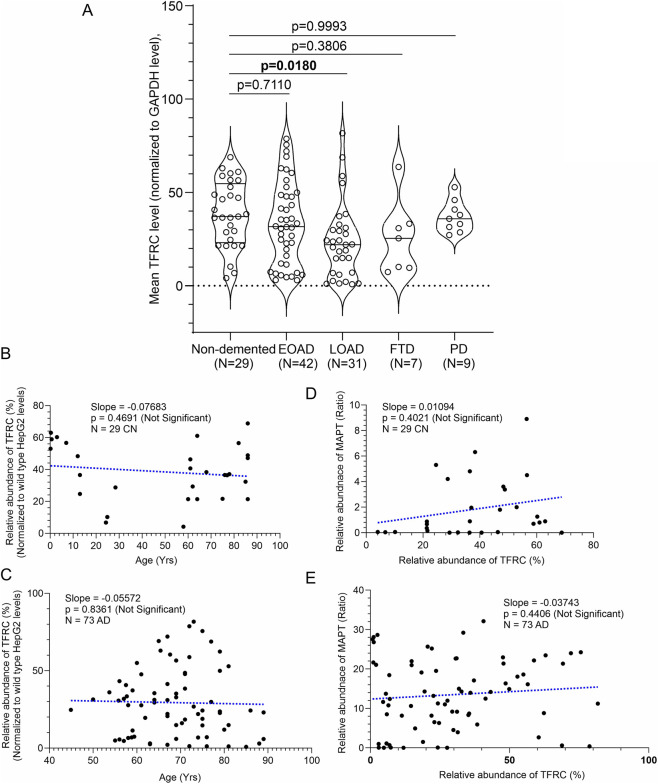 Figure 9
Peer Reviews
No public reviews on file for this paper yet. If you reviewed it on a platform where reviews are public (OpenReview, ICLR, NeurIPS, ICML), you can paste yours below so the community can read it here.
Videos
No videos yet. Explain this paper in a talk, walkthrough, or lecture? Add one.
Taxonomy
TopicsAlzheimer's disease research and treatments · Neurological Disease Mechanisms and Treatments · Trace Elements in Health