Geographic authentication of Amomum tsaoko seeds using fourier transform-near infrared spectroscopy combined with machine learning techniques and feature reduction analysis
Yinggang Zheng, Songping Lan, Haoran Hu, Xinwei Huang, Huan Wang, He Cao, Xiaoli Liu, Yaowen Yang, Shengguo Ji, Hui Xie

TL;DR
This study uses near-infrared spectroscopy and machine learning to accurately determine the geographic origin of Amomum tsaoko seeds.
Contribution
The study introduces an optimal method combining FT-NIR and MLP for geographic authentication of A. tsaoko seeds.
Findings
FT-NIR combined with MLP achieved 96.97% accuracy in geographic authentication.
Feature reduction using Catboost identified key spectral ranges for model performance.
Pretreatment of NIRS data and ML techniques are effective for rapid plant origin analysis.
Abstract
The dried ripe fruit or seed of Amomun tsaoko is a widely used spice and food additive in Eastern and Southeastern Asia. Approximately 90% of the global production of this spice occurs in Yunnan province, China. Over years of cultivation, genetic variations have emerged, leading to wide regional varieties. Authenticating geographical origin has become essential for quality assessment and control, as it directly influences a product’s commercial value. This study aims to authenticate the geographical origins of A. tsaoko seeds sourced from distinct and narrow geographical regions. Near-infrared spectroscopy (NIRS) combined with machine learning (ML) techniques was used to determine the specific geographical origins of A. tsaoko seeds. The results demonstrated that Fourier transform Near-infrared spectroscopy (FT-NIR) followed by a multi-layer perceptron (MLP) was the optimal strategy…
Genes, proteins, chemicals, diseases, species, mutations and cell lines named across the full text — each resolved to its canonical identifier and authoritative record.
Click any figure to enlarge with its caption.
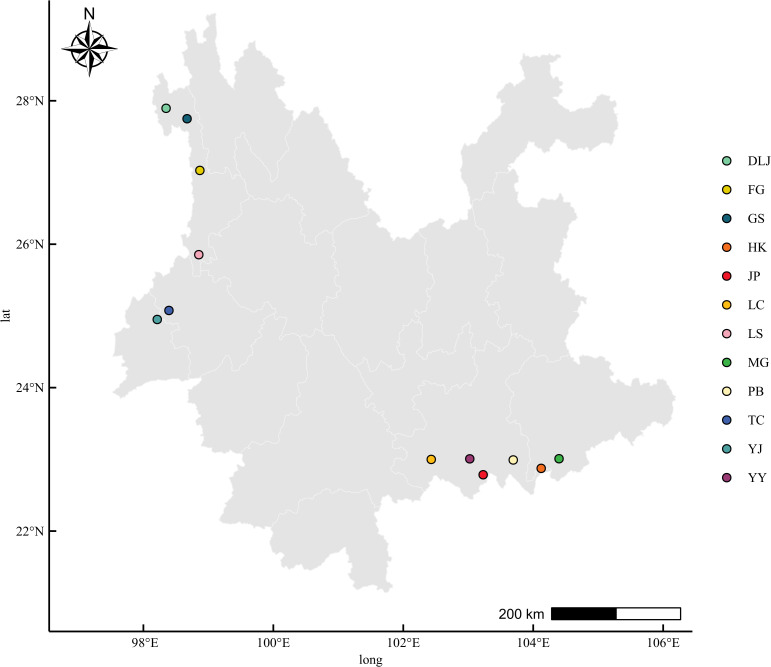 Figure 1
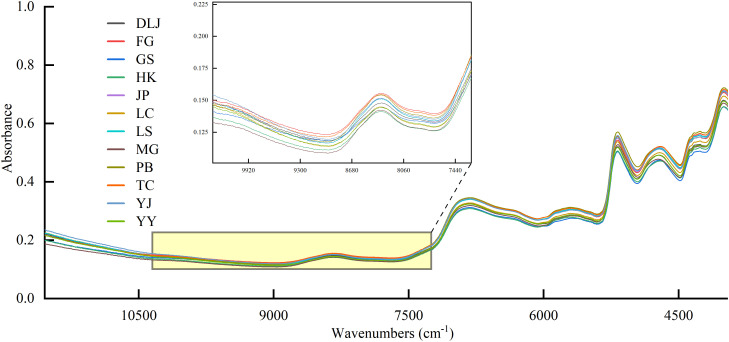 Figure 2
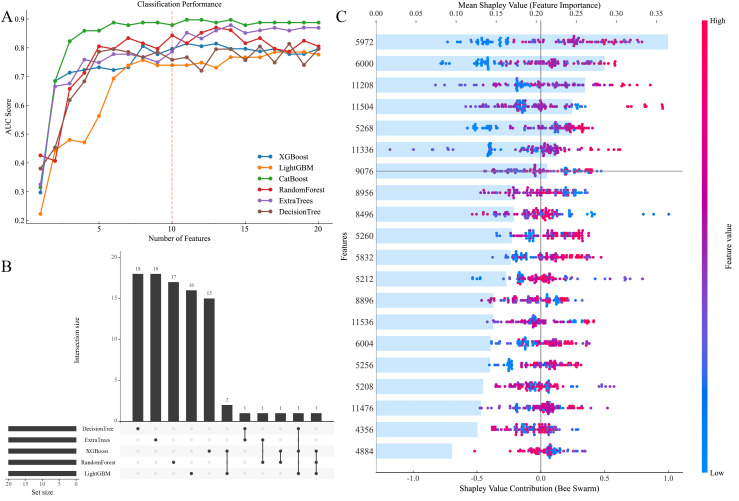 Figure 3
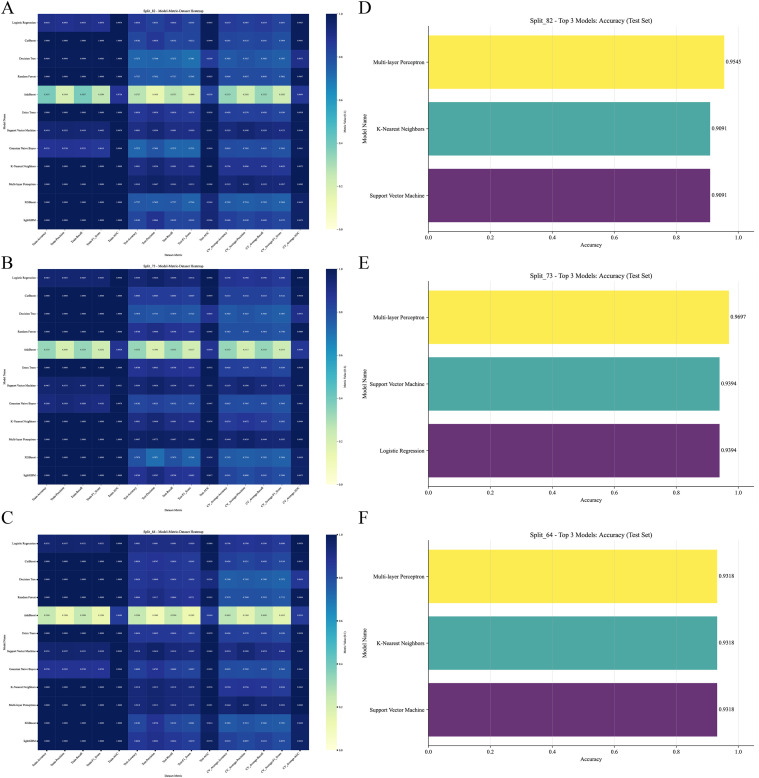 Figure 4
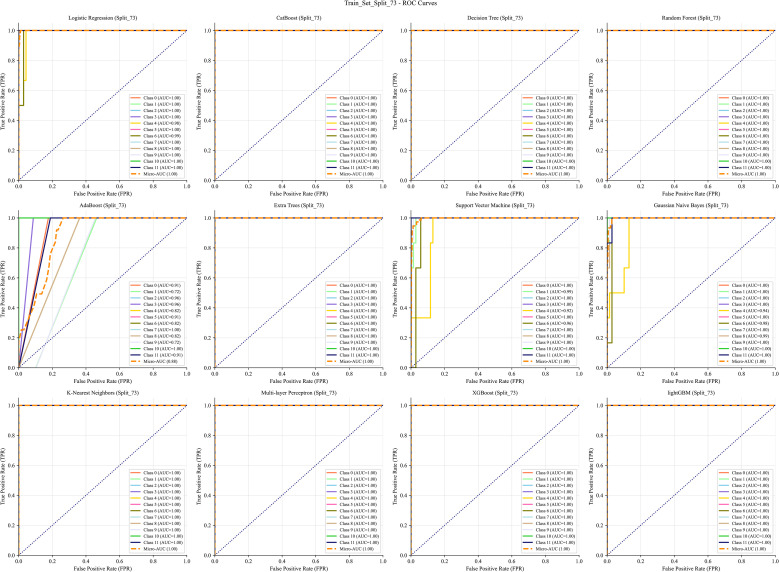 Figure 5
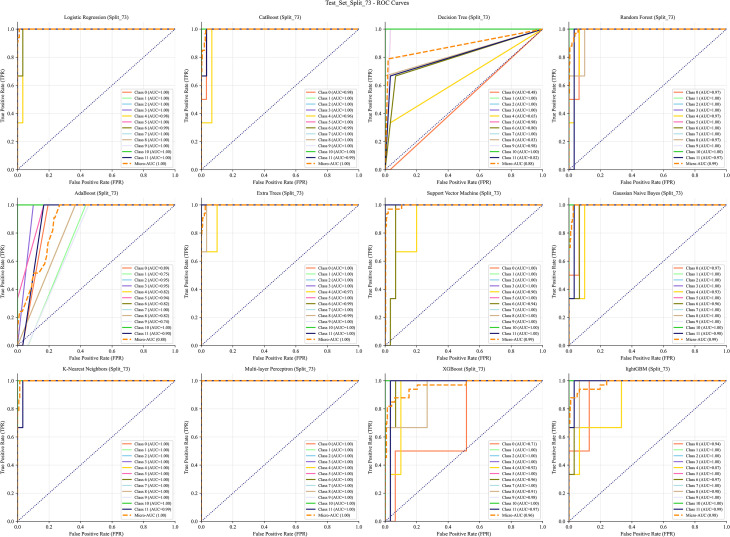 Figure 6
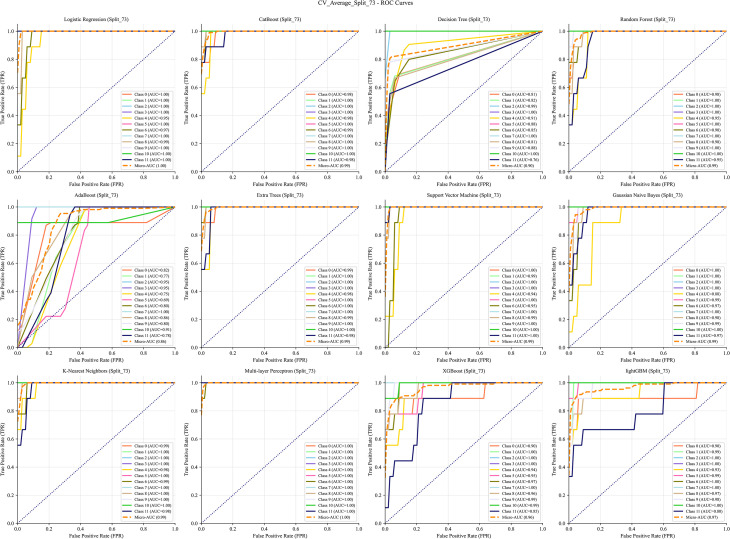 Figure 7
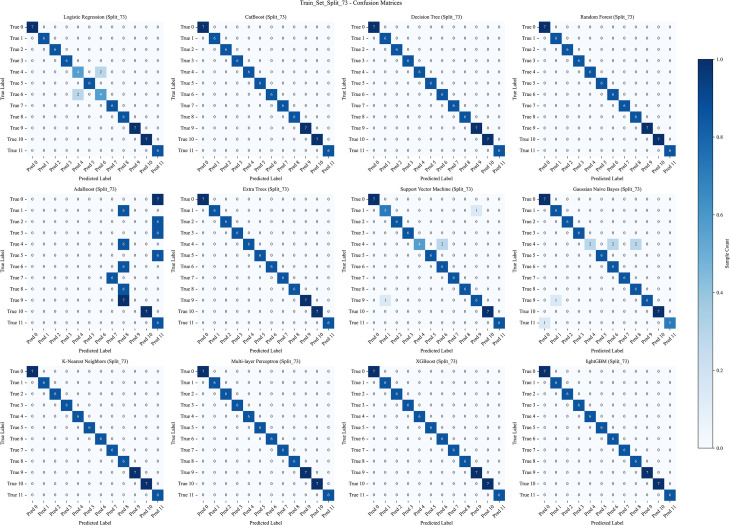 Figure 8
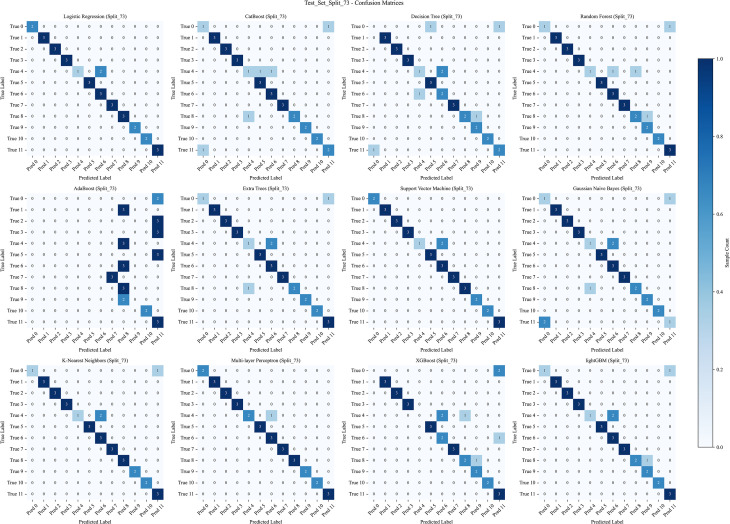 Figure 9
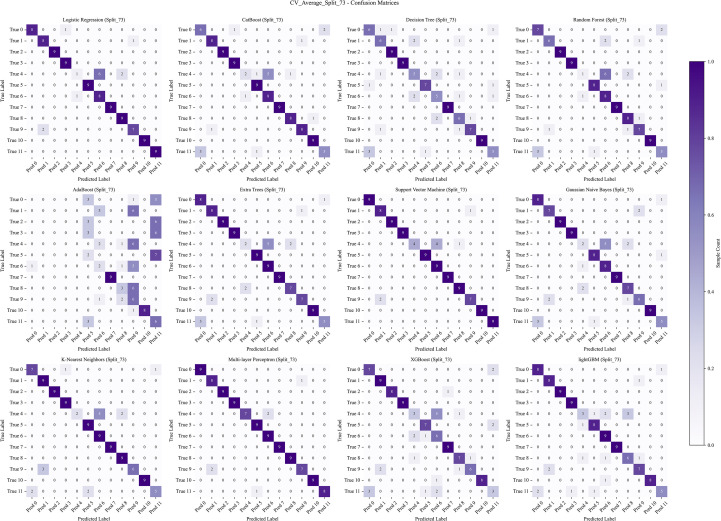 Figure 10
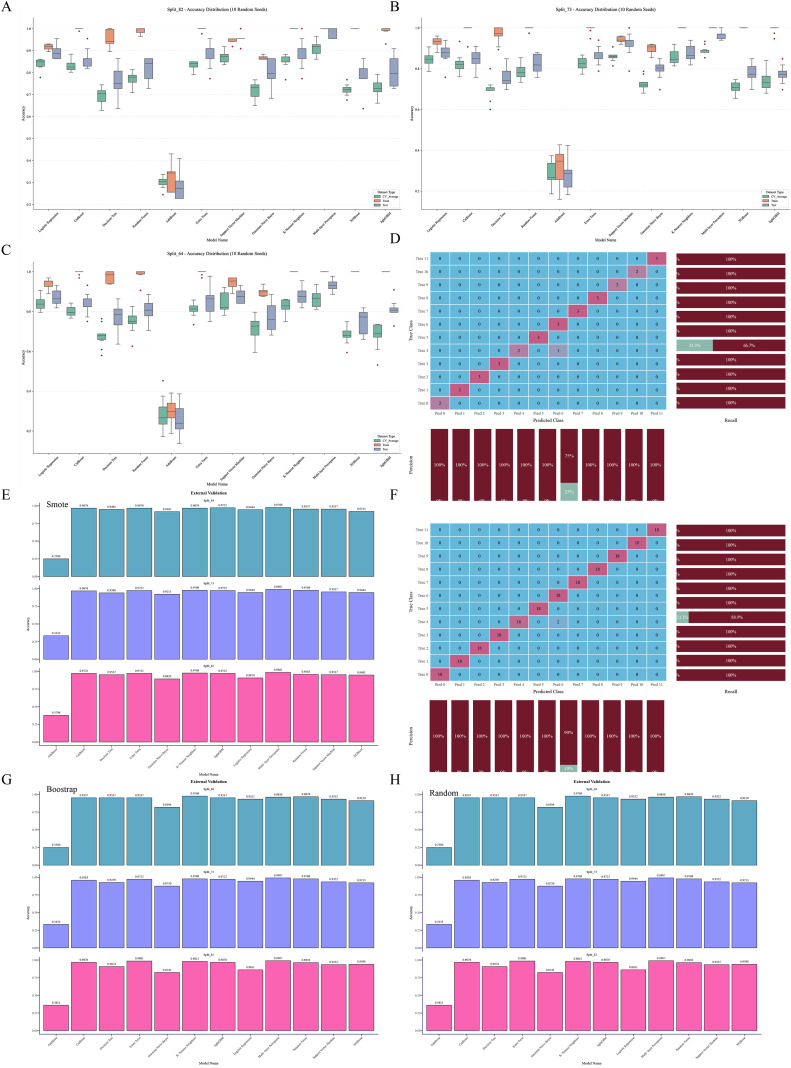 Figure 11
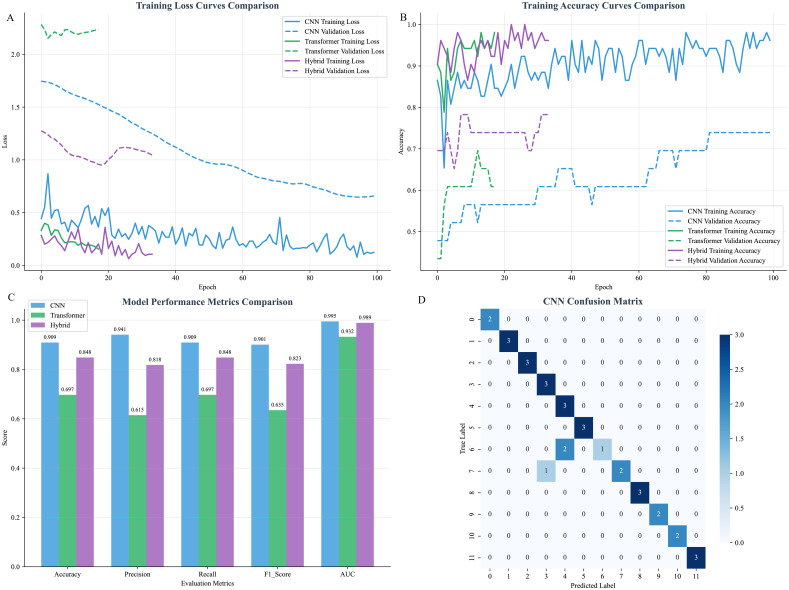 Figure 12
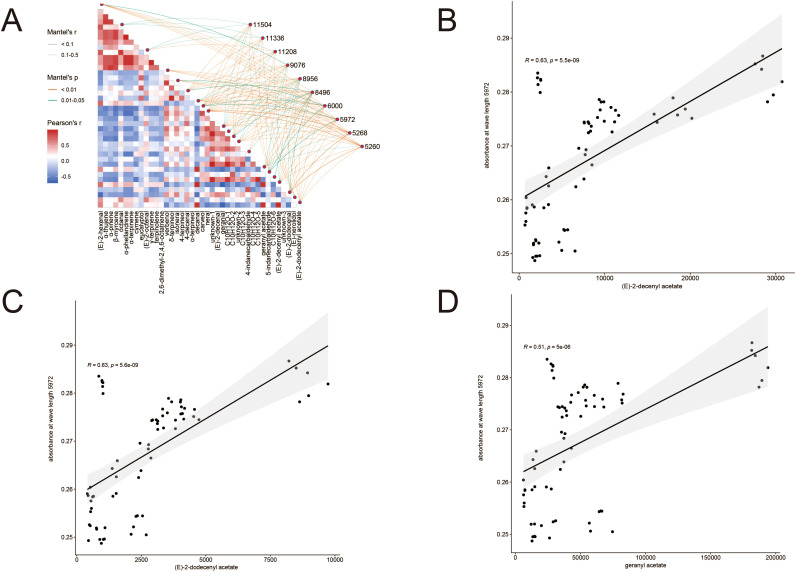 Figure 13
Peer Reviews
No public reviews on file for this paper yet. If you reviewed it on a platform where reviews are public (OpenReview, ICLR, NeurIPS, ICML), you can paste yours below so the community can read it here.
Videos
No videos yet. Explain this paper in a talk, walkthrough, or lecture? Add one.
Taxonomy
TopicsSpectroscopy and Chemometric Analyses · Remote Sensing in Agriculture · Remote-Sensing Image Classification