Personalizing esketamine treatment in TRD and TRBD: the role of mentalization, cognitive rigidity, psychache, and suicidality
Miriam Olivola, Filippo Mazzoni, Barbara Tarantino, Alessandro Guffanti, Matteo Marcatili, Monica Macellaro, Nicolaja Girone, Vassilis Martiadis, Fabiola Raffone, Tiziano Prodi, Natascia Brondino, Giovanni Martinotti, Massimo Clerici, Roberta Anniverno, Bernardo Dell’Osso

TL;DR
Esketamine helps treat-resistant depression by improving mental processes like emotional awareness and reducing suicidal thoughts, with most patients showing significant improvement over six months.
Contribution
The study identifies psychological factors that predict response to esketamine, supporting a personalized treatment approach for TRD and TRBD.
Findings
69% of patients achieved remission after six months of esketamine treatment.
Esketamine significantly improved mentalization, psychache, social cognition, and cognitive rigidity.
Reduction in depressive symptoms was confirmed by decreased MADRS scores over time.
Abstract
Treatment-Resistant Depression (TRD) remains a major challenge in the management of Major Depressive Disorder (MDD). Esketamine, the S-enantiomer of ketamine and a glutamatergic modulator, was approved by the FDA and EMA for TRD in 2019. Beyond its rapid antidepressant effects, esketamine may enhance neuroplasticity, facilitating the reconnection with emotional and cognitive processes, improving mentalization and social cognition, and promoting resilience. This prospective multicenter observational study aimed to evaluate esketamine’s therapeutic impact on both depressive symptoms and key psychological factors—including mentalization, psychache, social cognition, suicidality, and cognitive-emotional rigidity—that could predict treatment response and enable a more personalized approach to TRD and TRBD management. Thirty-six treatment-resistant depressive episode patients, including TRD…
Genes, proteins, chemicals, diseases, species, mutations and cell lines named across the full text — each resolved to its canonical identifier and authoritative record.
Click any figure to enlarge with its caption.
 Figure 1
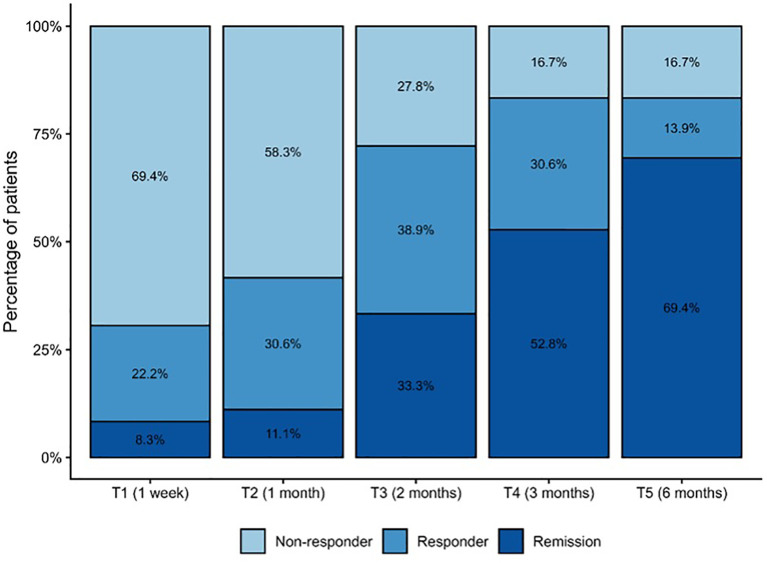 Figure 2
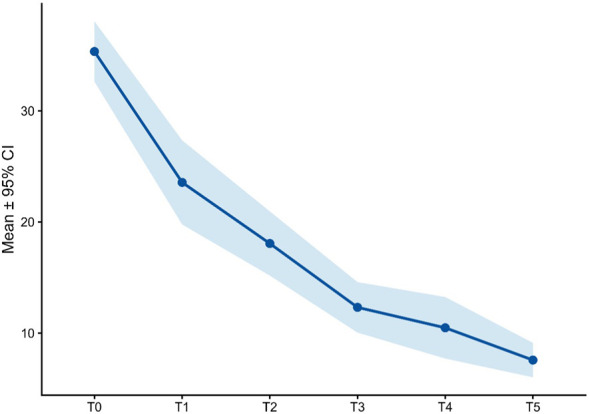 Figure 3
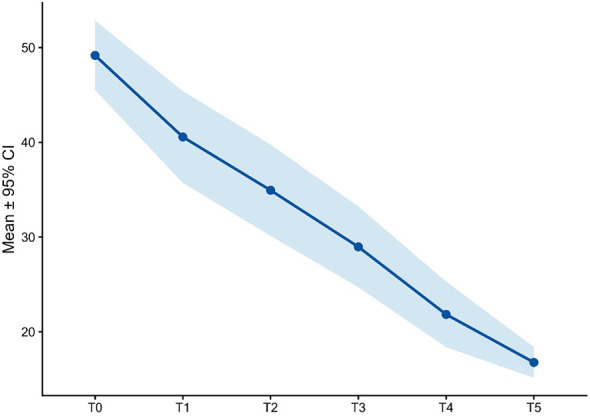 Figure 4
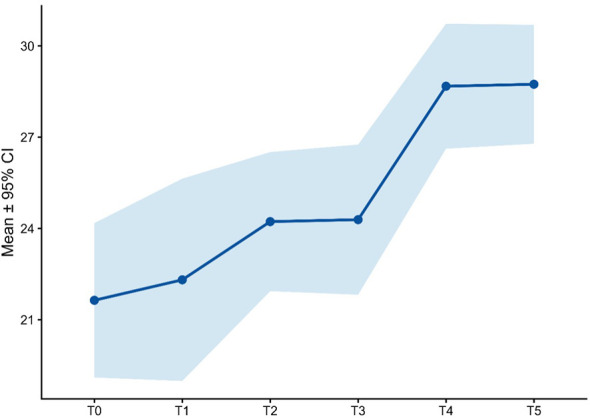 Figure 5
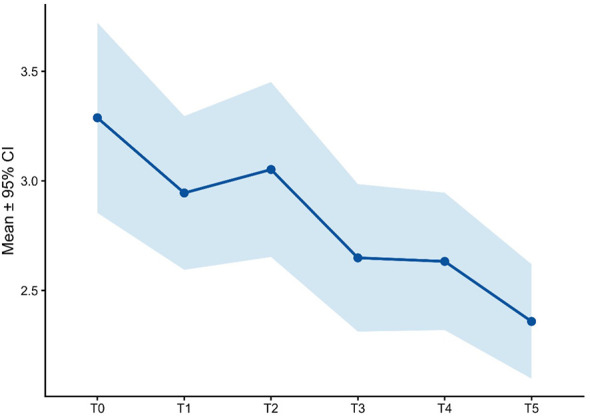 Figure 6
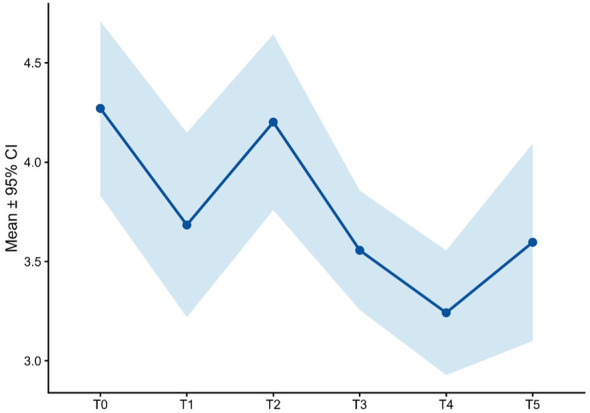 Figure 7
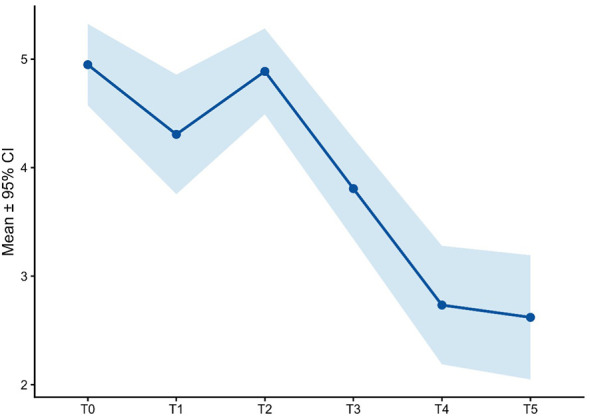 Figure 8
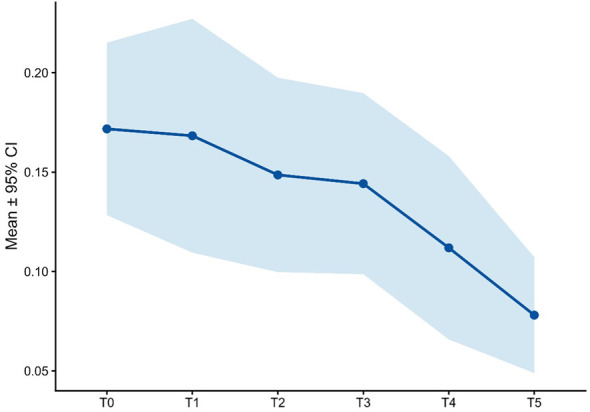 Figure 9
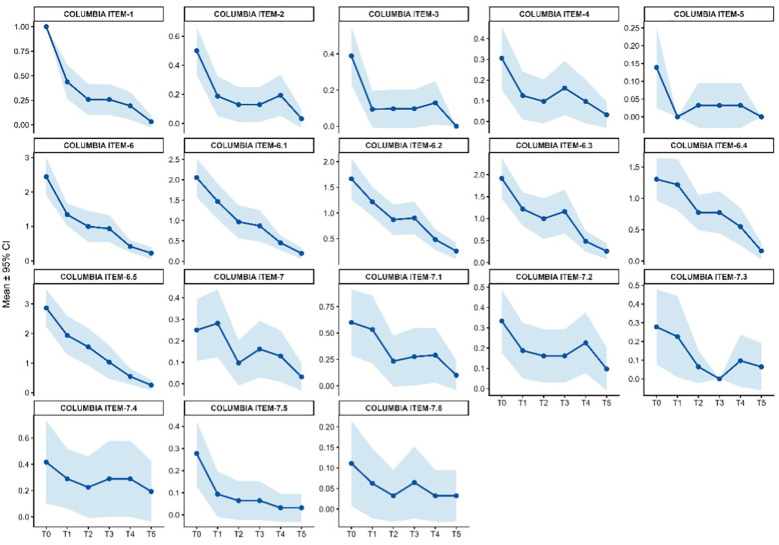 Figure 10
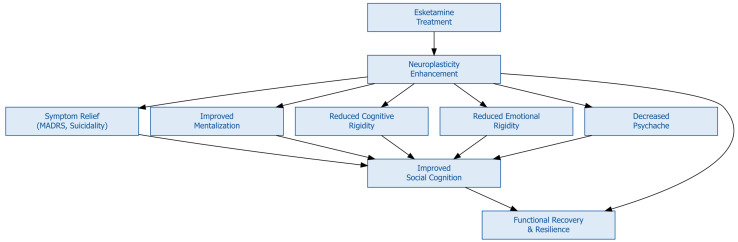 Figure 11
Peer Reviews
No public reviews on file for this paper yet. If you reviewed it on a platform where reviews are public (OpenReview, ICLR, NeurIPS, ICML), you can paste yours below so the community can read it here.
Videos
No videos yet. Explain this paper in a talk, walkthrough, or lecture? Add one.
Taxonomy
TopicsTreatment of Major Depression · Anxiety, Depression, Psychometrics, Treatment, Cognitive Processes · Mental Health Research Topics