Ribosome biogenesis rate, a parameter of sensitivity to chemotherapeutic drugs inhibiting rRNA synthesis
Davide Treré, Lorenzo Montanaro, Massimo Derenzini, Claudio Agostinelli, Enrico Derenzini

TL;DR
This paper explores how the rate of ribosome biogenesis and genetic changes in ribosomal proteins affect cancer cell sensitivity to drugs that inhibit rRNA synthesis.
Contribution
The paper introduces a framework for predicting cancer cell sensitivity to ribosome biogenesis inhibitors based on ribosome biogenesis rate and ribosomal protein alterations.
Findings
High ribosome biogenesis rates lead to strong MDM2 inhibition and increased cell death in response to ribosome biogenesis inhibitors.
Low ribosome biogenesis rates or ribosomal protein mutations reduce MDM2 inhibition, causing resistance to these drugs.
Combining ribosome biogenesis inhibitors with p53 stabilizers or MDM2 inhibitors can overcome resistance in certain cancer types.
Abstract
Many drugs currently used in cancer chemotherapy exert their toxic action mainly by inhibiting ribosome biogenesis (RiBi). This is due to the fact that after inhibition of rRNA transcription ribosomal proteins, no longer used for ribosome building, bind to and neutralize the activity of the murine double minute 2 protein (MDM2, HMD2 in humans), thus hindering cell proliferation and possibly inducing apoptotic cell death. Here, we discuss the existing literature showing how RiBi rate and genomic alterations of ribosomal proteins (RP mutations/deletions) influence the degree of MDM2 inhibition after treatment with RiBi inhibitors in cancer cells. There is evidence that a high RiBi rate is associated with a high RPs release with strong inhibition of MDM2 activity and consequent induction of apoptotic cell death in response to RiBi inhibitors, whereas a low RiBi rate or RP…
Genes, proteins, chemicals, diseases, species, mutations and cell lines named across the full text — each resolved to its canonical identifier and authoritative record.
Click any figure to enlarge with its caption.
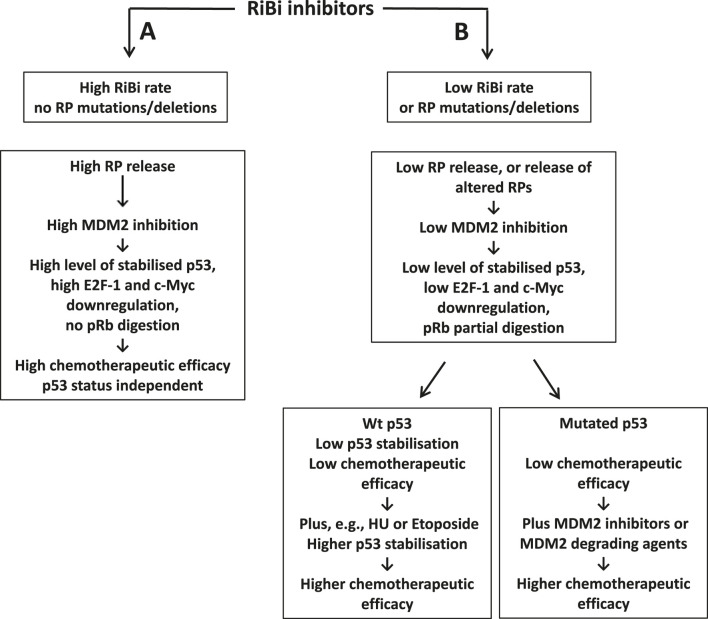 Figure 1
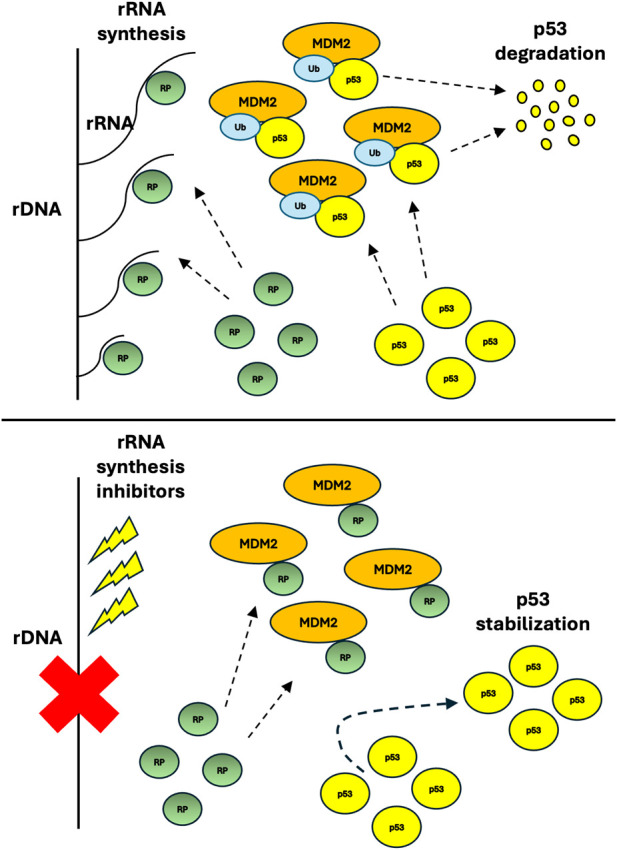 Figure 2
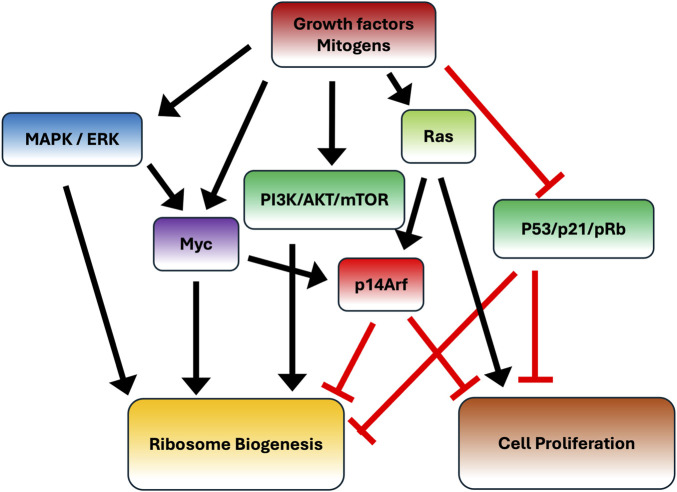 Figure 3
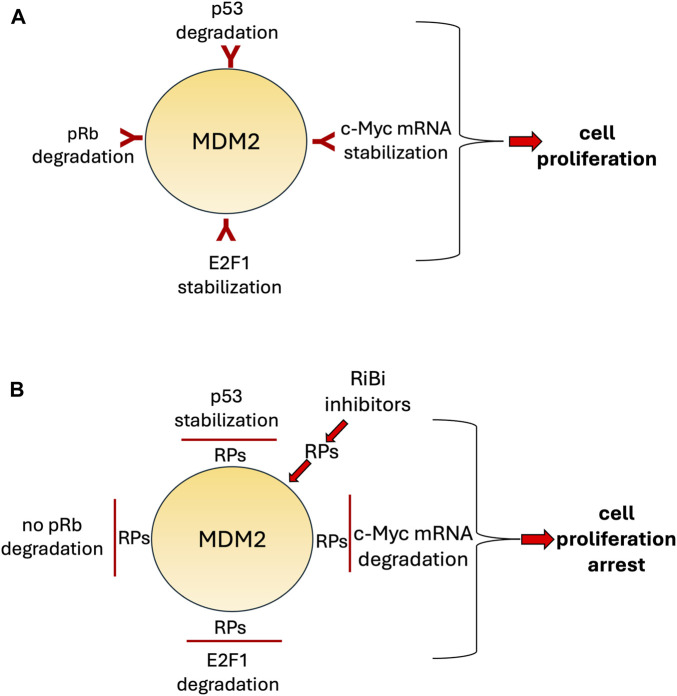 Figure 4
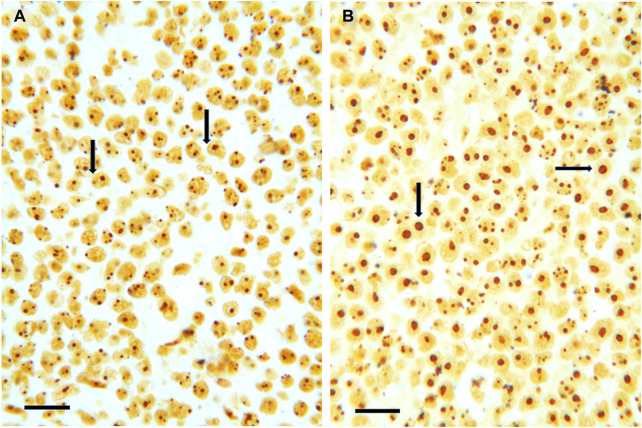 Figure 5
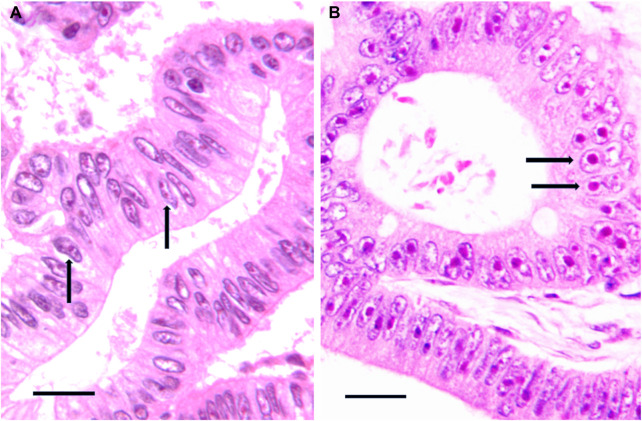 Figure 6
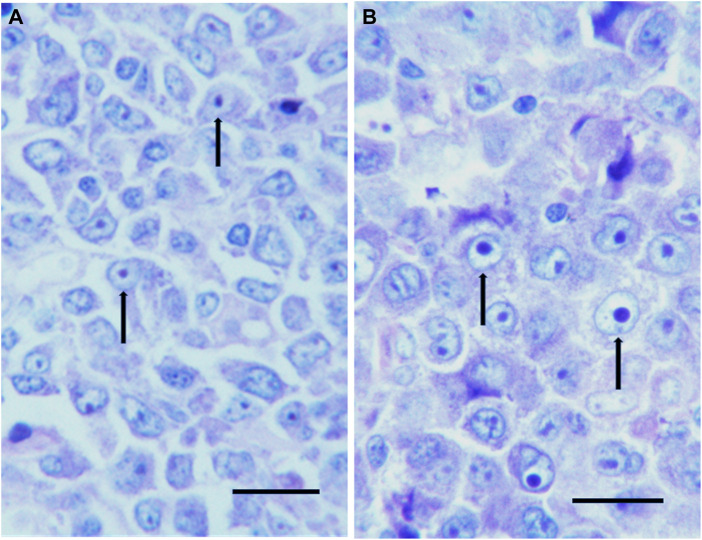 Figure 7
Peer Reviews
No public reviews on file for this paper yet. If you reviewed it on a platform where reviews are public (OpenReview, ICLR, NeurIPS, ICML), you can paste yours below so the community can read it here.
Videos
No videos yet. Explain this paper in a talk, walkthrough, or lecture? Add one.
Taxonomy
TopicsRNA modifications and cancer · RNA and protein synthesis mechanisms · Toxin Mechanisms and Immunotoxins