Non-invasive pressure-volume analysis: a novel method for evaluating ventricular function in patients with aortic stenosis
Darijan Ribic, Espen W. Remme, Otto A. Smiseth, Richard J. Massey, Christian H. Eek, John-Peder Escobar Kvitting, Lars Gullestad, Kaspar Broch, Kristoffer Russell

TL;DR
This paper introduces a non-invasive method to analyze heart function in aortic stenosis patients, showing it can accurately capture changes not seen with traditional tests.
Contribution
A novel non-invasive pressure-volume analysis method is developed and validated for evaluating ventricular function in aortic stenosis.
Findings
Non-invasive stroke work estimates strongly correlate with invasive measurements (r = 0.95, ICC = 0.95).
Post-TAVR, ventricular efficiency and coupling improved, while energy consumption decreased.
Conventional metrics like EF and GLS did not change after TAVR, unlike non-invasive pressure-volume analysis findings.
Abstract
Conventional echocardiographic measurements like ejection fraction (EF) and global longitudinal strain (GLS) evaluate left ventricular (LV) function without considering concurrent loading conditions. A more comprehensive characterization of cardiac function and energetics can be achieved through pressure-volume analysis, but its clinical application is limited by the requirement for invasive measurements. We aimed to develop a clinically accessible, non-invasive method for pressure-volume loop analysis. We obtained simultaneous 3-dimensional echocardiograms and invasive LV pressures with micromanometer-tipped catheters during transcatheter aortic valve replacement (TAVR) for severe aortic stenosis. Volume-time traces from the echocardiograms were combined with invasive LV pressures and non-invasive pressure estimates to construct pressure-volume loops. We used echocardiograms before…
Genes, proteins, chemicals, diseases, species, mutations and cell lines named across the full text — each resolved to its canonical identifier and authoritative record.
Click any figure to enlarge with its caption.
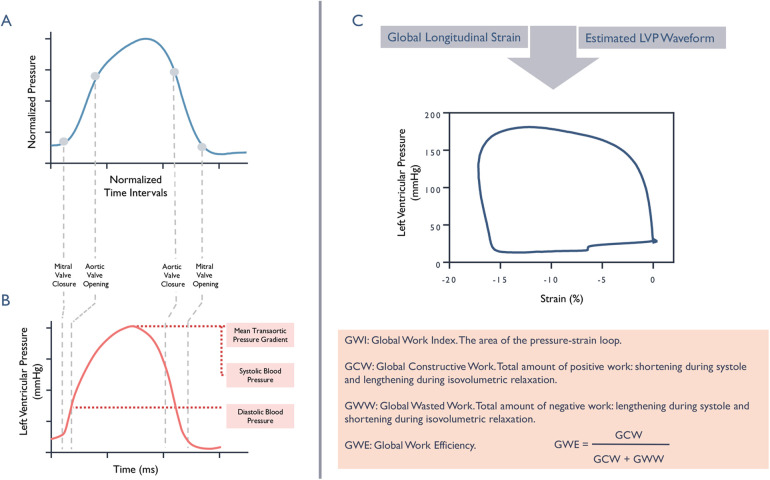 Figure 1
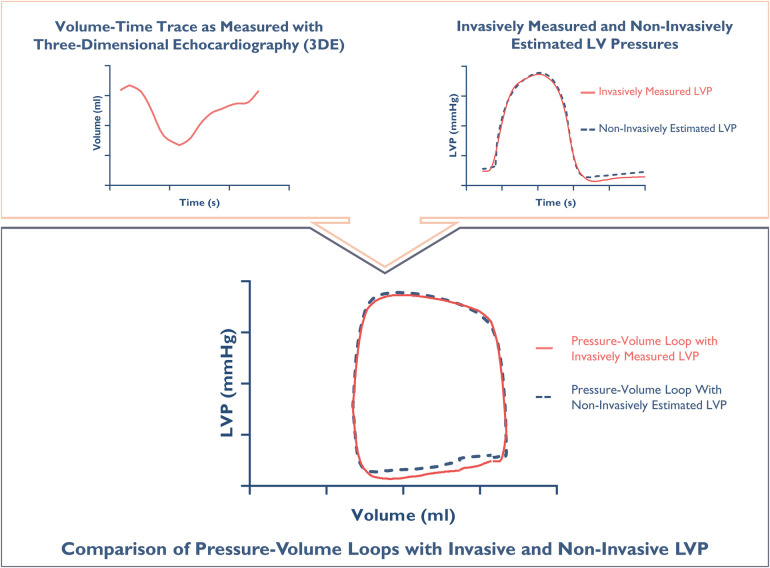 Figure 2
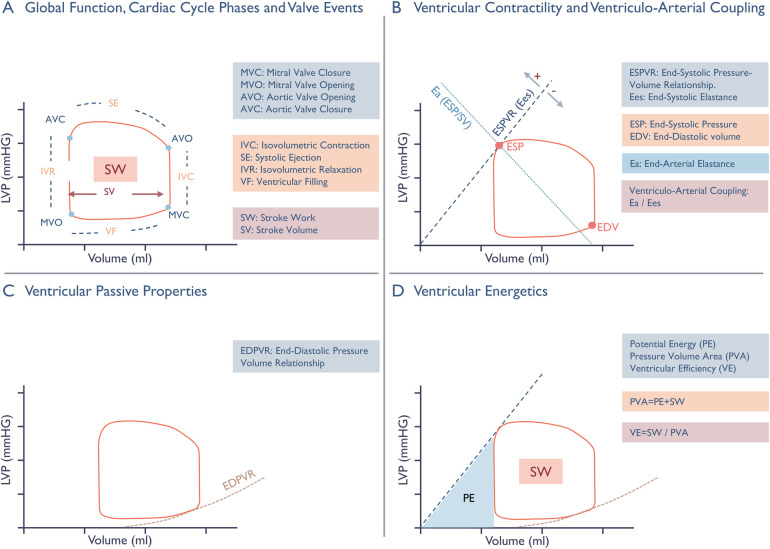 Figure 3
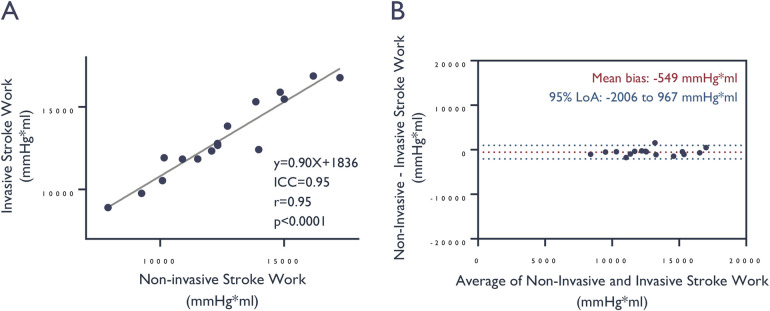 Figure 4
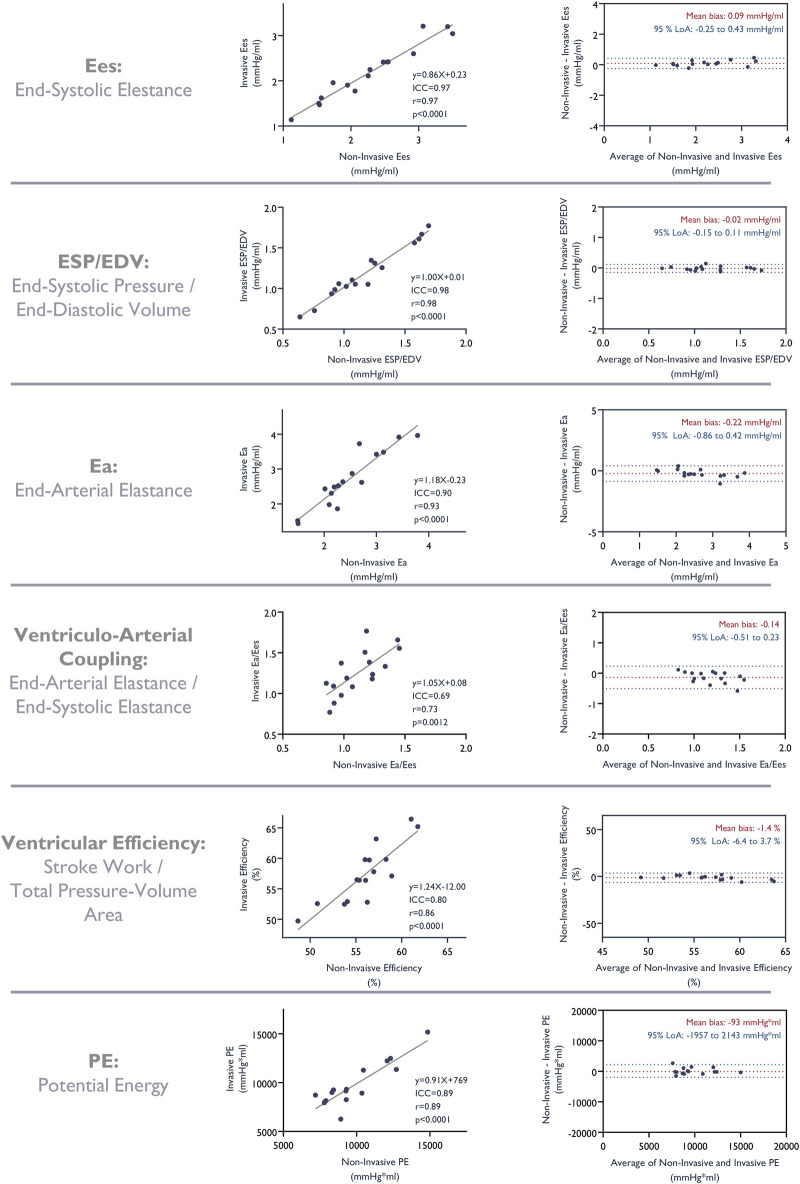 Figure 5
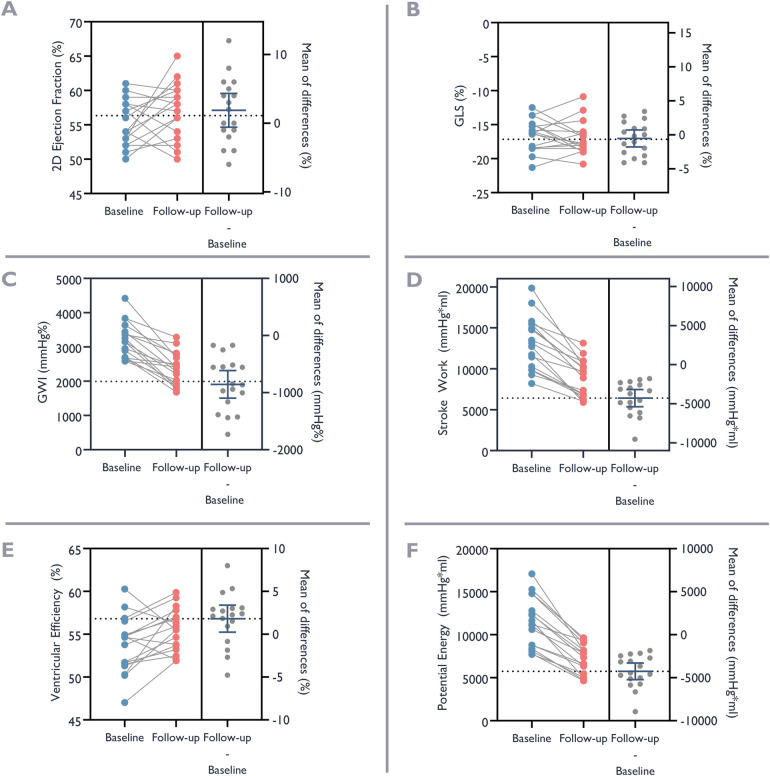 Figure 6
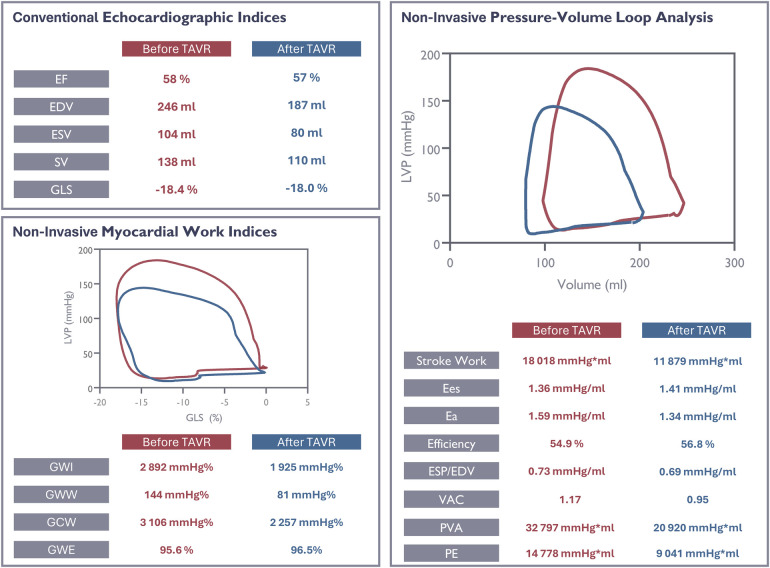 Figure 7
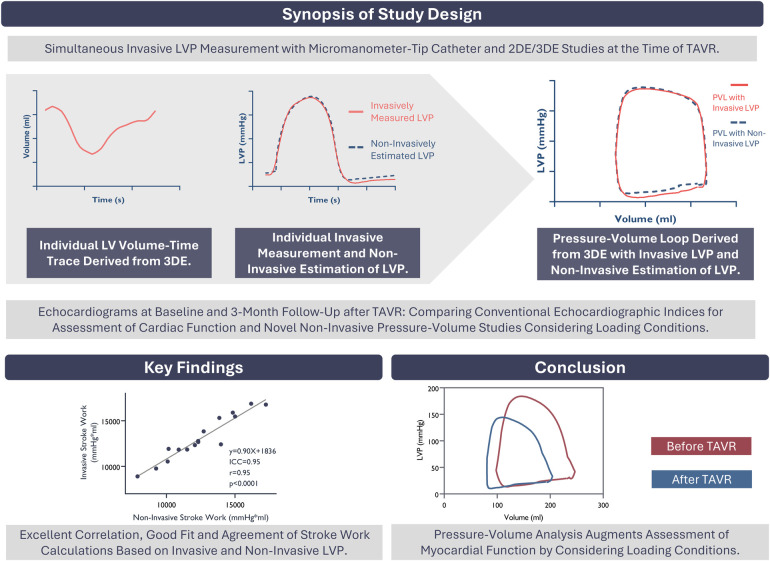 Figure 8
Peer Reviews
No public reviews on file for this paper yet. If you reviewed it on a platform where reviews are public (OpenReview, ICLR, NeurIPS, ICML), you can paste yours below so the community can read it here.
Videos
No videos yet. Explain this paper in a talk, walkthrough, or lecture? Add one.
Taxonomy
TopicsCardiovascular Function and Risk Factors · Cardiac Valve Diseases and Treatments · Elasticity and Material Modeling