Chloroplast genomic characterization and phylogenetic analysis of eleven Persicaria medicinal plants from Guangxi, Southern China
Zhuxin Li, Yinghan Dai, Shanshan Zhai, Yingying Cao, Junyu Cheng, Meng Ni, Lijuan Song, Junyu Tao, Dapei Zhang, Ziheng Xu, Yongxing Lai, Haibo Tang

TL;DR
This study analyzes the chloroplast genomes of 11 medicinal Persicaria plants from Guangxi to better understand their evolution and aid in species identification.
Contribution
The study provides new chloroplast genome sequences and phylogenetic insights for 11 Persicaria species, enhancing their medicinal resource utilization.
Findings
Chloroplast genomes of 11 Persicaria species show a typical quadripartite structure with conserved IR boundary regions.
Phylogenetic analysis reveals distinct clades for Persicaria species, separate from related genera like Calligonum and Fallopia.
The estimated stem age of the Persicaria genus is 81.89 million years, offering insights into its evolutionary history.
Abstract
Polygonaceae is widely distributed worldwide, with the genus Persicaria being one of its most medicinally important groups. Nonetheless, genomic research on this genus remains relatively sparse. Moreover, accurate identification of Persicaria species is challenging due to significant morphological variation and similarities, which hinders the development and utilization of their medicinal resources. To address these issues, this study undertook the sequencing, assembly, and annotation of the chloroplast genomes of 11 Persicaria species from Guangxi and reconstructed a phylogenetic tree. The findings reveal that the chloroplast genome lengths of these 11 species range from 159,028 to 161,023 bp, displaying a typical quadripartite structure comprising a large single-copy (LSC) region, a small single-copy (SSC) region, and two inverted repeat (IR) regions. All chloroplast genomes contain…
Genes, proteins, chemicals, diseases, species, mutations and cell lines named across the full text — each resolved to its canonical identifier and authoritative record.
Click any figure to enlarge with its caption.
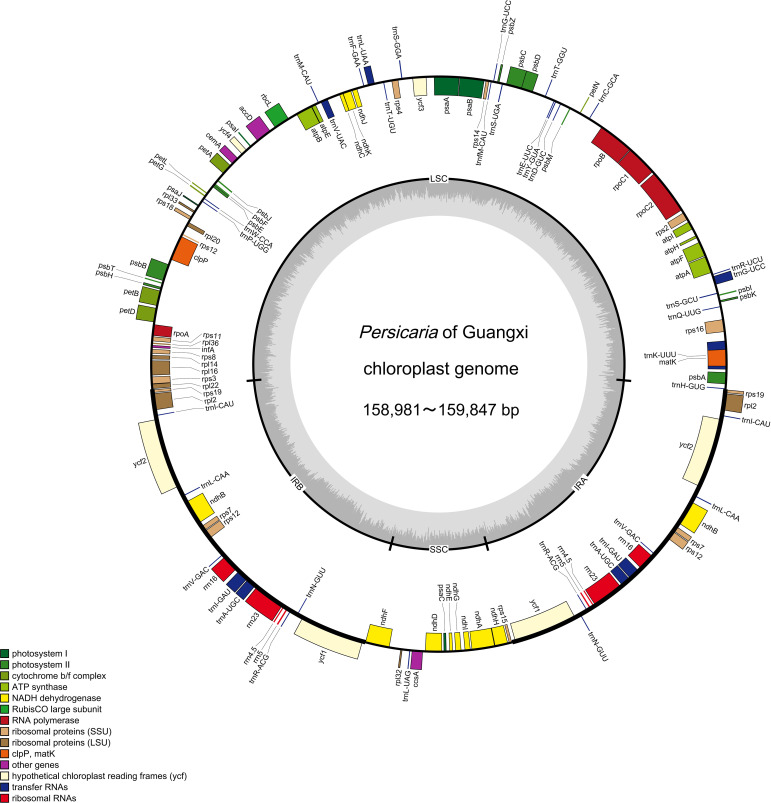 Figure 1
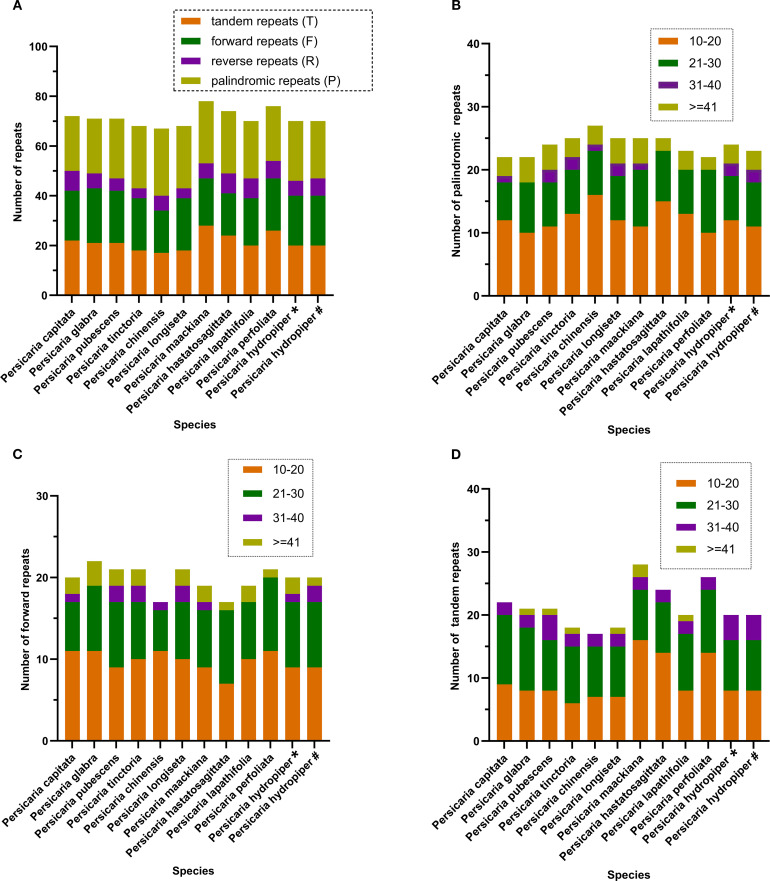 Figure 2
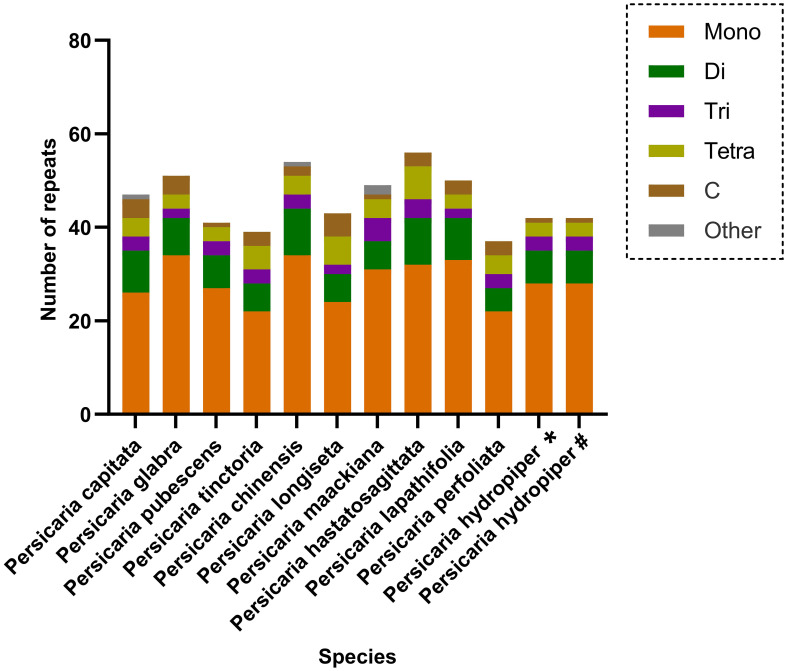 Figure 3
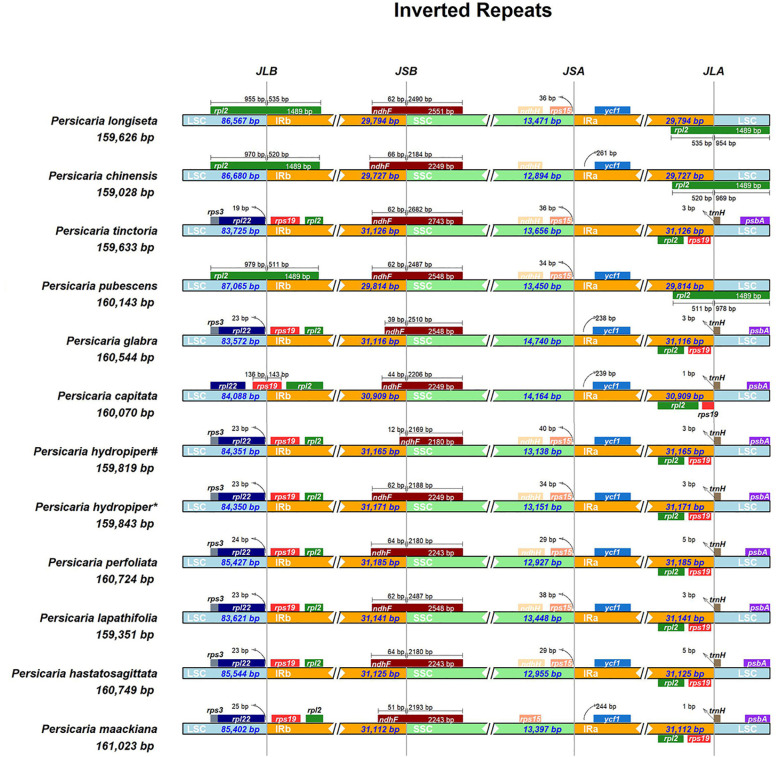 Figure 4
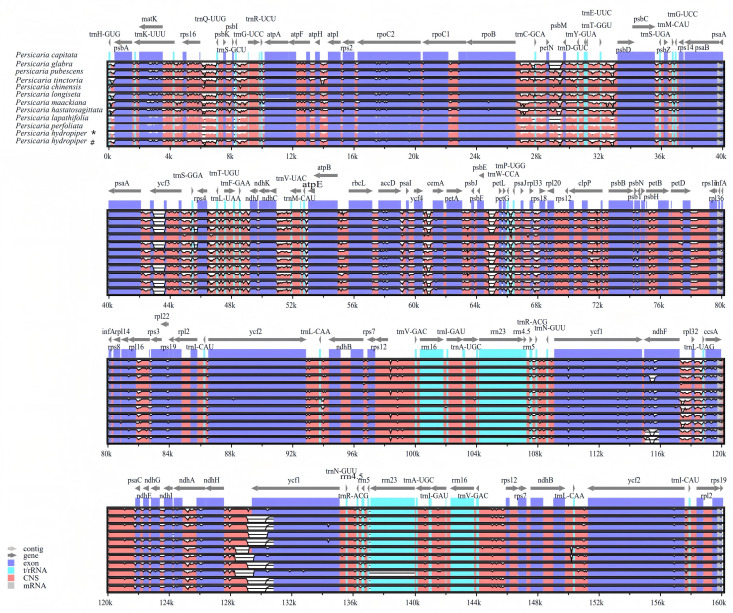 Figure 5
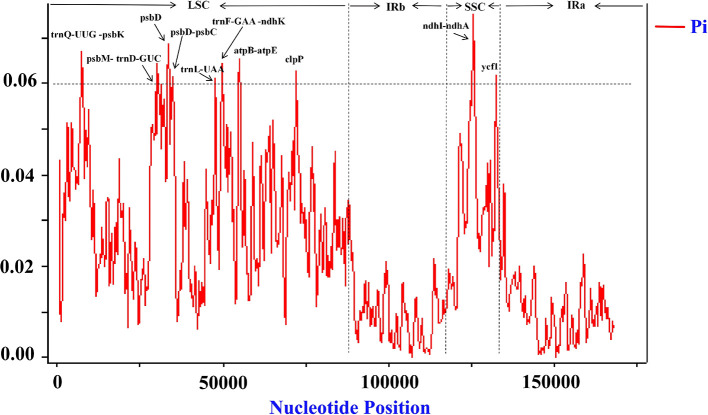 Figure 6
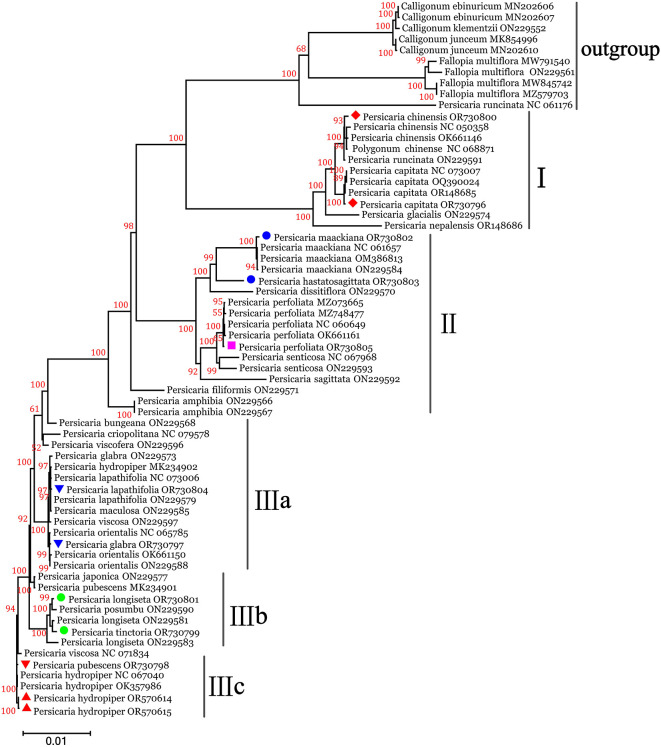 Figure 7
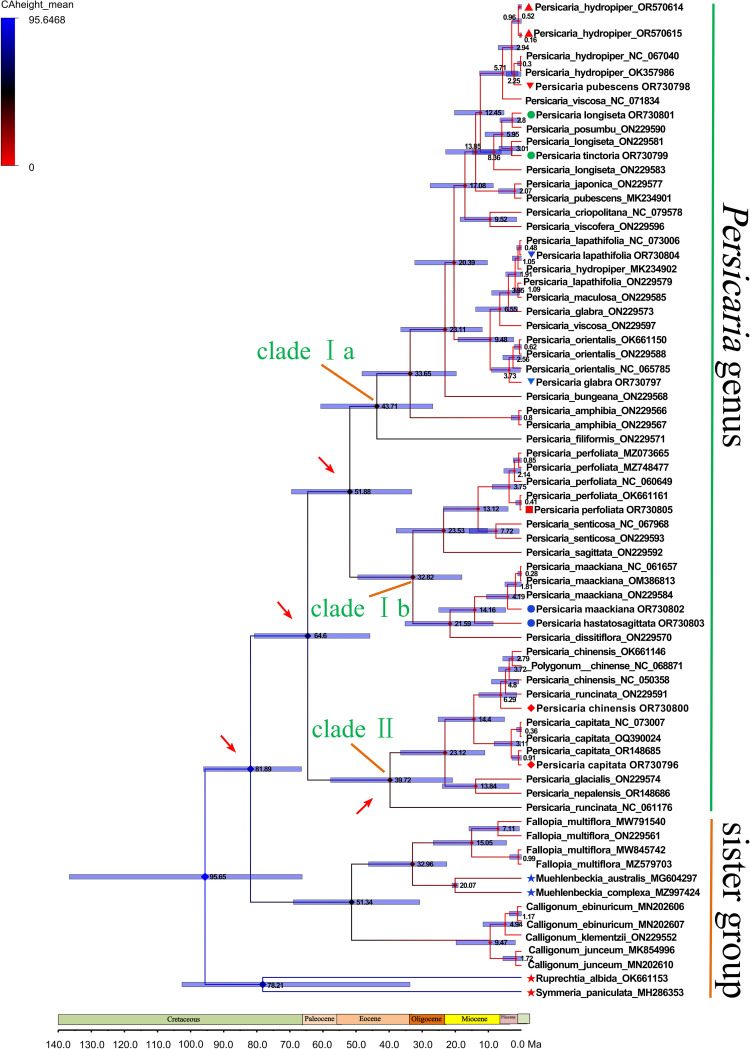 Figure 8
Peer Reviews
No public reviews on file for this paper yet. If you reviewed it on a platform where reviews are public (OpenReview, ICLR, NeurIPS, ICML), you can paste yours below so the community can read it here.
Videos
No videos yet. Explain this paper in a talk, walkthrough, or lecture? Add one.
Taxonomy
TopicsPhytochemistry and Biological Activities · Forest, Soil, and Plant Ecology in China · Ginger and Zingiberaceae research