Extraction of phenolic compounds and flavonoids from tomato residues using high-pressure-temperature advanced method
Nidal Zrikam, Amine Ezzariai, Youssef El Kharrassi, Abdelaziz Nilahyane, Sabrine Zouiete, Kamal Aberkani, Layla El Gueddari, Loubna El Fels, Yedir Ouhdouch, Lamfeddal Kouisni, Mohamed Hafidi, Adil Mazar

TL;DR
This study explores a new high-pressure-temperature method to extract valuable compounds from tomato waste, showing it to be more efficient than traditional techniques.
Contribution
The first use of a high-pressure-temperature reactor for extracting phenolic and flavonoid compounds from tomato residues is introduced and validated.
Findings
Maximum extraction yields of 31.2% for stems and 53.9% for leaves were achieved under moderate conditions.
Optimal extracts showed strong antioxidant activity and significant anti-elastase potential.
Parr reactor extraction outperformed conventional and emerging techniques in yield, selectivity, and efficiency.
Abstract
Tomato residues in the Agadir region constitute a large and under-exploited source of biomass, rich in bioactive molecules such as phenolic and flavonoid compounds. This study highlights, for the first time, the use of high-pressure-temperature reactor as an innovative and advanced extraction technology to recover phenolic acids and flavonoids from stems and leaves of tomato waste. A multivariate optimization approach was designed to assess the effect of temperature, pressure, extraction time, and solvent ratio on the extraction efficiency to determine the optimal conditions. The performance of this method was compared to conventional and emerging techniques (Soxhlet, maceration, and ultrasound-assisted extraction), while the biological activities of the extracts were evaluated via their antioxidant and enzymatic properties. The results showed a maximum extraction yield of 31.2% for…
Genes, proteins, chemicals, diseases, species, mutations and cell lines named across the full text — each resolved to its canonical identifier and authoritative record.
Click any figure to enlarge with its caption.
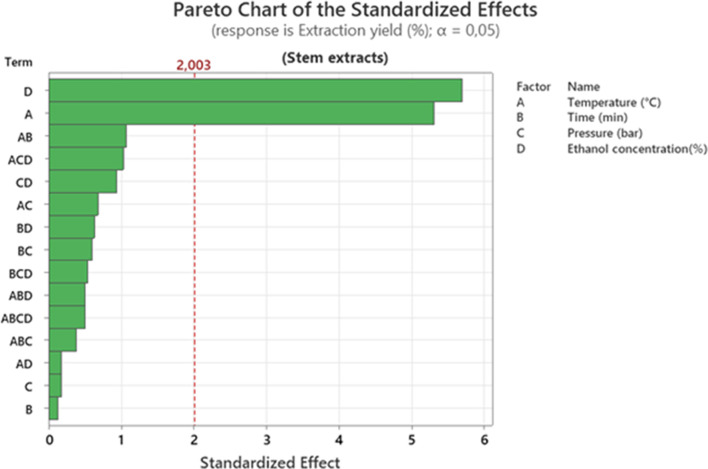 Figure 1
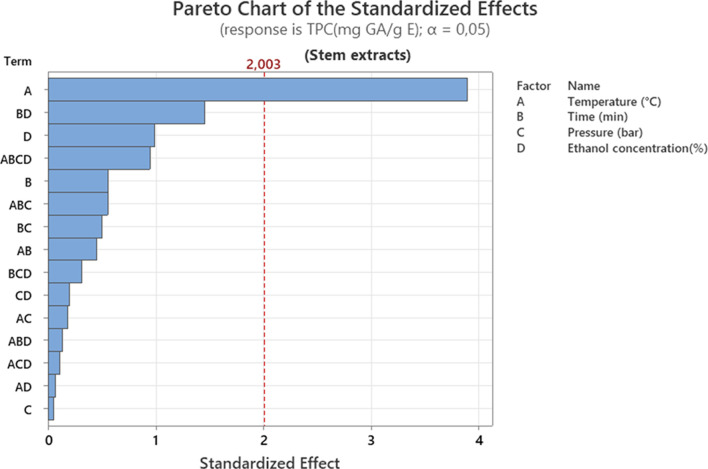 Figure 2
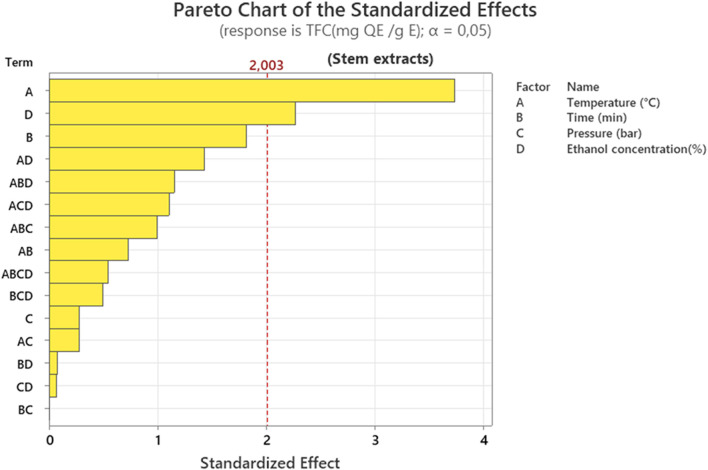 Figure 3
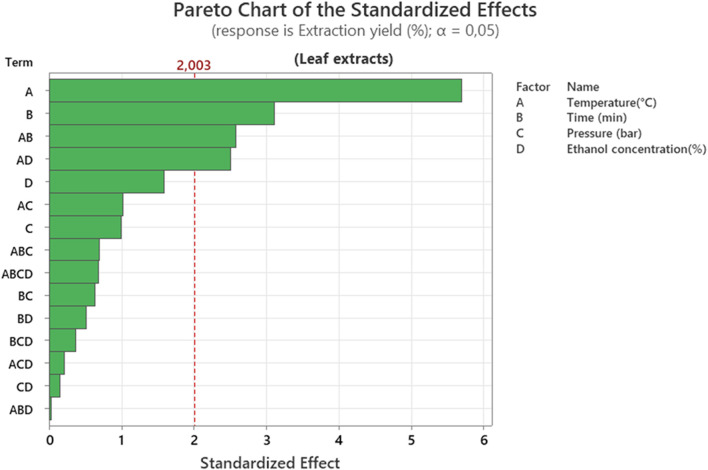 Figure 4
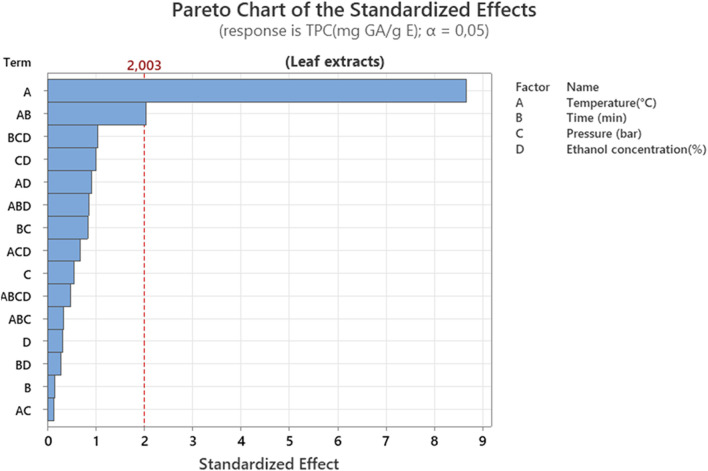 Figure 5
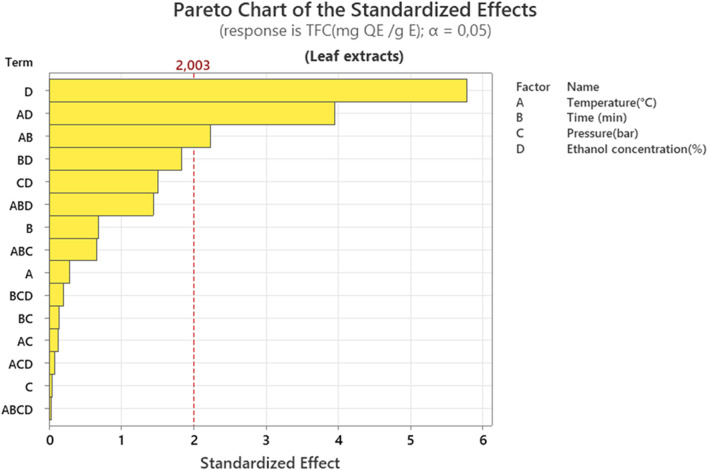 Figure 6
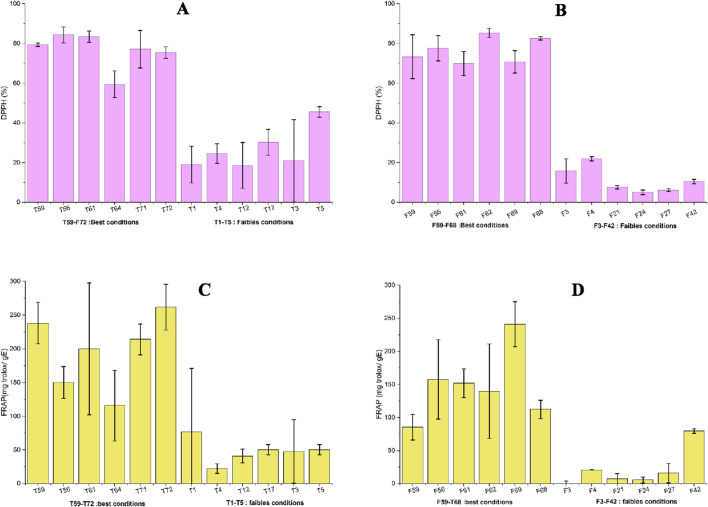 Figure 7
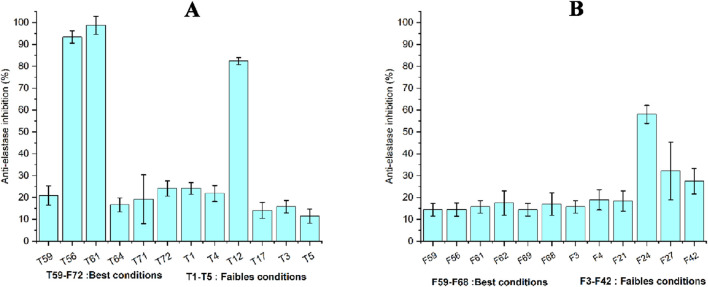 Figure 8
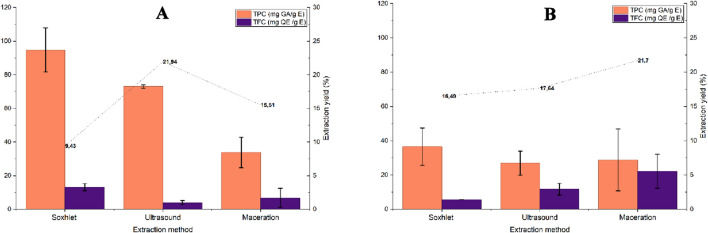 Figure 9
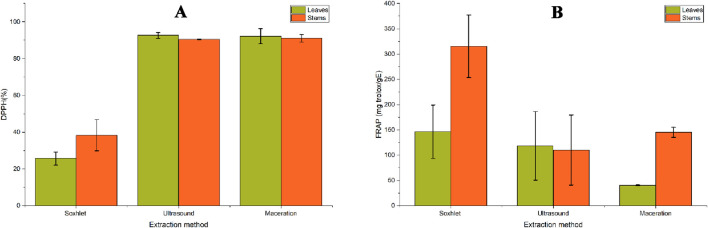 Figure 10
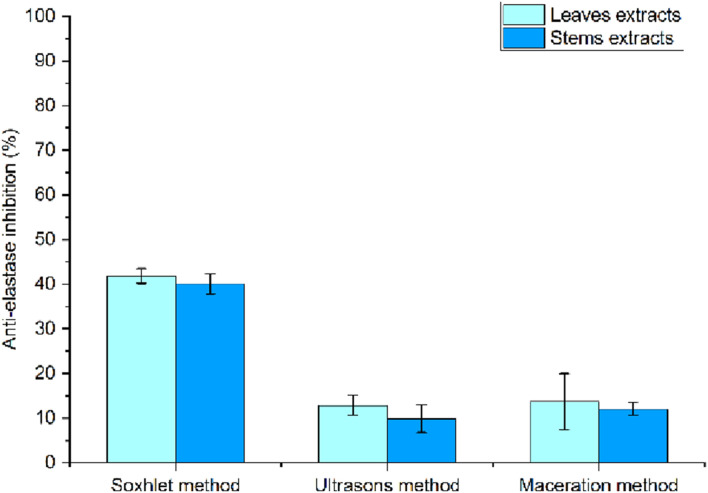 Figure 11
Peer Reviews
No public reviews on file for this paper yet. If you reviewed it on a platform where reviews are public (OpenReview, ICLR, NeurIPS, ICML), you can paste yours below so the community can read it here.
Videos
No videos yet. Explain this paper in a talk, walkthrough, or lecture? Add one.
Taxonomy
TopicsPhytochemicals and Antioxidant Activities · Microbial Inactivation Methods · Food Drying and Modeling