A topological data analysis method for revealing dynamic changes in psychotherapy microprocesses
Xiaochen Luo, Mengsen Zhang

TL;DR
This paper introduces a new method to study how psychotherapy changes over time by analyzing dynamic patterns in microprocesses.
Contribution
The novel Temporal Mapper method uses topological data analysis to detect and model dynamic features in psychotherapy microprocesses.
Findings
Therapist warmth stabilizes interpersonal states within and between sessions.
Confrontation ruptures stabilize states within sessions but cause instability across sessions.
Temporal Mapper reveals fine-grained dynamic patterns in psychotherapy data.
Abstract
Understanding moment-to-moment therapeutic change is critical for advancing psychological interventions, yet existing tools rarely capture these dynamics. Dynamical systems theory offers a transtheoretical framework for modeling how therapeutic microprocesses shift and stabilize, but few methods can quantitatively link features such as stable states (“attractors”) and shifts (“transitions”) with empirical data, especially for high-dimensional systems when governing equations are unknown or unresolvable. We introduce Temporal Mapper, a topological data analysis (TDA) method that detects these features and represents their organization as attractor transition networks. As a proof-of-concept, we apply Temporal Mapper to psychotherapy microprocess data examining interpersonal behaviors and alliance ruptures. Our analyses revealed that therapist warmth stabilized dyadic interpersonal states…
Click any figure to enlarge with its caption.
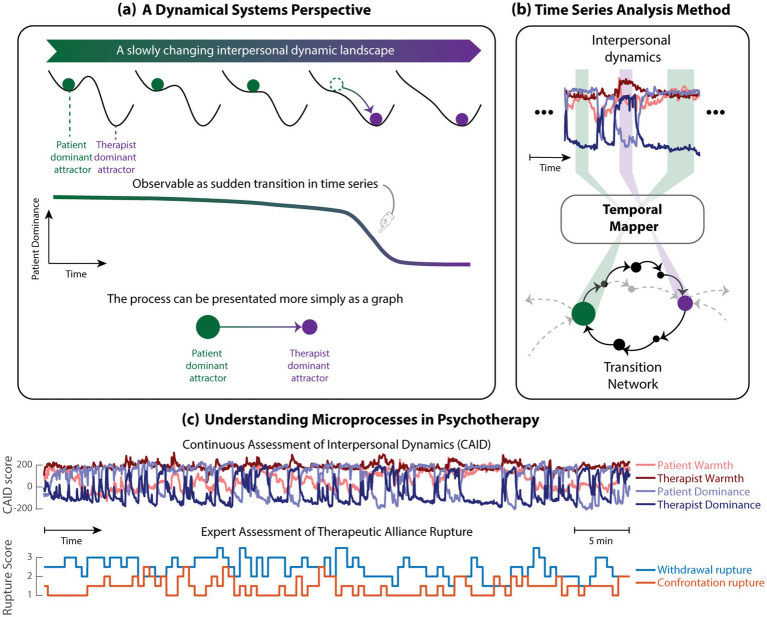 Figure 1
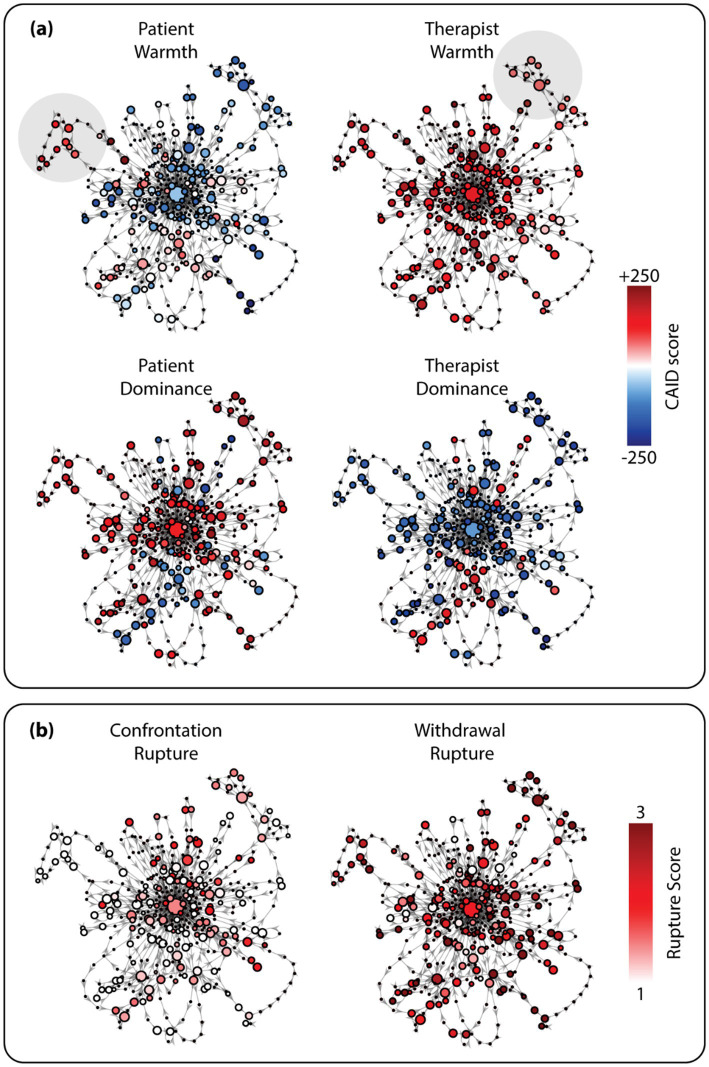 Figure 2
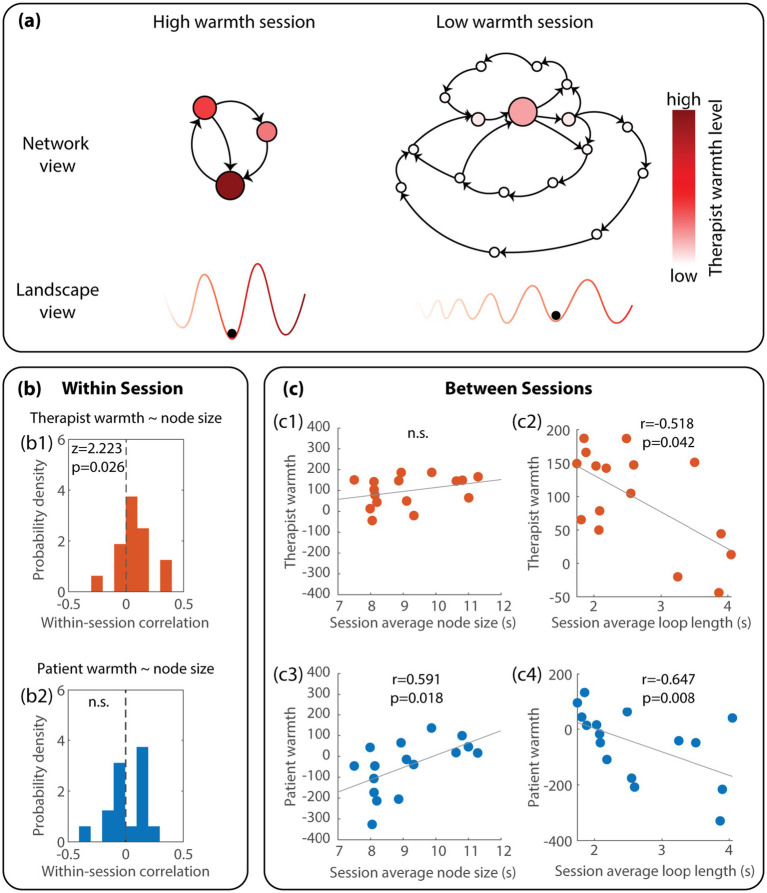 Figure 3
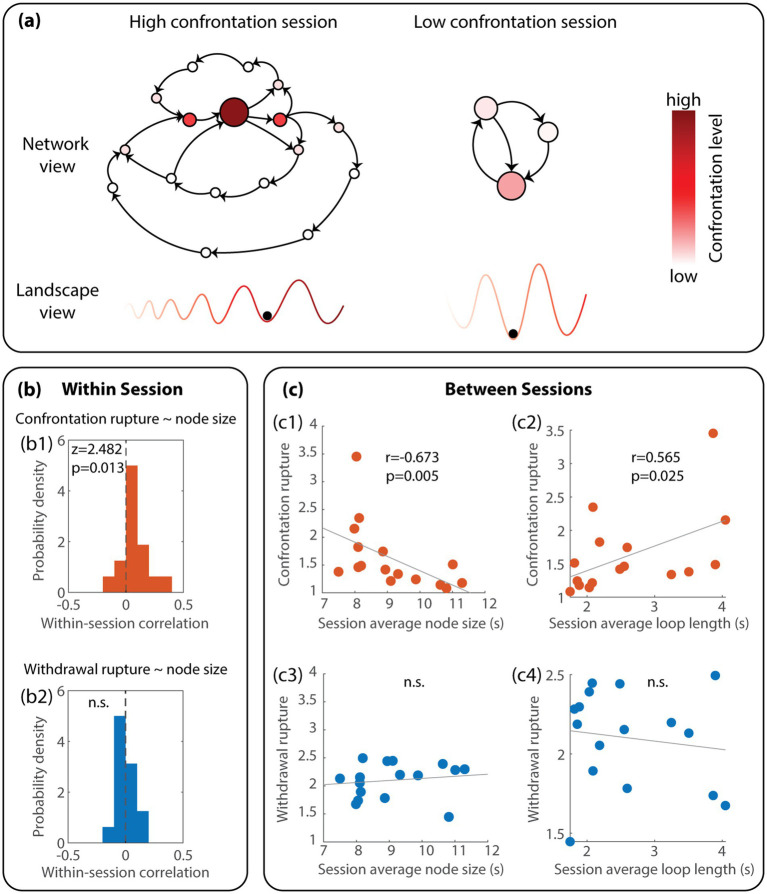 Figure 4
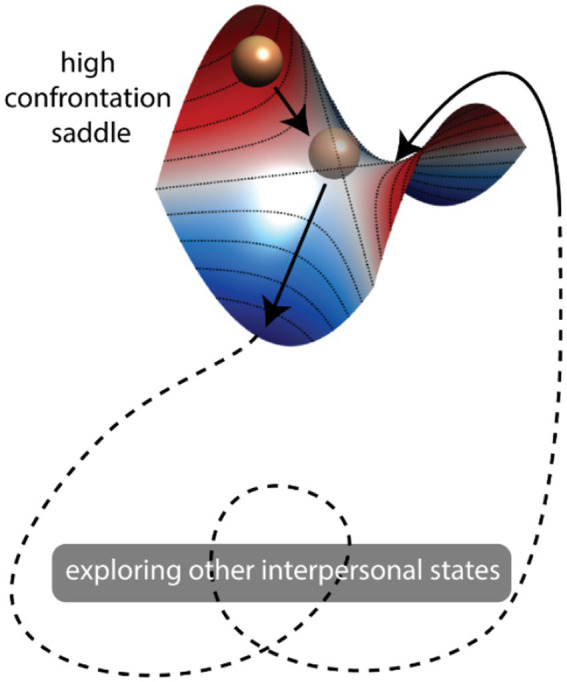 Figure 5
Peer Reviews
No public reviews on file for this paper yet. If you reviewed it on a platform where reviews are public (OpenReview, ICLR, NeurIPS, ICML), you can paste yours below so the community can read it here.
Videos
No videos yet. Explain this paper in a talk, walkthrough, or lecture? Add one.
Taxonomy
TopicsTopological and Geometric Data Analysis · Mental Health Research Topics · Functional Brain Connectivity Studies