Differences in functional traits of herbaceous plants in Sanjiang plain wetland under human disturbance gradient and their response strategies to environmental changes
Qiuyu Meng, Zihe Liu, Naixu Guo, Jiping Liu

TL;DR
This study explores how human disturbance affects plant traits in wetlands, showing that plants adapt differently depending on the level of disturbance.
Contribution
The study introduces a mechanistic framework linking human disturbance intensity to plant ecological strategies via soil property changes.
Findings
Low disturbance favors phosphorus-limited growth strategies in plants.
Moderate disturbance leads to conservative resource use and increased soil factor influence.
High disturbance selects for resource-acquisitive traits in fertile soils.
Abstract
Using the Honghe Nature Reserve in the Sanjiang Plain as a case study, this research tests the central hypothesis that increasing anthropogenic disturbance intensity shifts the ecological strategies of dominant plant species along a resource-conservative to acquisitive spectrum, thereby progressively enhancing the role of soil properties as proximate drivers of trait variation. This hypothesized process unfolds sequentially: under low-intensity disturbance, direct physical stress acts as the primary filter on traits; at moderate intensity, disturbance begins altering soil conditions, shifting plant adaptation toward soil resource competition and increasing the explanatory power of soil factors; under high-intensity disturbance, profoundly transformed soil environments become the dominant proximate filter, selecting strongly for resource-acquisitive traits. We examined this framework by…
Genes, proteins, chemicals, diseases, species, mutations and cell lines named across the full text — each resolved to its canonical identifier and authoritative record.
Click any figure to enlarge with its caption.
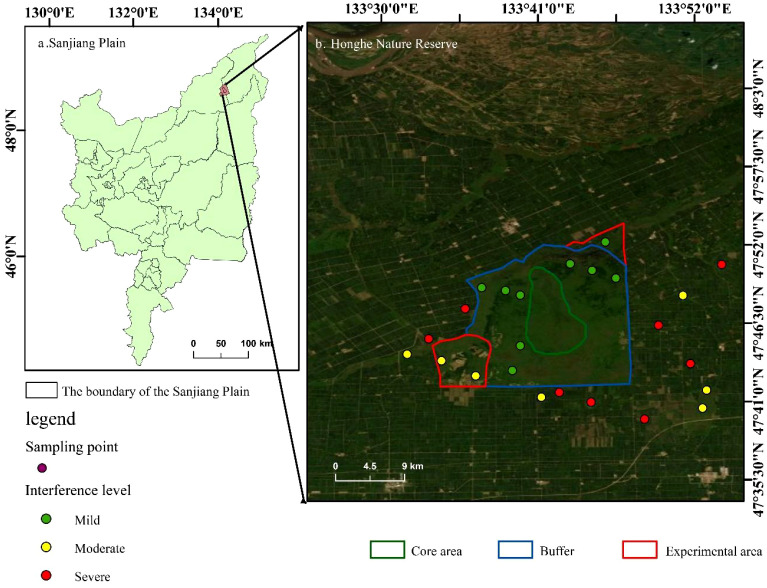 Figure 1
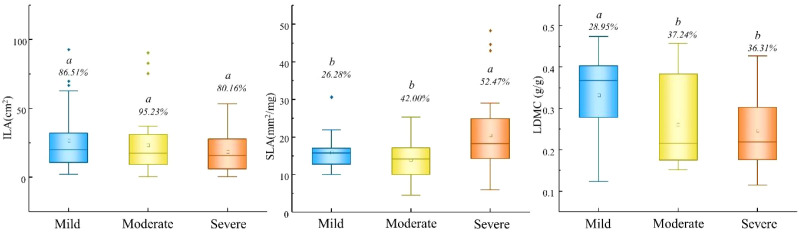 Figure 2
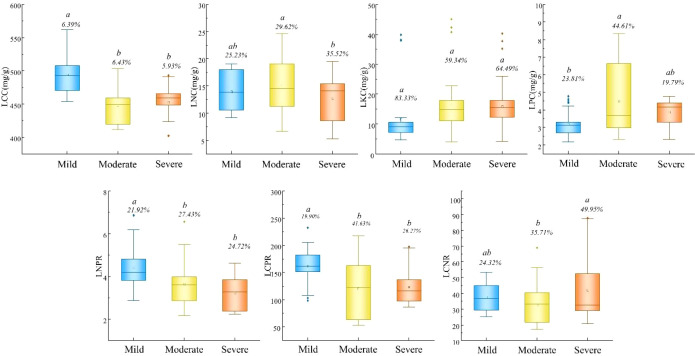 Figure 3
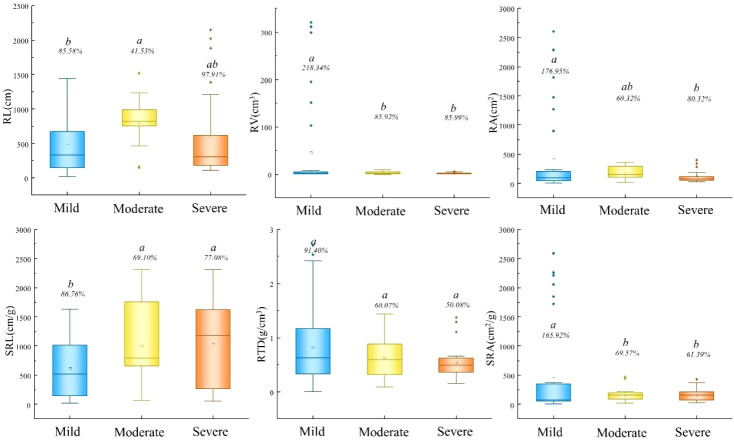 Figure 4
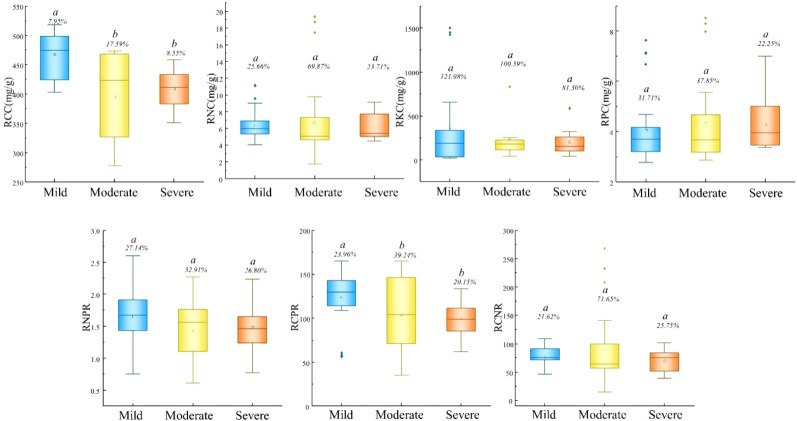 Figure 5
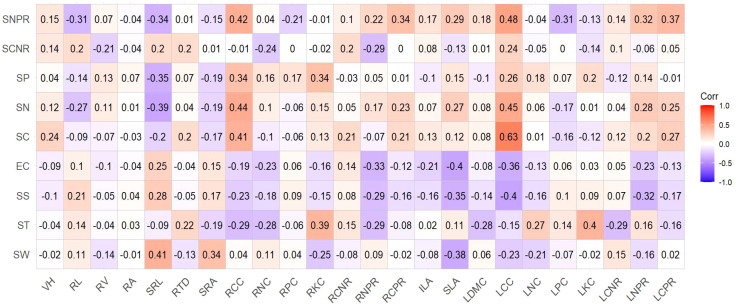 Figure 6
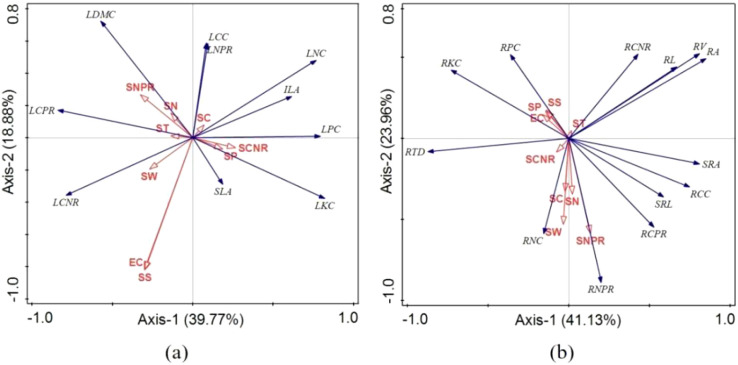 Figure 7
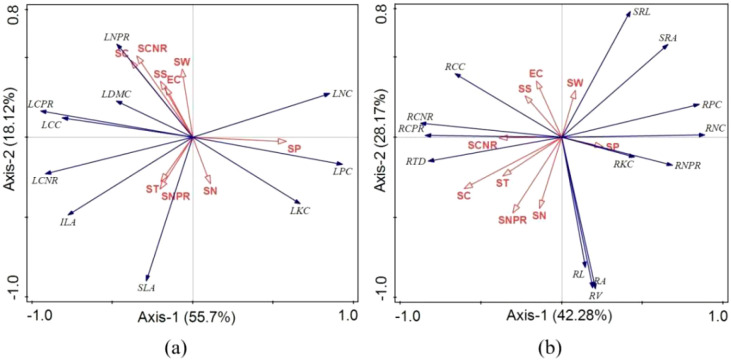 Figure 8
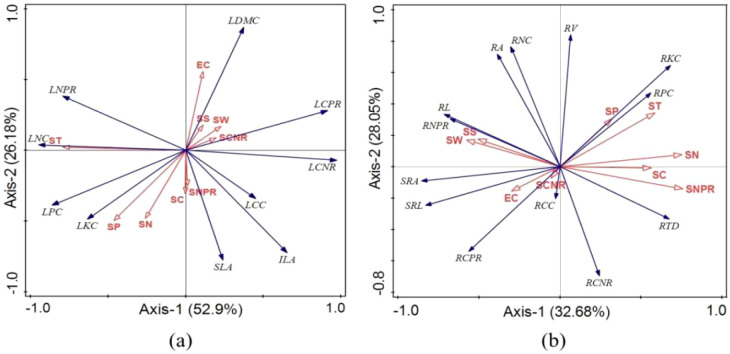 Figure 9
Peer Reviews
No public reviews on file for this paper yet. If you reviewed it on a platform where reviews are public (OpenReview, ICLR, NeurIPS, ICML), you can paste yours below so the community can read it here.
Videos
No videos yet. Explain this paper in a talk, walkthrough, or lecture? Add one.
Taxonomy
TopicsForest, Soil, and Plant Ecology in China · Ecosystem dynamics and resilience · Ecology and Vegetation Dynamics Studies