Comparative analysis of morphological traits and photosynthetic parameters as well as carbon accumulation characteristics of six typical shrub species in the Qilian Mountains
Rong Zhou, Na Wei, Yaoyao Shangguan, Hu Zhao, Bin Chen, Yin Miao, Hongmei Liu, Xiaobin Xie, Gang Chen, Jingzhong Zhao, Dong Lv

TL;DR
This study compares six shrub species in the Qilian Mountains to understand how their shape, photosynthesis, and carbon storage differ, helping guide ecological restoration in arid regions.
Contribution
The study introduces a framework linking shrub morphology, photosynthesis, and carbon accumulation to reveal scale-decoupling and inform ecological restoration strategies.
Findings
C. arborescens had the tallest height and highest whole-plant carbon storage, but not the highest leaf-level assimilation efficiency.
L. rupicola showed high leaf-level carbon assimilation but moderate whole-plant storage.
Six shrubs were classified into three strategic types based on biomass allocation and carbon storage patterns.
Abstract
Shrubs are key components of arid ecosystems, and their functional traits directly influence ecological adaptability and productivity. Current research pays insufficient attention to the synergistic relationship between the overall morphological structure and leaf physiological functions of shrubs. This study focused on six typical shrub species in the arid zone of the Qilian Mountains, aiming to analyze interspecific differences in functional strategies from a “morphology–photosynthesis” synergy perspective. We selected six typical shrub species (e.g., Cotoneaster multiflorus, Prunus pedunculata, Caragana arborescens, and Lonicera rupicola) and comprehensively measured their morphological traits (plant height, basal diameter, root length, biomass allocation, etc.) and photosynthetic physiological parameters (net photosynthetic rate, transpiration rate, stomatal conductance, etc.).…
Genes, proteins, chemicals, diseases, species, mutations and cell lines named across the full text — each resolved to its canonical identifier and authoritative record.
Click any figure to enlarge with its caption.
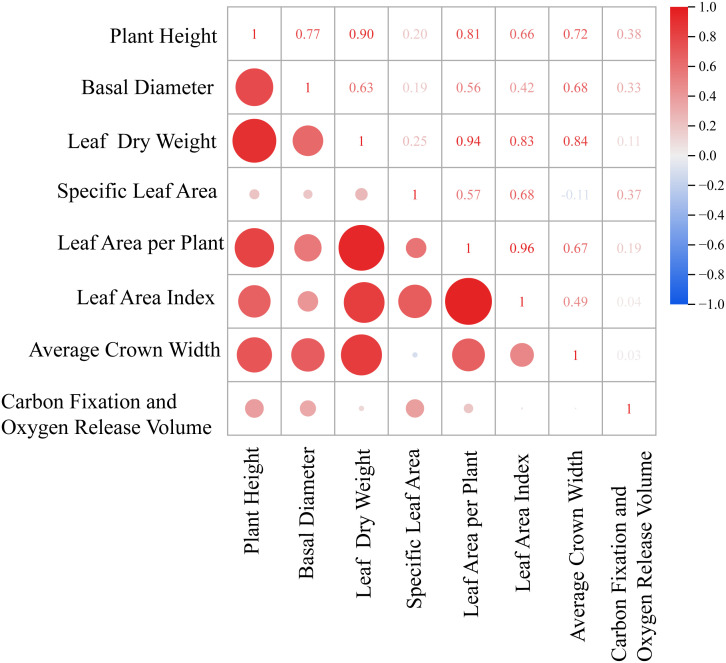 Figure 1
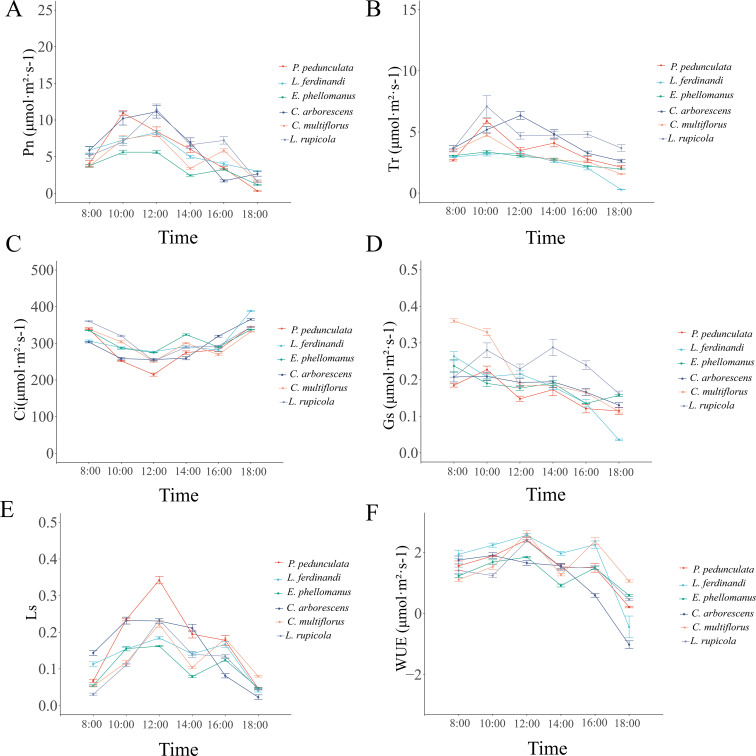 Figure 2
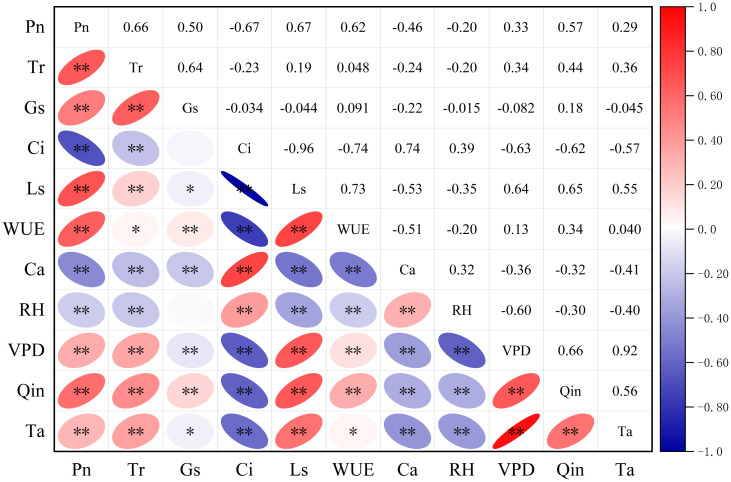 Figure 3
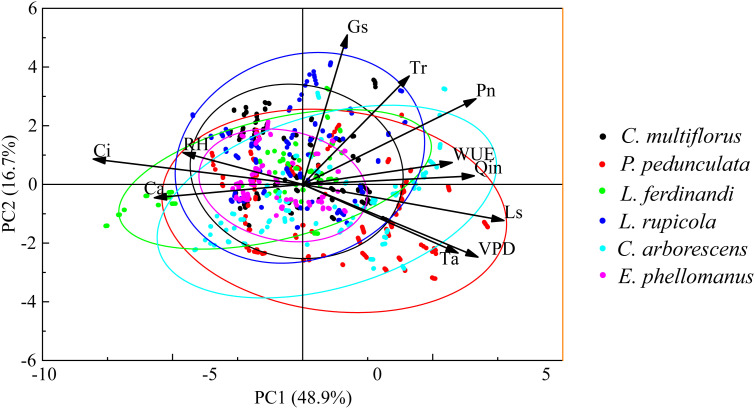 Figure 4
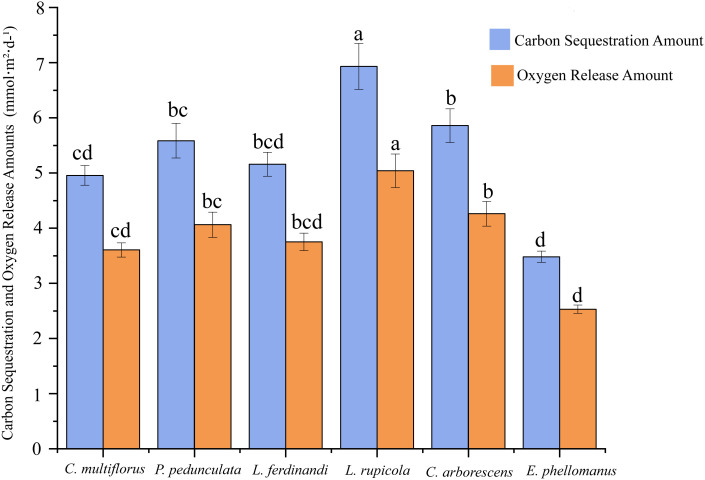 Figure 5
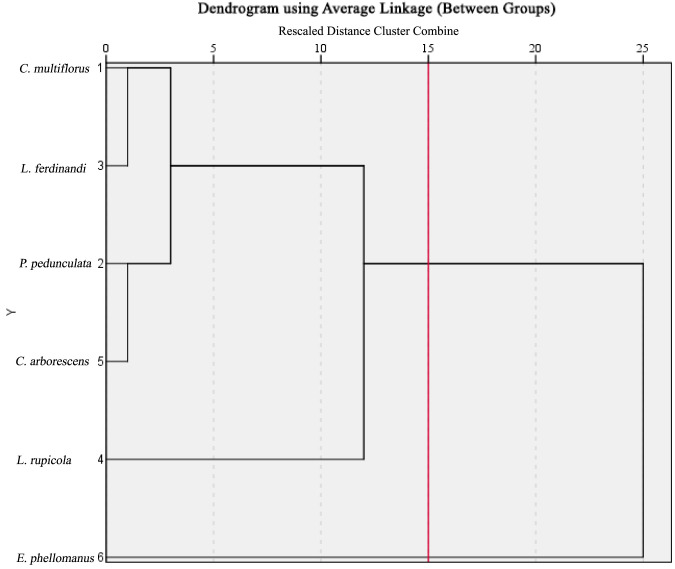 Figure 6
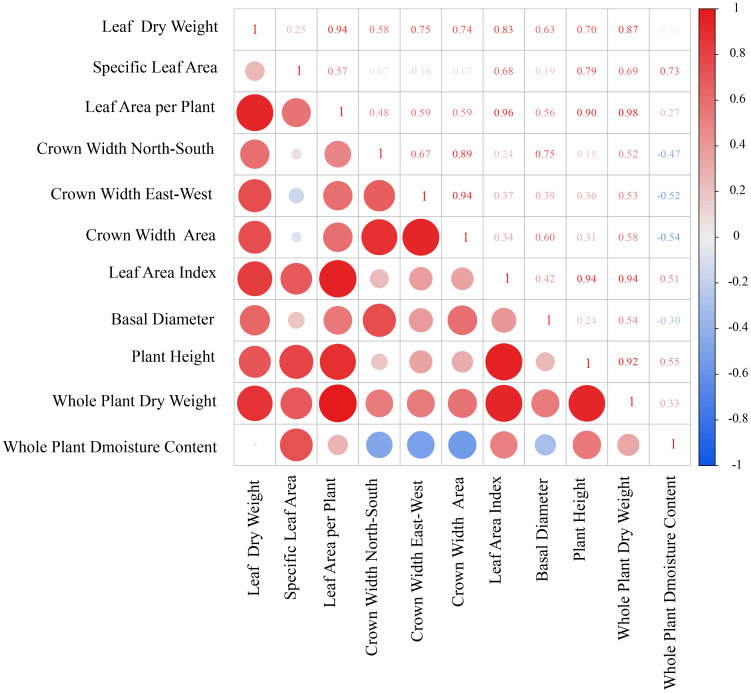 Figure 7
Peer Reviews
No public reviews on file for this paper yet. If you reviewed it on a platform where reviews are public (OpenReview, ICLR, NeurIPS, ICML), you can paste yours below so the community can read it here.
Videos
No videos yet. Explain this paper in a talk, walkthrough, or lecture? Add one.
Taxonomy
TopicsPlant Water Relations and Carbon Dynamics · Plant responses to water stress · Forest, Soil, and Plant Ecology in China