Immortalising cadaveric brain dissection using application photogrammetry
Dearbhla P. Cullinane, Basil Lim, Denis S. Barry

TL;DR
This paper introduces a smartphone-based method to create detailed 3D models of brain dissections, improving neuroanatomy education.
Contribution
A novel, low-cost photogrammetry approach using smartphone apps to create high-fidelity 3D brain dissection models.
Findings
3D models created with a smartphone app showed exceptional visual and structural fidelity.
The method provides accessible and transferrable resources for neuroanatomy education.
Abstract
Cortical and deep brain topography are core components of undergraduate neuroanatomy teaching and neurosurgical training. Due to the technical challenges associated with dissecting and maintaining preserved brains, deep white matter preparations are often omitted from anatomy curricula. This reduced opportunity for tactile neuroanatomical exploration contributes to surface-level approaches to learning and is associated with poorer student outcomes including neurophobia. Photogrammetric technologies present a potential solution by offering alternate modes to learn neuroanatomy. However, these technologies often require advanced scanning and specialised resources. In this study, we present a novel approach using the Klingler dissection method to perform white matter dissections of a formalin-preserved cadaveric brain and create high-fidelity 3D models at each dissection step using a…
Genes, proteins, chemicals, diseases, species, mutations and cell lines named across the full text — each resolved to its canonical identifier and authoritative record.
Click any figure to enlarge with its caption.
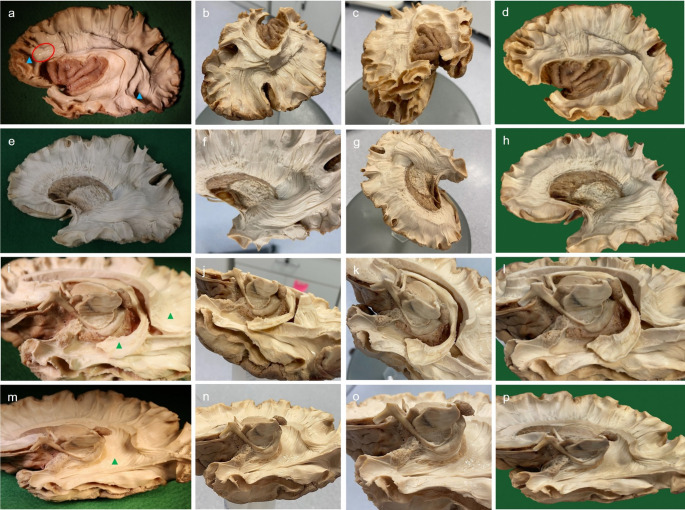 Figure 10
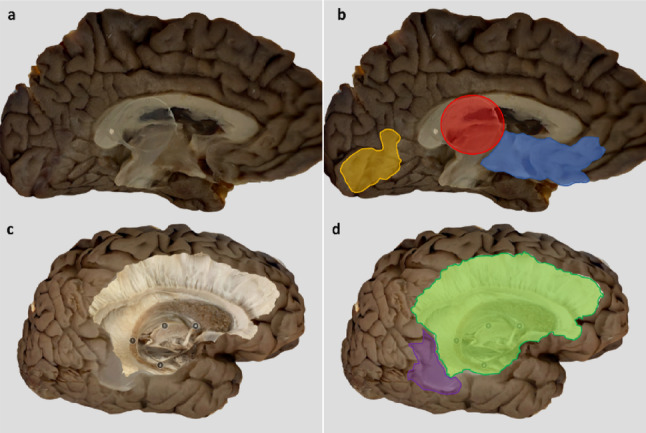 Figure 11
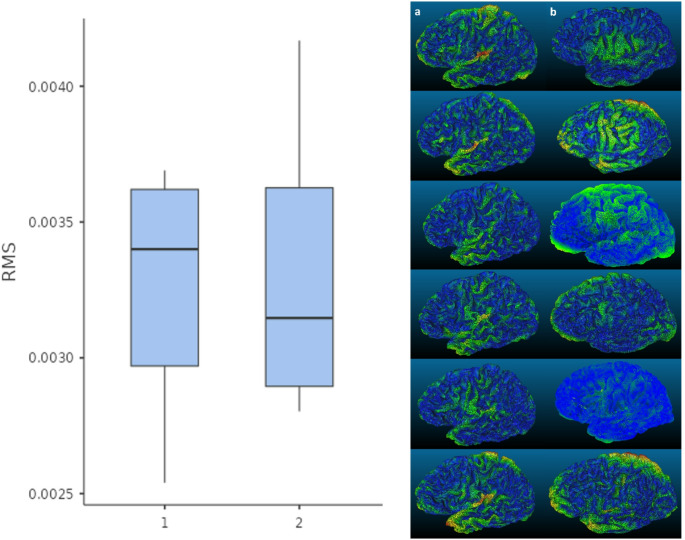 Figure 12
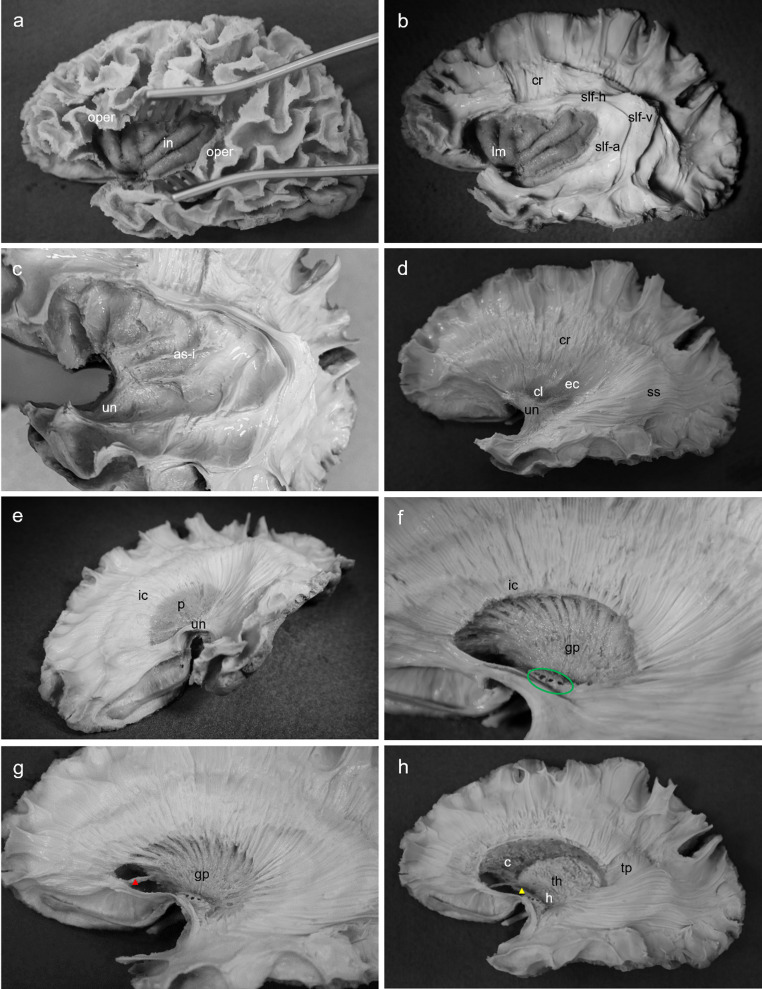 Figure 1
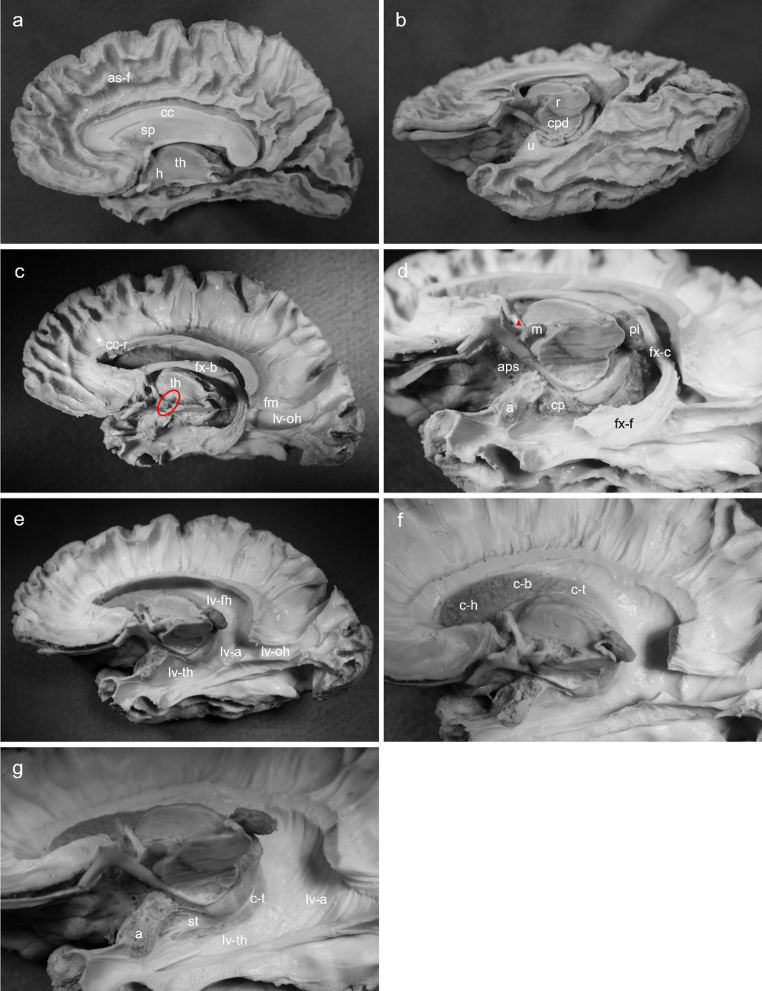 Figure 2
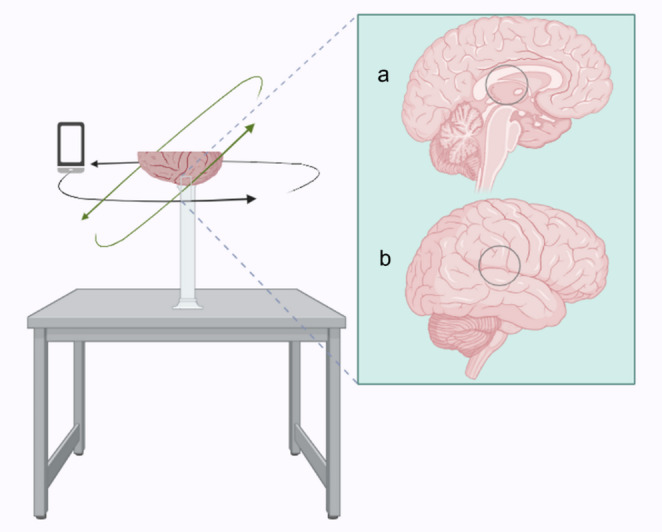 Figure 8
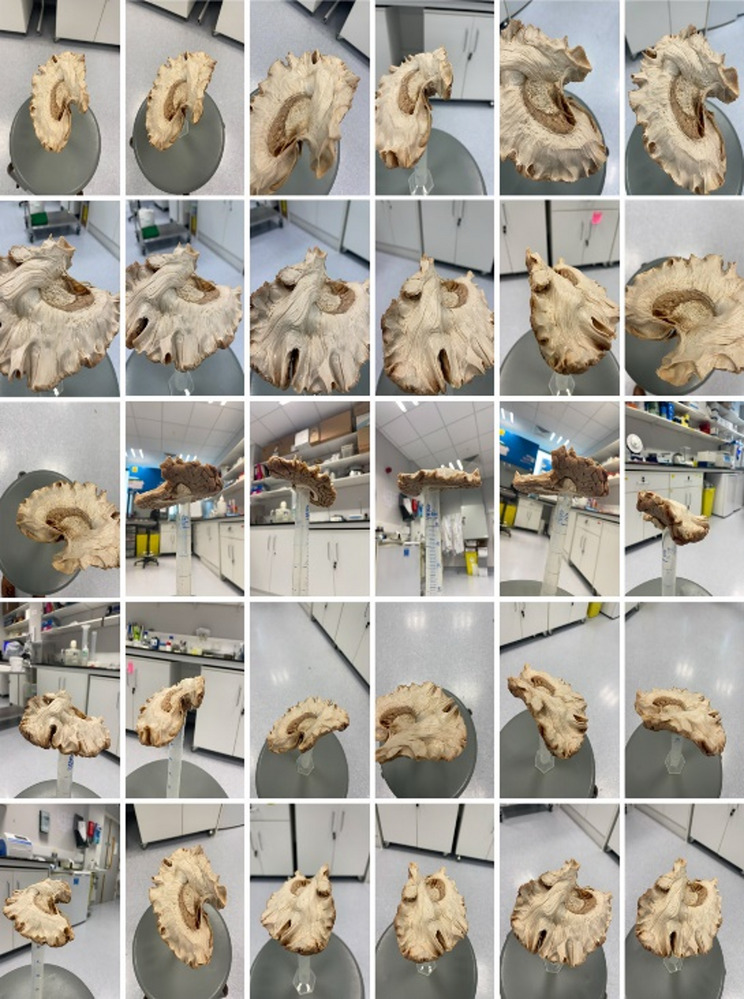 Figure 9
Peer Reviews
No public reviews on file for this paper yet. If you reviewed it on a platform where reviews are public (OpenReview, ICLR, NeurIPS, ICML), you can paste yours below so the community can read it here.
Videos
No videos yet. Explain this paper in a talk, walkthrough, or lecture? Add one.
Taxonomy
TopicsAnatomy and Medical Technology · Surgical Simulation and Training · Augmented Reality Applications