Resolving Heterogeneity in the Diagnosis of Alzheimer’s Disease and its Progression Using Multimodal Data
Fuyan Hu, Nelson L. S. Tang, Haiying Wang, Huiru Zheng

TL;DR
This study uses multimodal data and an unsupervised method to identify Alzheimer’s subtypes, improving early detection and understanding of disease progression.
Contribution
A novel application of similarity network fusion to integrate multimodal data and identify biologically meaningful MCI subtypes in Alzheimer’s disease.
Findings
The method achieved ~90% accuracy in diagnosing current and future Alzheimer’s cases.
Two MCI subtypes were identified and validated using longitudinal data and biomarkers.
Dysregulated pathways like GnRH, VEGF, and insulin signaling were observed between MCI subtypes.
Abstract
Alzheimer’s disease (AD) is a complex and diverse illness that makes early detection extremely difficult. Most existing research utilizes data to identify biomarkers and more homogeneous subgroups to improve the detection, prediction of progression, and prognosis of AD. However, AD still suffers from a lack of appropriate biomarkers for early symptom detection and blurred boundaries between different subgroups. Here, an unsupervised clustering method known as similarity network fusion (SNF) was employed to analyze multimodal data from 972 subjects, including 370 with cognitively normal (CN), 565 with mild cognitive impairment (MCI), and 37 patients with AD. First, we constructed a similarity network for subjects using cognitive scores, genetics, and magnetic resonance imaging (MRI) related data, respectively. Then the SNF fusion method was employed to integrate the data, and spectral…
Genes, proteins, chemicals, diseases, species, mutations and cell lines named across the full text — each resolved to its canonical identifier and authoritative record.
Click any figure to enlarge with its caption.
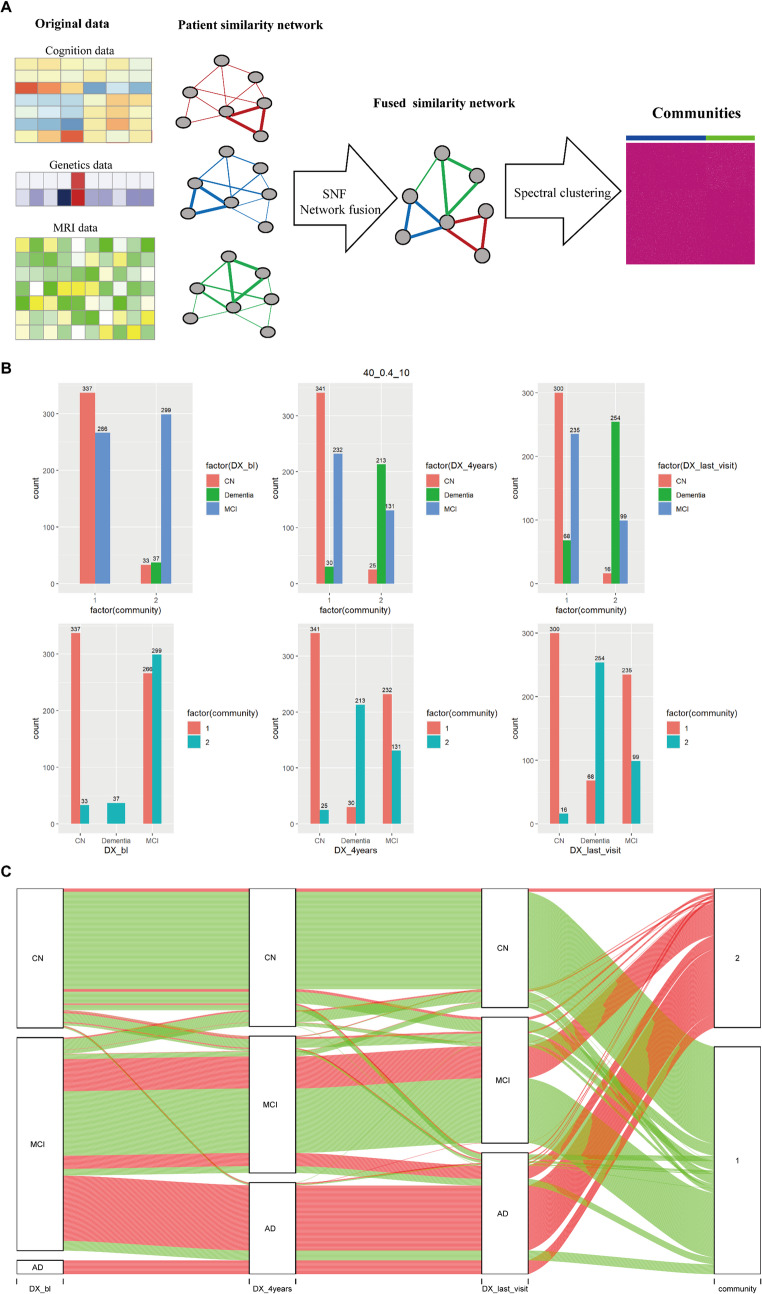 Figure 1
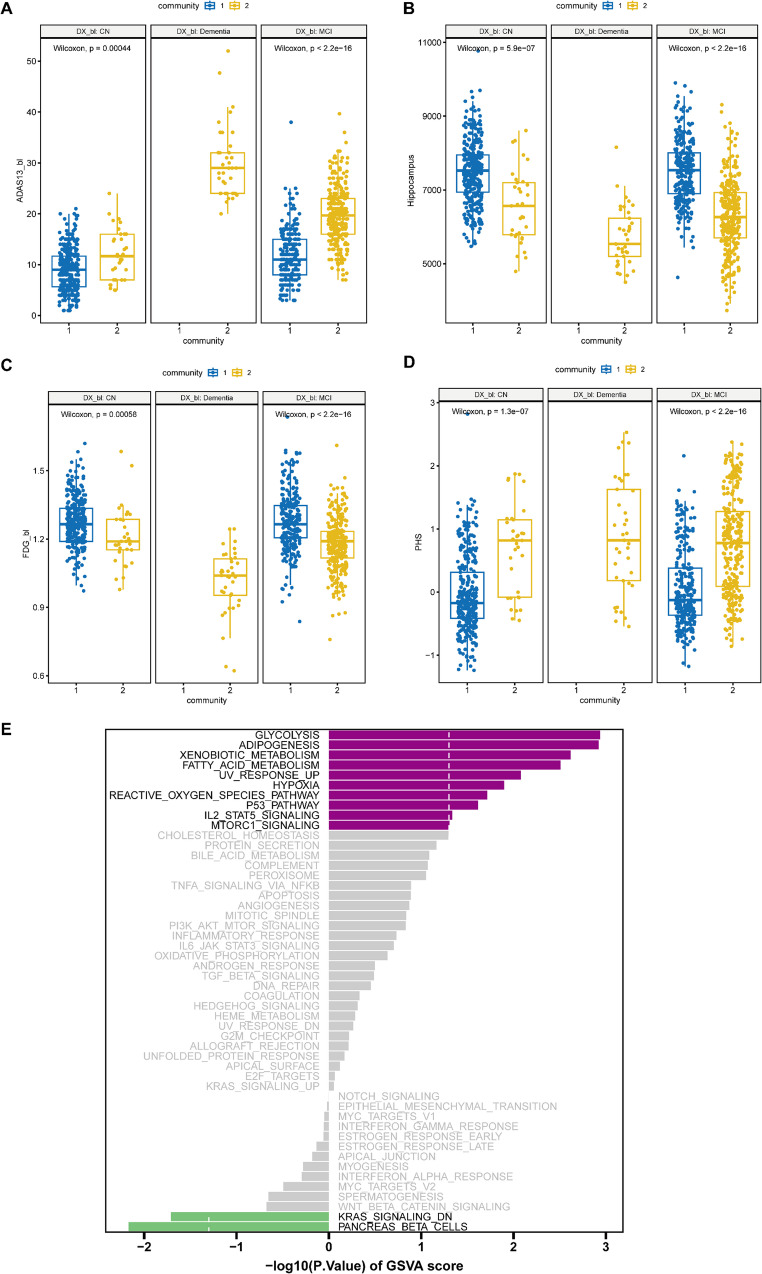 Figure 2
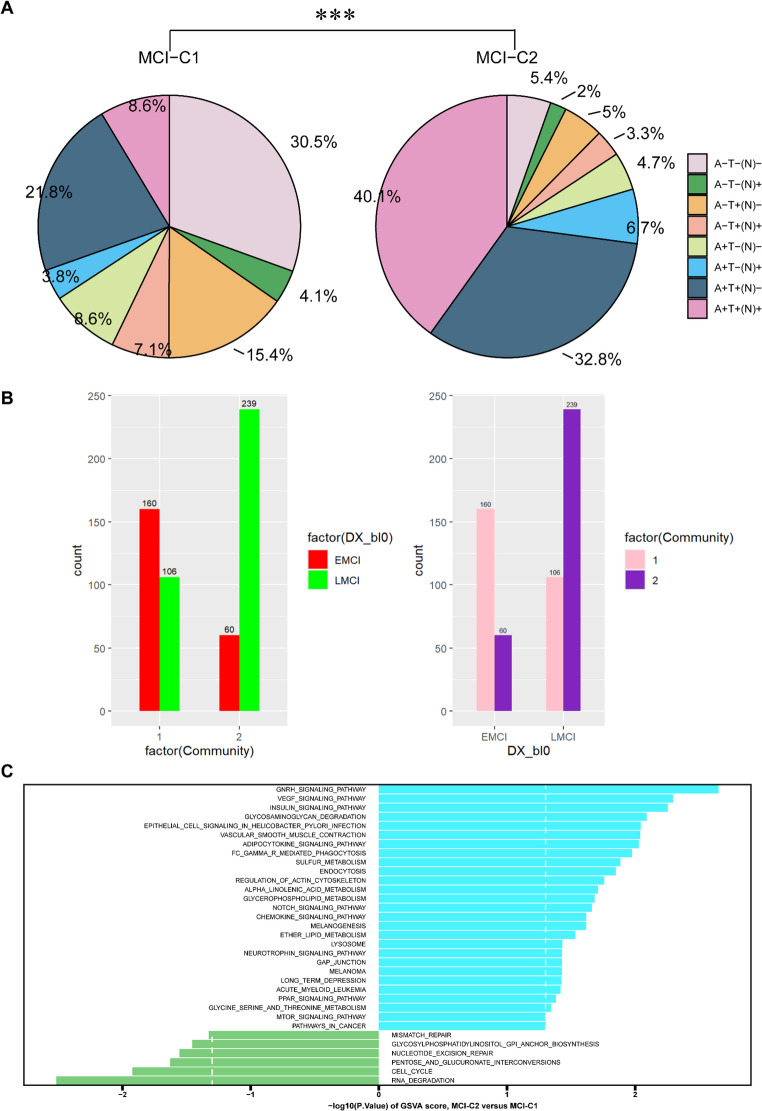 Figure 3
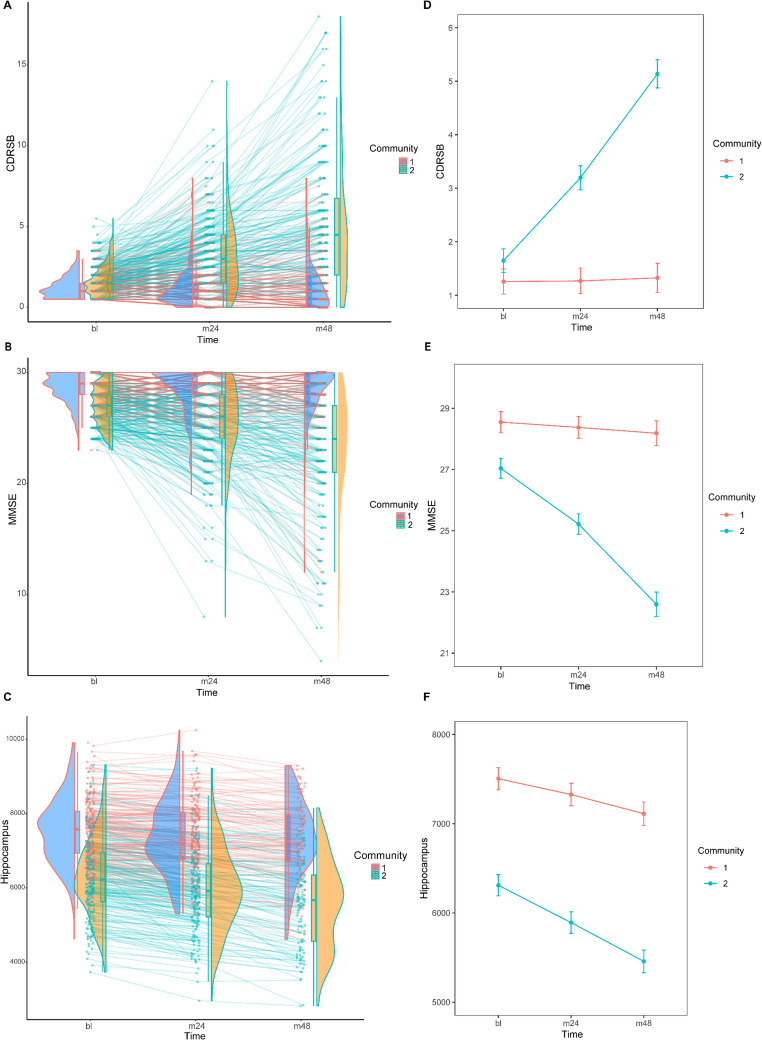 Figure 4
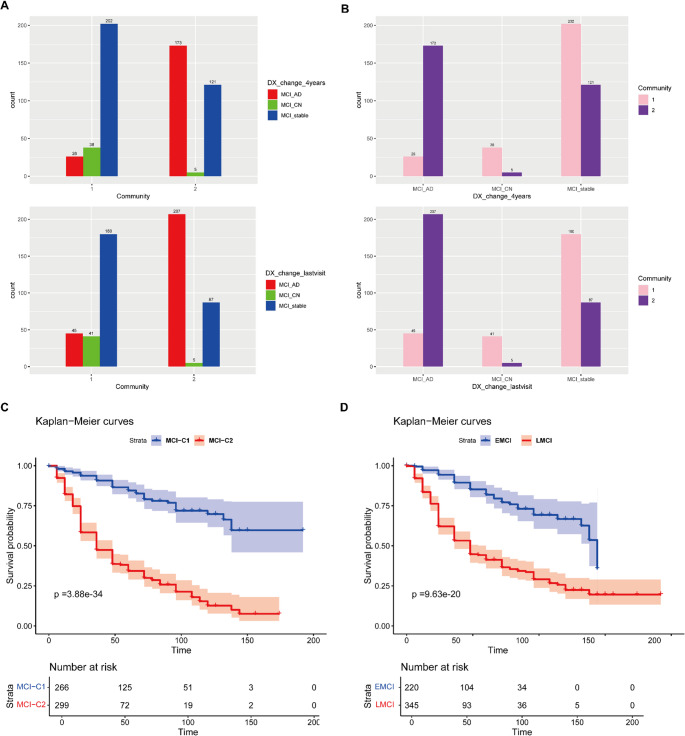 Figure 5
Peer Reviews
No public reviews on file for this paper yet. If you reviewed it on a platform where reviews are public (OpenReview, ICLR, NeurIPS, ICML), you can paste yours below so the community can read it here.
Videos
No videos yet. Explain this paper in a talk, walkthrough, or lecture? Add one.
Taxonomy
TopicsDementia and Cognitive Impairment Research · Alzheimer's disease research and treatments · Machine Learning in Healthcare