A pilot comparative study of intraoperative results and surgical outcomes between asleep-awake-asleep and general anesthesia modalities in temporal lobe resections
Daniel San-Juan, Roberto Diaz-Peregrino, Alfonso Arellano-Reynoso, Mario Alonso-Vanegas, Alma Edith Gress-Mendoza, Javier Nieto-Rizo, Erika Aguilar-Castañeda, Miguel Angel Morales-Morales, David Omar López-Hernández, Evelin Zulema Camacho-Castillo

TL;DR
This study compares two anesthesia methods during brain surgery for epilepsy and finds similar outcomes in terms of safety and effectiveness.
Contribution
The study provides a pilot comparison of surgical outcomes between general and asleep-awake-asleep anesthesia in temporal lobe epilepsy surgery.
Findings
No significant differences in hemodynamic parameters, bleeding, or complications between the two anesthesia groups.
Surgery duration was longer in the asleep-awake-asleep group, but postoperative outcomes were comparable.
Both groups showed minimal neurological deficits and similar seizure outcomes based on the ILAE classification.
Abstract
To compare intraoperative findings and surgical outcomes in temporal lobe resections in patients with mesial temporal sclerosis in the language dominant hemisphere performed under general (GA) versus asleep-awake-asleep (AAA) anesthesia modalities. Single-center retrospective case-control study involving 31 adults who had clinical/imaging/neurophysiology concordant evidence of mesial temporal lobe epilepsy in the language dominant hemisphere submitted to temporal lobe epilepsy surgery. GA was used in 20 patients and AAA in 11 patients. Presurgical characteristics of the patients, intraoperative hemodynamic and physiological findings or complications and postoperative outcomes including ILAE scale scores at least 1 year of follow-up were analyzed using descriptive statistics and independent t-tests, Fisher’s exact test, and χ² tests to identify differences between the groups. During the…
Genes, proteins, chemicals, diseases, species, mutations and cell lines named across the full text — each resolved to its canonical identifier and authoritative record.
Click any figure to enlarge with its caption.
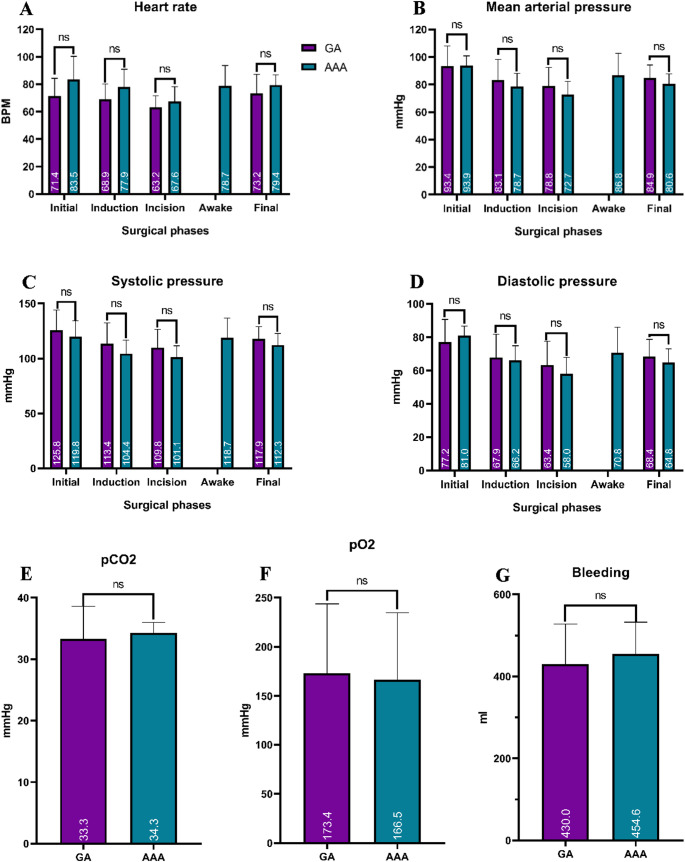 Figure 1
Peer Reviews
No public reviews on file for this paper yet. If you reviewed it on a platform where reviews are public (OpenReview, ICLR, NeurIPS, ICML), you can paste yours below so the community can read it here.
Videos
No videos yet. Explain this paper in a talk, walkthrough, or lecture? Add one.
Taxonomy
TopicsEpilepsy research and treatment · Trigeminal Neuralgia and Treatments · Cerebrospinal fluid and hydrocephalus