Differential downstream signaling in microglia lacking Alzheimer’s-related TREM2 or its adaptor TYROBP/DAP12
Gabriela E. Farias Quipildor, Ramona Belfiore, Khaled Althobaiti, Zahra Najarzadeh, Charles Glabe, Benjamin P. Readhead, Sam Gandy, Stephen R. J. Salton, Michelle E. Ehrlich

TL;DR
This study explores how the absence of TREM2 or TYROBP in microglia affects their signaling and behavior in Alzheimer's disease-related conditions.
Contribution
The study reveals novel insights into the downstream signaling roles of TREM2 and TYROBP in microglial activation and morphology.
Findings
Microglia lacking TREM2 or TYROBP show increased phosphorylated ERK levels and altered morphology.
TREM2 or TYROBP deficiency leads to differential gene and protein expression in response to Alzheimer's stimuli.
TREM2 and TYROBP are crucial for microglial homeostasis and activation in disease contexts.
Abstract
Microglia, the primary immune cell in the brain, have multiple activation phenotypes involved in broad functions within the brain, playing roles in neurotoxicity/neuroprotection, release of inflammatory and anti-inflammatory cytokines, and in cell survival, proliferation, and phagocytosis. TREM2 and TYROBP form a transmembrane complex in microglia that modulates intracellular signaling networks, and these proteins are essential regulators of the transition from homeostatic to activated microglia. Recent findings support a TREM2-independent molecular signature that is involved in the early transition of homeostatic to disease-associated microglia (DAM), with the next sequential step of DAM activation from stage 1 to stage 2 being TREM2-dependent. However, the underlying mechanisms determining how TREM2 or TYROBP regulate these downstream phenotypes are largely unknown. We isolated…
Genes, proteins, chemicals, diseases, species, mutations and cell lines named across the full text — each resolved to its canonical identifier and authoritative record.
Click any figure to enlarge with its caption.
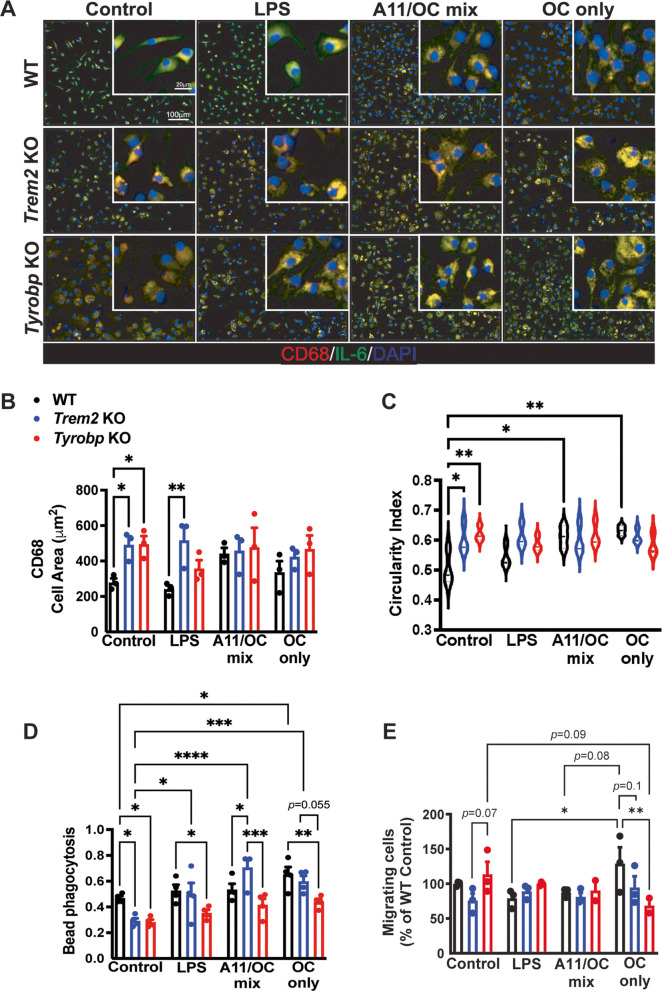 Figure 1
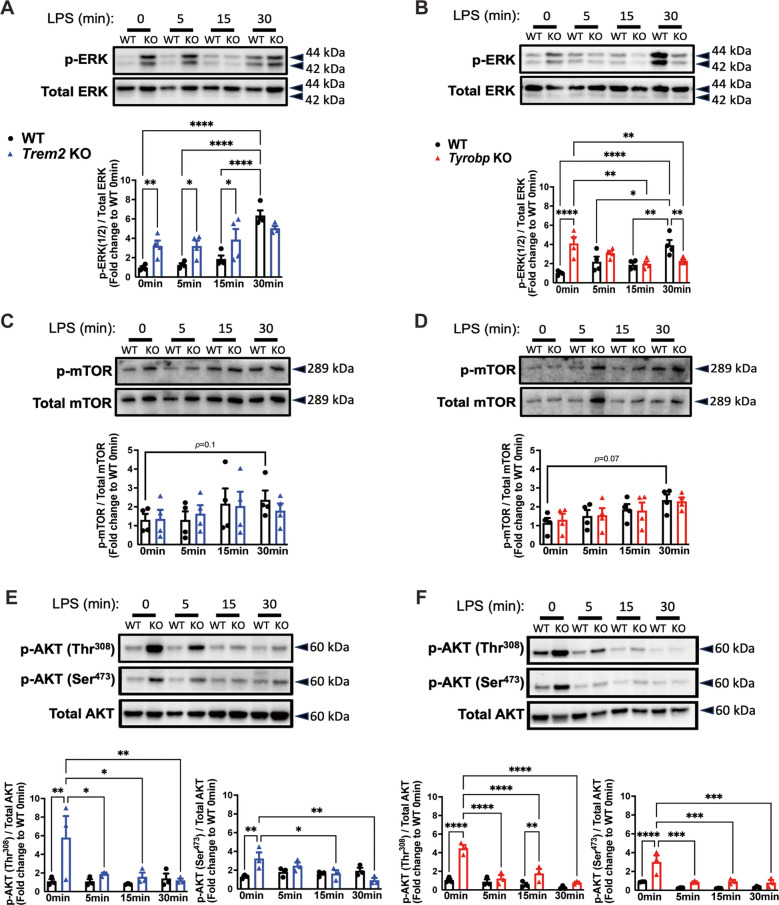 Figure 2
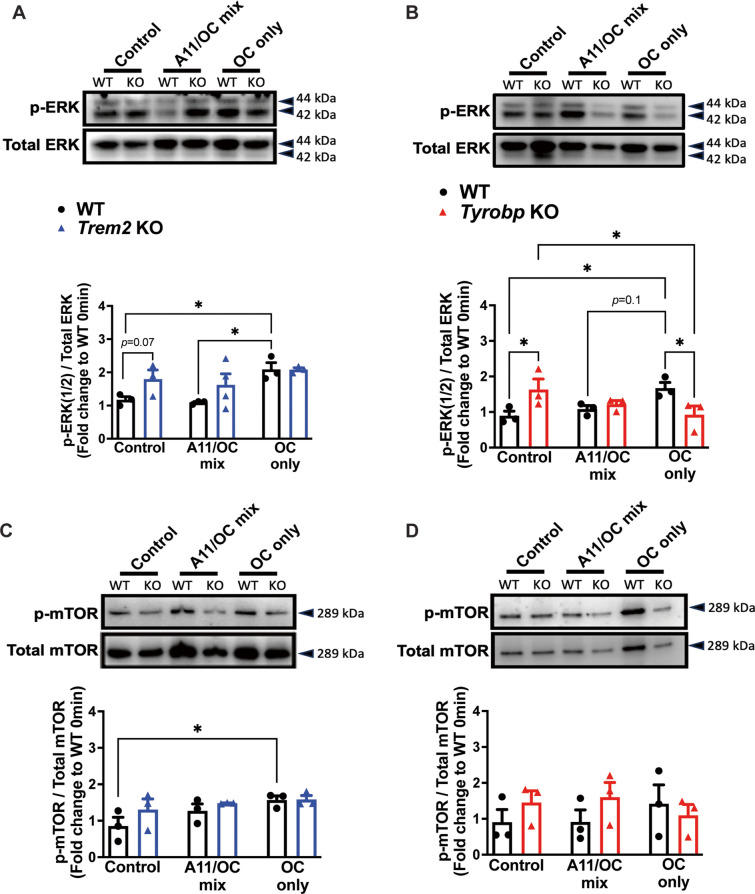 Figure 3
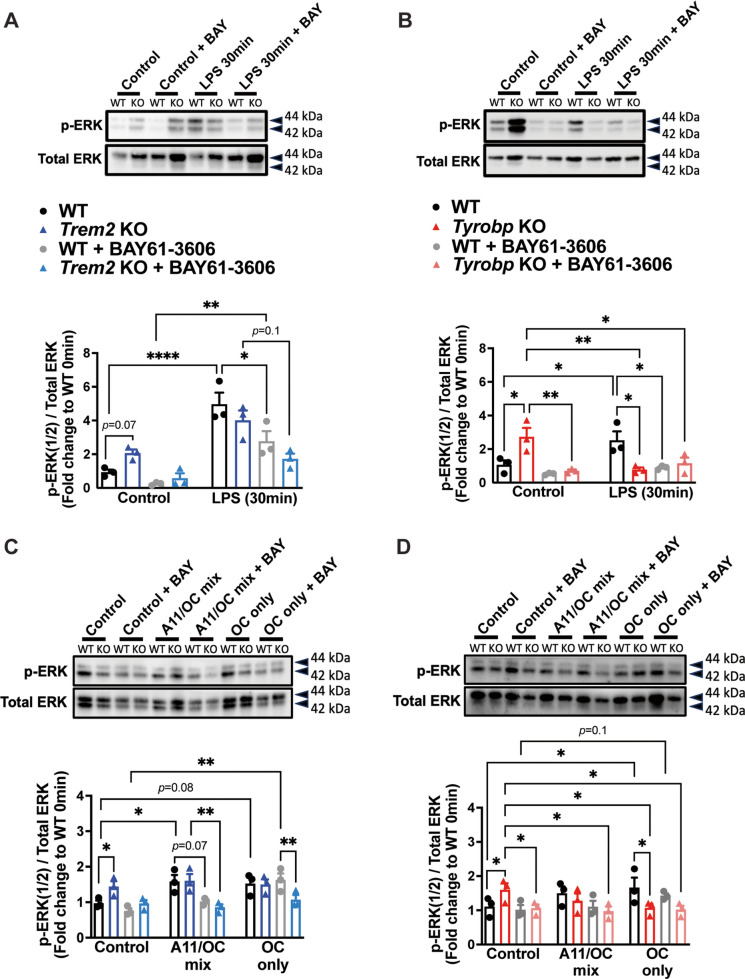 Figure 4
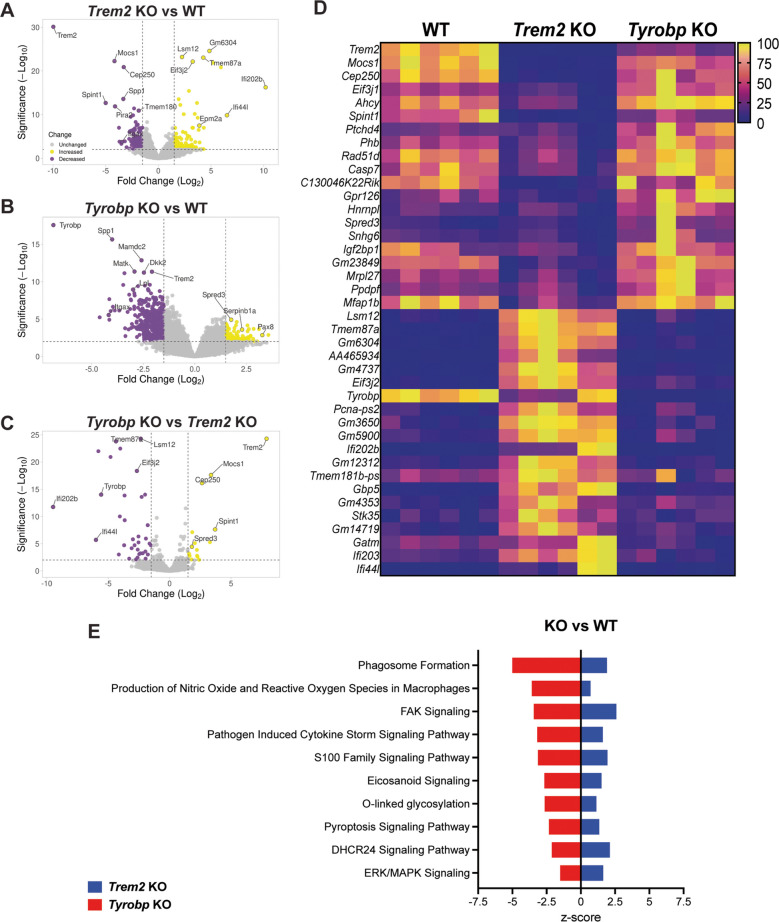 Figure 5
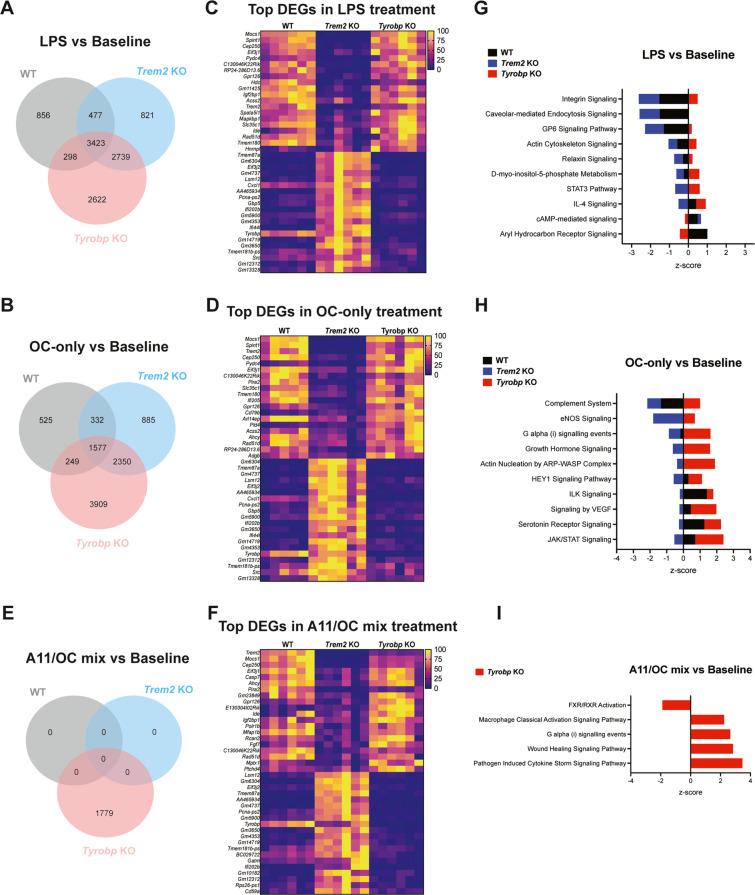 Figure 6
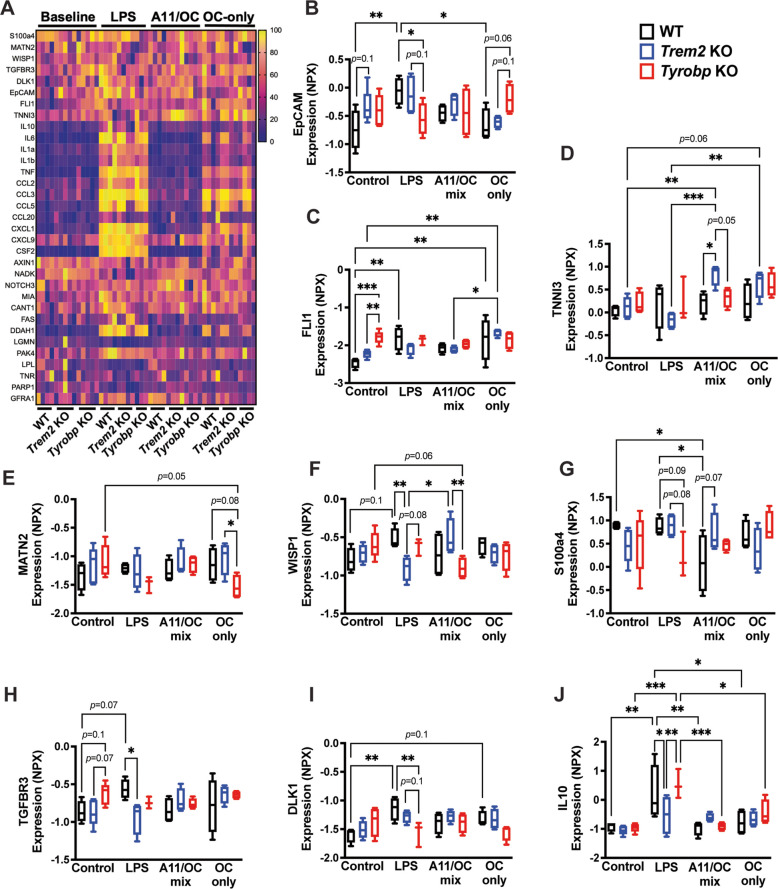 Figure 7
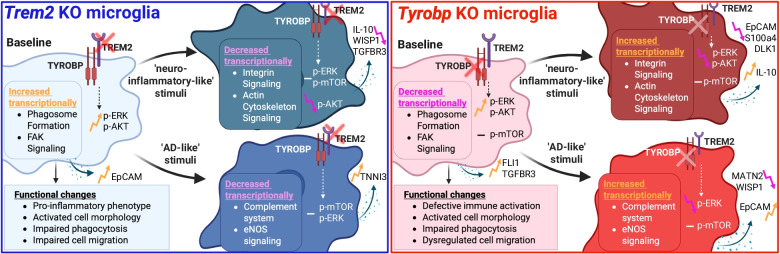 Figure 8
Peer Reviews
No public reviews on file for this paper yet. If you reviewed it on a platform where reviews are public (OpenReview, ICLR, NeurIPS, ICML), you can paste yours below so the community can read it here.
Videos
No videos yet. Explain this paper in a talk, walkthrough, or lecture? Add one.
Taxonomy
TopicsNeuroinflammation and Neurodegeneration Mechanisms · Neurological Disease Mechanisms and Treatments · Inflammation biomarkers and pathways