Adaptation to cystine limitation stress confers a targetable lipid metabolism vulnerability in pancreatic ductal adenocarcinoma
Yunzhan Li, Zekun Li, Qin Li, Dongxiao Sun, Bo Ni, Mingjun Tan, Ashley E. Shay, Min Wang, Chenyang Meng, Guangcong Shen, Boyang Fu, Yueying Shan, Shiqi Zhang, Rifah Rownak Tanshee, Tianxing Zhou, Yongjie Xie, Kun-Ming Chen, Bin Qiao, Yunkun Dang, Scot R. Kimball, Guanshi Zhang

TL;DR
Pancreatic cancer cells adapt to low cystine levels by reprogramming their metabolism, which can be targeted with lomitapide to stop tumor growth.
Contribution
The study reveals a new metabolic vulnerability in pancreatic cancer cells under cystine limitation stress and proposes lomitapide as a potential treatment.
Findings
Adaptation to cystine limitation stress promotes tumor growth via upregulation of the oxidative pentose phosphate pathway.
Lomitapide inhibits triacylglyceride synthesis and lipid reprogramming, reducing tumor growth and sensitizing to chemotherapy.
Cystine limitation stress leads to lipidomic reprogramming involving triacylglycerides and lipid droplet formation.
Abstract
Cystine/cysteine is critical for antioxidant response and sulfur metabolism in cancer cells and is one of the most depleted amino acids in the microenvironment of pancreatic ductal adenocarcinoma (PDAC). The effects of cystine limitation stress (CLS) on PDAC progression are poorly understood. Here we report that adaptation to CLS (CLSA) promotes PDAC cell proliferation and tumor growth through translational upregulation of the oxidative pentose phosphate pathway (OxPPP). OxPPP activates the de novo synthesis of nucleotides and fatty acids to support tumor growth. On the other hand, CLSA-mediated lipidomic reprogramming depends on triacylglycerides synthesis and lipid droplet formation to mitigate lipotoxicity. Through drug screening, we identify lomitapide as an inhibitor of CLSA PDAC tumor growth and a potent sensitizer of chemotherapy. Lomitapide inhibits triacylglycerides synthesis…
Genes, proteins, chemicals, diseases, species, mutations and cell lines named across the full text — each resolved to its canonical identifier and authoritative record.
Click any figure to enlarge with its caption.
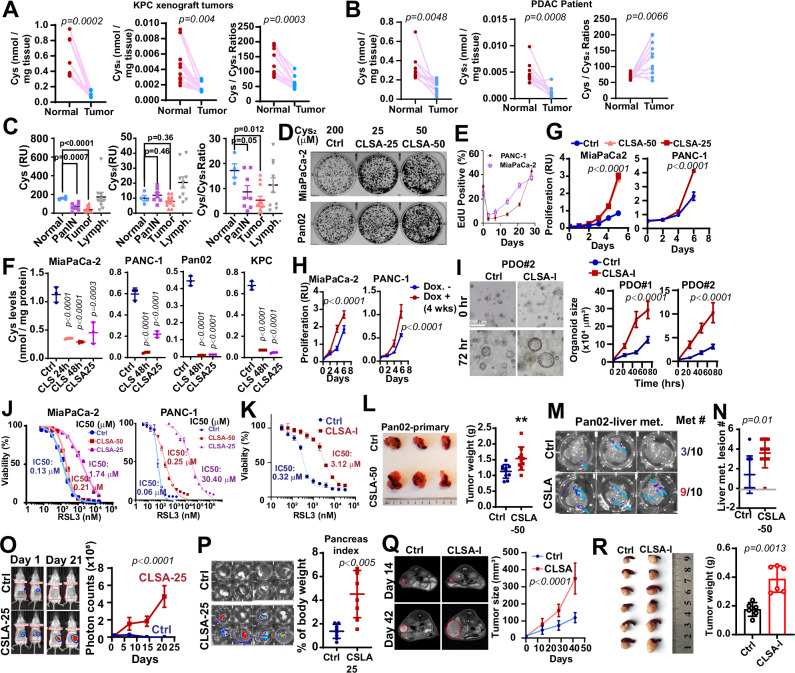 Figure 1
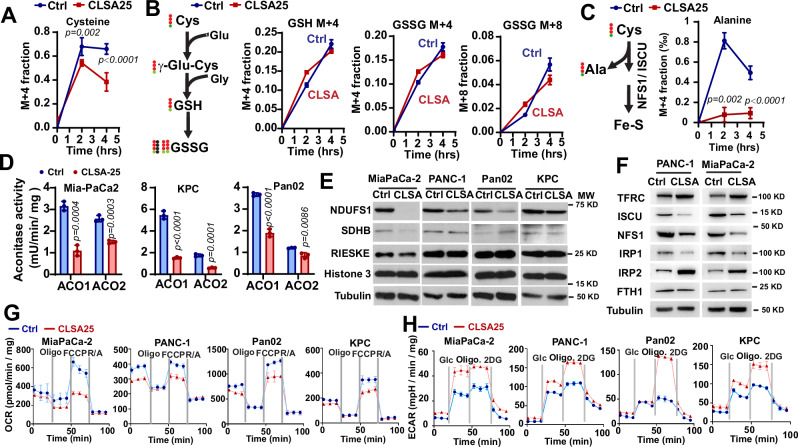 Figure 2
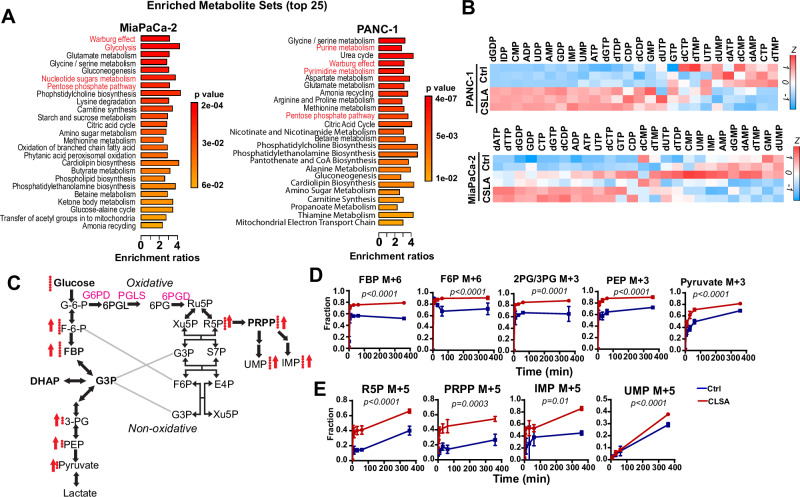 Figure 3
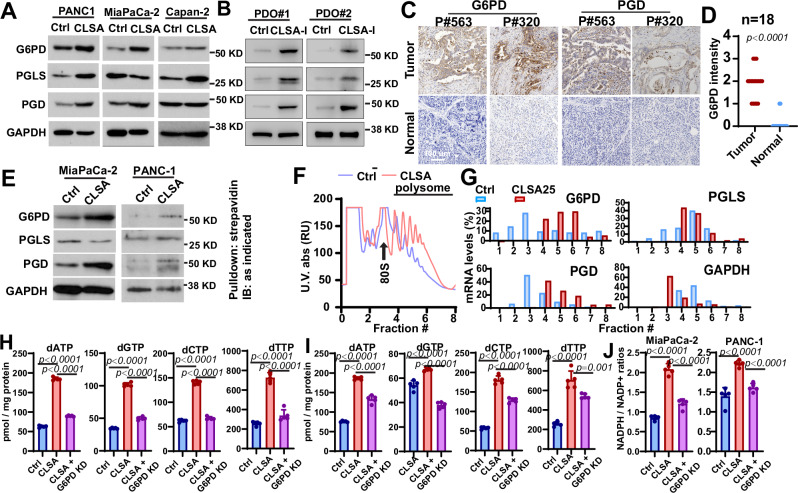 Figure 4
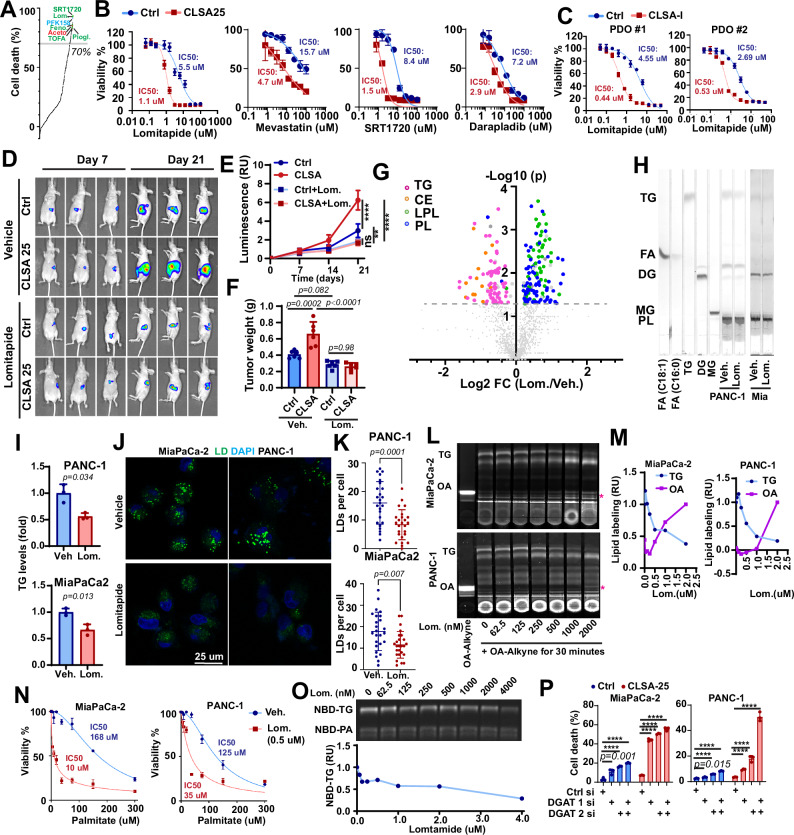 Figure 5
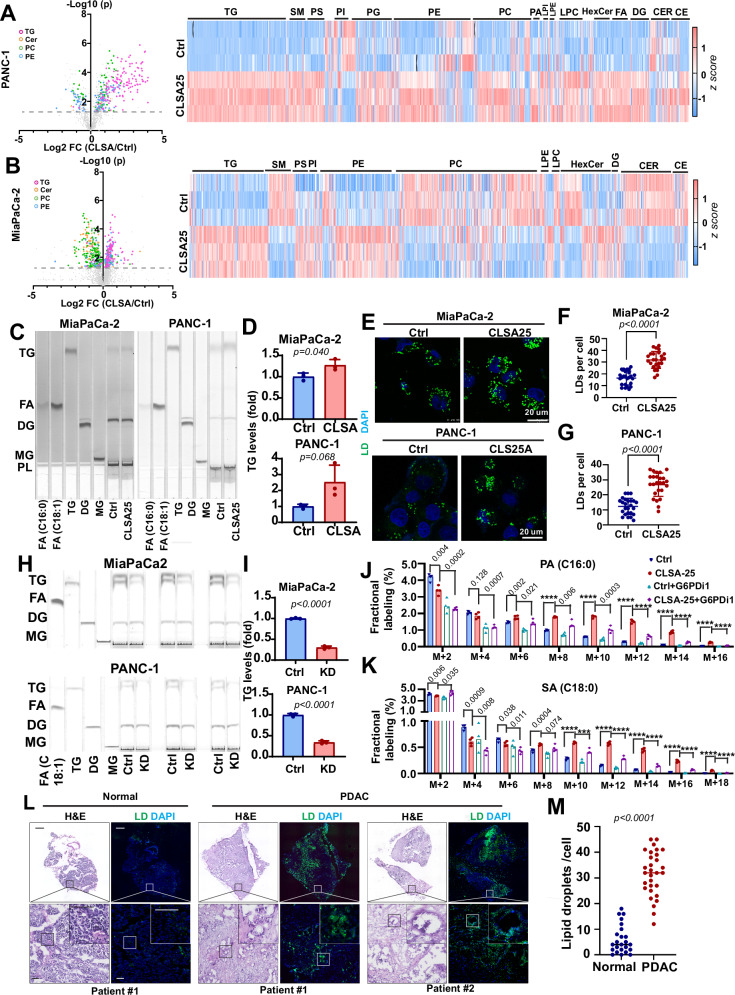 Figure 6
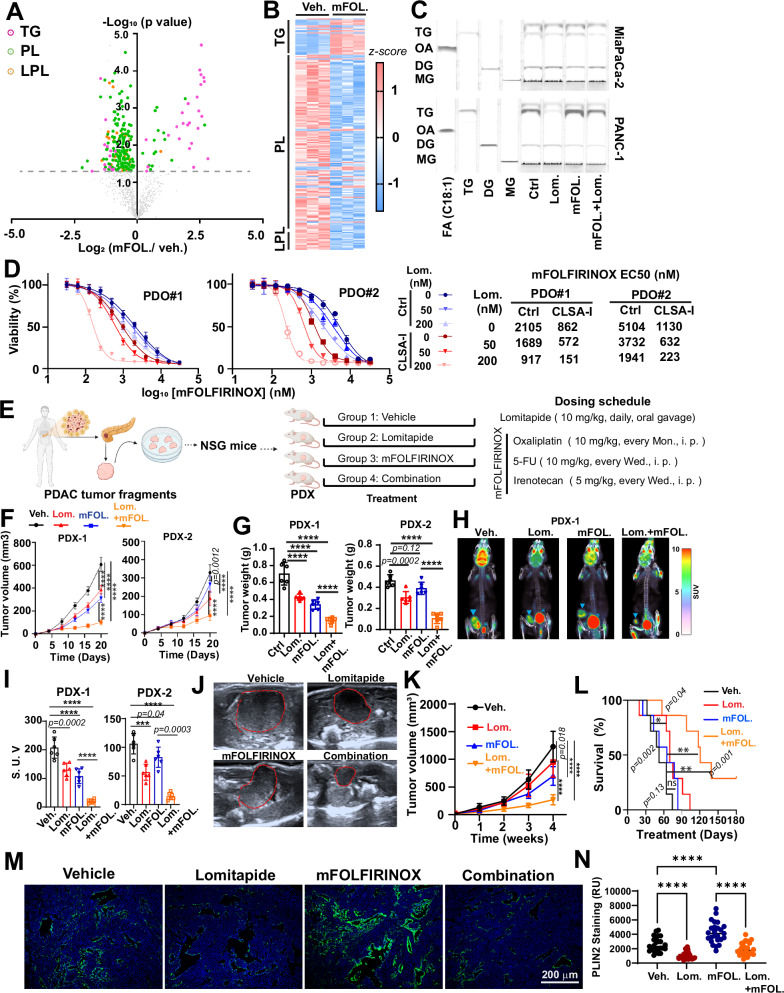 Figure 7
Peer Reviews
No public reviews on file for this paper yet. If you reviewed it on a platform where reviews are public (OpenReview, ICLR, NeurIPS, ICML), you can paste yours below so the community can read it here.
Videos
No videos yet. Explain this paper in a talk, walkthrough, or lecture? Add one.
Taxonomy
TopicsCancer, Lipids, and Metabolism · Sulfur Compounds in Biology · Cancer Research and Treatments