Effects of Corn Fermented Protein as a Primary Protein Source on Growth Performance, Feed Utilization Efficiency, Hemolymph Biochemical Parameters, and Physiological and Digestive Gene Expression of Pacific White Shrimp (Litopenaeus vannamei)
Khanh Q. Nguyen, Cristhian San Andres, Adela N. Araujo, Trenton L. Corby, Melanie A. Rhodes, Scott Tilton, Timothy J. Bruce, D. Allen Davis

TL;DR
This study shows that corn fermented protein can replace traditional protein sources in shrimp feed without harming growth or health.
Contribution
The study demonstrates the feasibility of using corn fermented protein as a primary protein source in shrimp feed without adverse effects.
Findings
Replacing fish meal, soybean meal, and corn protein concentrate with corn fermented protein did not significantly affect shrimp growth or feed efficiency.
No signs of gut inflammation or digestive enzyme disorders were observed in shrimp fed with corn fermented protein.
Net phosphorus retention showed significant shifts, but other hemolymph and physiological indicators remained stable.
Abstract
This study aimed to determine the effect of replacing fish meal (FM), soybean meal (SBM), and corn protein concentrate (CPC) in an equal ratio with corn fermented protein (CFP) on Pacific white shrimp, Litopenaeus vannamei growth, feed utilization efficiency, hemolymph parameters, and physiological gene expression. A green water recirculation system was employed with a stocking density of 30 shrimp per tank (~35 shrimp/m2) and an initial weight of 0.216 ± 0.007 g (mean ± standard deviation). Six experimental diets were investigated over 8 weeks. The primary protein sources in the basal diet were systematically replaced (0% – 25% diet) with CFP. No significant changes in shrimp growth indicators were found between shrimp reared on the various diets (p > 0.05). We found few significant differences in feed utilization efficiency (p > 0.05), but especially for feed conversion ratio (FCR;…
Genes, proteins, chemicals, diseases, species, mutations and cell lines named across the full text — each resolved to its canonical identifier and authoritative record.
Click any figure to enlarge with its caption.
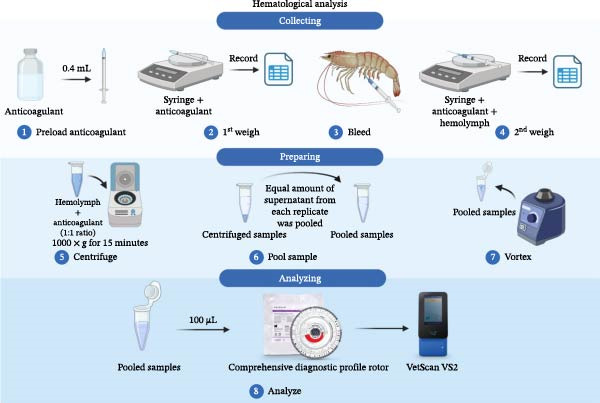 Figure 1
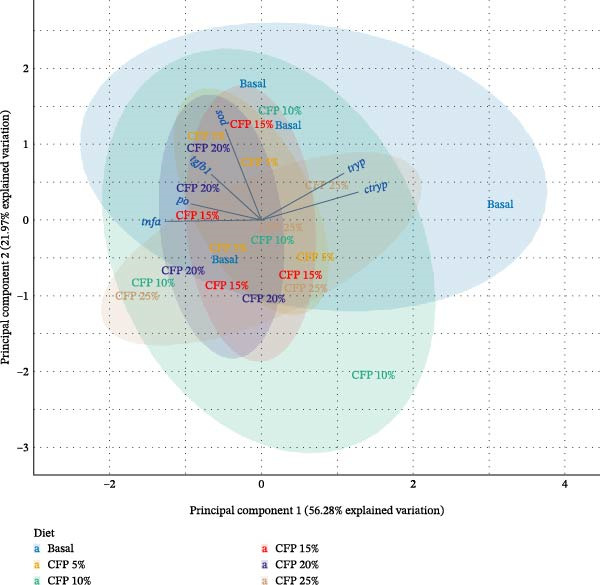 Figure 2
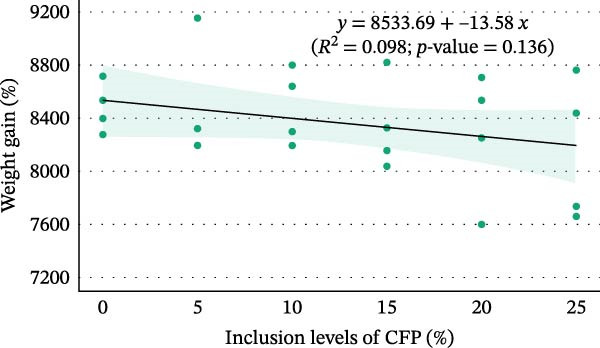 Figure 3
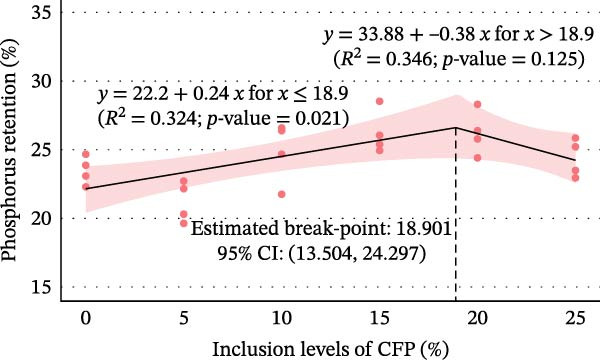 Figure 4
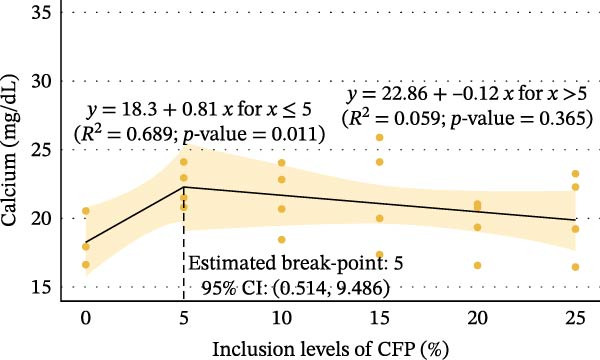 Figure 5
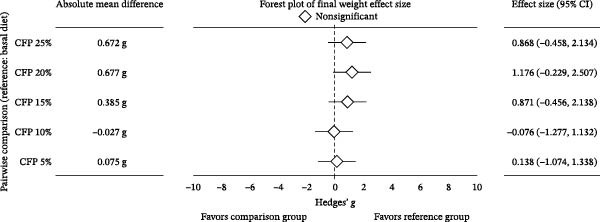 Figure 6
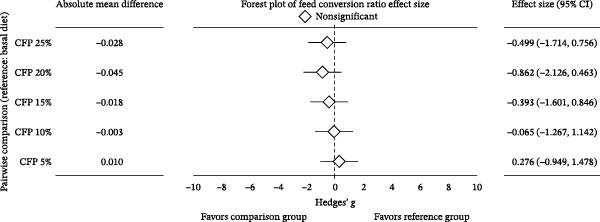 Figure 7
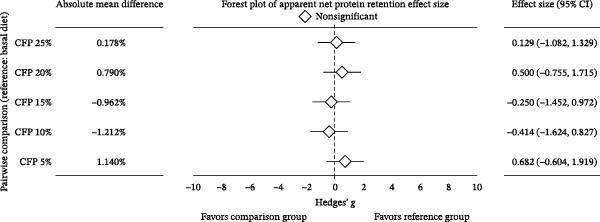 Figure 8
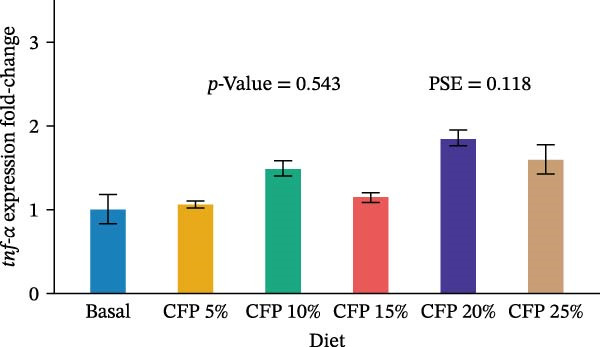 Figure 9
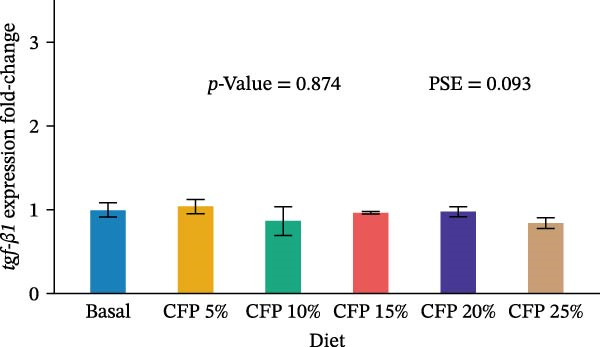 Figure 10
 Figure 11
 Figure 12
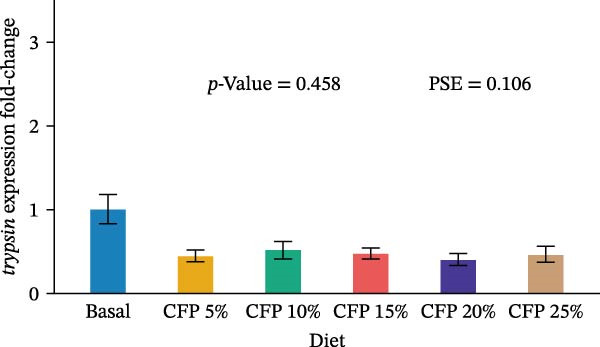 Figure 13
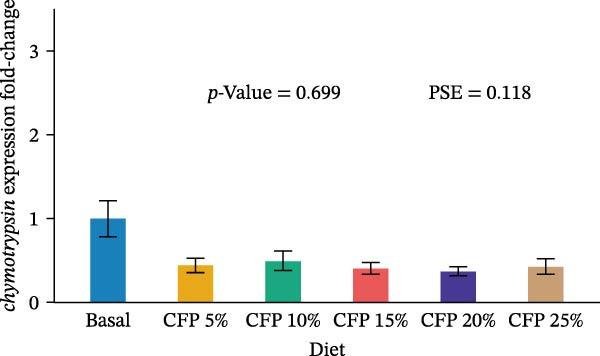 Figure 14
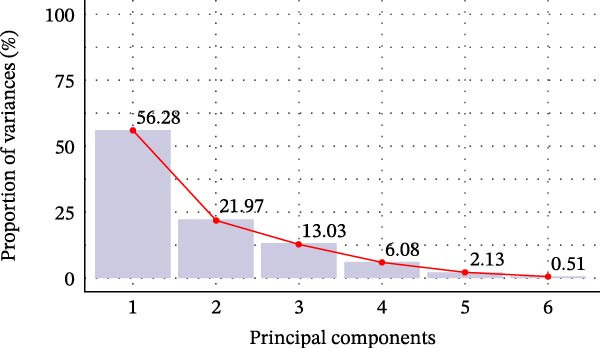 Figure 15
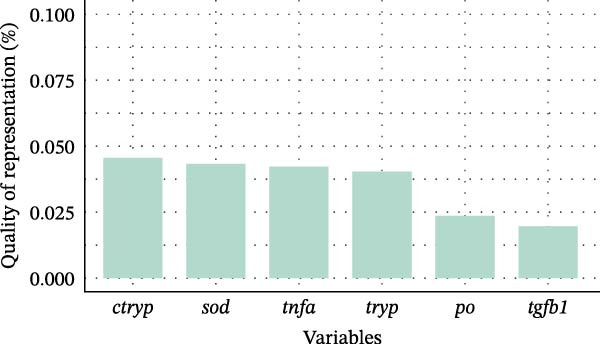 Figure 16
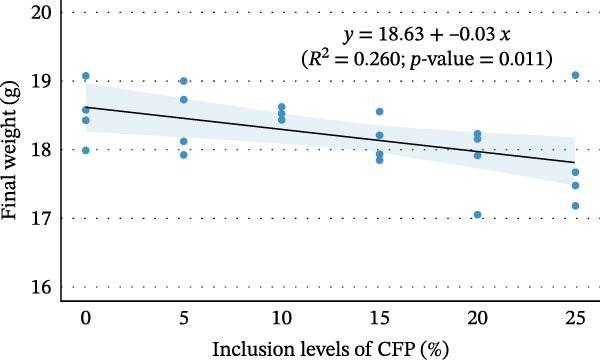 Figure 17
Peer Reviews
No public reviews on file for this paper yet. If you reviewed it on a platform where reviews are public (OpenReview, ICLR, NeurIPS, ICML), you can paste yours below so the community can read it here.
Videos
No videos yet. Explain this paper in a talk, walkthrough, or lecture? Add one.
Taxonomy
TopicsAquaculture Nutrition and Growth · Aquaculture disease management and microbiota · Invertebrate Immune Response Mechanisms