Sphingosine kinase 2 suppresses neutrophil responses to promote viral persistence while attenuating immune pathology
Vijayamahantesh Vijayamahantesh, Ying He, Lei Jiang, Hailey Huerter, Kwang Il Jung, Savannah McKenna, Caleb J. Studstill, Lee-Ann H. Allen, Ravi Nistala, Dong Xu, Bumsuk Hahm

TL;DR
This study shows that SphK2 in neutrophils helps control immune responses during viral infections, reducing immune damage but allowing the virus to persist.
Contribution
The study reveals a novel role of SphK2 in modulating neutrophil function during chronic viral infections.
Findings
SphK2-deficient neutrophils show reduced CD244 expression and increased pro-inflammatory gene activity.
Adoptive transfer of SphK2-deficient neutrophils improves T cell responses and reduces viral load.
Neutrophil depletion increases survival in SphK2-deficient mice infected with LCMV.
Abstract
Chronic viral infections often suppress immune cell functions, which helps restrict immune pathology but leads to viral persistence. However, the underlying mechanisms are not completely understood. We recently found that sphingosine kinase 2 (SphK2)-deficient (Sphk2−/−) mice succumb to lymphocytic choriomeningitis virus (LCMV) infection due to immune pathology. In addition to heightened T cell immunity, a notable increase in neutrophil numbers was observed in LCMV-infected Sphk2−/− mice. Depletion of neutrophils increased the viability of virus-infected Sphk2−/− mice, supporting the role of SphK2-deficient neutrophils in viral immune pathogenesis. Furthermore, SphK2-deficient neutrophils expressed lower levels of the immunosuppressive marker CD244 during infection. Importantly, adoptively transferred SphK2-deficient neutrophils demonstrated intrinsic regulation of CD244 and improved…
Genes, proteins, chemicals, diseases, species, mutations and cell lines named across the full text — each resolved to its canonical identifier and authoritative record.
Click any figure to enlarge with its caption.
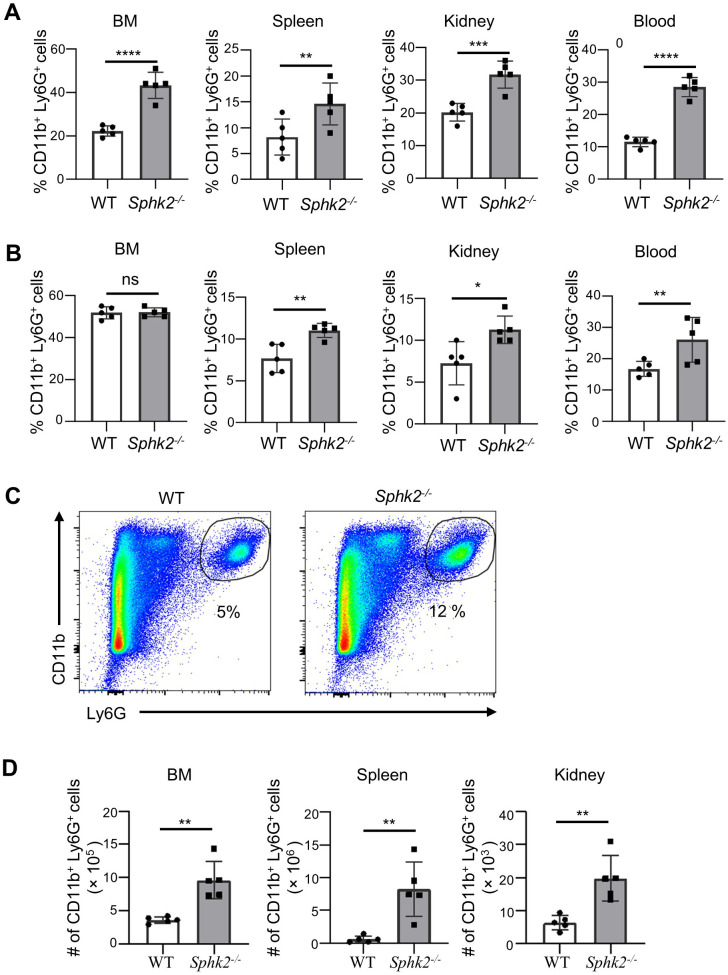 Figure 1
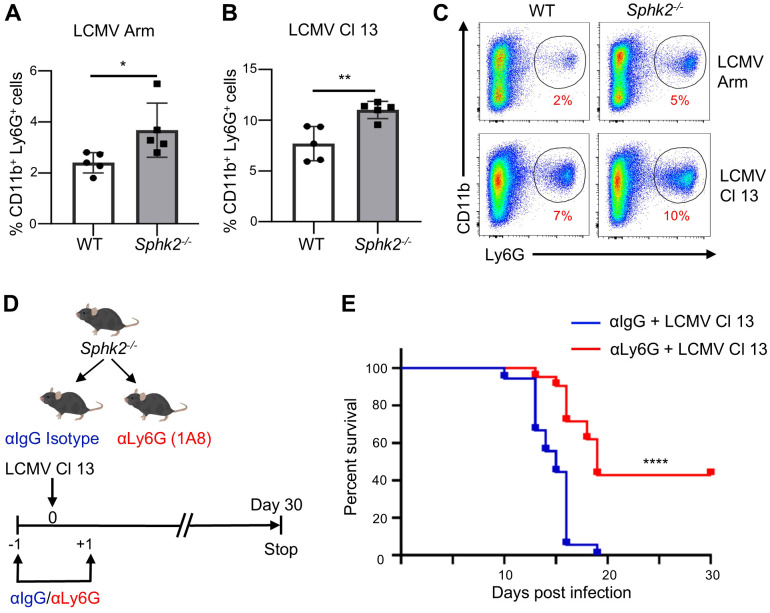 Figure 2
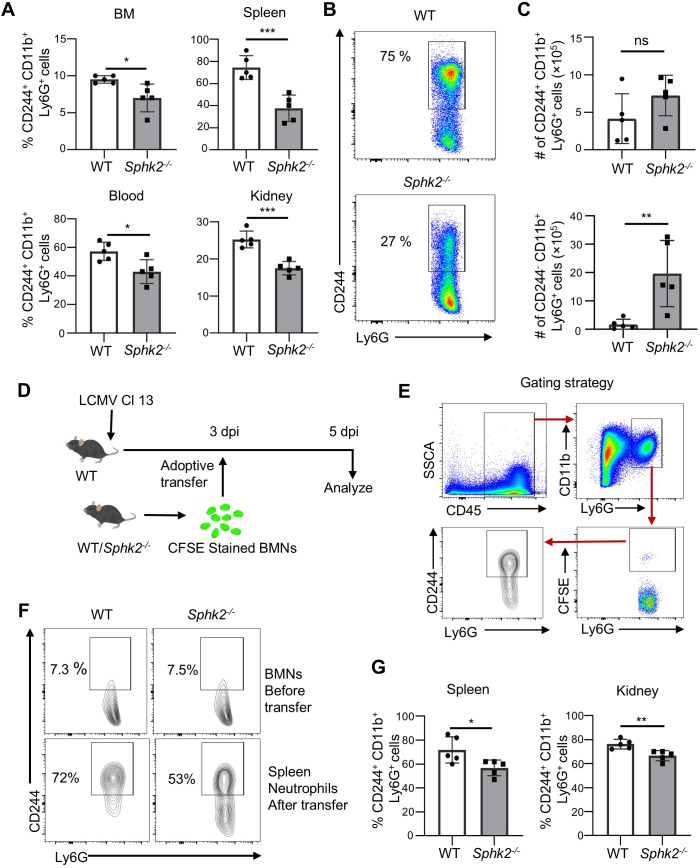 Figure 3
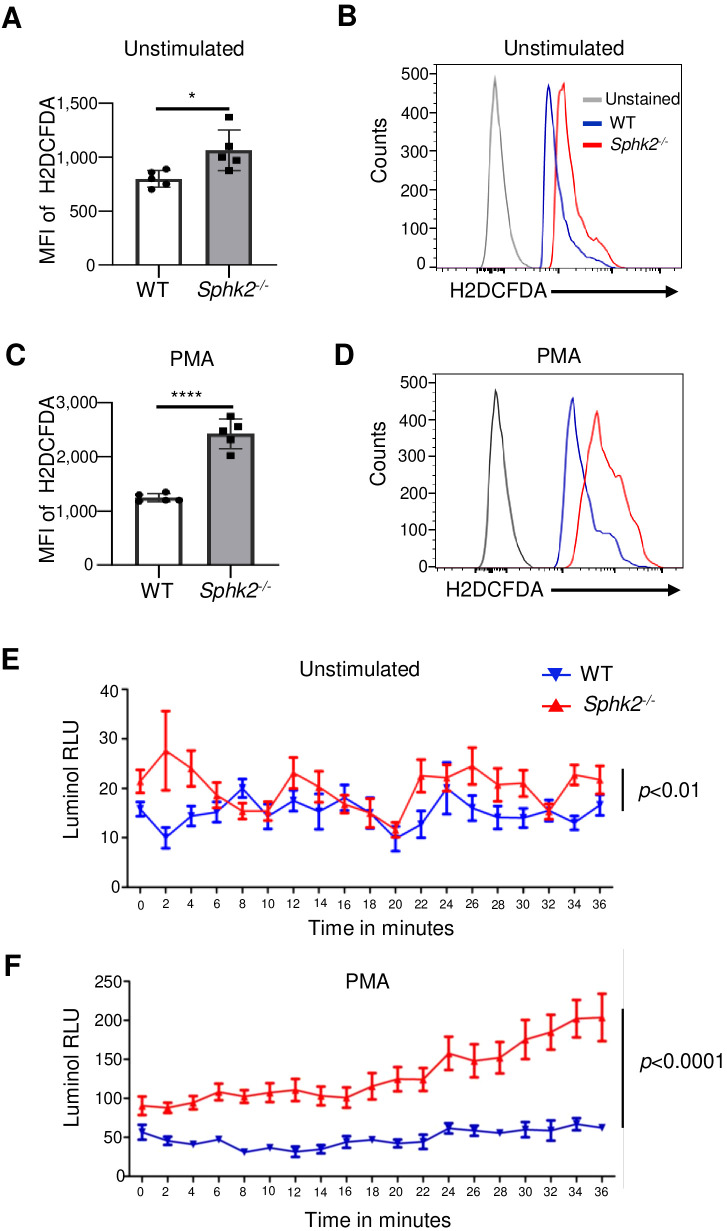 Figure 4
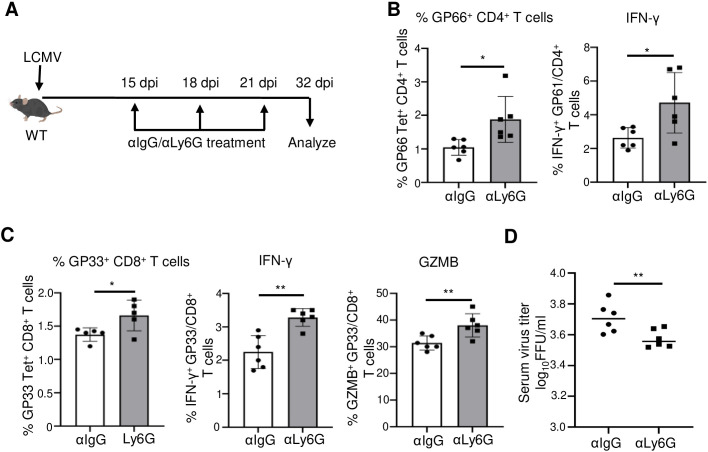 Figure 5
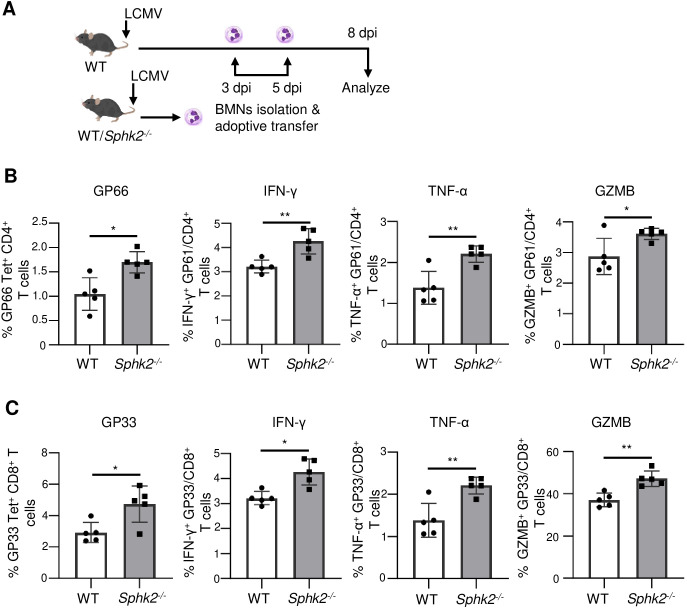 Figure 6
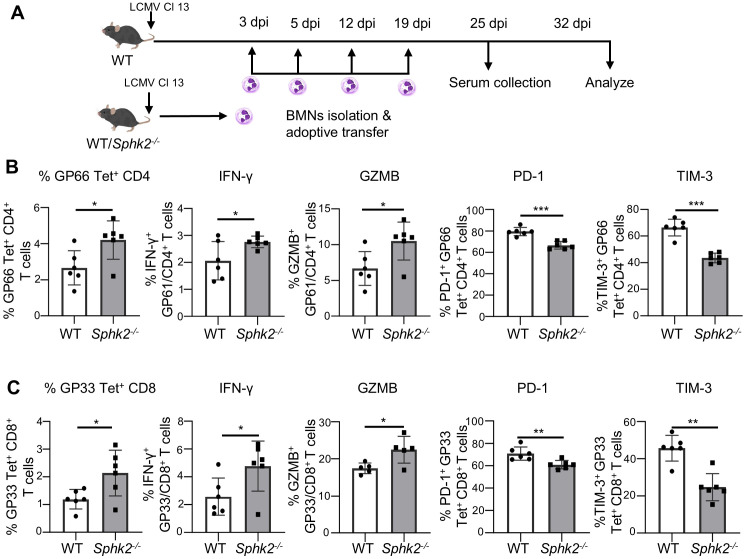 Figure 7
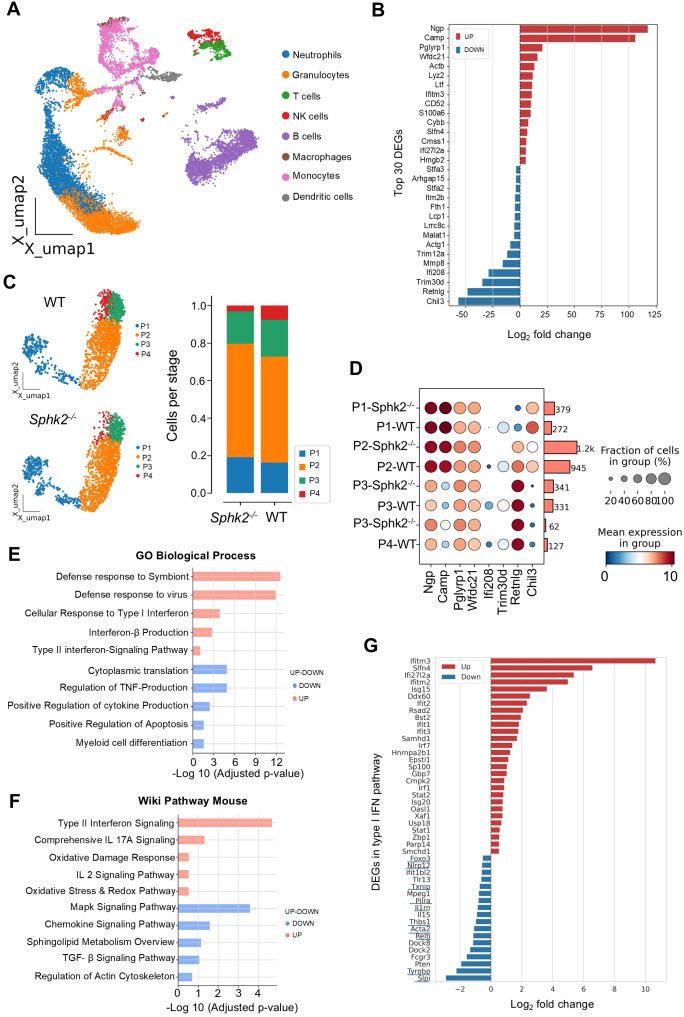 Figure 8
Peer Reviews
No public reviews on file for this paper yet. If you reviewed it on a platform where reviews are public (OpenReview, ICLR, NeurIPS, ICML), you can paste yours below so the community can read it here.
Videos
No videos yet. Explain this paper in a talk, walkthrough, or lecture? Add one.
Taxonomy
TopicsSphingolipid Metabolism and Signaling · Immune cells in cancer · Inflammasome and immune disorders