Identification and characterization of novel antimicrobial peptides from Camelus dromedarius: a combined bioinformatics and experimental study
Wafa Al-Mamari, Yasmin Elhag, Samir Al Bulushi, Rokeya S. Rekha, Cecilia Mörman, Peter Bergman, Aliya Al-Ansari, Salma Al-Adwani

TL;DR
This study discovers new antimicrobial peptides in dromedary camels that show promise against drug-resistant bacteria.
Contribution
The study identifies and experimentally validates novel antimicrobial peptides from Camelus dromedarius for the first time.
Findings
CdPG-3 and CdCATH showed strong antibacterial activity against both Gram-negative and Gram-positive strains.
The peptides caused membrane leakage and damage in Escherichia coli.
Low hemolytic activity was observed at lower concentrations of the peptides.
Abstract
There is an urgent need for new antimicrobial agents to address the emerging antimicrobial resistance and the lack of novel antibiotics on the market. Antimicrobial peptides (AMPs) have gained significant interest as potential antibiotics over the past 30 years due to their broad activity against bacteria. So far, the presence, characteristics, and function of AMPs in camel immunity remain to be explored. Therefore, this study aims to identify and functionally characterize AMPs in Camelus Dromedarius using in-silico and experimental approaches. In-silico identification and prediction of cathelicidin peptides properties were conducted using Blastp, Conserved Domain, Signal P-5.0, Peptide Cutter-Expasy, and the Antimicrobial Sequence Scanning System (AMPA) database. Physicochemical and biological properties were characterized using bioinformatics analysis tools. The experimental assays of…
Genes, proteins, chemicals, diseases, species, mutations and cell lines named across the full text — each resolved to its canonical identifier and authoritative record.
Click any figure to enlarge with its caption.
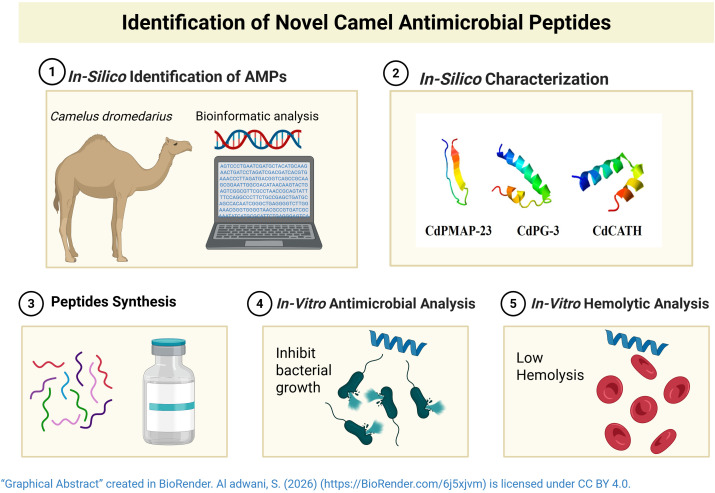 Figure 1
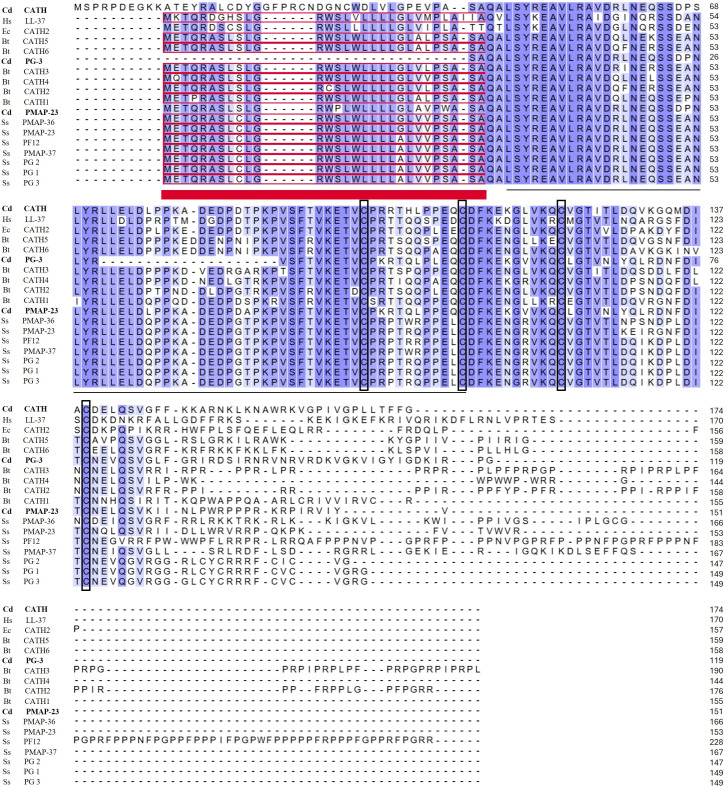 Figure 2
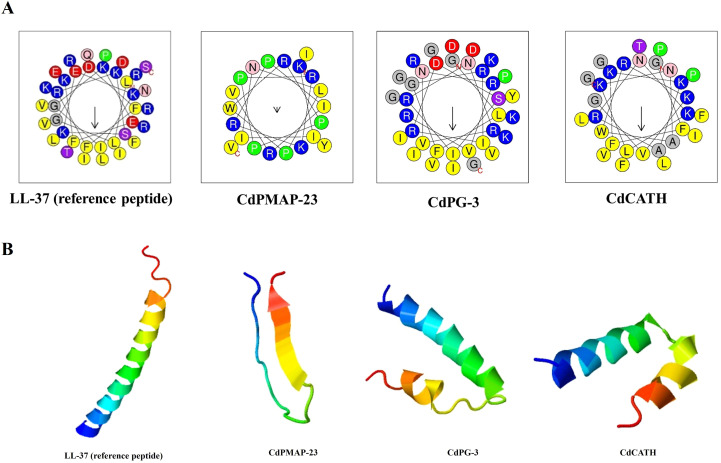 Figure 3
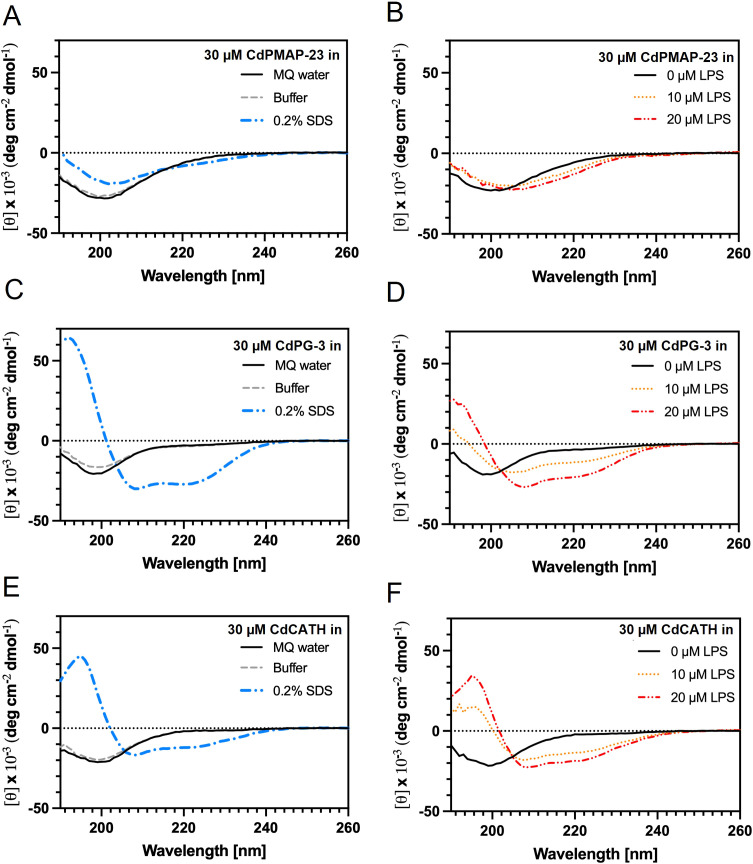 Figure 4
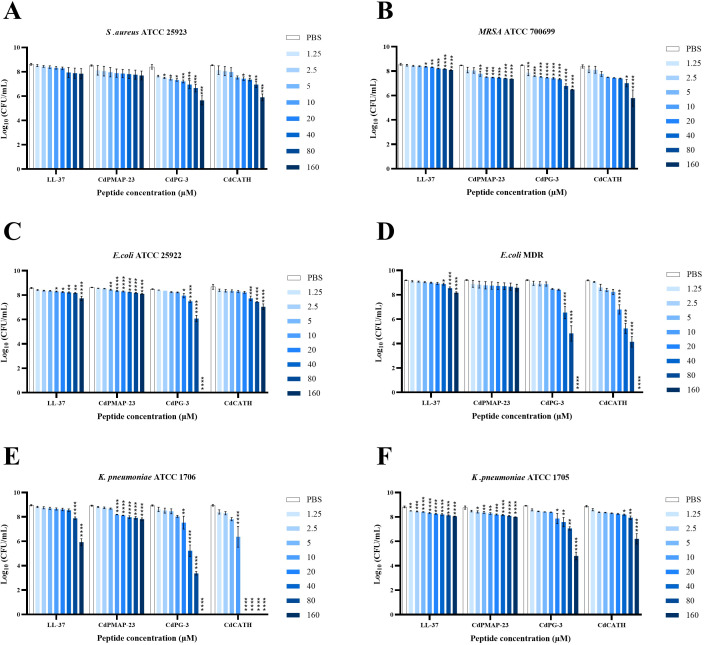 Figure 5
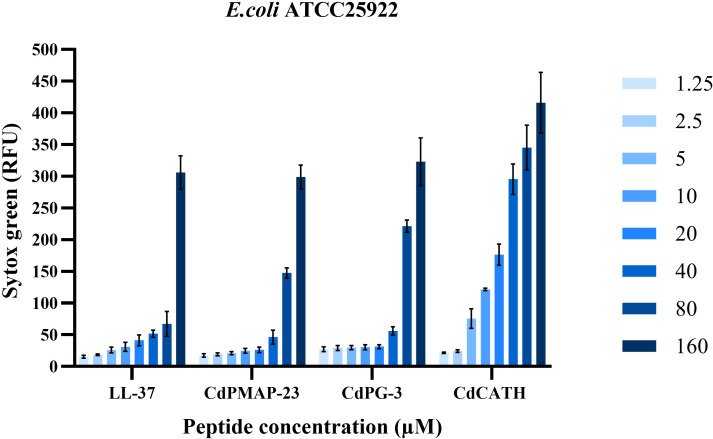 Figure 6
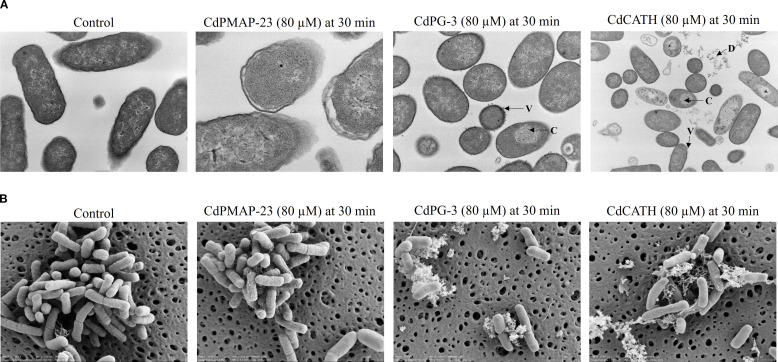 Figure 7
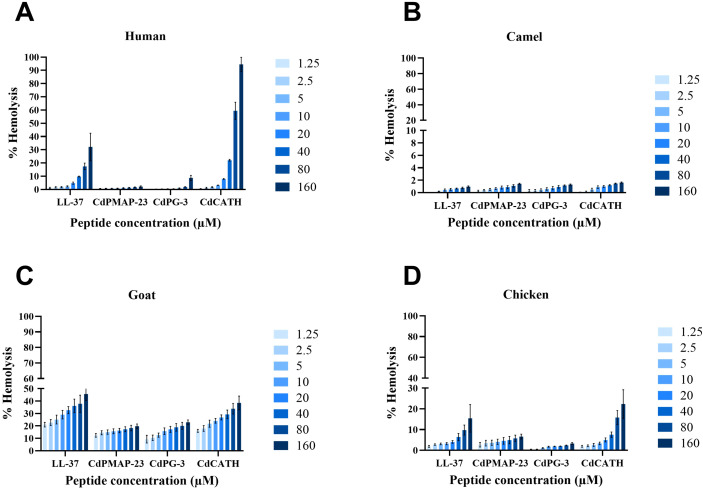 Figure 8
Peer Reviews
No public reviews on file for this paper yet. If you reviewed it on a platform where reviews are public (OpenReview, ICLR, NeurIPS, ICML), you can paste yours below so the community can read it here.
Videos
No videos yet. Explain this paper in a talk, walkthrough, or lecture? Add one.
Taxonomy
TopicsAntimicrobial Peptides and Activities · Protein Hydrolysis and Bioactive Peptides · Animal Diversity and Health Studies