Delineating phenotypic heterogeneity in human regulatory T cells across developmental stages and therapeutic sources
Samikshya Santosh Nirmala, Yueyuan Hu, Friederike Dorothea Floegel, Hugo Cruz, Johanna Morgenstern, Alexander Platz, Marcel Vollroth, Anke Fuchs

TL;DR
This study explores the differences in regulatory T cells from various sources and developmental stages to improve their isolation for medical use.
Contribution
The study identifies specific surface markers to distinguish mature regulatory T cells from immature precursors and highlights cord blood as a source of more uniform cells.
Findings
Markers like Helios, CTLA-4, TIGIT, and GPA33 are more prevalent in Tregs than in effector T cells.
CD45RA/CD45RO, GPA33, TIGIT, and PD-1 can distinguish mature Tregs from precursors.
Cord blood-derived Tregs show greater phenotypic uniformity compared to adult blood- and thymus-derived Tregs.
Abstract
FOXP3+ regulatory T cells (Tregs) play a pivotal role in maintaining immune homeostasis and self-tolerance. Despite advances in Treg-based immunosuppressive therapies, precise identification of human Tregs facilitating their isolation with high purity remains challenging because canonical markers such as FOXP3 and CD25 are also induced in activated CD4+ effector T cells (Teffs). This study aims to leverage adult peripheral blood, umbilical cord blood, and pediatric thymic tissue to precisely characterize human Tregs and to gain deeper insights into heterogeneity across sources and developmental stages. We conducted extensive flow cytometric analysis of 31 extra- and intracellular markers expressed by human Tregs, followed by an in-depth comparison of Tregs and Teffs, as well as between Tregs derived from all three sources. Our results showed that, while most markers were shared with…
Genes, proteins, chemicals, diseases, species, mutations and cell lines named across the full text — each resolved to its canonical identifier and authoritative record.
Click any figure to enlarge with its caption.
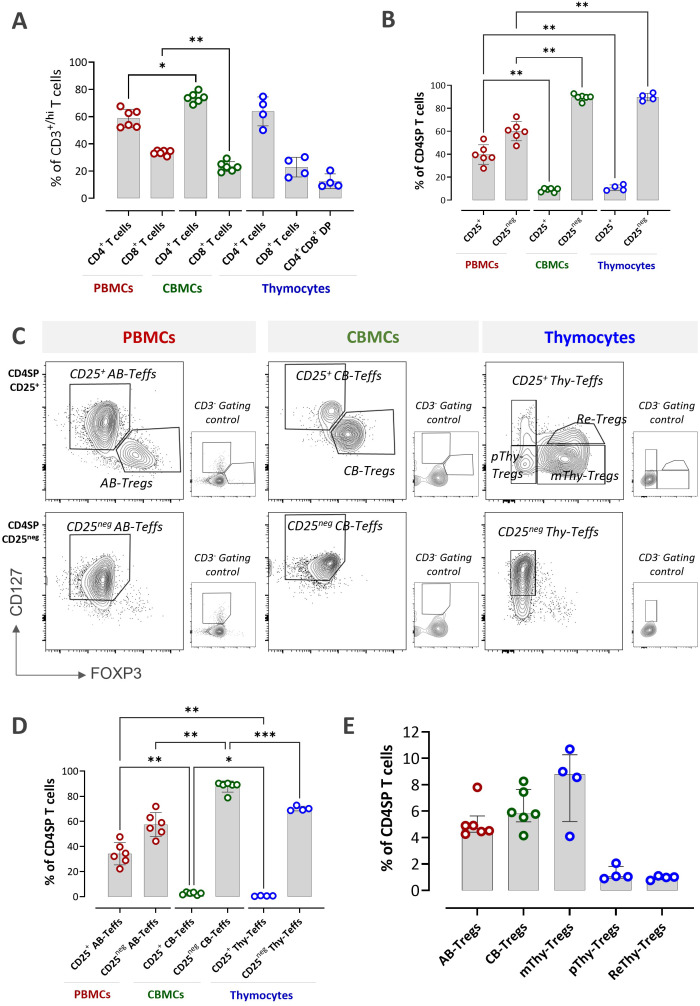 Figure 1
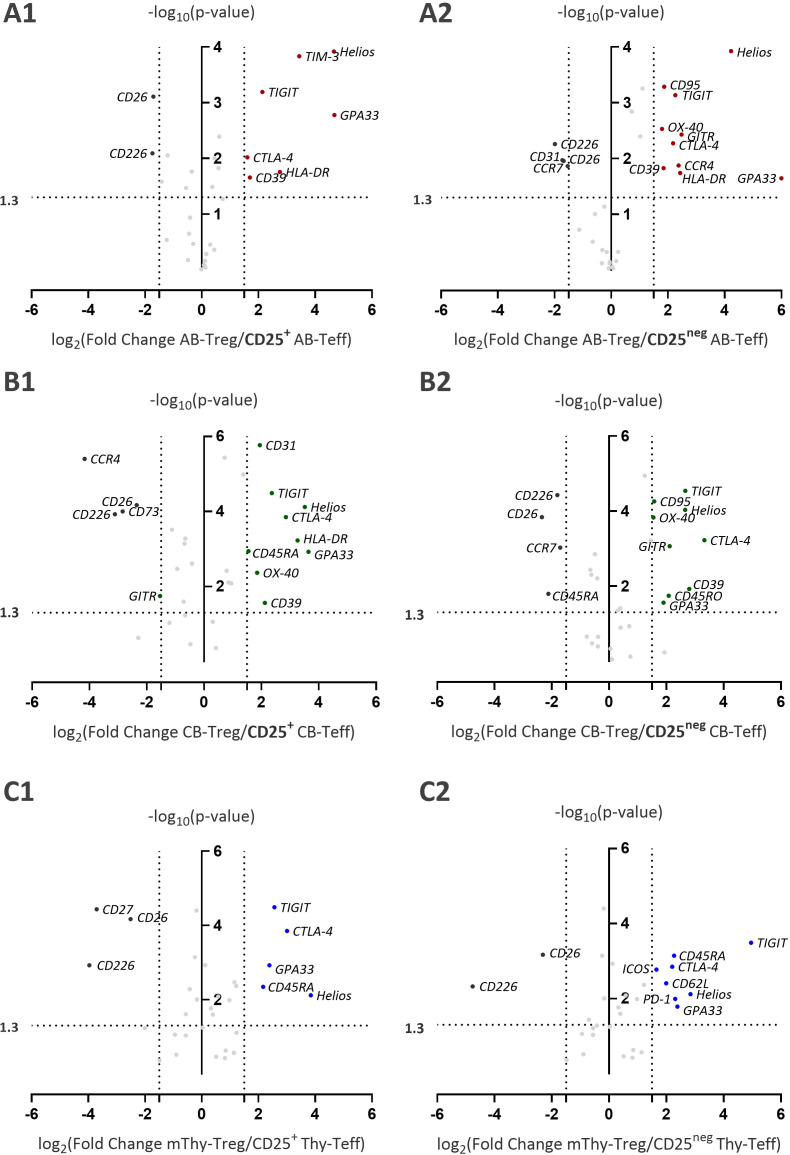 Figure 2
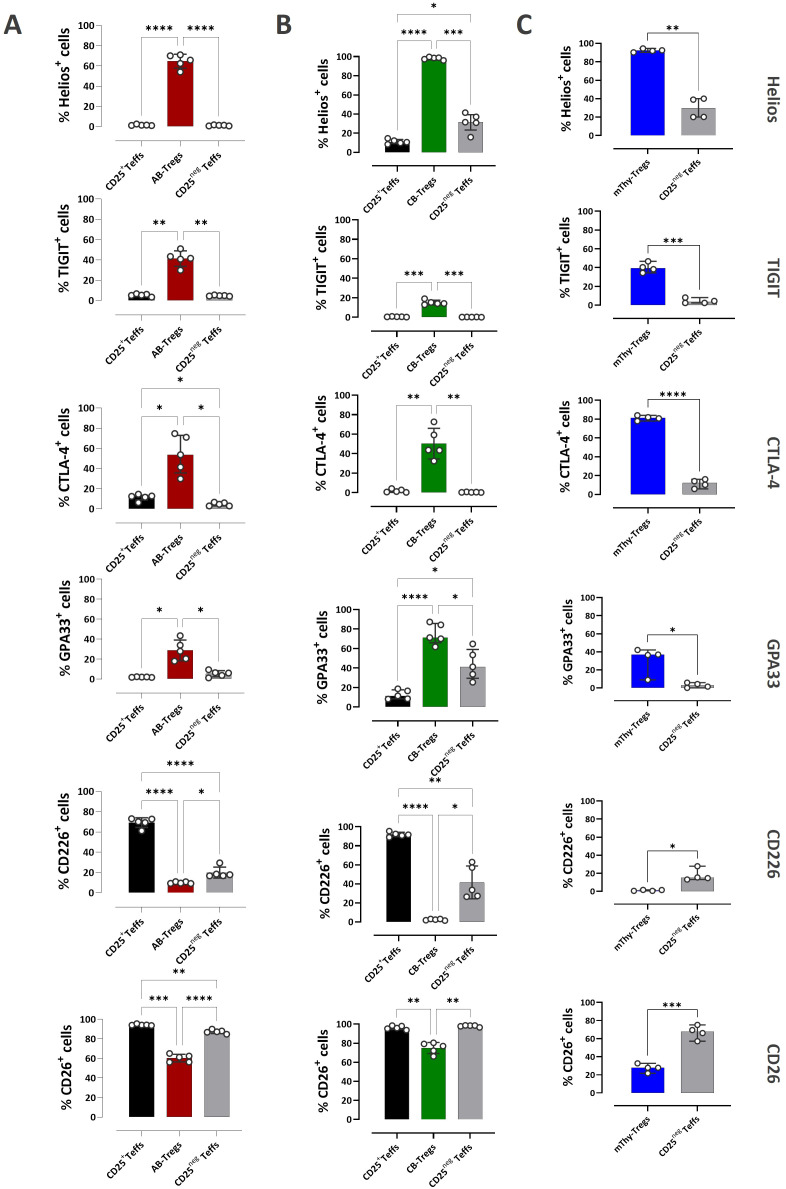 Figure 3
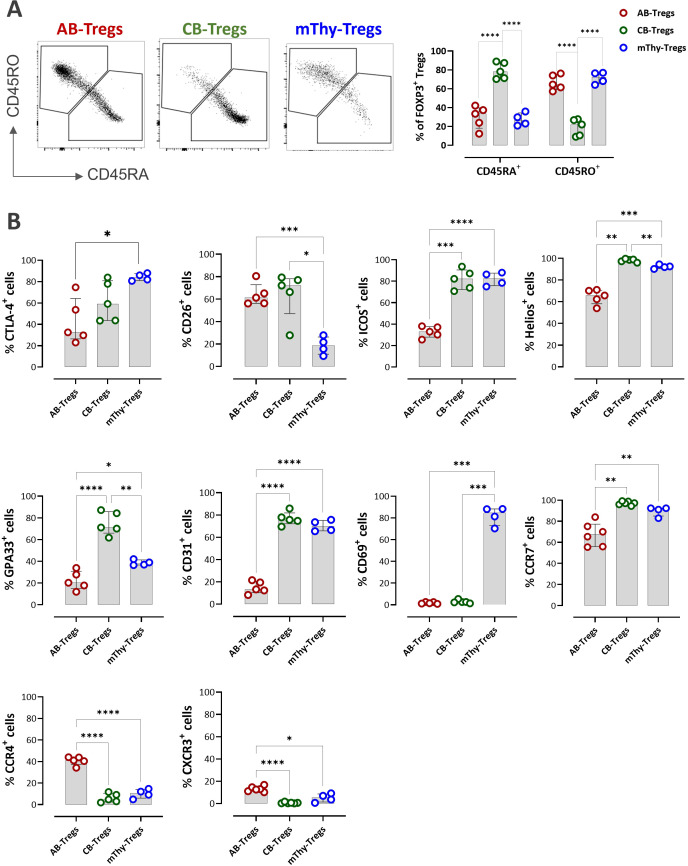 Figure 4
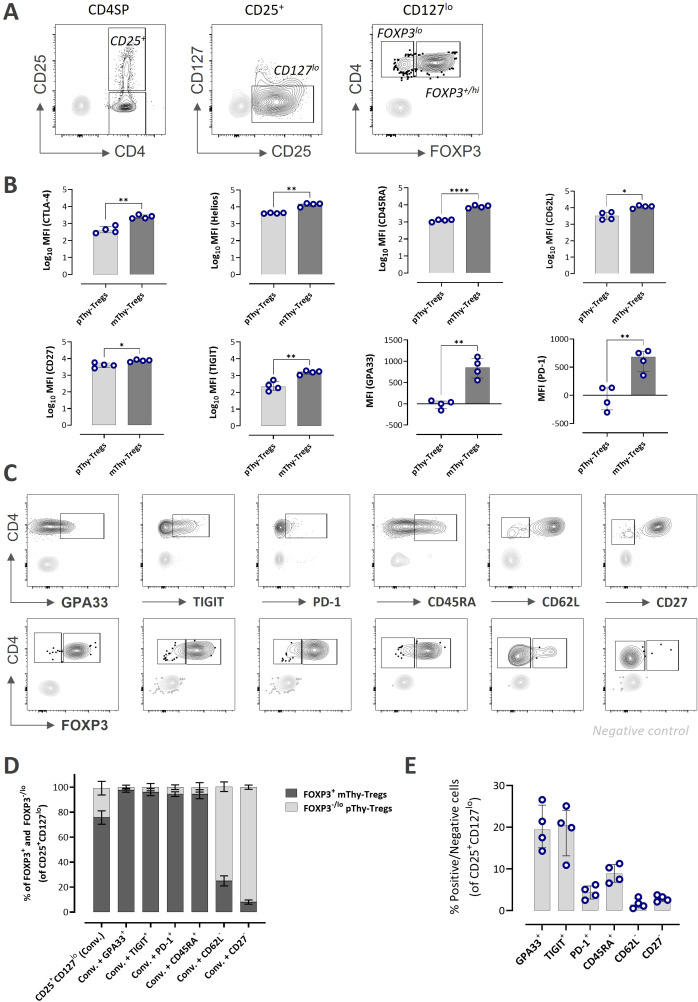 Figure 5
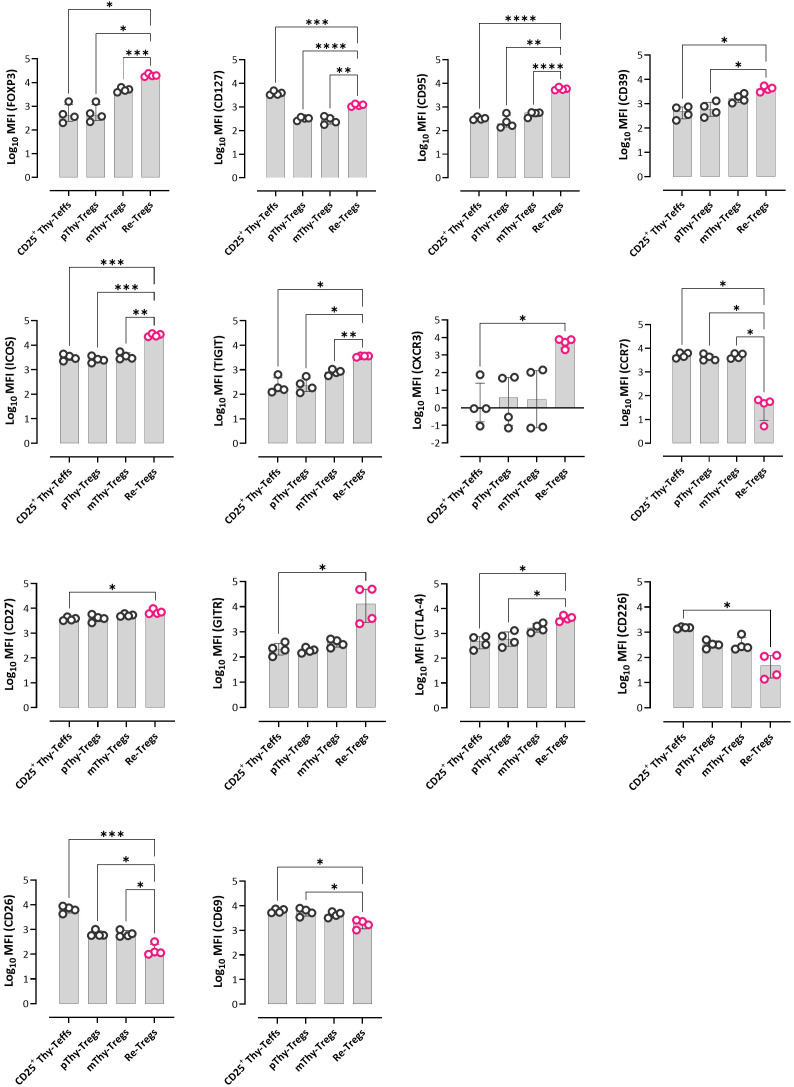 Figure 6
Peer Reviews
No public reviews on file for this paper yet. If you reviewed it on a platform where reviews are public (OpenReview, ICLR, NeurIPS, ICML), you can paste yours below so the community can read it here.
Videos
No videos yet. Explain this paper in a talk, walkthrough, or lecture? Add one.
Taxonomy
TopicsT-cell and B-cell Immunology · vaccines and immunoinformatics approaches · Immune Cell Function and Interaction