Reduced circulating STOX1 is associated with inflammatory cytokines and insulin resistance in obese individuals: a cross-sectional study
Yanping Wang, Mingliang Xiang, Xianmei Jiang, Mingsha Shuai, Li Jian, Shan Geng

TL;DR
Lower levels of STOX1 in the blood are linked to obesity-related inflammation and insulin resistance, suggesting it could be a useful biomarker for metabolic disease.
Contribution
This study identifies STOX1 as a novel noninvasive biomarker of adipose inflammation in obesity.
Findings
Serum STOX1 levels are significantly reduced in overweight/obese individuals compared to controls.
STOX1 is inversely associated with metabolic and inflammatory markers like TNF-α and body fat percentage.
Hyperglycemia during OGTT suppresses STOX1, indicating glucose-dependent regulation.
Abstract
Excess adiposity drives adipose tissue dysfunction and metabolic disease, including type 2 diabetes and cardiovascular disorders. Building on our prior GEO-based analyses that nominated Storkhead box 1 (STOX1) as a candidate biomarker of obesity-related adipose inflammation, we compared circulating STOX1 between individuals with normal weight and those with overweight/obesity and examined its metabolic correlates. In 476 volunteers, we quantified serum STOX1, adipokines, and clinical parameters; we further contrasted STOX1 and adiponectin between groups and performed an oral glucose tolerance test (OGTT) to assess glycemic effects on STOX1. Serum STOX1 was significantly lower in overweight/obese (OW/OB) participants than controls (controls: 1.27 ± 1.40 µg/L; OW/OB: 0.69 ± 0.77 µg/L; p < 0.001), accompanied by reduced adiponectin in OW/OB. Partial correlations showed inverse…
Genes, proteins, chemicals, diseases, species, mutations and cell lines named across the full text — each resolved to its canonical identifier and authoritative record.
Click any figure to enlarge with its caption.
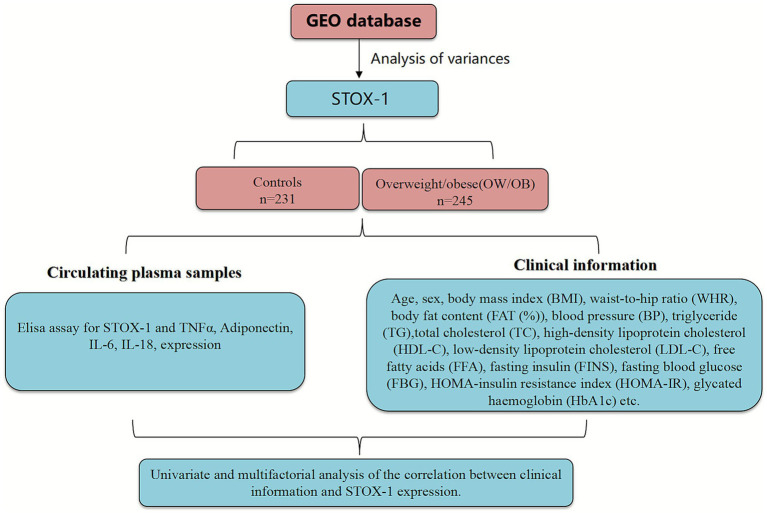 Figure 1
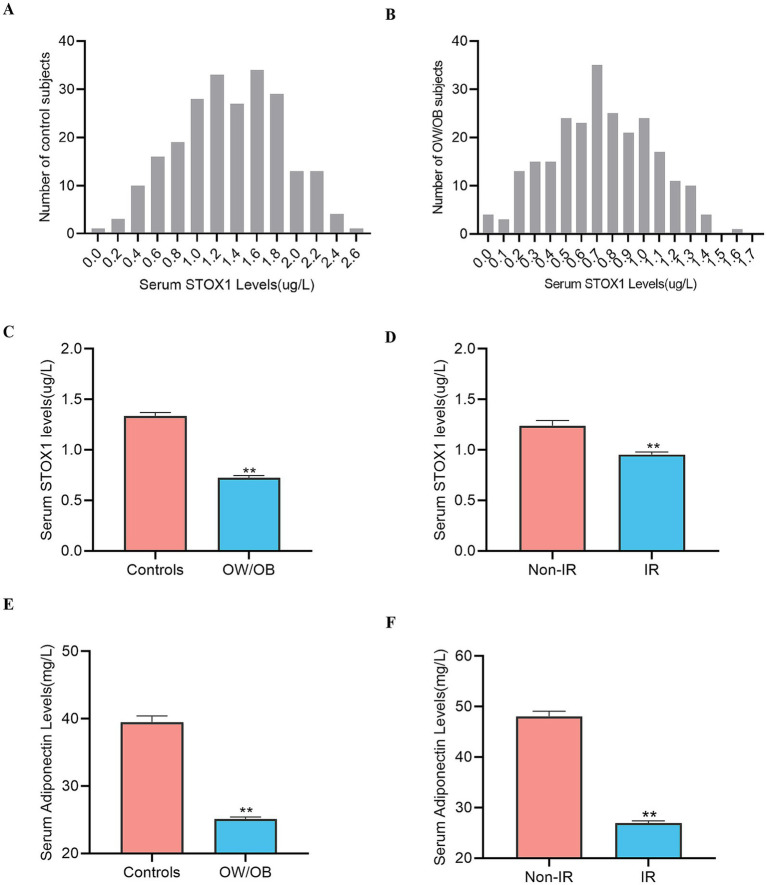 Figure 2
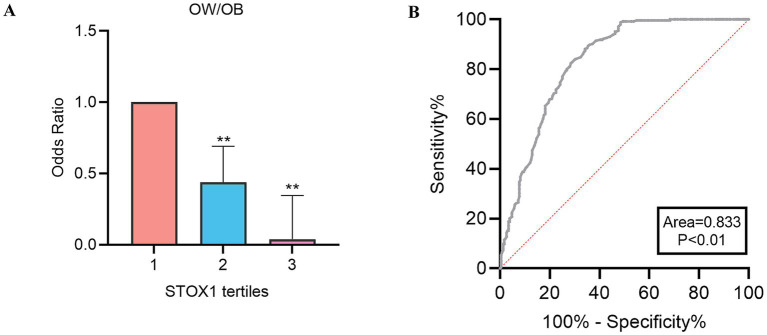 Figure 3
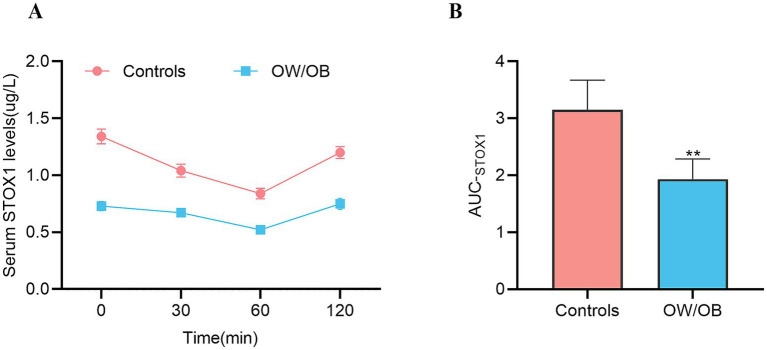 Figure 4
Peer Reviews
No public reviews on file for this paper yet. If you reviewed it on a platform where reviews are public (OpenReview, ICLR, NeurIPS, ICML), you can paste yours below so the community can read it here.
Videos
No videos yet. Explain this paper in a talk, walkthrough, or lecture? Add one.
Taxonomy
TopicsAdipokines, Inflammation, and Metabolic Diseases · Neutrophil, Myeloperoxidase and Oxidative Mechanisms · Cardiovascular Disease and Adiposity