650 nm red-light therapy attenuates sepsis-induced acute lung injury via adiponectin-mediated immune–metabolic reprogramming
Yiqiu Zhang, Wei Ni, Jianghan Li, Yubing Bai, Yier Bai, Zhixuan Jiang, Jiadie Wang, Yu He, Yafeng Li, Jing Yuan, Min Yao

TL;DR
Red-light therapy reduces lung damage in sepsis by improving immune and metabolic functions through adiponectin signaling.
Contribution
Demonstrates that 650 nm red-light therapy alleviates septic lung injury via adiponectin-mediated immune and metabolic reprogramming.
Findings
PBM improved survival, reduced lung edema, and lowered pro-inflammatory cytokines in septic mice.
PBM increased adiponectin levels and shifted macrophage polarization toward a reparative phenotype.
AdipoR1 knockdown reversed the beneficial effects of PBM, confirming its mechanism of action.
Abstract
Sepsis-induced acute lung injury (ALI) is driven by dysregulated innate immunity and mitochondrial dysfunction. Monocyte/macrophage trafficking and polarization critically shape disease trajectory, yet clinically tractable immunometabolic interventions are limited. We hypothesized that 650 nm red-light photobiomodulation (PBM) alleviates septic ALI by reprogramming myeloid responses and preserving mitochondrial function via adiponectin signaling. Septic ALI was induced by cecal ligation and puncture (CLP) in mice. Animals received 650 nm PBM (10 min, every 6 h, three times within 24 h). Survival, lung edema, histology, and serum cytokines were assessed. Lung chemokines/cytokines were profiled by 23-plex Luminex. Immune composition was analyzed by flow cytometry, and CCR2+/CX3CR1+ subsets were visualized in CcrRFP–Cx3cr1GFP mice using 3D cryo-fMOST. IHC quantified CX3CR1, CCR2, CD68,…
Genes, proteins, chemicals, diseases, species, mutations and cell lines named across the full text — each resolved to its canonical identifier and authoritative record.
Click any figure to enlarge with its caption.
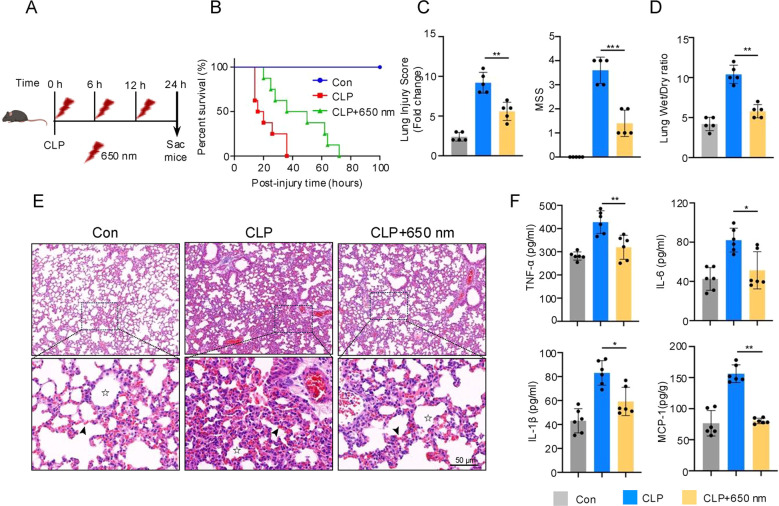 Figure 1
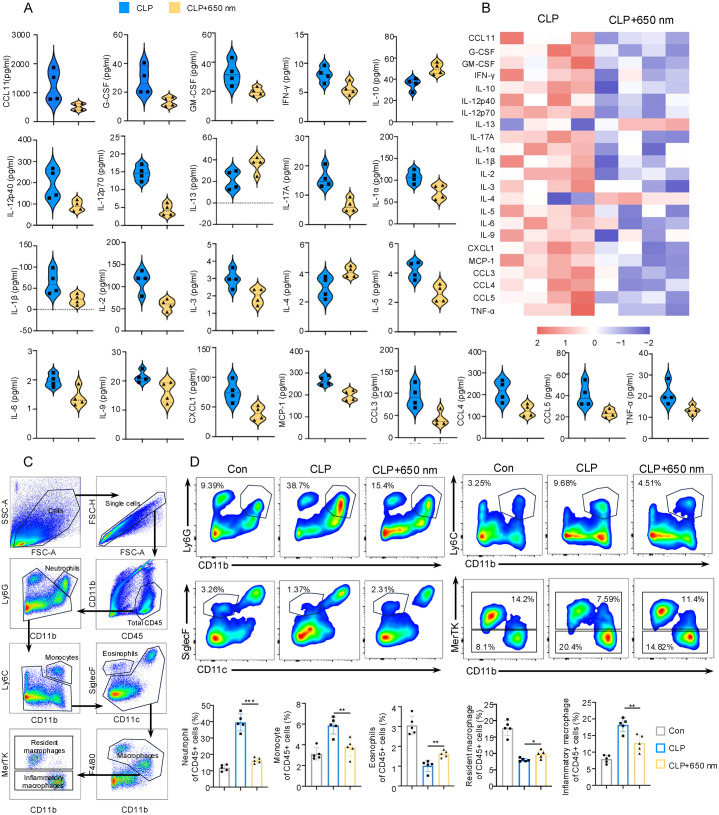 Figure 2
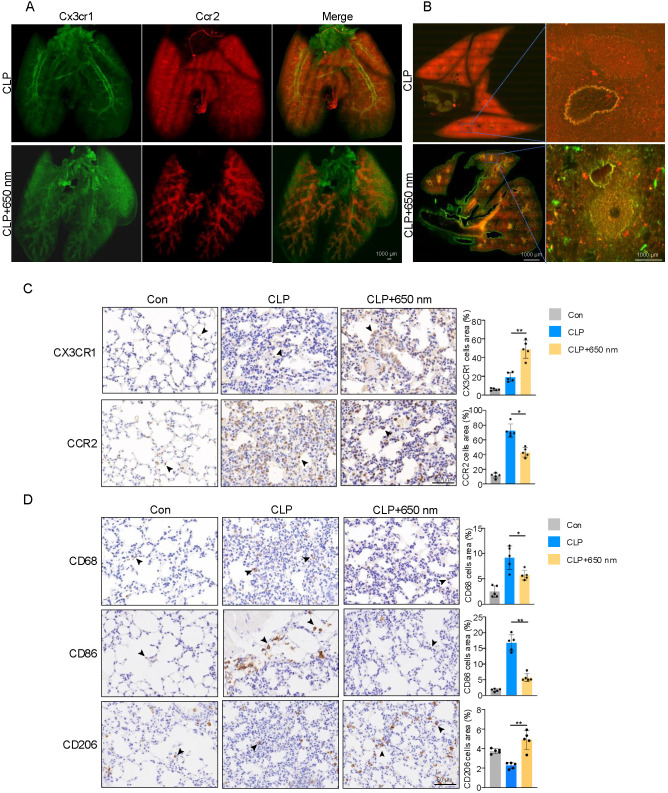 Figure 3
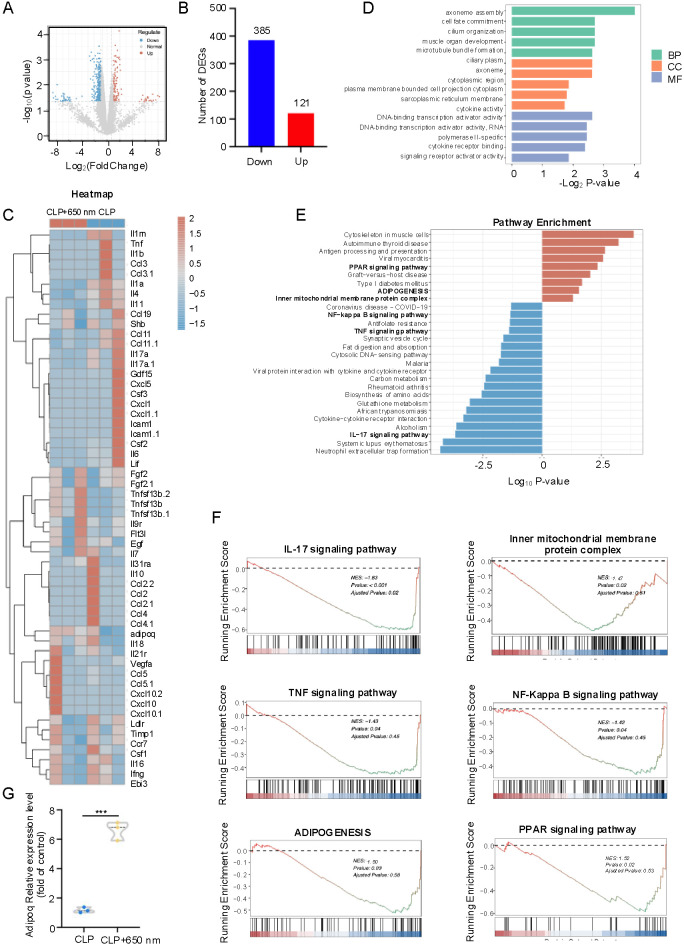 Figure 4
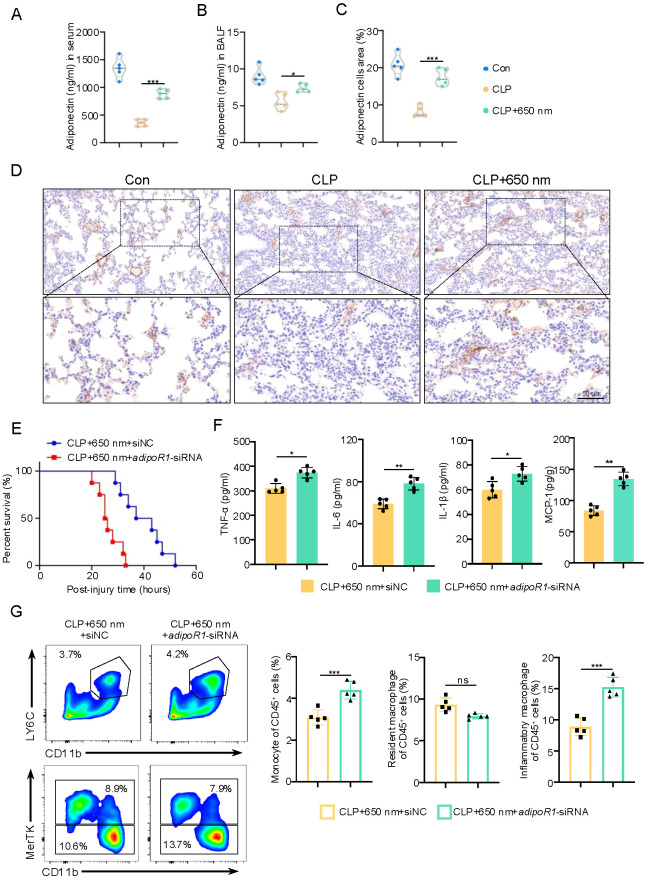 Figure 5
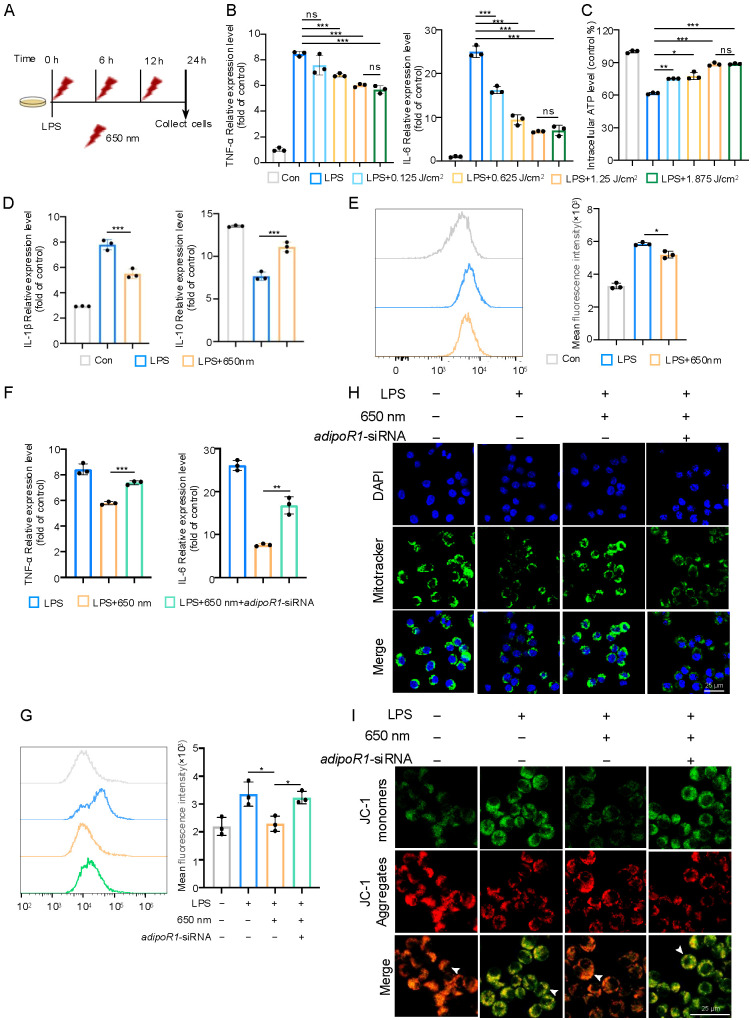 Figure 6
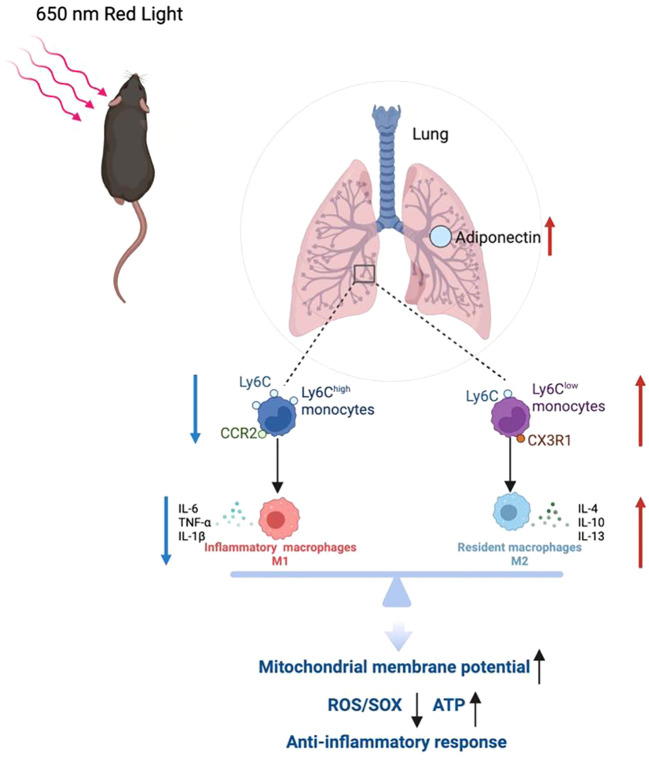 Figure 7
Peer Reviews
No public reviews on file for this paper yet. If you reviewed it on a platform where reviews are public (OpenReview, ICLR, NeurIPS, ICML), you can paste yours below so the community can read it here.
Videos
No videos yet. Explain this paper in a talk, walkthrough, or lecture? Add one.
Taxonomy
TopicsLaser Applications in Dentistry and Medicine · Photodynamic Therapy Research Studies · Medical and Biological Ozone Research