Thermotolerant insect-associated selective pressure may drive increased lipid metabolic plasticity and emerging pathogenic potential in yeasts
Casey Van Baalen, Nerve Zhou, Teun Boekhout, Olihile M. Sebolai, Jacobus Albertyn, Carolina H. Pohl

TL;DR
This paper explores how yeasts living with thermotolerant insects may develop traits that help them become more pathogenic to humans.
Contribution
The novel idea is that insect-associated yeasts may evolve increased lipid metabolic plasticity and pathogenic potential due to thermal stress.
Findings
Thermotolerant insects may act as an ecological bridge for yeasts to infect endothermic hosts.
Lipid metabolic plasticity is linked to thermotolerance and pathogenic traits in yeasts.
Insect-yeast interactions may drive the evolution of antifungal resistance and immune evasion.
Abstract
The emergence of pathogenic yeasts such as Candidozyma auris represents a growing global health threat. Despite advances in fungal genomics, the ecological and physiological origins of pathogenicity in yeasts remain poorly understood. Most yeasts thrive at mesophilic temperatures, with a sharp decline in biodiversity beyond 30 °C, limiting the ability of many yeasts to infect endothermic hosts. Most insects, as ectothermic organisms with variable and often elevated body temperatures, co-exist intimately with yeasts in diverse environments and exert unique selective pressures, particularly regarding thermal stress. We hypothesise that these interactions potentially select for yeasts with enhanced lipid metabolic plasticity, a key trait underlying thermotolerance, immune evasion, nutrient adaptation, and antifungal resistance—attributes central to fungal virulence and pathogenicity and…
Genes, proteins, chemicals, diseases, species, mutations and cell lines named across the full text — each resolved to its canonical identifier and authoritative record.
Click any figure to enlarge with its caption.
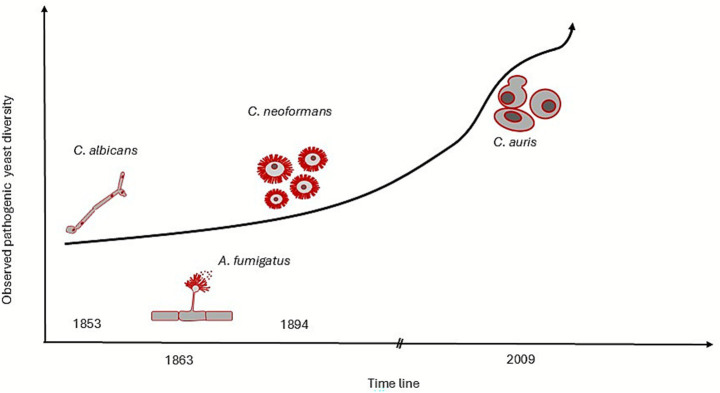 Figure 1
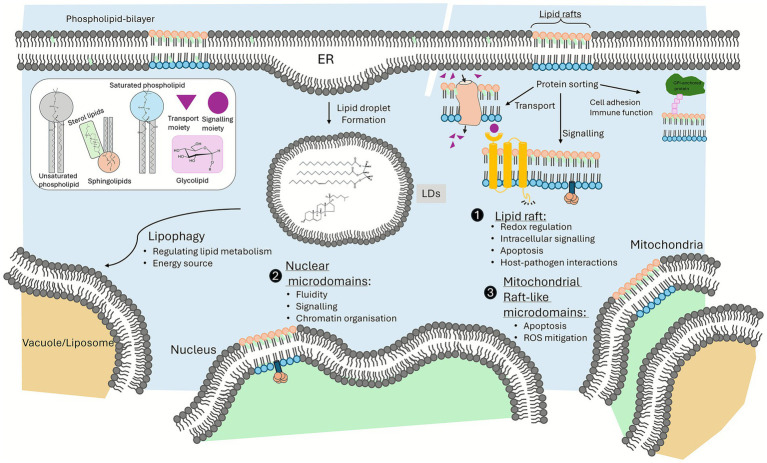 Figure 2
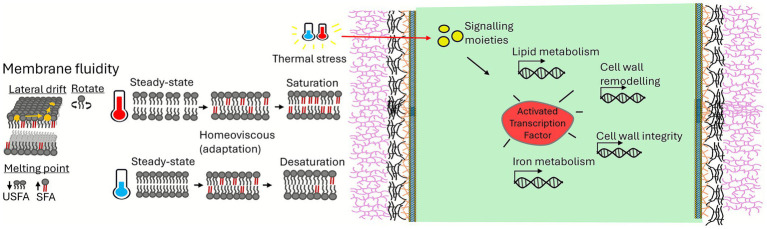 Figure 3
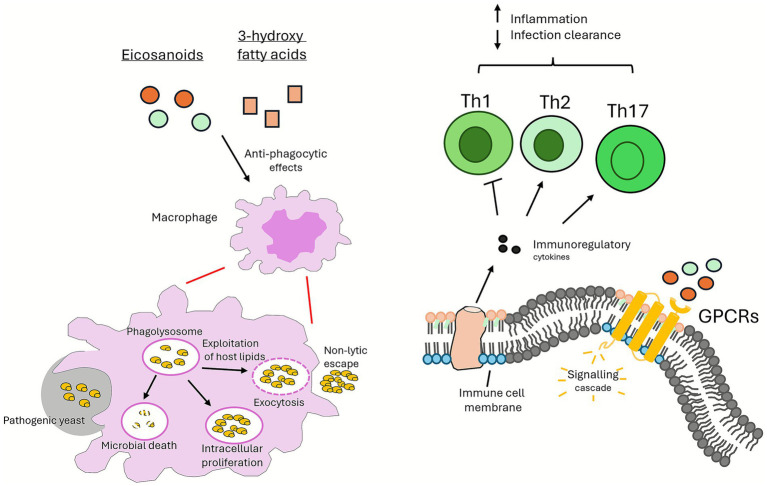 Figure 4
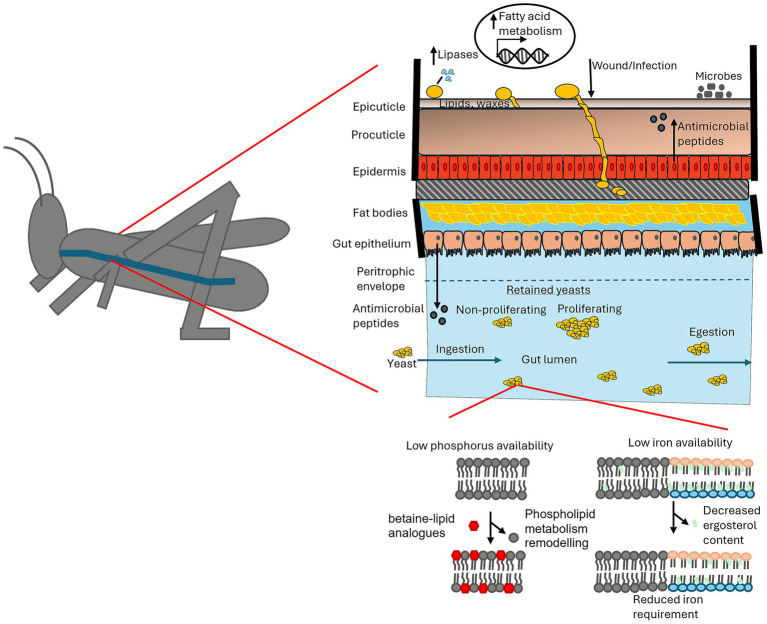 Figure 5
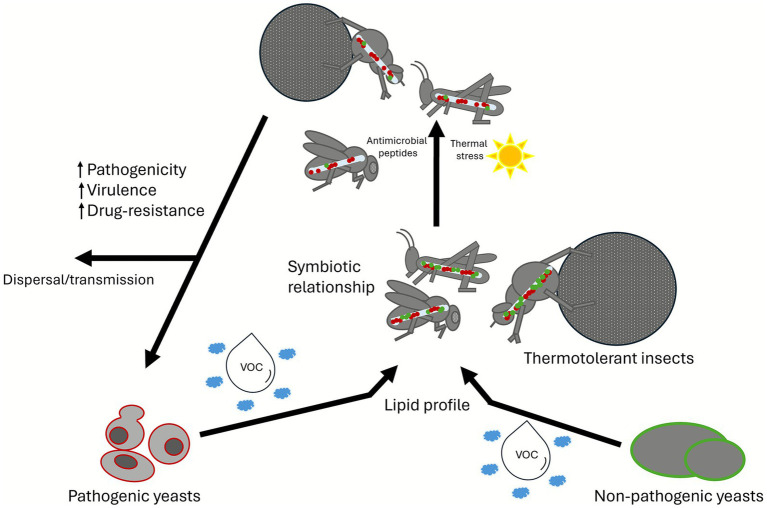 Figure 6
Peer Reviews
No public reviews on file for this paper yet. If you reviewed it on a platform where reviews are public (OpenReview, ICLR, NeurIPS, ICML), you can paste yours below so the community can read it here.
Videos
No videos yet. Explain this paper in a talk, walkthrough, or lecture? Add one.
Taxonomy
TopicsYeasts and Rust Fungi Studies · Fungal and yeast genetics research · Insects and Parasite Interactions