Piperine improves ischemic brain injury by promoting the regulation of the AMPK/PGC-1α pathway by Apelin 13
Siyu Xi, Jiangbo Ma, Jing Yan, Yanzhong Li, Peng Zhang, Huiling Chen, Guangyu Yang, Xueyan Fu, Juan Liu, Yiwei Zhang

TL;DR
Piperine, a compound from traditional Chinese medicine, helps reduce brain damage from stroke by boosting mitochondrial function through the Apelin 13 and AMPK/PGC-1α pathways.
Contribution
This study reveals a novel mechanism where piperine enhances Apelin 13 to activate mitochondrial biogenesis via the AMPK/PGC-1α pathway in ischemic stroke.
Findings
Piperine combined with Apelin 13 significantly improved mitochondrial function and reduced oxidative stress in stroke models.
Piperine increased Apelin 13 expression, which was essential for activating the AMPK/PGC-1α pathway and promoting mitochondrial biogenesis.
Knocking down Apelin 13 blocked the neuroprotective effects of piperine and Apelin 13, confirming its critical role in the observed mechanism.
Abstract
Ischemic stroke (IS) persists as the second foremost cause of mortality and the primary cause of long-term disability globally, a burden largely attributable to a paucity of effective therapeutic strategies. Piperine (PIP) is a bioactive component of traditional Chinese medicine that has shown potential to reduce cell inflammation and pyroptosis. Recent studies indicate that mitochondrial biogenesis can improve ischemic stroke. In this study, we aimed to investigate the effect of PIP combined with Apelin 13 on mitochondrial biosynthesis in IS and determine its mechanism and whether PIP promotes Apelin 13. We used network pharmacology to screen chemical drugs for combination therapy for IS. Male Sprague–Dawley rats were utilized to induce a model of pMCAO, and primary cortical neuron cells were extracted to establish an oxygen–sugar deprivation–reperfusion model. To evaluate the…
Genes, proteins, chemicals, diseases, species, mutations and cell lines named across the full text — each resolved to its canonical identifier and authoritative record.
Click any figure to enlarge with its caption.
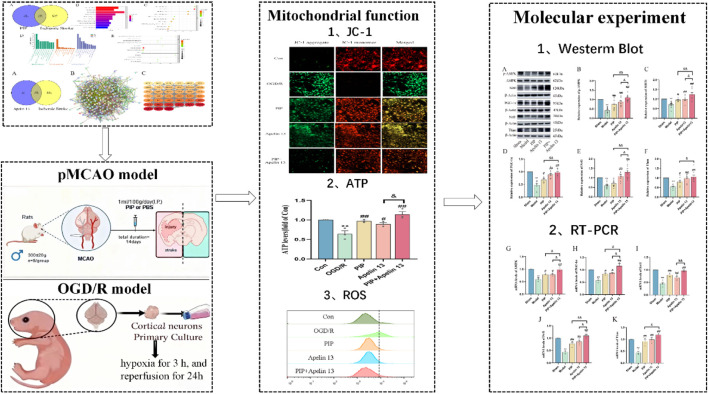 Figure 1
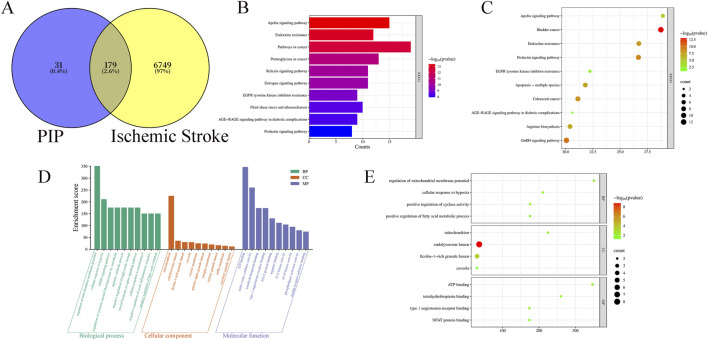 Figure 2
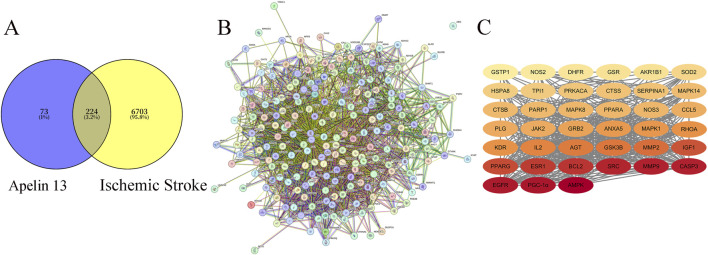 Figure 3
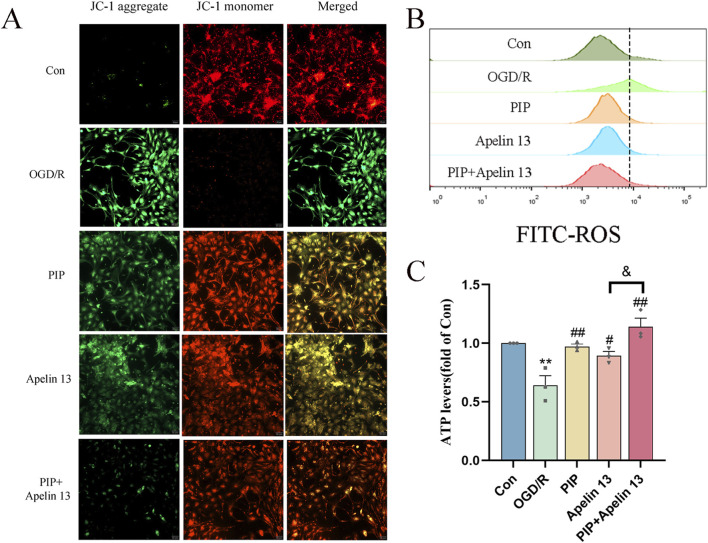 Figure 4
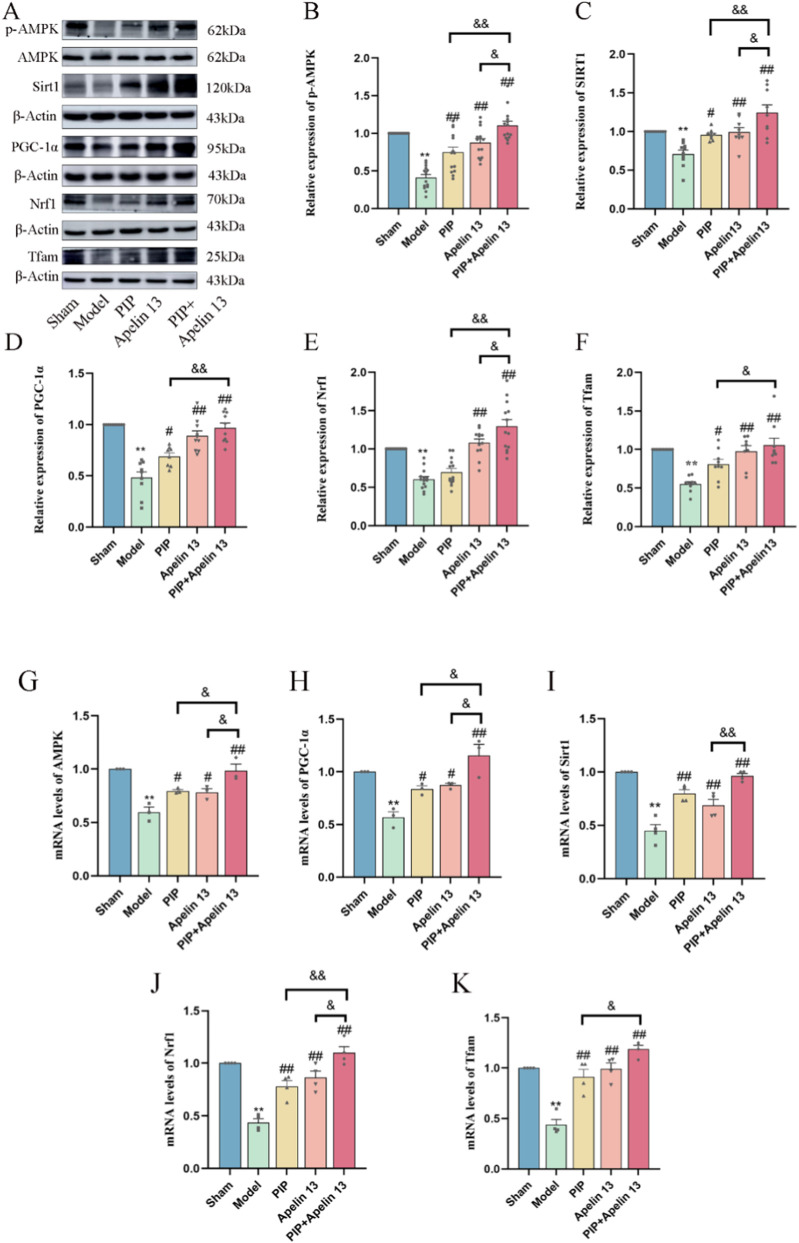 Figure 5
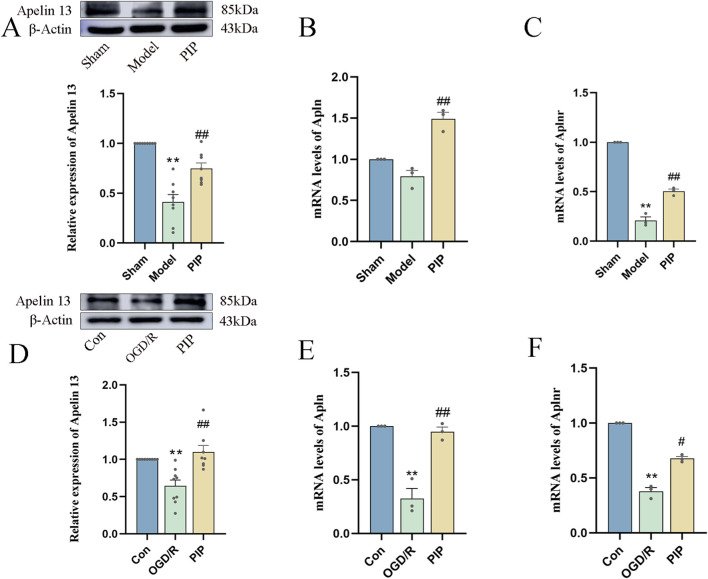 Figure 6
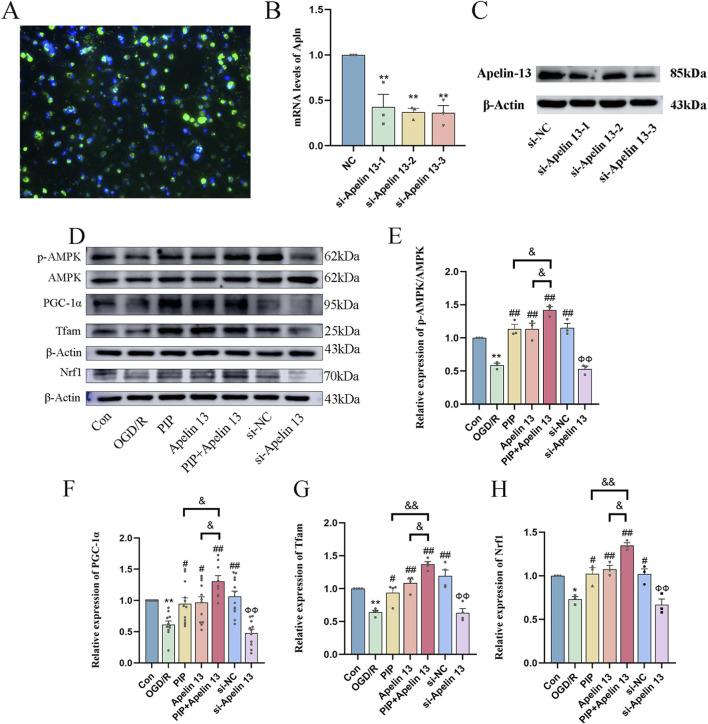 Figure 7
Peer Reviews
No public reviews on file for this paper yet. If you reviewed it on a platform where reviews are public (OpenReview, ICLR, NeurIPS, ICML), you can paste yours below so the community can read it here.
Videos
No videos yet. Explain this paper in a talk, walkthrough, or lecture? Add one.
Taxonomy
TopicsApelin-related biomedical research · GDF15 and Related Biomarkers · Cardiovascular, Neuropeptides, and Oxidative Stress Research