K+ channel blockade limits AF and suppresses phase 3 EADs by slowing repolarization in an electromechanical cell computational model
Fazeelat Mazhar, Stefano Severi, Chiara Bartolucci

TL;DR
Blocking K+ channels can reduce atrial fibrillation and phase 3 early afterdepolarizations by slowing repolarization in a computational model.
Contribution
The study reveals novel anti-arrhythmic mechanisms of K+ channel blockade in suppressing phase 3 EADs through computational modeling.
Findings
K+ channel blockade slows repolarization and suppresses phase 3 EADs in arrhythmic conditions.
4-AP reduces susceptibility to DADs by eliminating cytosolic Ca2+ overload.
Slowed repolarization from K+ channel blockade reduces AF propensity in the model.
Abstract
Selective inhibition of atrial proarrhythmicity can be therapeutic for reducing the atrial fibrillation (AF) burden. Atrial-selective K+-channel blockade (mainly Kv1.5 and Kv4.3 channels conducting the sustained IKur and transient Ito outward currents) promises to suppress AF with a favorable benefit-to-harm ratio. The mechanisms underlying the efficacy of K+ channel blockade under arrhythmic conditions and its association with electrophysiological and contractile remodeling in AF remain to be investigated. Using our electromechanically coupled model MBS2023, we have simulated the effects of 4-aminopyridine (4-AP) and AVE0118 at different basic cycle lengths (2–0.25s). We have dissociated the primary and secondary responses to determine the drug’s underlying mechanisms of action. We have analyzed the effects of K+-channel blockers under arrhythmogenic conditions induced by either…
Genes, proteins, chemicals, diseases, species, mutations and cell lines named across the full text — each resolved to its canonical identifier and authoritative record.
Click any figure to enlarge with its caption.
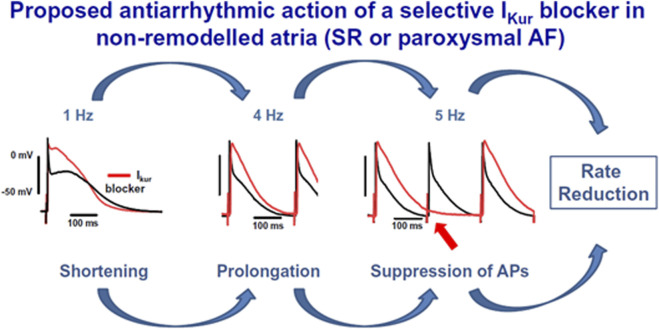 Figure 1
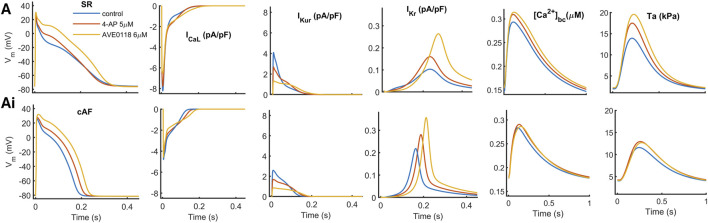 Figure 2
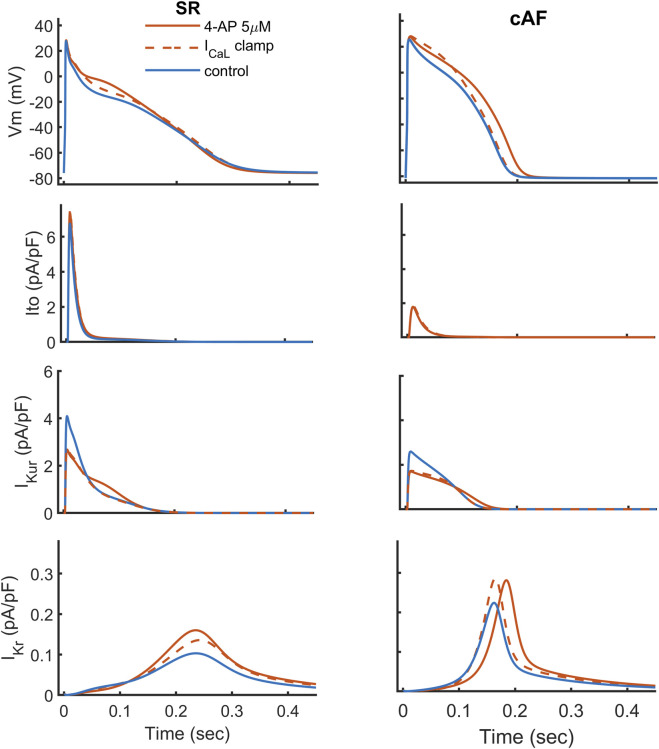 Figure 3
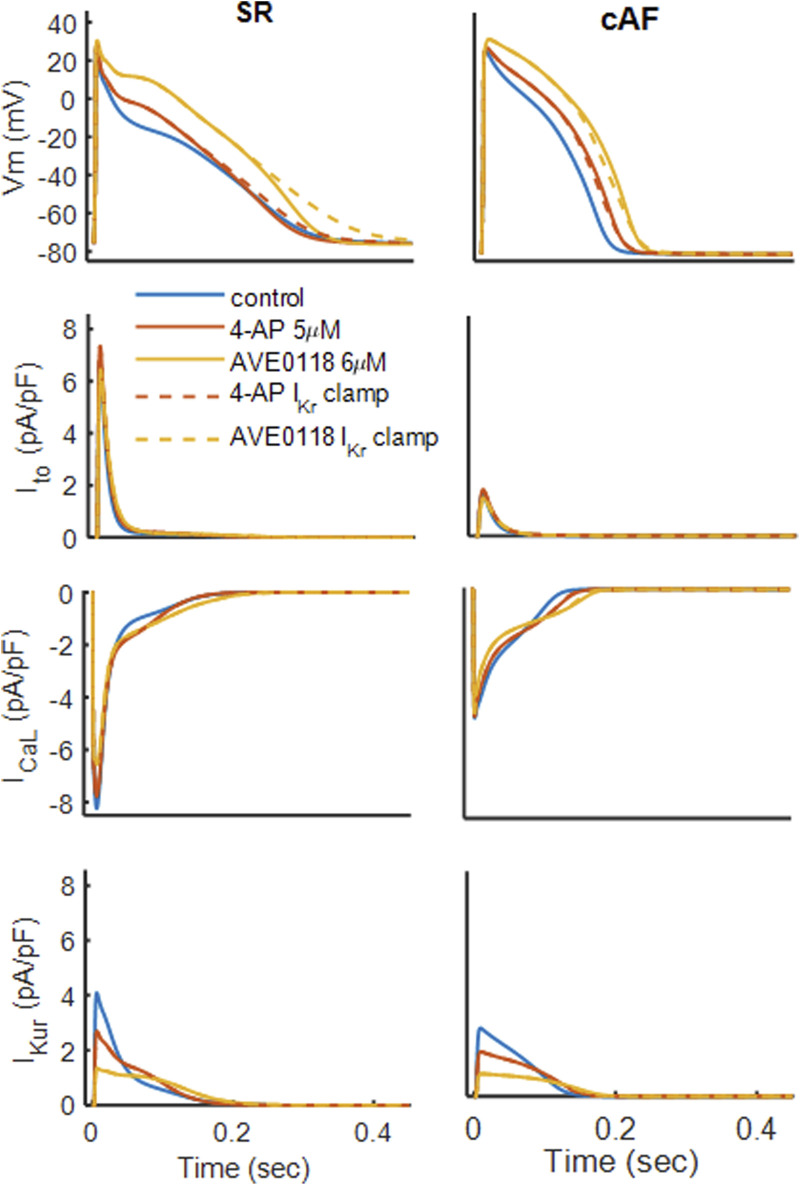 Figure 4
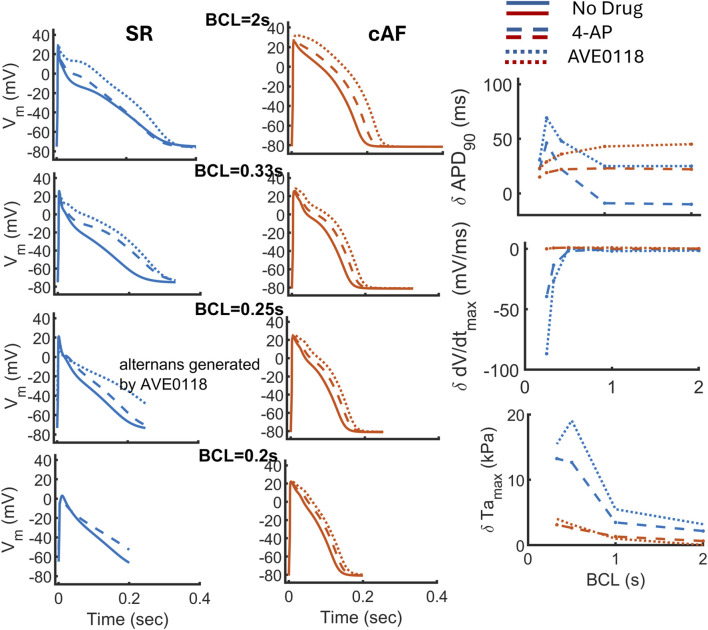 Figure 5
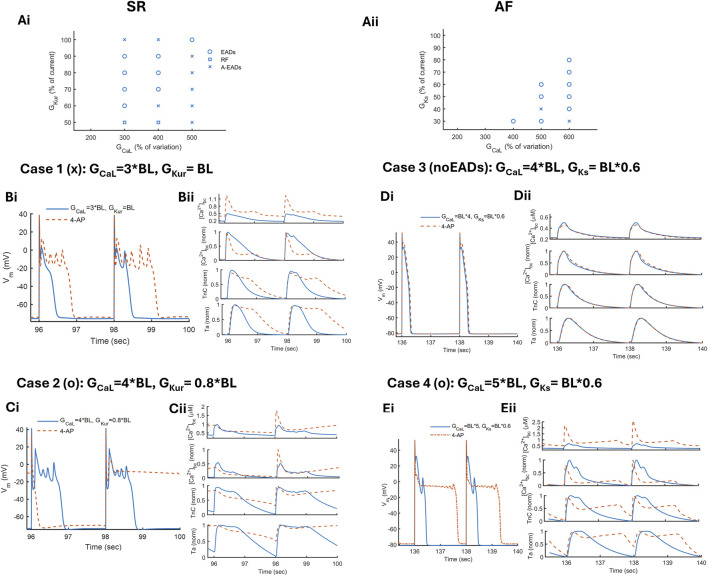 Figure 6
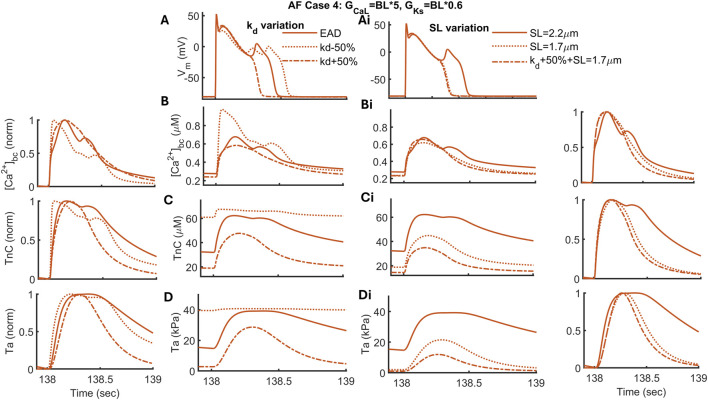 Figure 7
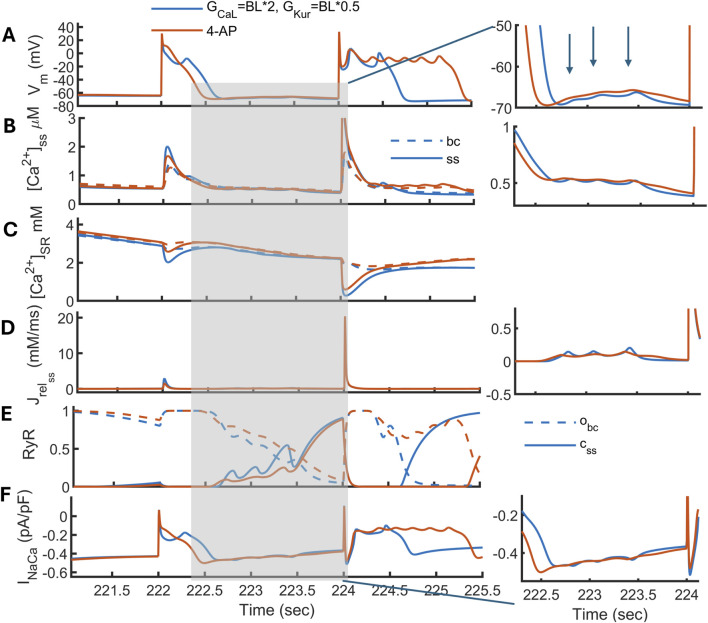 Figure 8
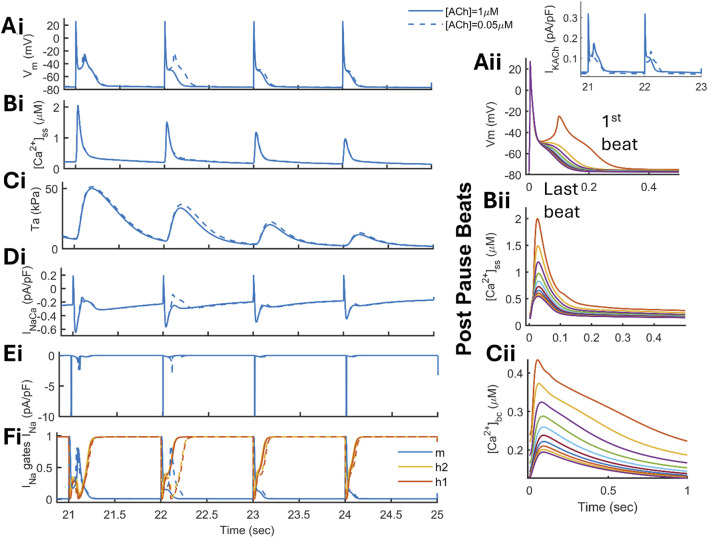 Figure 9
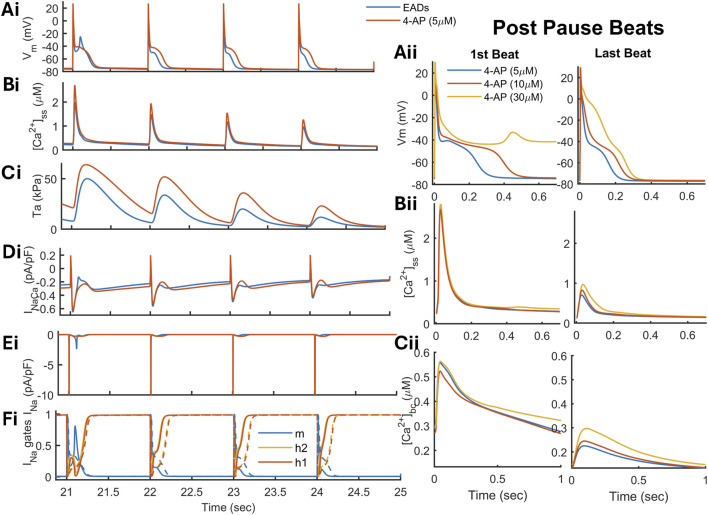 Figure 10
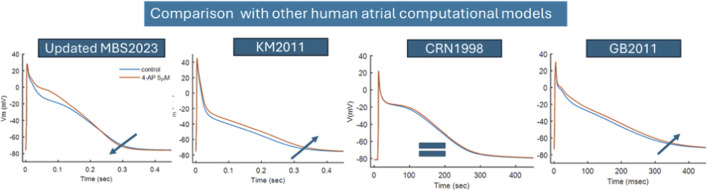 Figure 11
Peer Reviews
No public reviews on file for this paper yet. If you reviewed it on a platform where reviews are public (OpenReview, ICLR, NeurIPS, ICML), you can paste yours below so the community can read it here.
Videos
No videos yet. Explain this paper in a talk, walkthrough, or lecture? Add one.
Taxonomy
TopicsCardiac electrophysiology and arrhythmias · Atrial Fibrillation Management and Outcomes · Cardiac Arrhythmias and Treatments