Odoribacter splanchnicus inhibits toxin production in Clostridioides difficile: insights from clinical correlation and in vitro validation
Na Wang, Jing Fan, Xianbo Geng, Shujuan Zhang, Zhaoyi Pan, Changzhong Jin, Yunbo Chen, Nanping Wu

TL;DR
A gut bacterium called Odoribacter splanchnicus may help prevent harmful toxin production by Clostridioides difficile, a major cause of hospital-acquired diarrhea.
Contribution
Odoribacter splanchnicus is identified as a novel protective commensal that inhibits C. difficile toxin production both clinically and in vitro.
Findings
Higher levels of Odoribacter splanchnicus correlate with lower CDI severity in clinical samples.
In vitro, O. splanchnicus reduces C. difficile toxin production without affecting bacterial growth.
Toxin suppression is linked to reduced tcdB gene expression and increased sporulation.
Abstract
Clostridioides difficile infection (CDI) is a leading cause of healthcare-associated diarrhea. Although gut microbiota dysbiosis is central to CDI, the specific commensal species that confer protection are not well defined. We performed 16S rRNA sequencing on fecal samples from a clinical cohort of 30 CDI patients, 30 non-CDI diarrhea patients, 27 asymptomatic C. difficile carriers, and 30 healthy controls. To functionally validate the clinical finding, an in vitro anaerobic co-culture system was established between the Odoribacter splanchnicus type strain and C. difficile. Toxin protein levels in the supernatant were quantified by ELISA at multiple time points (24, 48, and 72 h). Sporulation was assessed via ethanol resistance assays, and the expression of toxin genes (tcdA/tcdB) was measured by quantitative PCR (qPCR). Clinical analysis revealed a significant negative correlation…
Genes, proteins, chemicals, diseases, species, mutations and cell lines named across the full text — each resolved to its canonical identifier and authoritative record.
Click any figure to enlarge with its caption.
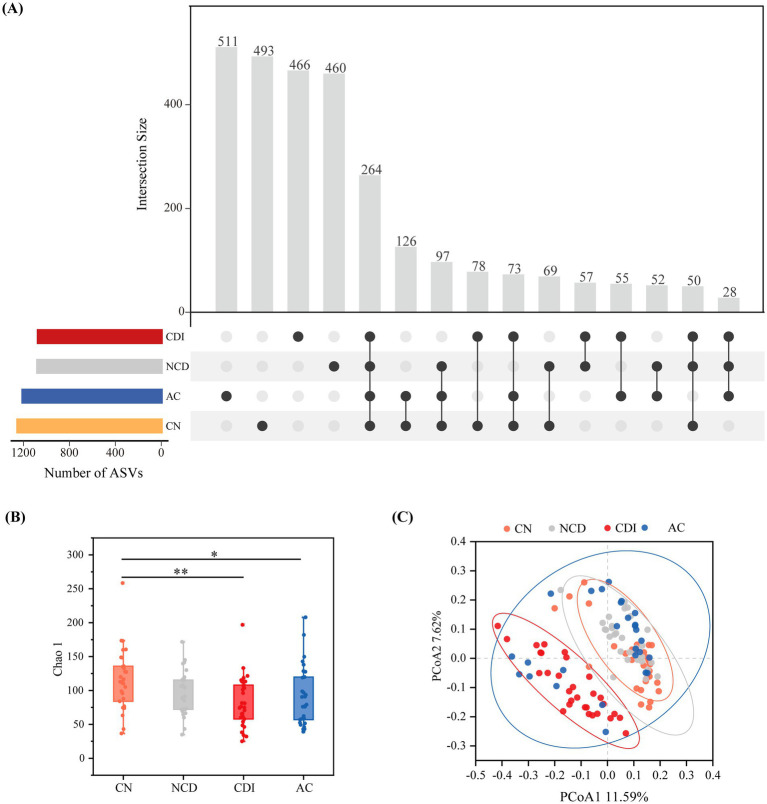 Figure 1
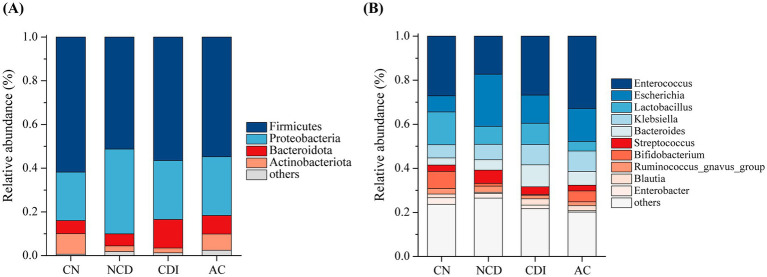 Figure 2
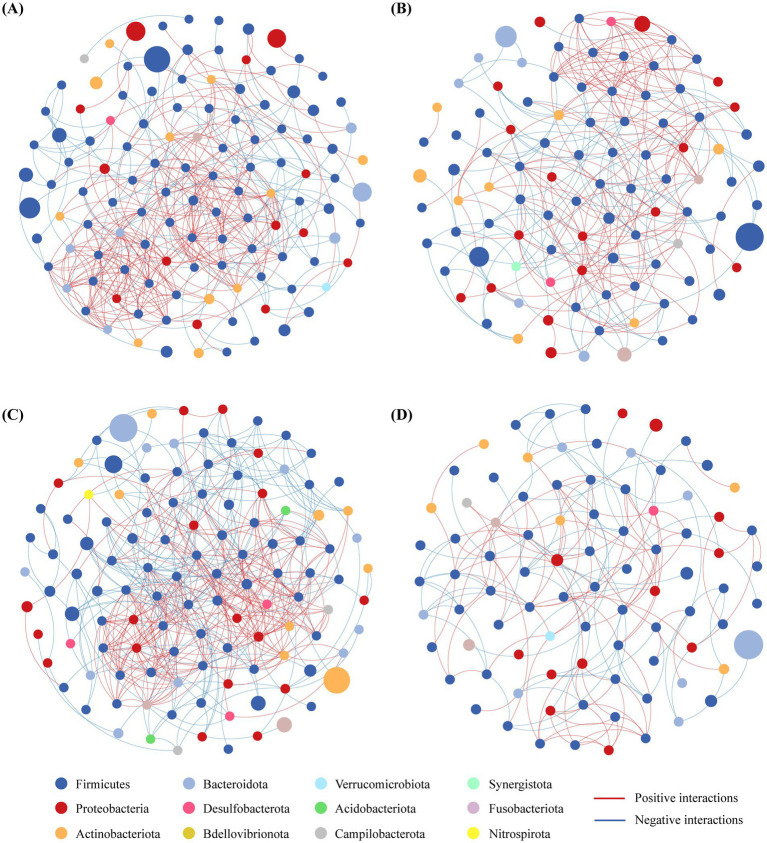 Figure 3
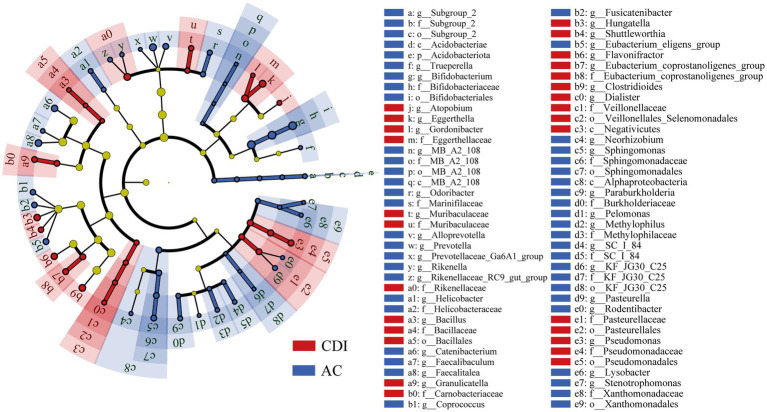 Figure 4
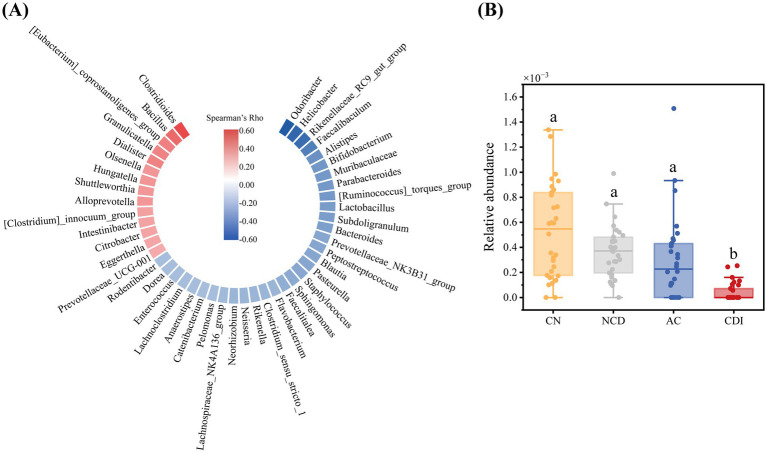 Figure 5
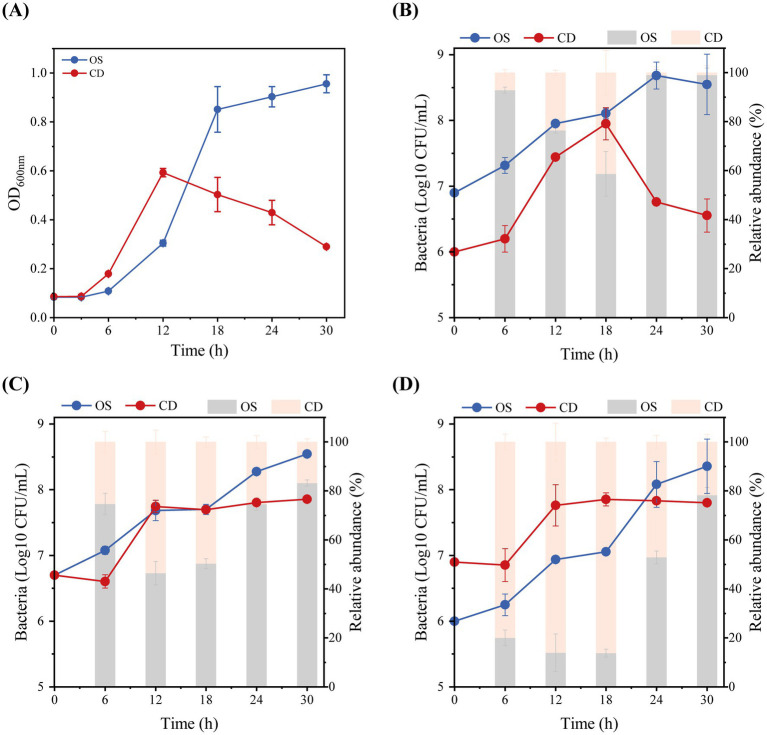 Figure 6
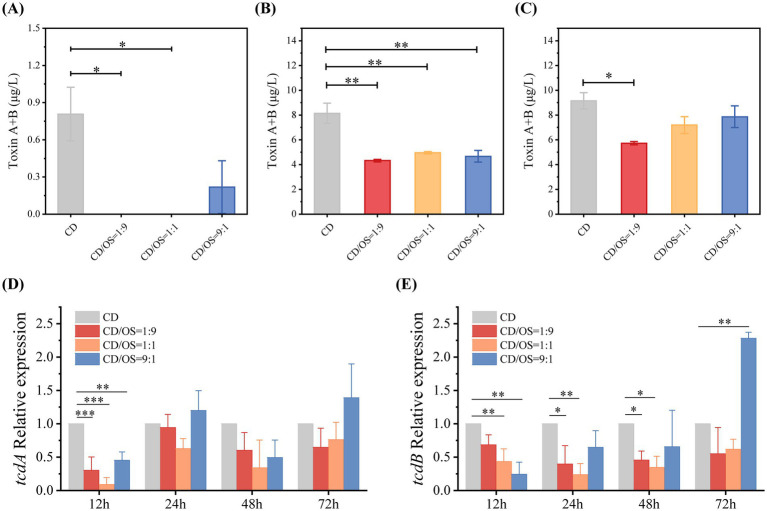 Figure 7
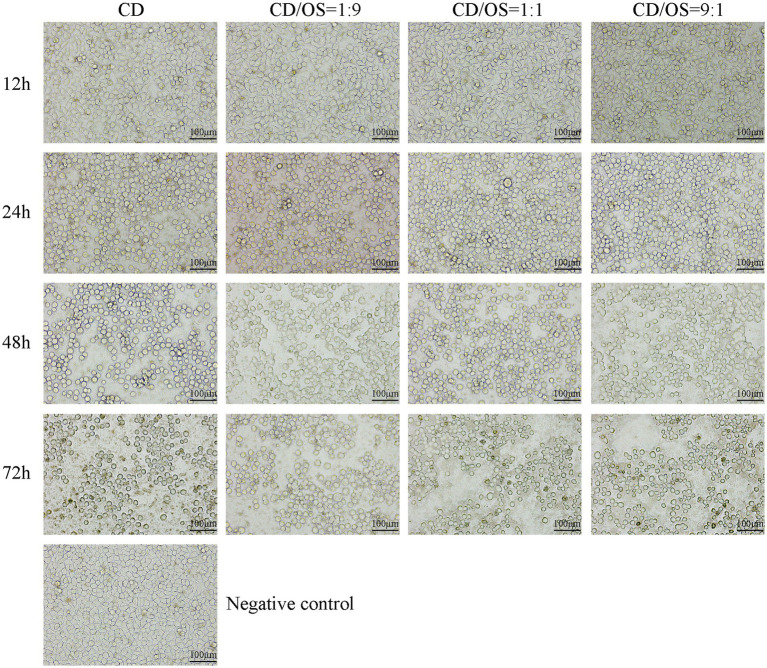 Figure 8
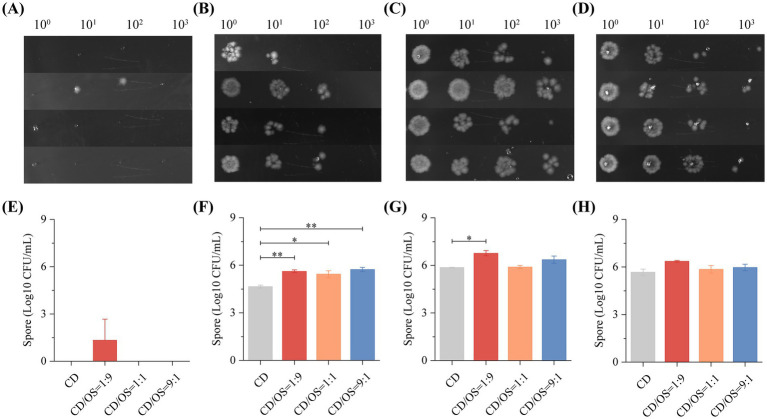 Figure 9
Peer Reviews
No public reviews on file for this paper yet. If you reviewed it on a platform where reviews are public (OpenReview, ICLR, NeurIPS, ICML), you can paste yours below so the community can read it here.
Videos
No videos yet. Explain this paper in a talk, walkthrough, or lecture? Add one.
Taxonomy
TopicsClostridium difficile and Clostridium perfringens research · Gastrointestinal motility and disorders · Gut microbiota and health