Relatively warm deep-water formation persisted in the Last Glacial Maximum
Jack H. Wharton, Emilia Kozikowska, Lloyd D. Keigwin, Thomas M. Marchitto, Mark A. Maslin, Martin Ziegler, David J. R. Thornalley

TL;DR
During the Last Glacial Maximum, the deep Northwest Atlantic was only slightly colder than today, indicating ongoing formation of relatively warm deep water.
Contribution
The study provides new temperature and isotopic data from the deep Northwest Atlantic during the Last Glacial Maximum.
Findings
The deep Northwest Atlantic was approximately 0–2 °C during the Last Glacial Maximum.
Seawater δ18O was 0.3 ± 0.1‰ higher, traced back to the surface subtropics.
Results suggest sustained production of relatively warm and salty North Atlantic Deep Water during the Last Glacial Maximum.
Abstract
The Last Glacial Maximum (19–23 thousand years ago) was characterized by low greenhouse gas concentrations and continental ice sheets that covered large parts of North America and Europe1. Glacial climate was therefore very different, with colder global mean temperatures and an increased Equator-to-pole temperature gradient, probably resulting in stronger westerlies2. However, the state of the deep North Atlantic Ocean under these glacial climate forcings remains uncertain3–6, particularly owing to the rarity of deep-ocean temperature and salinity constraints. Here we show that the temperature of the glacial deep (>1.5 km) Northwest Atlantic was approximately 0–2 °C (only 1.8 ± 0.5 °C (2 s.e.) colder than today), and, after accounting for the whole-ocean change, seawater δ18O was 0.3 ± 0.1‰ (2 s.e.) higher and can be traced back to the surface subtropics via the subpolar Northeast…
Genes, proteins, chemicals, diseases, species, mutations and cell lines named across the full text — each resolved to its canonical identifier and authoritative record.
Click any figure to enlarge with its caption.
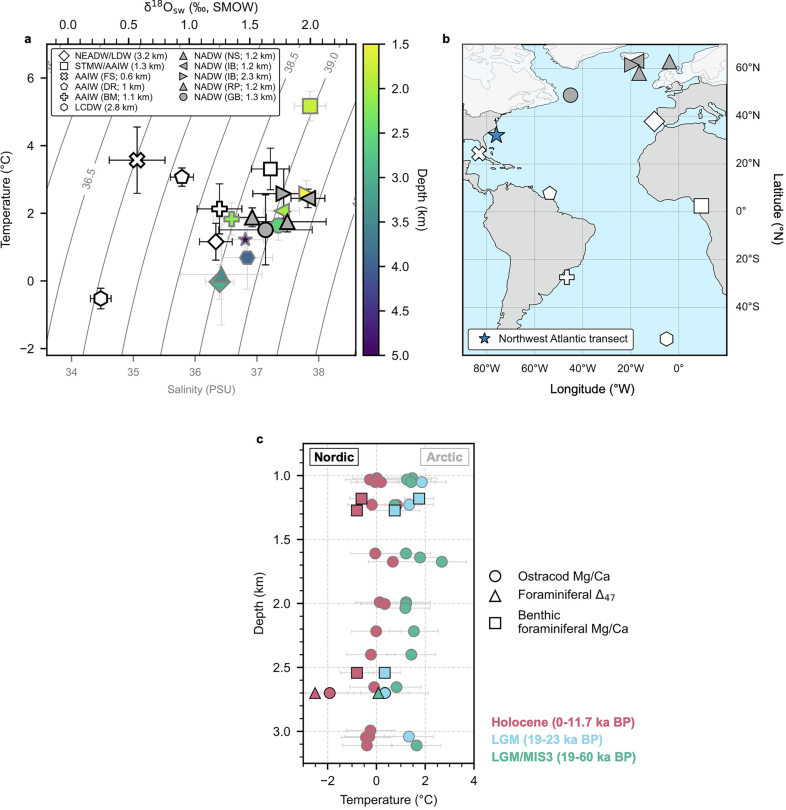 Figure 10
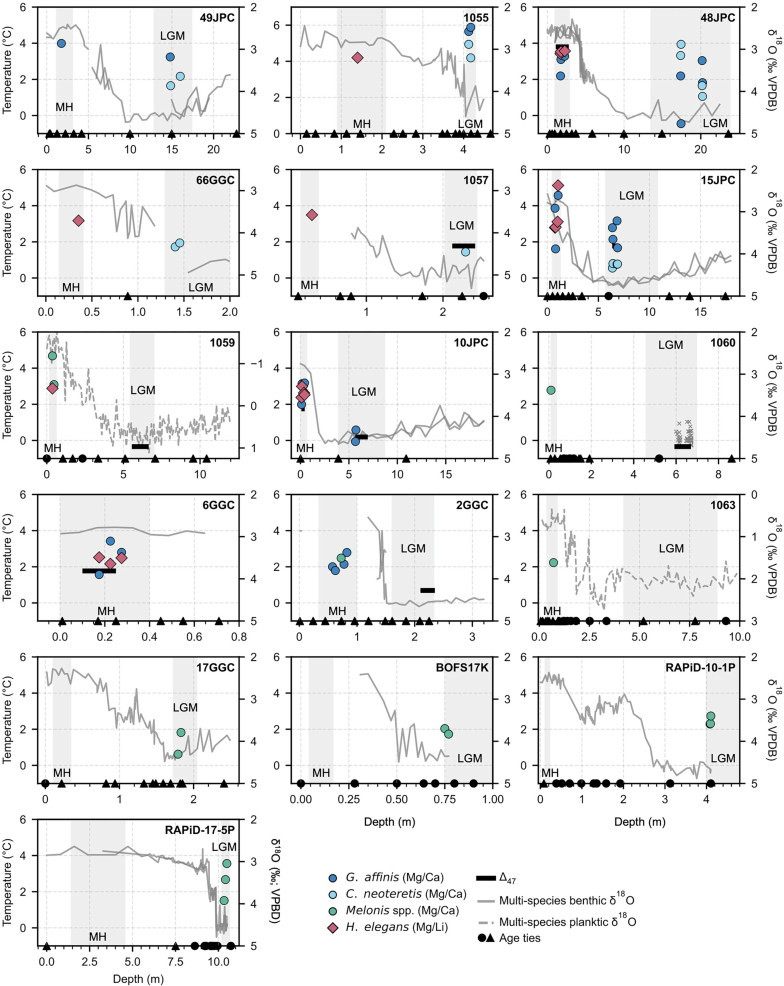 Figure 11
 Figure 12
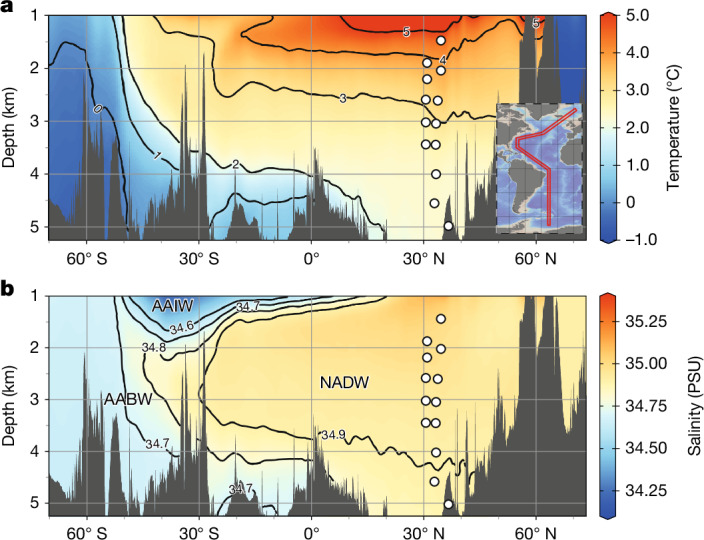 Figure 1
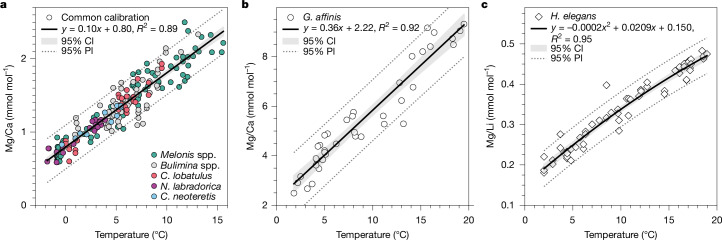 Figure 2
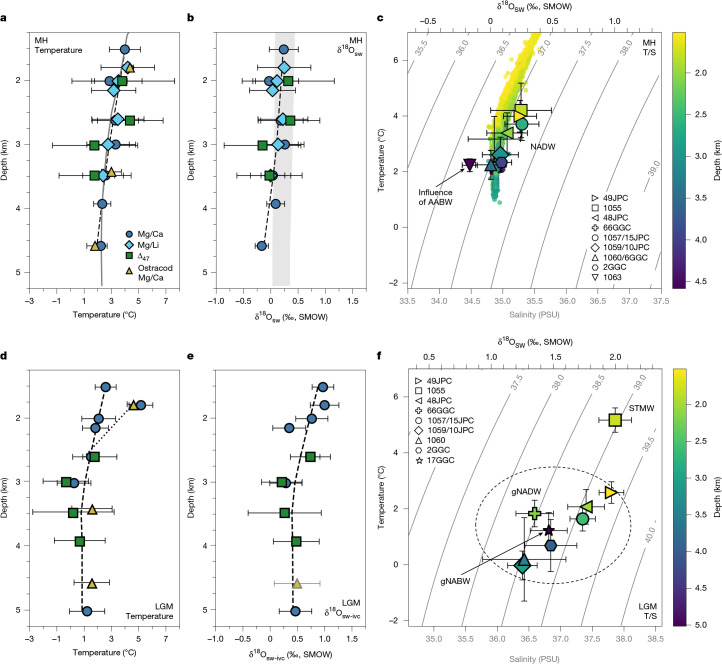 Figure 3
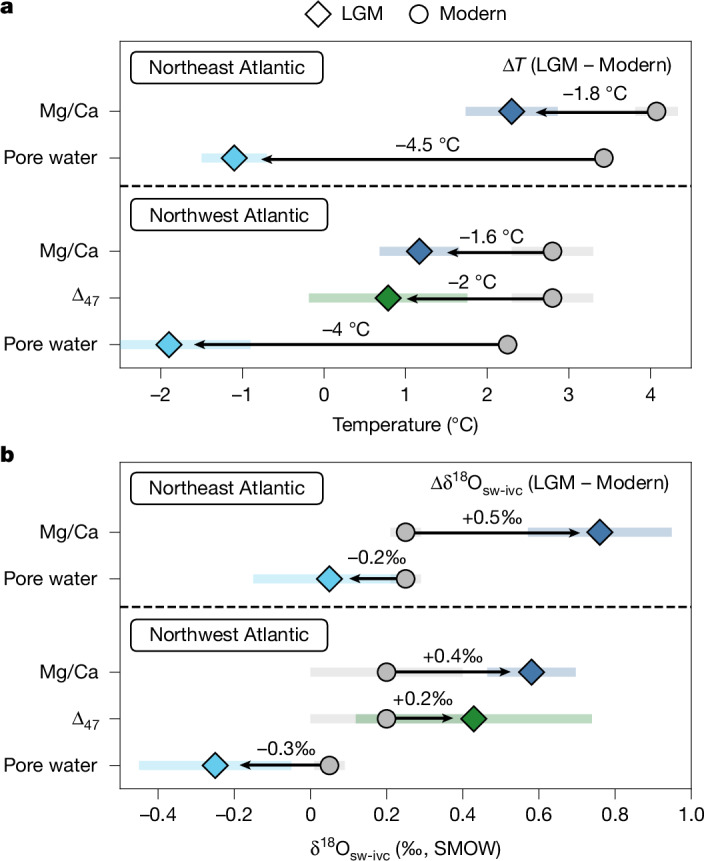 Figure 4
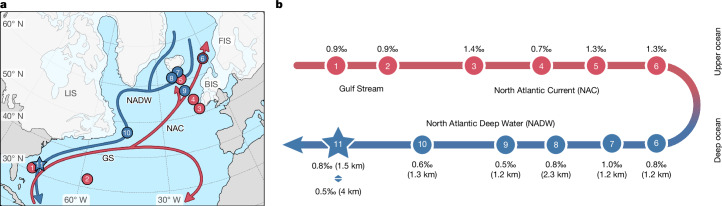 Figure 5
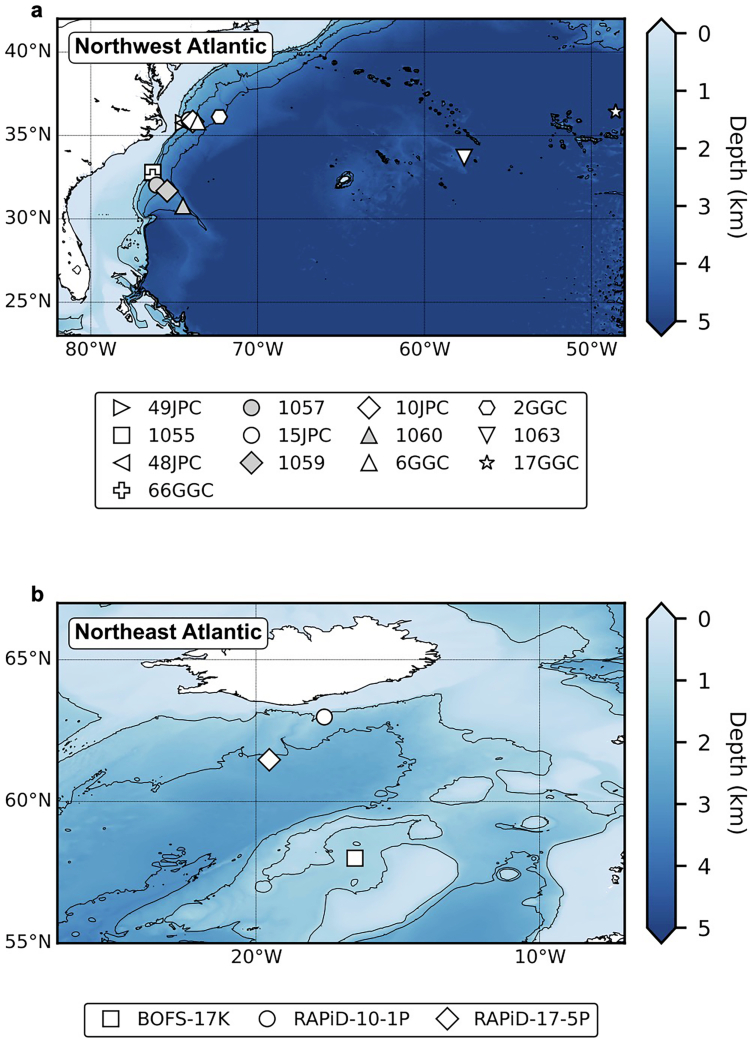 Figure 6
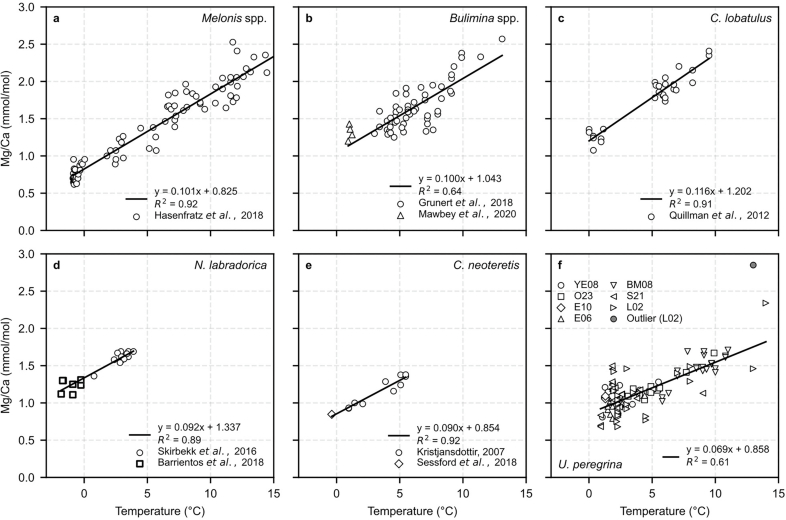 Figure 7
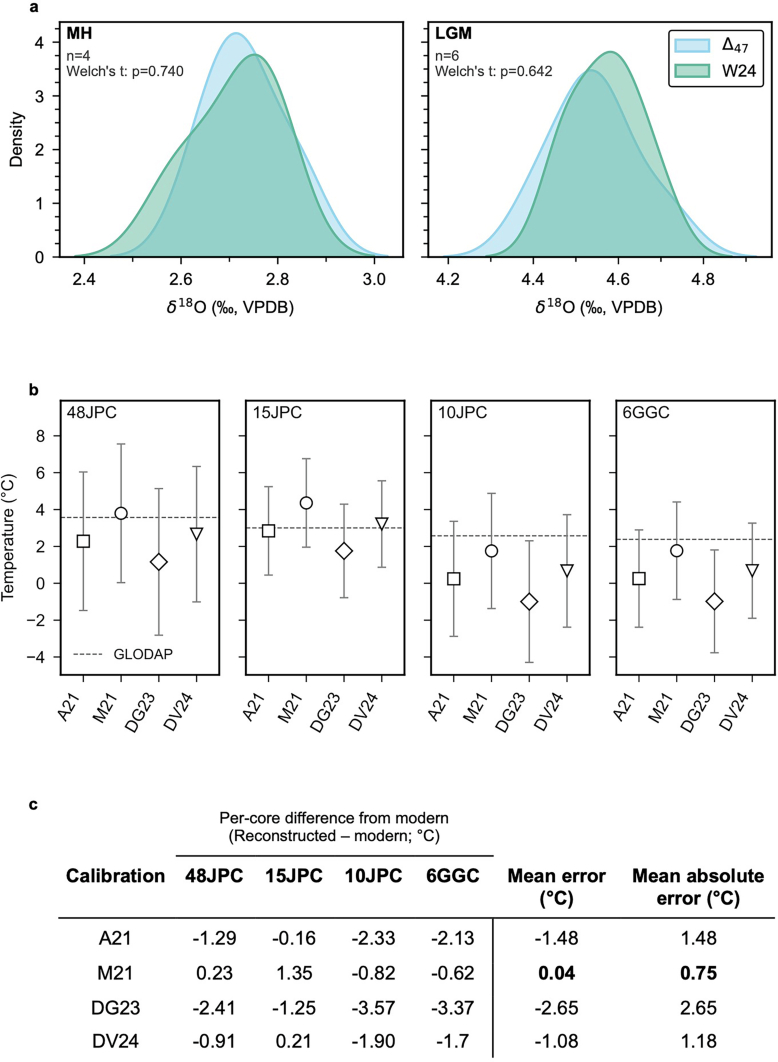 Figure 8
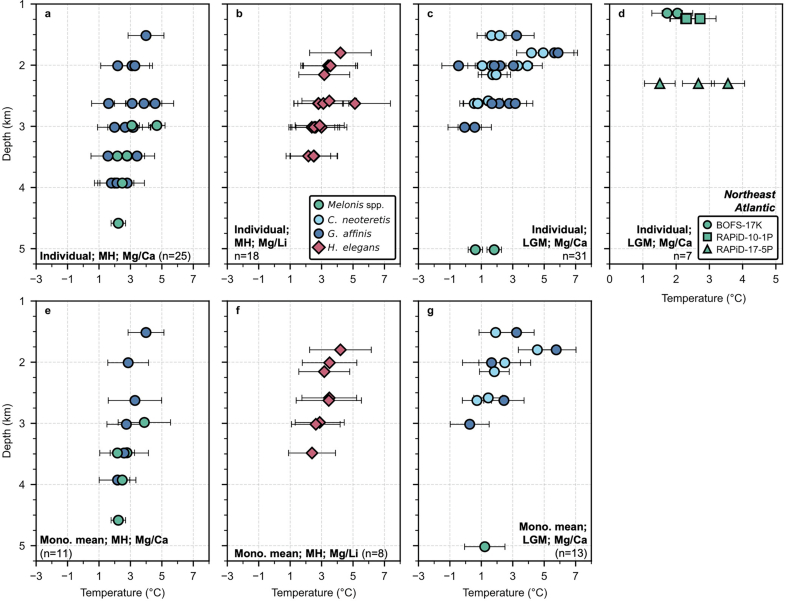 Figure 9
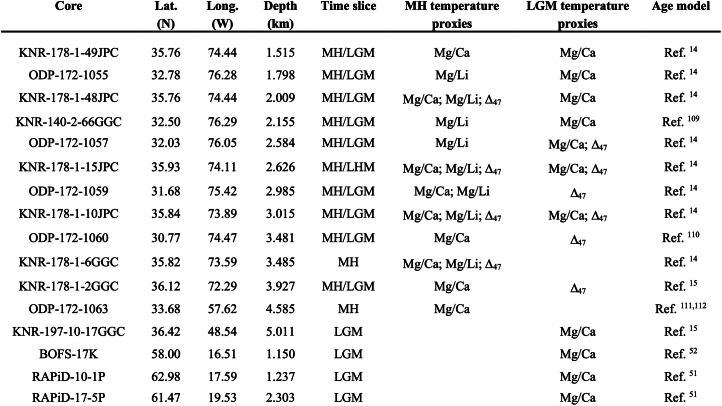 Figure 13
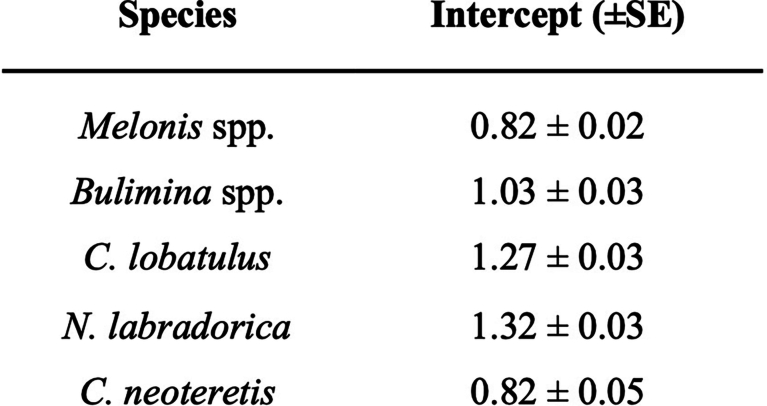 Figure 14
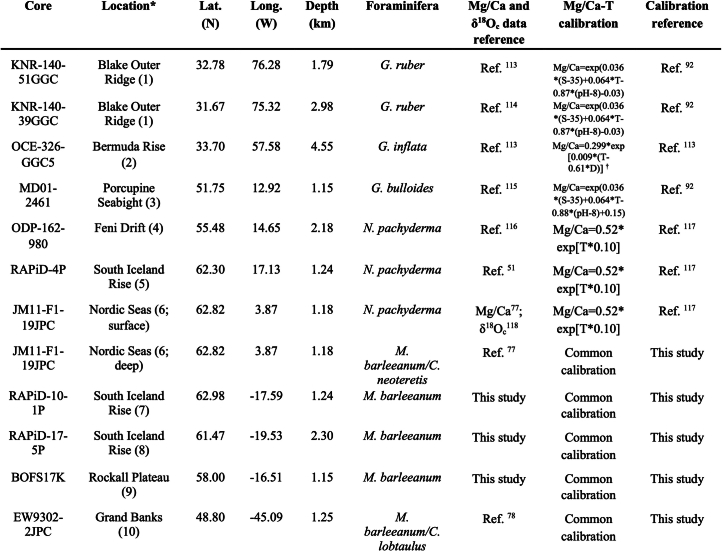 Figure 15
Peer Reviews
No public reviews on file for this paper yet. If you reviewed it on a platform where reviews are public (OpenReview, ICLR, NeurIPS, ICML), you can paste yours below so the community can read it here.
Videos
No videos yet. Explain this paper in a talk, walkthrough, or lecture? Add one.
Taxonomy
TopicsGeology and Paleoclimatology Research · Oceanographic and Atmospheric Processes · Paleontology and Stratigraphy of Fossils