Generation and characterization of iPSC‐derived microglia for in vitro modeling of stimuli‐specific neuroimmune responses
Angela K. Haskell, Joshua A. Kulas, William E. Carter, June Javens‐Wolfe, Raven Dance Hinkel, Mustapha Moussaif, Jacob S. Smiley, Olivia Lazaro, Sylvia Robertson, Alan D. Palkowitz, Bruce T. Lamb, Timothy I. Richardson, Jeffrey L. Dage, Shaoyou Chu, Travis Johnson

TL;DR
This paper describes a new method to create microglia from human stem cells to study brain immune responses and test treatments for diseases like Alzheimer's.
Contribution
A novel in vitro model of iPSC-derived microglia is developed for studying stimuli-specific neuroimmune responses and therapeutic testing.
Findings
iMG rapidly phagocytosed myelin debris and showed changes in lipid homeostasis gene expression.
TREM2 agonist antibody reduced myelin phagocytosis and upregulated CCL1 and CCL22.
IL-4 increased TREM2 and DAP12 expression in iMG but did not enhance myelin uptake.
Abstract
Microglia are macrophage‐like brain resident immune cells known to express numerous Alzheimer's disease risk genes. Here we generated a human induced pluripotent stem cell (iPSC) derived microglia cell culture model for use in neuroimmune modeling and therapeutic testing. We generated iPSC lines using episomal reprogramming for subsequent stepwise differentiation of iPSC‐derived microglia (iMG) without commercial kits. We characterized the responses of this model to immunogenic stimuli and recombinant TREM2 antibodies. The iMG expressed several key microglia signature genes and are morphologically and transcriptionally dynamic. iMG rapidly phagocytosed myelin debris and strongly changed expression of lipid homeostasis genes. iMG expressed TREM2 and increased TREM2 levels in response to IL‐4. Recombinant TREM2 antibody treatment impaired iMG myelin phagocytosis and upregulated…
Genes, proteins, chemicals, diseases, species, mutations and cell lines named across the full text — each resolved to its canonical identifier and authoritative record.
Click any figure to enlarge with its caption.
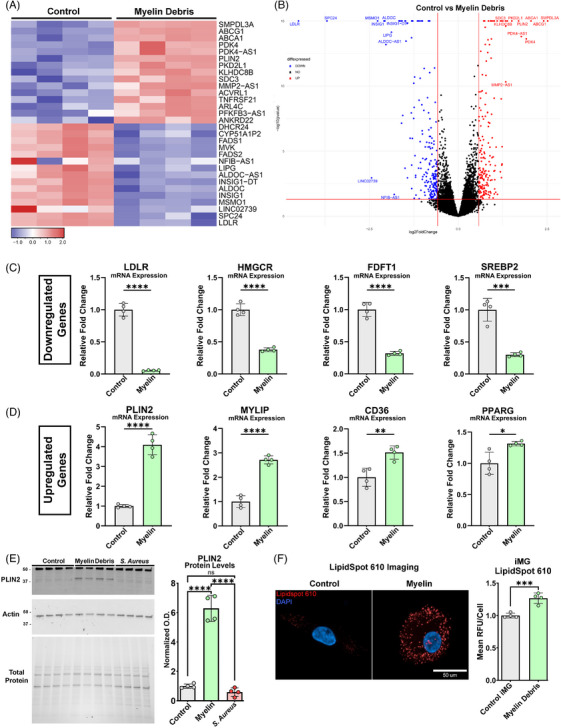 Figure 1
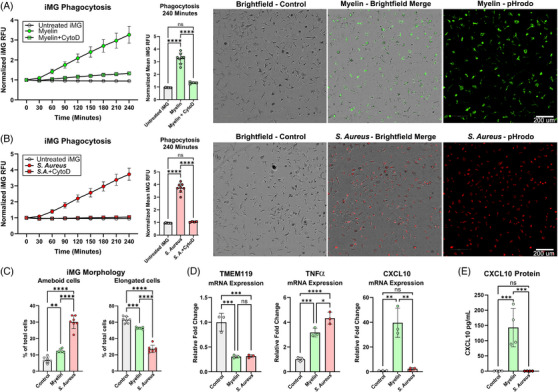 Figure 2
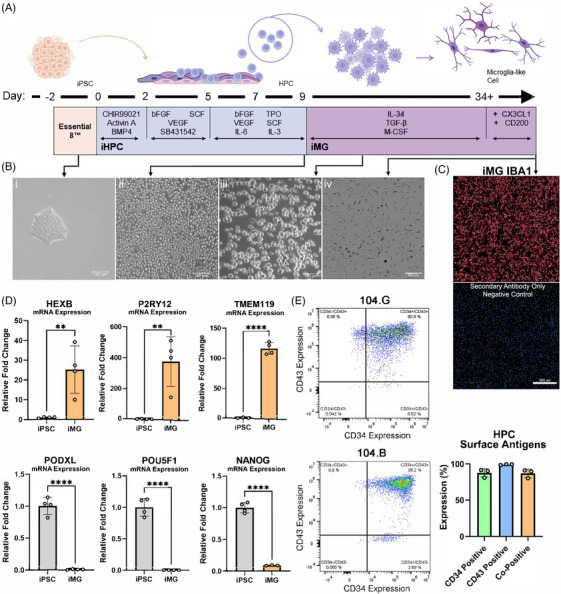 Figure 3
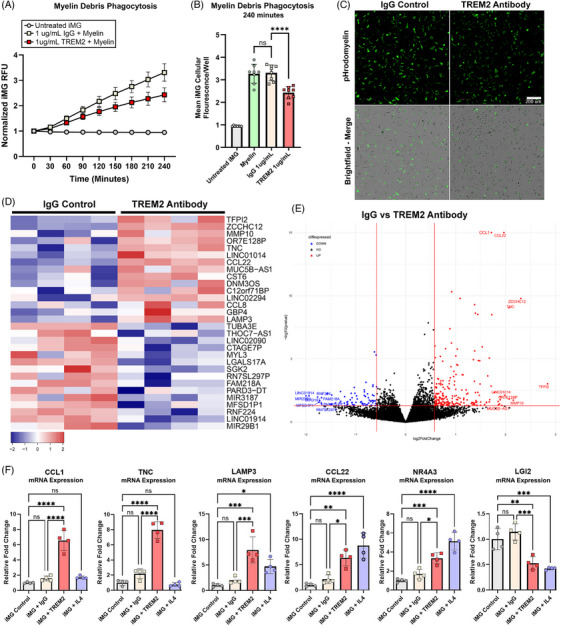 Figure 4
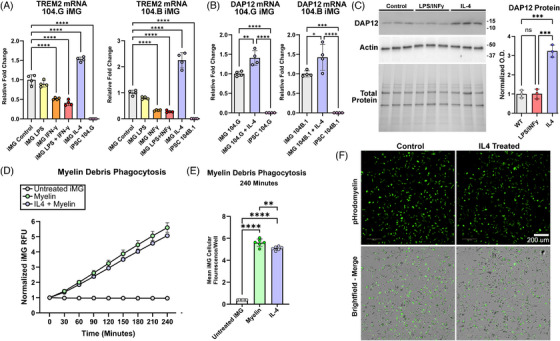 Figure 5
 Figure 6
Peer Reviews
No public reviews on file for this paper yet. If you reviewed it on a platform where reviews are public (OpenReview, ICLR, NeurIPS, ICML), you can paste yours below so the community can read it here.
Videos
No videos yet. Explain this paper in a talk, walkthrough, or lecture? Add one.
Taxonomy
TopicsNeuroinflammation and Neurodegeneration Mechanisms · Inflammation biomarkers and pathways · Neurological Disease Mechanisms and Treatments