Direct AMPK Activation Confers Mutation‐Independent Therapeutic Benefit in Duchenne Muscular Dystrophy
Sean Y. Ng, Andrew I. Mikhail, Stephanie R. Mattina, Magda A. Lesinski, Irena A. Rebalka, Sophie I. Hamstra, Donald Xhuti, Val A. Fajardo, Mark A. Tarnopolsky, Joshua P. Nederveen, Gregory R. Steinberg, Thomas J. Hawke, Vladimir Ljubicic

TL;DR
Activating AMPK improves muscle function and reduces disease symptoms in Duchenne muscular dystrophy without depending on specific genetic mutations.
Contribution
Sustained AMPK activation is shown to be a mutation-independent therapeutic strategy for DMD.
Findings
MK-8722 modulated 206 DMD-associated transcripts in mice and human cells.
AMPK activation improved muscle function, reduced fibrosis, and enhanced mitochondrial respiration in DMD models.
MK treatment did not harm cardiac morphology or function in treated mice.
Abstract
Duchenne muscular dystrophy (DMD) is a severe, life‐limiting neuromuscular disorder (NMD) characterized by progressive muscle wasting and mitochondrial dysfunction. Although gene therapies offer promise, even those already approved by regulatory agencies, their use remains constrained by mutation specificity, delivery challenges and durability. Pharmacologically targeting AMPK has shown potential to ameliorate dystrophic pathology, but prior strategies have been hindered by inadequate efficacy and off‐target effects. Comparative transcriptomic analyses were conducted to assess concordance between gene expression profiles induced by direct AMPK activation and those observed in DMD patient muscle. To evaluate the therapeutic potential of sustained AMPK activation, DBA/2J‐mdx (D2.mdx; n = 8–10) mice were treated daily with MK‐8722 (MK; 5 mg·kg−1) or vehicle for 7 weeks, with healthy…
Genes, proteins, chemicals, diseases, species, mutations and cell lines named across the full text — each resolved to its canonical identifier and authoritative record.
Click any figure to enlarge with its caption.
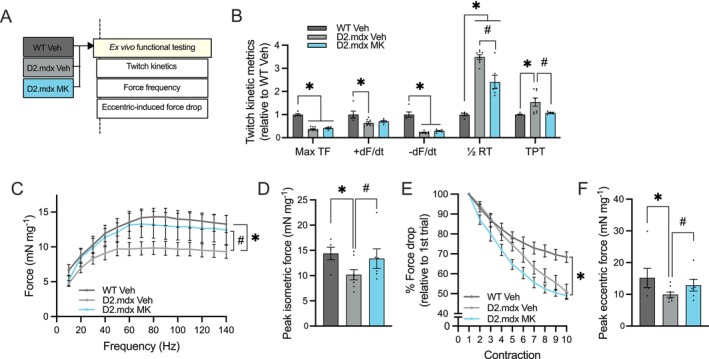 Figure 1
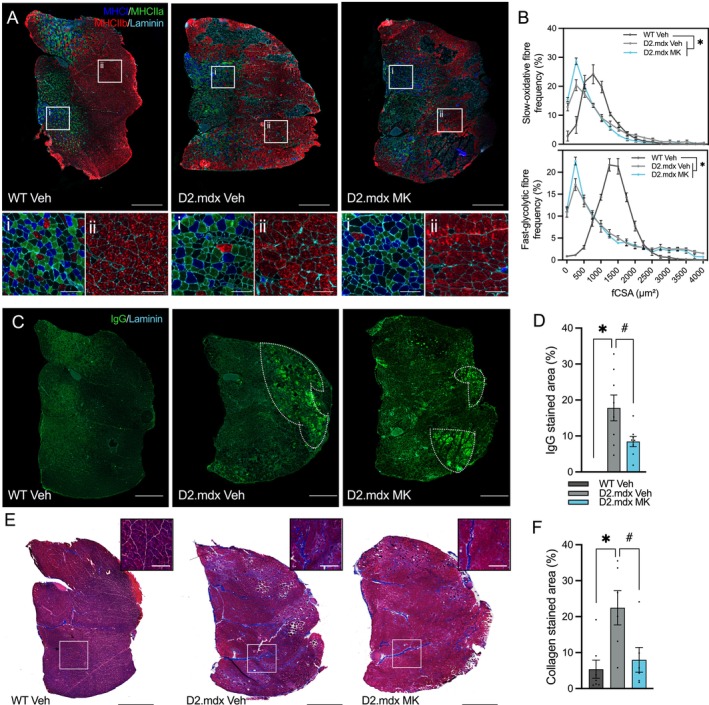 Figure 2
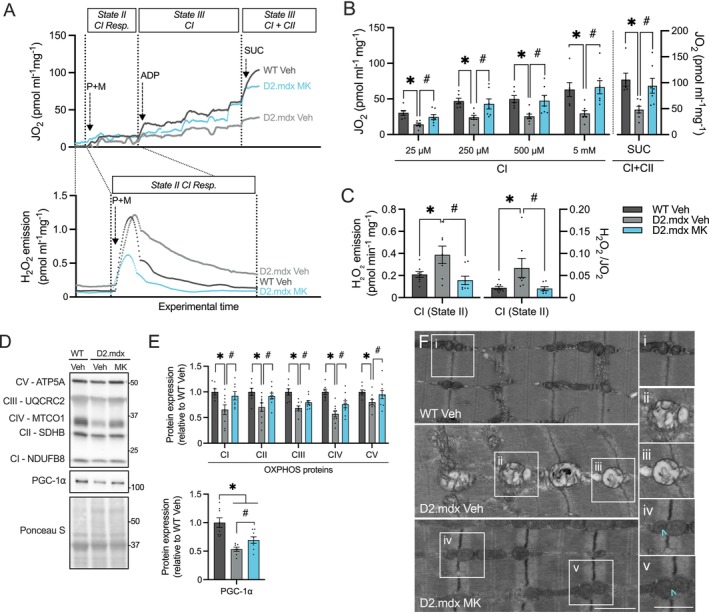 Figure 3
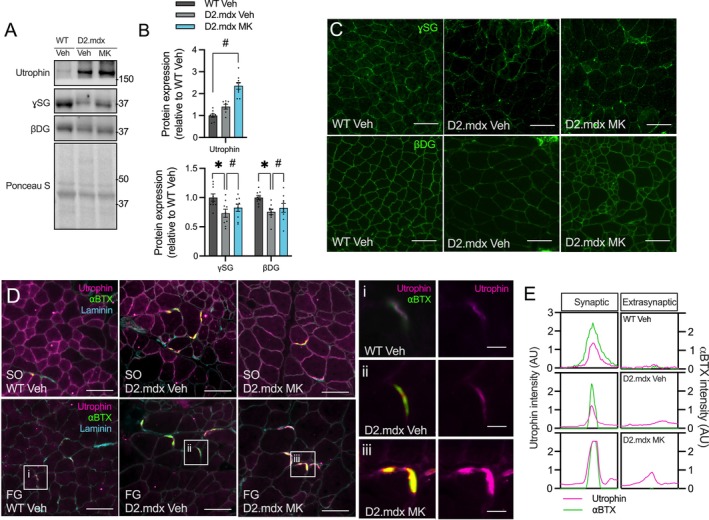 Figure 4
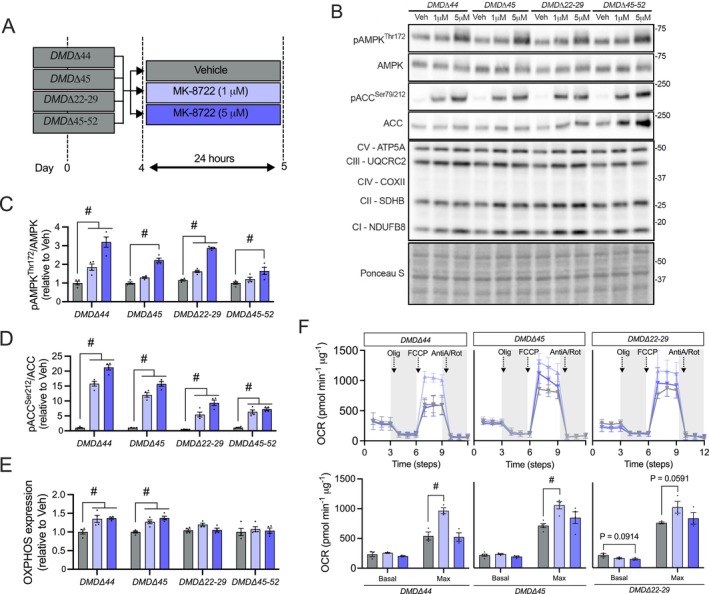 Figure 5
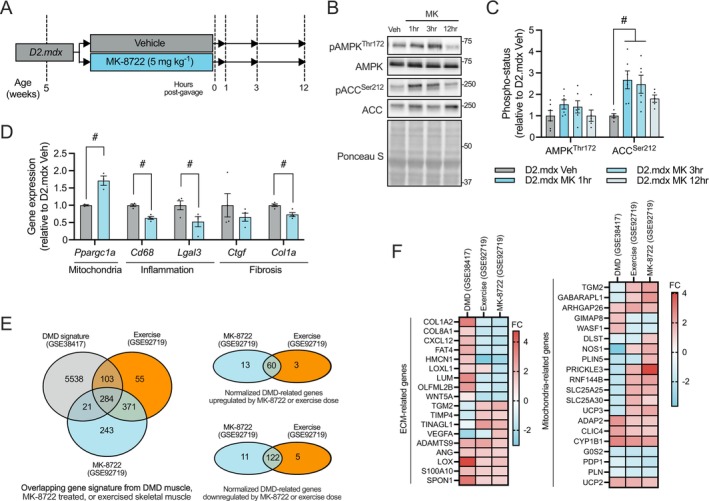 Figure 6
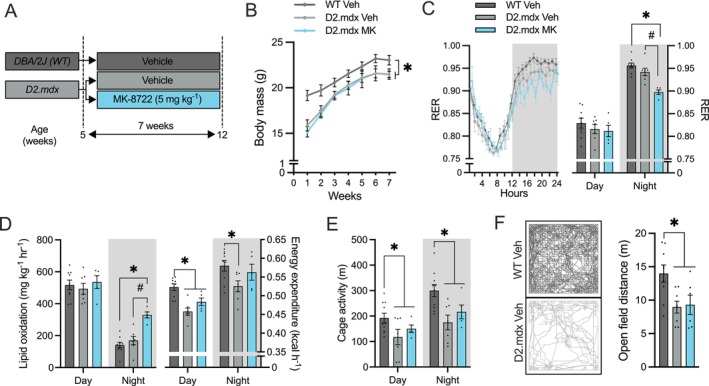 Figure 7
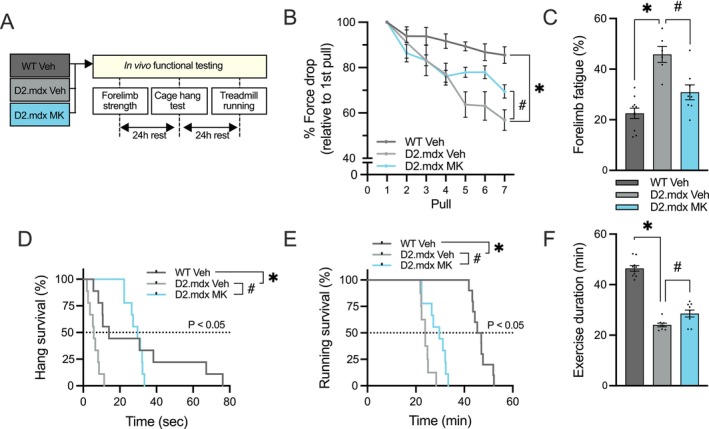 Figure 8
Peer Reviews
No public reviews on file for this paper yet. If you reviewed it on a platform where reviews are public (OpenReview, ICLR, NeurIPS, ICML), you can paste yours below so the community can read it here.
Videos
No videos yet. Explain this paper in a talk, walkthrough, or lecture? Add one.
Taxonomy
TopicsMuscle Physiology and Disorders · Metabolism, Diabetes, and Cancer · GDF15 and Related Biomarkers