Deep brain stimulation for dystonia: outcomes from a Brazilian cohort
Clarice Listik, Eduardo Listik, Flávia de Paiva Santos Rolim, Miriam Carvalho Soares, Renata Montes Garcia Barbosa, Bernardo Assumpção de Monaco, Marina Farah, Marcela Ferreira Cordellini, Tamine Capato, Pedro Renato de Paula Brandão, Igor Vilela Brum

TL;DR
This study evaluates the effectiveness of deep brain stimulation for dystonia in Brazil, showing significant and lasting motor improvements.
Contribution
The study provides the first detailed analysis of DBS outcomes for dystonia in a Brazilian cohort, demonstrating its effectiveness in a developing country context.
Findings
DBS led to significant motor improvement in dystonia patients in Brazil, with BFMDRS scores decreasing from 63.0 to 36.7 at one year.
Improvements were sustained over time, with scores remaining lower at the last assessment (43.6).
DBS targeting the globus pallidus internus was the most common approach (73.3%).
Abstract
Deep brain stimulation (DBS) is a treatment for dystonia, with most trials conducted in developed countries. Data from developing countries like Brazil are limited. To evaluate the landscape of DBS for dystonia in Brazil, assessing motor outcomes compared with the existing literature. A retrospective multicenter cohort study was conducted via medical record review. Demographics and motor outcomes were collected and analyzed using the Burke-Fahn-Marsden Dystonia Rating Scale (BFMDRS) from patients across four of Brazil's five macro-regions. The cohort included 60 patients (44.3% female), with DBS primarily targeting the globus pallidus internus (73.3%) or subthalamic nucleus (18.3%). The BFMDRS motor scores decreased from 63.0 ± 26.2 (n = 24) at baseline to 36.7 ± 24.6 at 1-year post-DBS (n = 22, p = 0.0018) and 43.6 ± 35.0 at the last assessment (n = 13, p = 0.0327). The use of…
Genes, proteins, chemicals, diseases, species, mutations and cell lines named across the full text — each resolved to its canonical identifier and authoritative record.
Click any figure to enlarge with its caption.
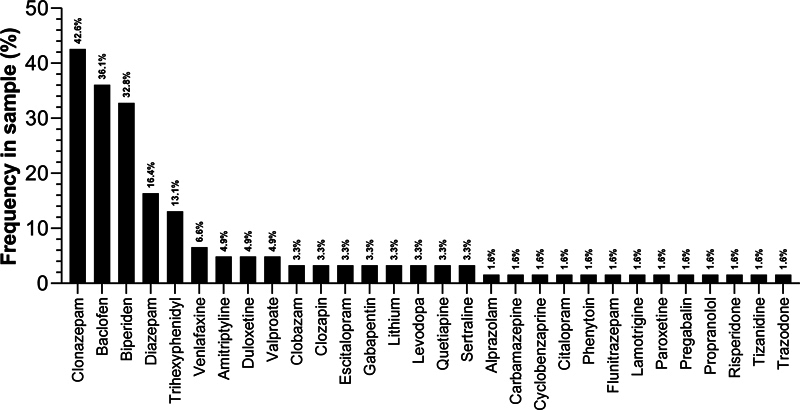 Figure 1
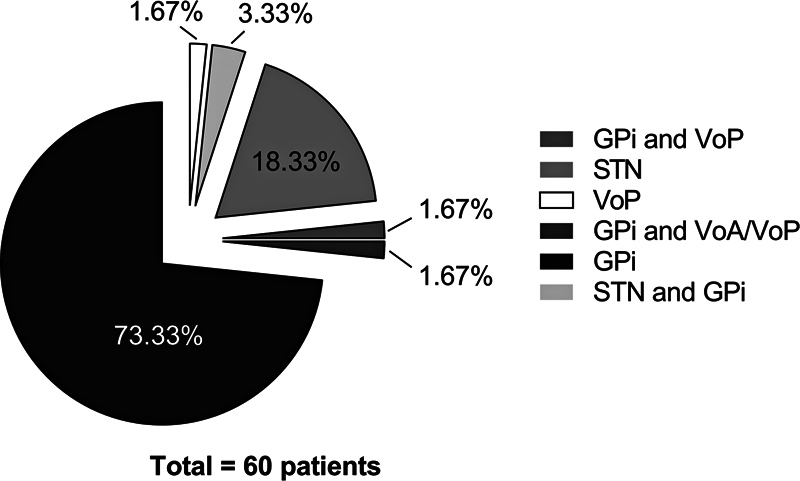 Figure 2
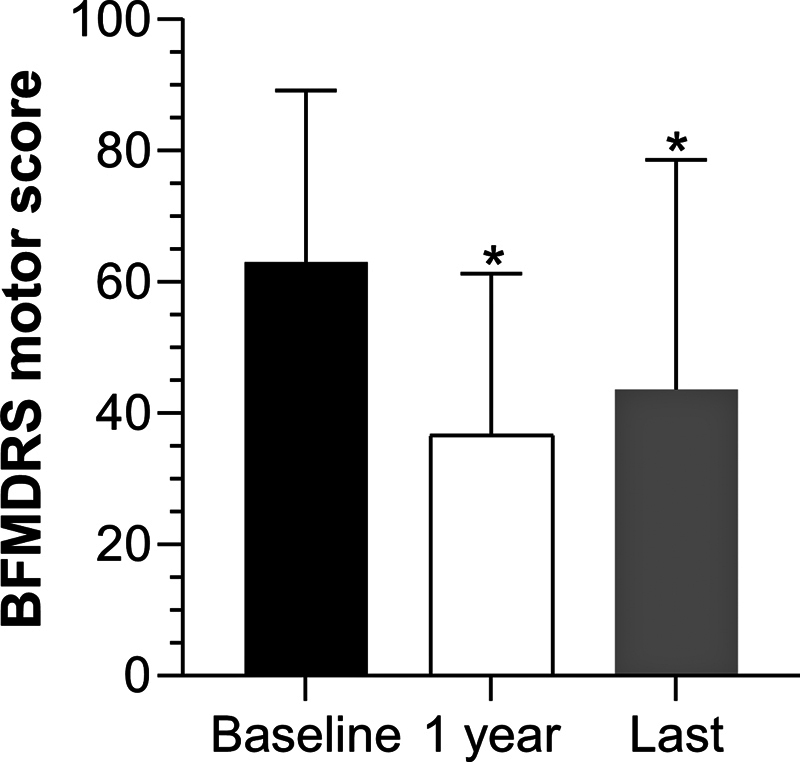 Figure 3
Peer Reviews
No public reviews on file for this paper yet. If you reviewed it on a platform where reviews are public (OpenReview, ICLR, NeurIPS, ICML), you can paste yours below so the community can read it here.
Videos
No videos yet. Explain this paper in a talk, walkthrough, or lecture? Add one.
Taxonomy
TopicsNeurological disorders and treatments · Botulinum Toxin and Related Neurological Disorders · Parkinson's Disease and Spinal Disorders