Optimization of spray‐drying conditions for green acerola concentrate juice: effect of temperature and maltodextrin
Fábia Sabino Costa, Jhenifer Cristina Carvalho Santos, Michelly Duarte Costa e Silva, Matheus de Souza Cruz, Amanda Aparecida de Lima Santos, Cassiano Rodrigues de Oliveira, Letícia Fernandes de Oliveira, Jefferson Luiz Gomes Corrêa

TL;DR
This study optimizes spray-drying conditions for green acerola juice to preserve its nutrients and improve powder quality.
Contribution
The study identifies optimal temperature and maltodextrin concentration for spray-drying green acerola juice.
Findings
Higher yield and ascorbic acid retention were achieved at 145 °C and 16.5% maltodextrin.
Increasing maltodextrin reduced water activity and hygroscopicity of the powder.
Moderate temperatures and intermediate maltodextrin levels minimized nutrient loss during drying.
Abstract
Acerola (Malpighia glabra and M. emarginata) is a tropical fruit predominantly cultivated in northeastern Brazil, notable for its abundance of health‐beneficial bioactive compounds, including ascorbic acid, phenolic compounds, flavonoids, and anthocyanins. However, due to its high perishability, preservation processes such as spray drying have become essential. Given its low acidity, high sugar content, and the presence of low‐molecular‐weight substances, acerola poses several challenges during drying, which require careful evaluation of process parameters. This study aimed to evaluate and optimize the spray‐drying process parameters, temperature and maltodextrin concentration, for the production of green acerola powder from concentrated juice. A central composite rotatable design was conducted, varying temperature (110–180 °C) and maltodextrin concentration (3–30%, w/w, based on total…
Genes, proteins, chemicals, diseases, species, mutations and cell lines named across the full text — each resolved to its canonical identifier and authoritative record.
Click any figure to enlarge with its caption.
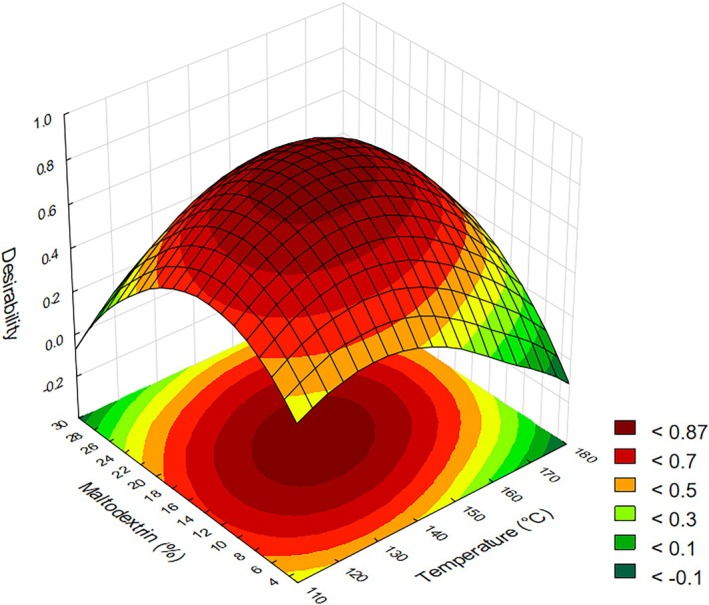 Figure 1
 Figure 2
 Figure 3
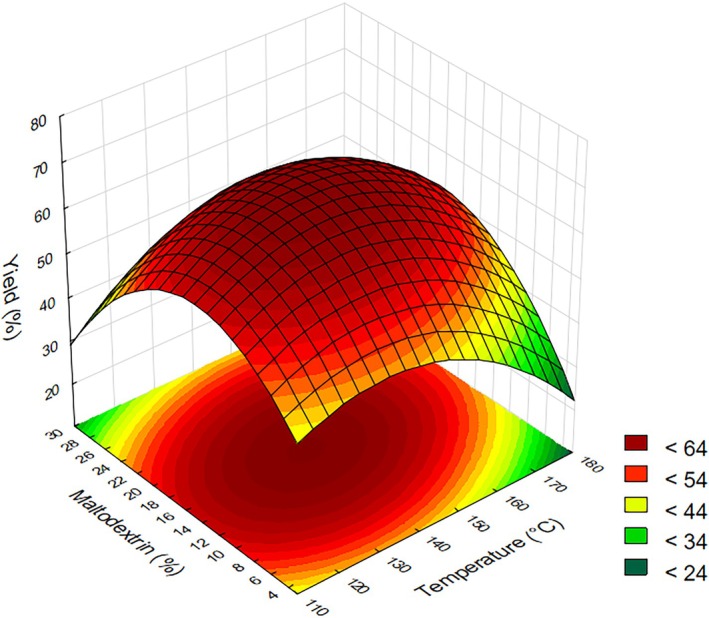 Figure 4
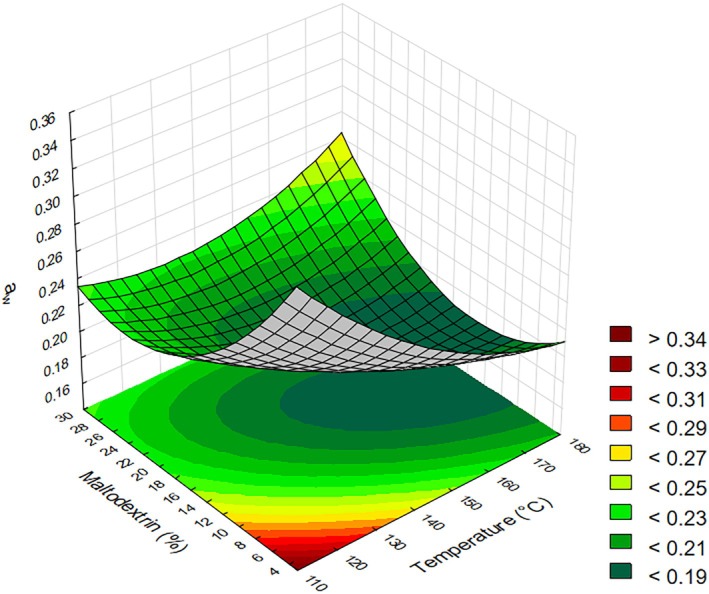 Figure 5
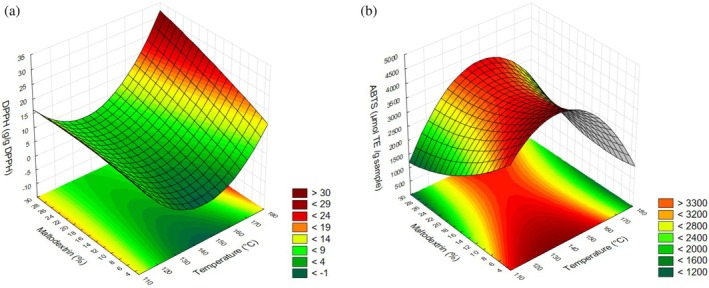 Figure 6
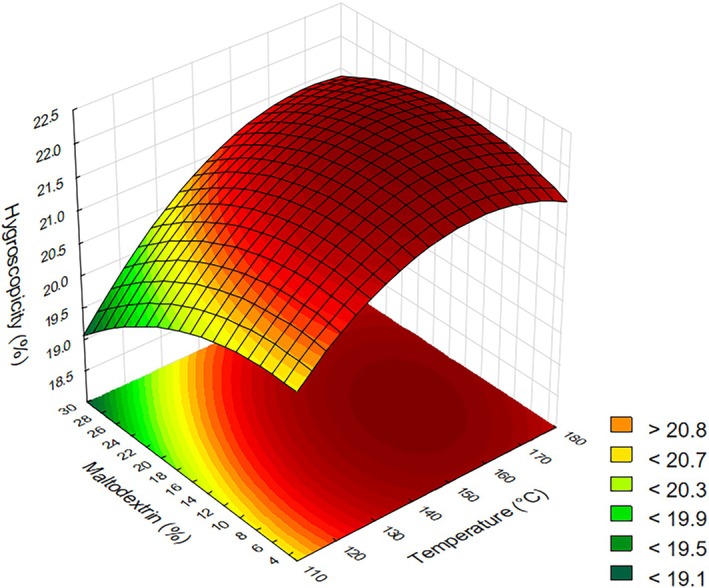 Figure 7
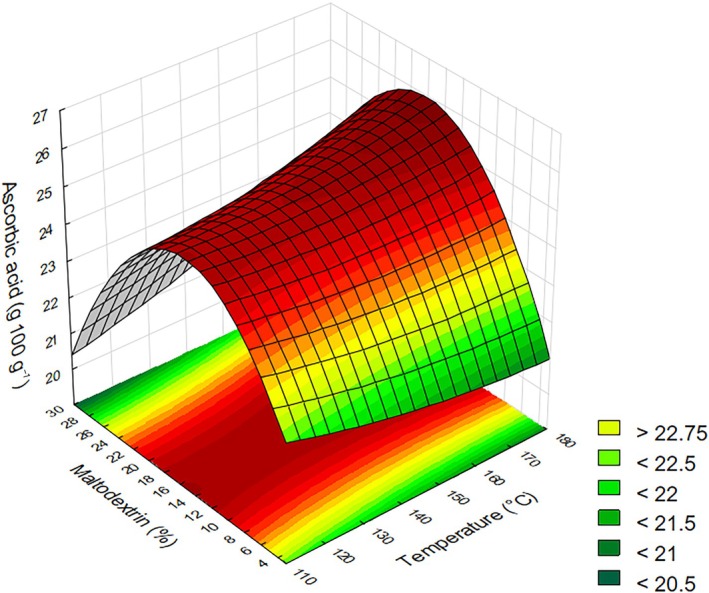 Figure 8
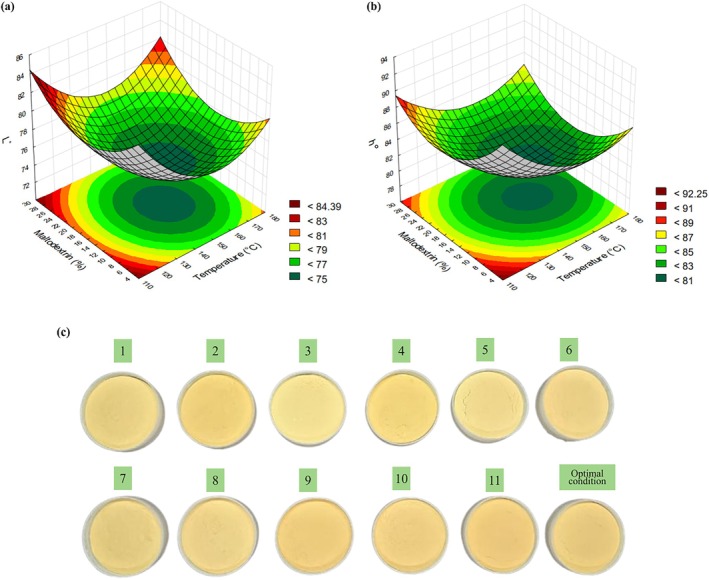 Figure 9
Peer Reviews
No public reviews on file for this paper yet. If you reviewed it on a platform where reviews are public (OpenReview, ICLR, NeurIPS, ICML), you can paste yours below so the community can read it here.
Videos
No videos yet. Explain this paper in a talk, walkthrough, or lecture? Add one.
Taxonomy
TopicsMicroencapsulation and Drying Processes · Food Drying and Modeling · Probiotics and Fermented Foods