Physicochemical, rheological, sensory, microbiological, and oxidative properties of canned pâtés reformulated with hydrated pea protein as a fat replacer
Pamela Cristiele Oliveira Trindade, Bibiana Alves dos Santos, Géssica Hollweg, Milena Padilha, Priscila Rossato Fracari, Sarita Correa Rosa, Alexandre José Cichoski, José Manuel Lorenzo, Paulo Ricardo de Matos, Márcio Vargas‐Ramella, Paulo Cezar Bastianello Campagnol

TL;DR
This study shows that replacing pork fat with hydrated pea protein in canned pâtés can make them healthier without affecting taste or quality.
Contribution
The study introduces a viable method for fat reduction in pâtés using hydrated pea protein with favorable sensory and technological outcomes.
Findings
Replacing pork fat with hydrated pea protein reduced fat by 50% and increased protein content by up to 24%.
Formulations G1:3, G1:4, and G1:5 showed sensory and technological properties comparable to the control.
Reformulated pâtés maintained microbiological stability for 60 days of refrigerated storage.
Abstract
The objective of this study was to evaluate the technological and sensory feasibility of partially replacing pork fat with hydrated pea protein in canned pâtés, using different hydration levels. Six formulations were prepared: one Control (100% pork fat) and five treatments (G1:1, G1:2, G1:3, G1:4, and G1:5), in which 50% of the fat was replaced with hydrated pea protein at increasing protein‐to‐water ratios of 1:1, 1:2, 1:3, 1:4, and 1:5, respectively. The reformulation led to an approximate 50% reduction in fat content and up to a 24% increase in protein content (P < 0.05). Formulations G1:3, G1:4, and G1:5 exhibited satisfactory technological performance. Additionally, these samples exhibited favorable sensory attributes, including a soft texture, good spreadability, a pleasant flavor, a homogeneous appearance, and a pink color, resulting in acceptance levels comparable to those of…
Genes, proteins, chemicals, diseases, species, mutations and cell lines named across the full text — each resolved to its canonical identifier and authoritative record.
Click any figure to enlarge with its caption.
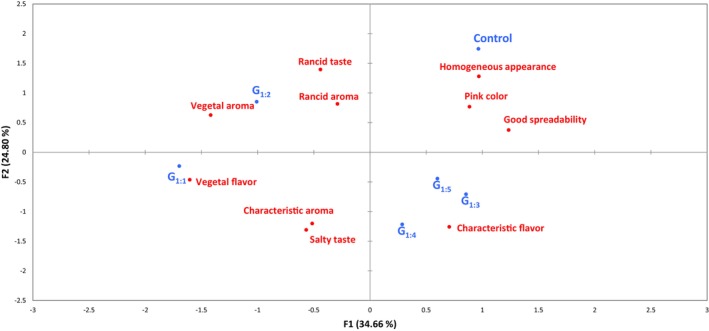 Figure 1
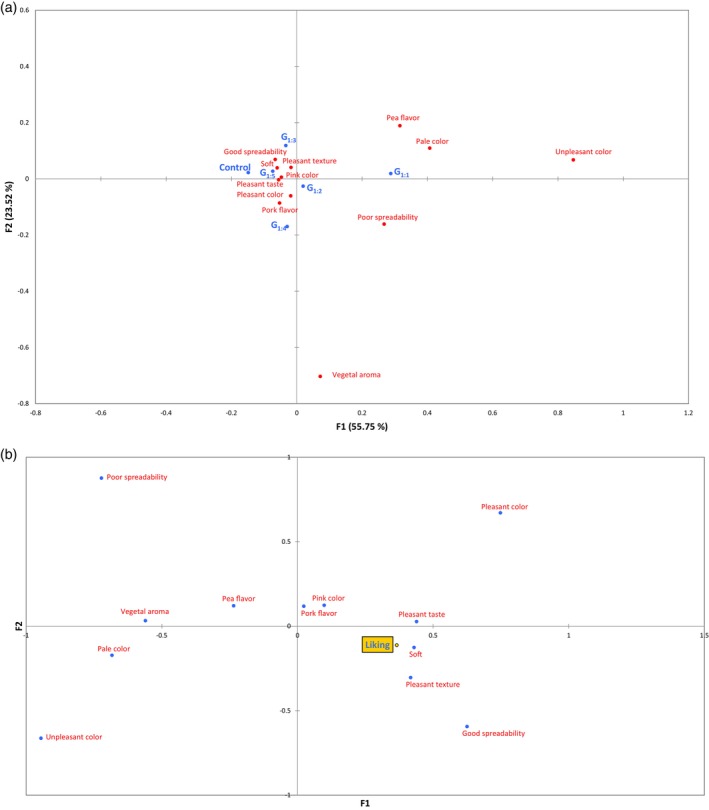 Figure 2
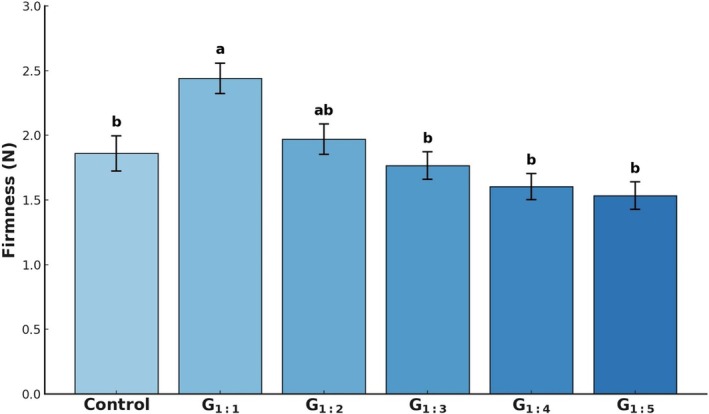 Figure 3
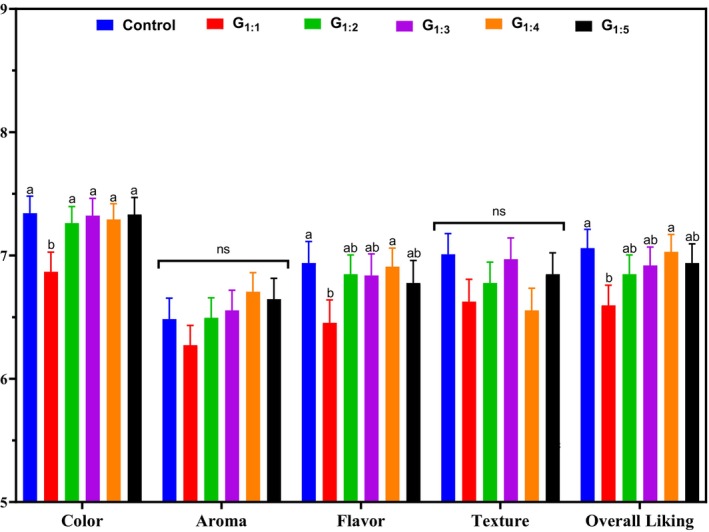 Figure 4
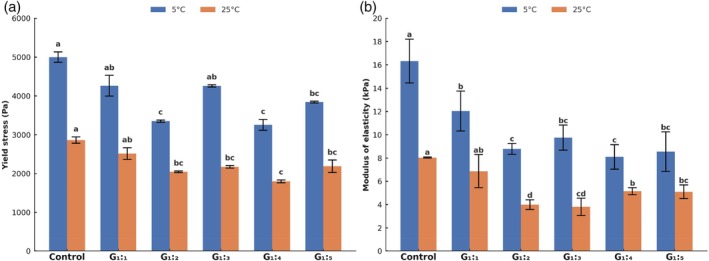 Figure 5
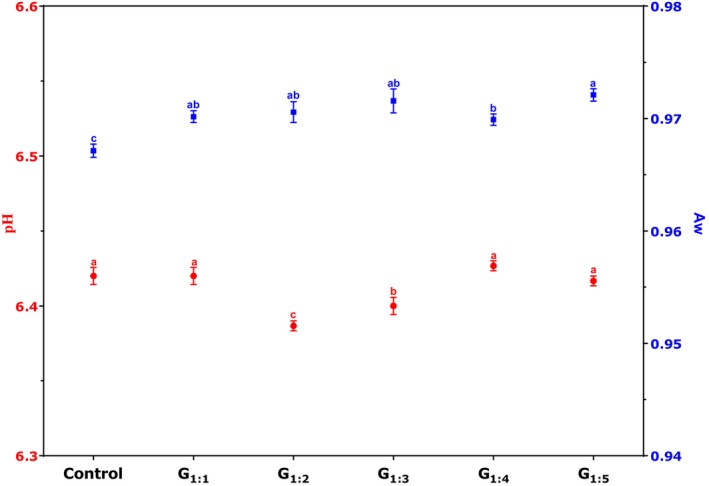 Figure 6
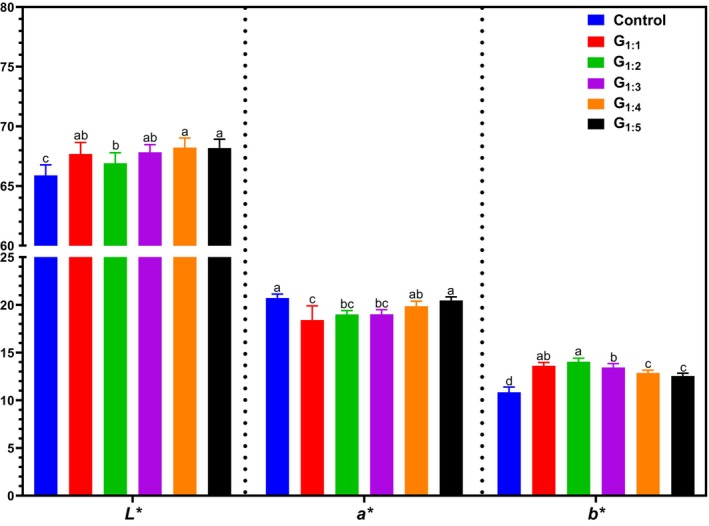 Figure 7
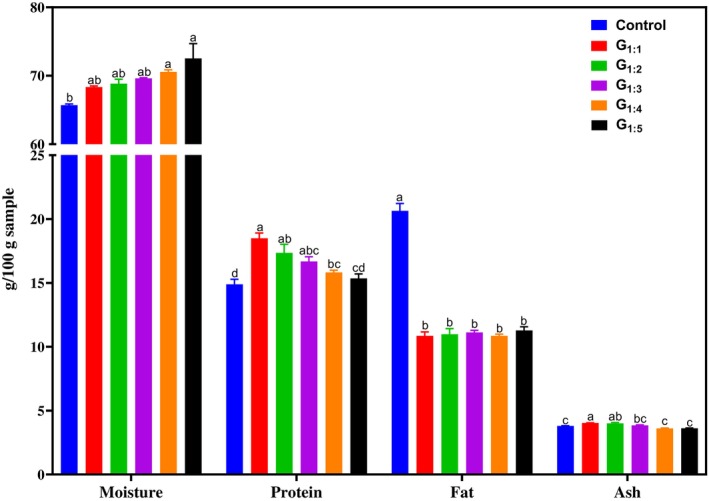 Figure 8
Peer Reviews
No public reviews on file for this paper yet. If you reviewed it on a platform where reviews are public (OpenReview, ICLR, NeurIPS, ICML), you can paste yours below so the community can read it here.
Videos
No videos yet. Explain this paper in a talk, walkthrough, or lecture? Add one.
Taxonomy
TopicsProteins in Food Systems · Meat and Animal Product Quality · Food composition and properties