Enhancing optical properties and stability of DNA-functionalized carbon nanotubes with cryoprotectant-mediated lyophilization
Aceer Nadeem, Aidan Kindopp, Ella Junge, Maryam Rahmani, Daniel Roxbury

TL;DR
This paper shows how using specific cryoprotectants during freeze-drying improves the stability and optical performance of DNA-coated carbon nanotubes for biomedical applications.
Contribution
The study introduces an optimized lyophilization method with glucose-PEG cryoprotectants to enhance DNA-SWCNT stability and reusability.
Findings
Glucose and PEG in an 80:20 ratio best preserved NIR fluorescence and prevented SWCNT aggregation.
Lyophilized SWCNTs with glucose-PEG showed stable intracellular optical performance in murine macrophages.
The method improves shelf life and reproducibility of DNA-SWCNT sensors for biomedical use.
Abstract
The long-term optical performance and stability of single-walled carbon nanotubes (SWCNTs) functionalized with single-stranded DNA are critical for their application in near-infrared (NIR) fluorescence biological sensing and imaging. However, the aggregation of such DNA-SWCNTs during storage presents a significant challenge. Here, we explored the use of lyophilization combined with various cryoprotectants to enhance the long-term stability and reconstitution of DNA-SWCNTs at room temperature. Five conventionally used cryoprotectants, including glucose, sucrose, mannitol, polyethylene glycol (PEG), and polyvinyl alcohol (PVA), were evaluated for their ability to maintain desired optical properties and prevent aggregation of SWCNTs through the process of lyophilization and reconstitution. Our results indicated that glucose and PEG, particularly in an 80:20 ratio by weight, provided the…
Genes, proteins, chemicals, diseases, species, mutations and cell lines named across the full text — each resolved to its canonical identifier and authoritative record.
Click any figure to enlarge with its caption.
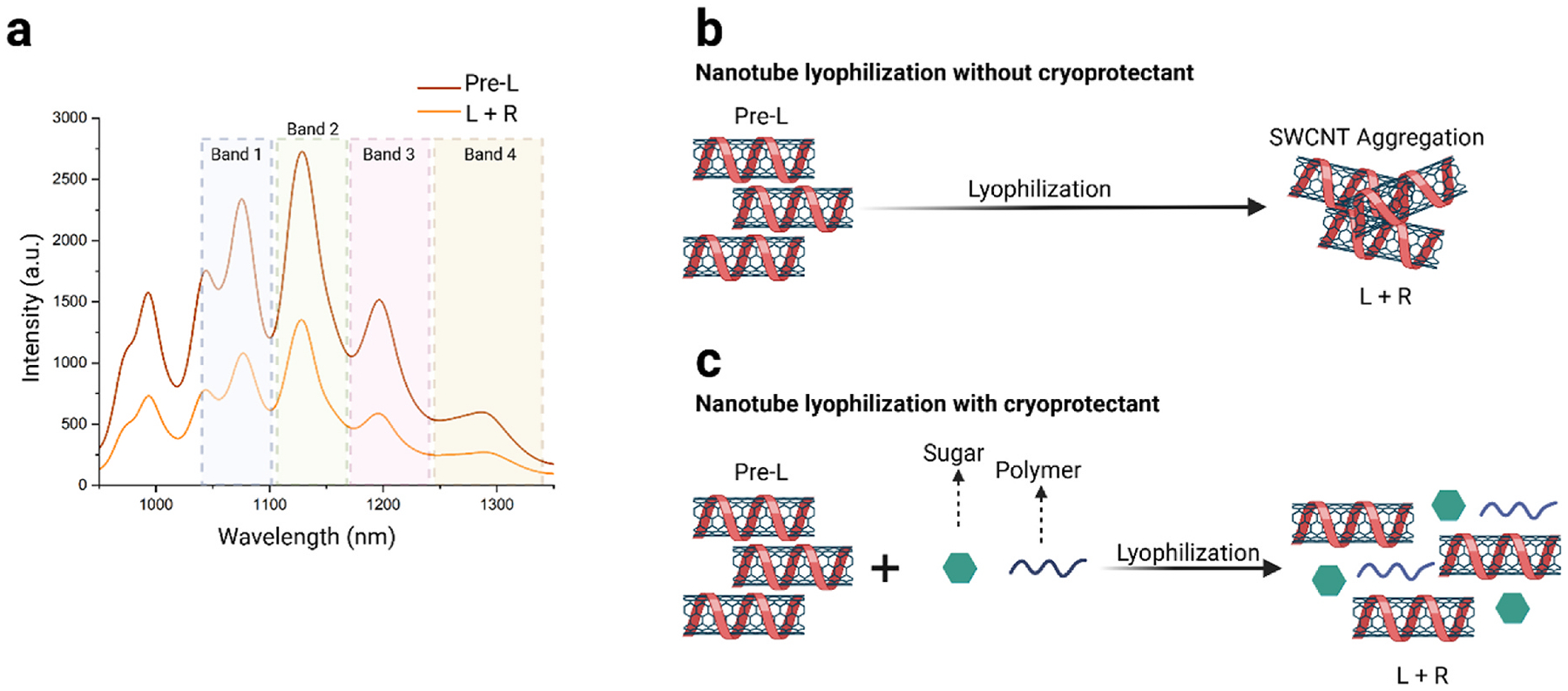 Figure 1
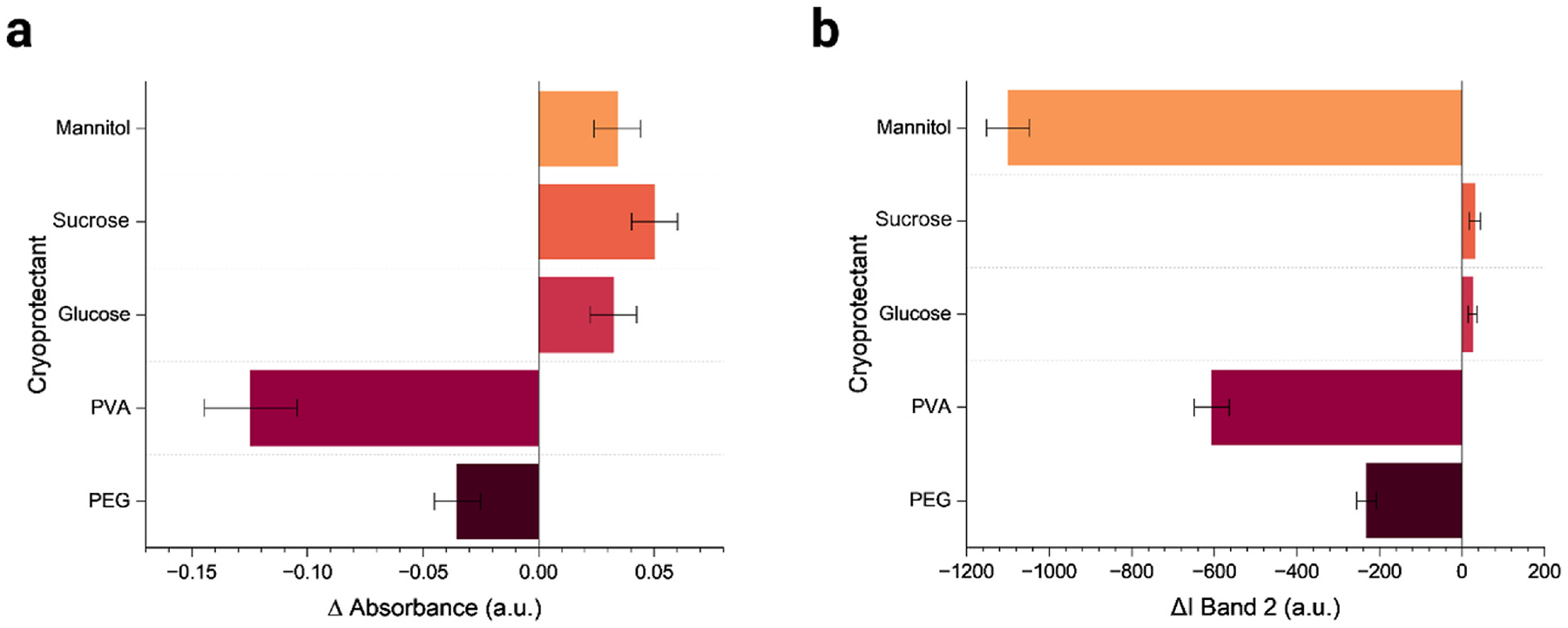 Figure 2
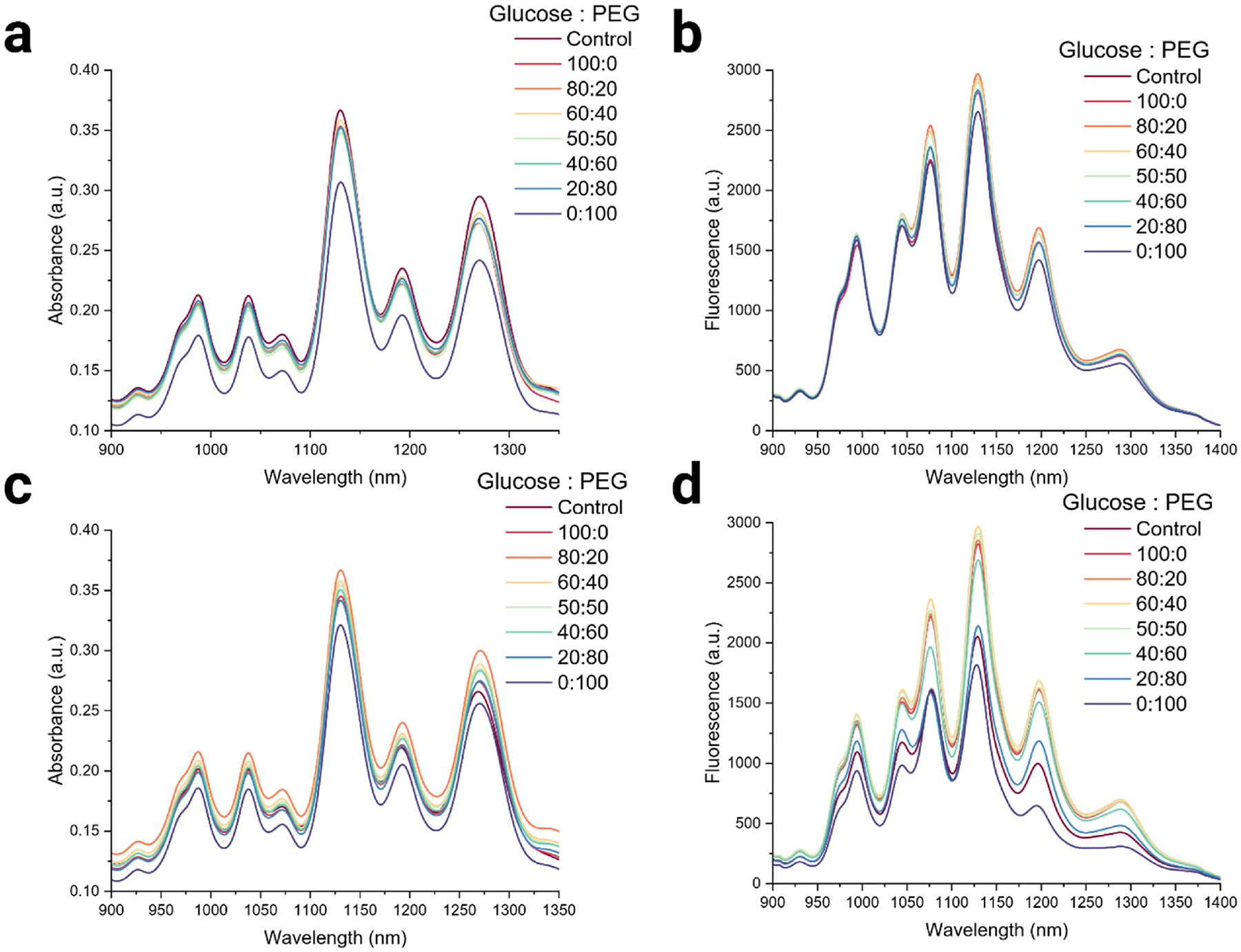 Figure 3
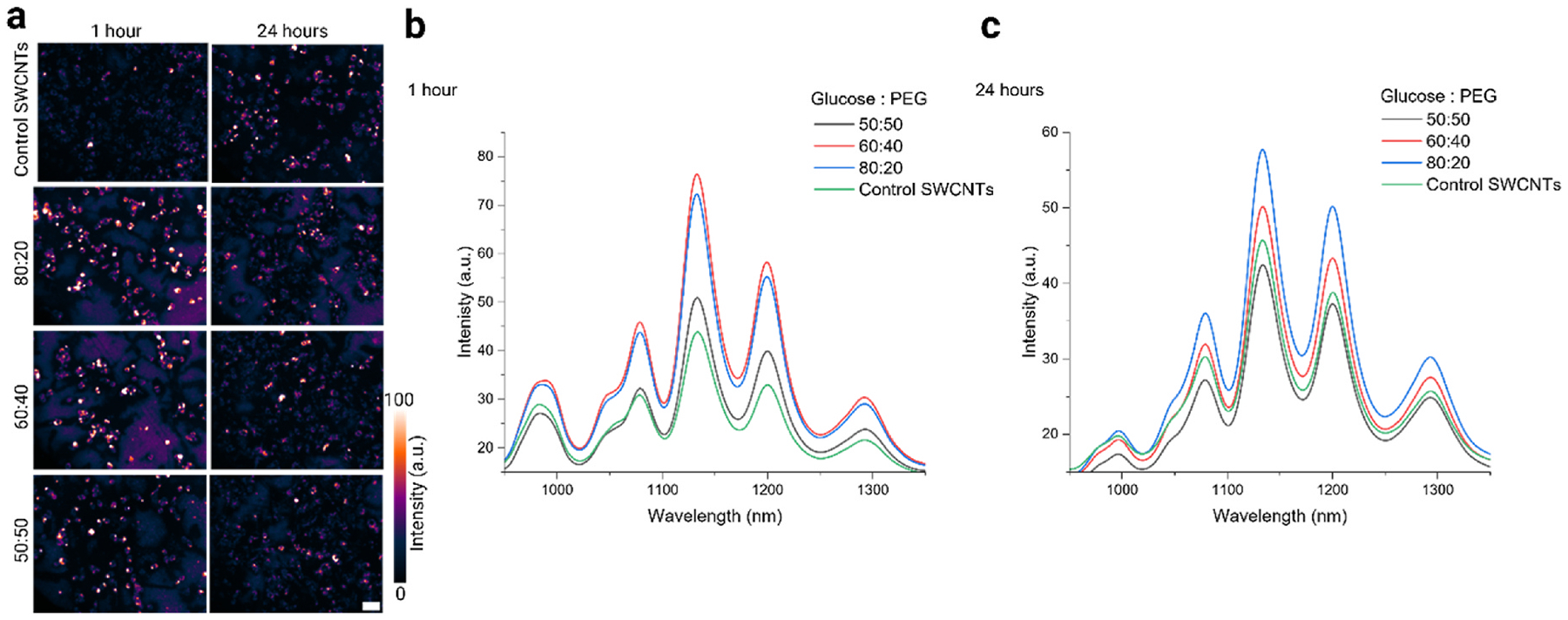 Figure 4
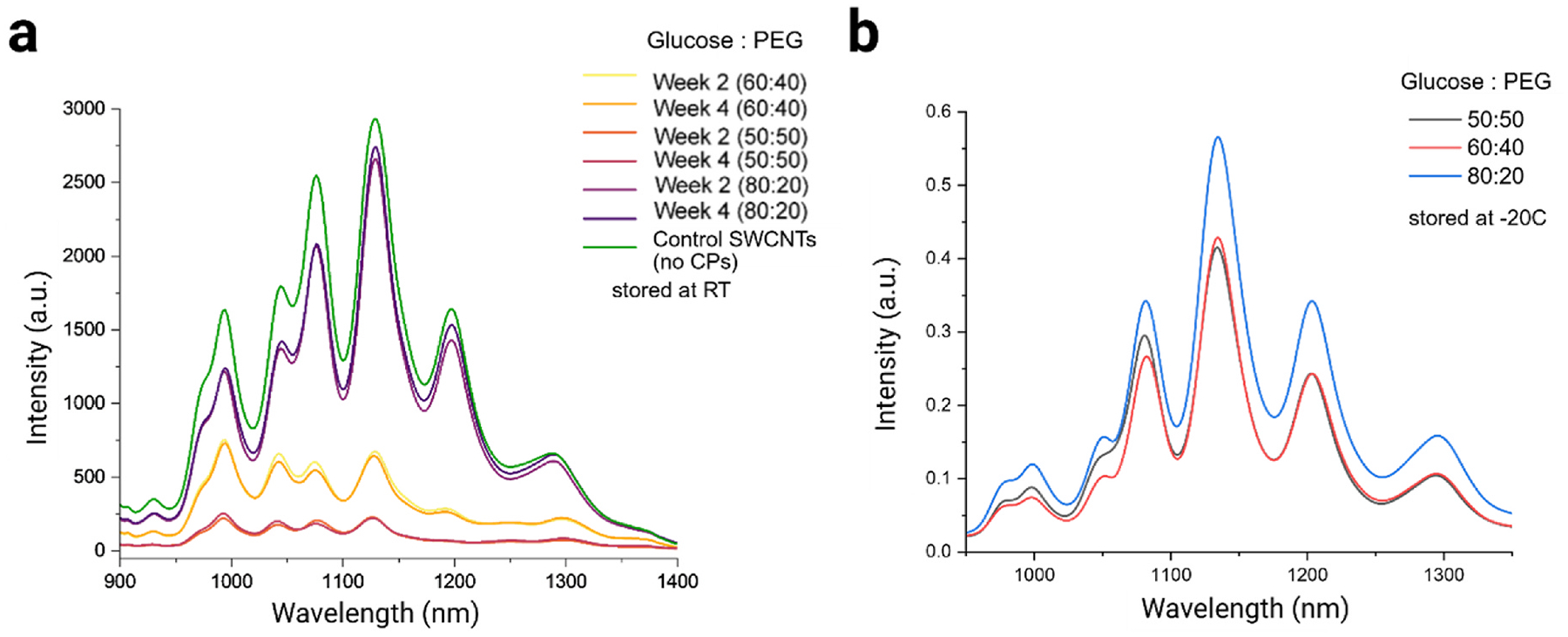 Figure 5
Peer Reviews
No public reviews on file for this paper yet. If you reviewed it on a platform where reviews are public (OpenReview, ICLR, NeurIPS, ICML), you can paste yours below so the community can read it here.
Videos
No videos yet. Explain this paper in a talk, walkthrough, or lecture? Add one.
Taxonomy
TopicsCarbon Nanotubes in Composites · Nanoparticles: synthesis and applications · Carbon and Quantum Dots Applications