Head Up Cardiopulmonary Resuscitation: Novel Physiological Discoveries and Latest Clinical Outcomes
Pouria Pourzand, Anja Metzger, Keith Lurie

TL;DR
A new CPR method called head-up CPR improves blood flow and brain outcomes during cardiac arrest by altering chest compression techniques.
Contribution
Automated head-up CPR (AHUP-CPR) is introduced as a novel approach combining active compression-decompression and intrathoracic pressure control to enhance resuscitation.
Findings
AHUP-CPR generates favorable negative intrathoracic pressure, improving cerebral venous drainage and right heart preload.
Pressure-volume loop analysis reveals AHUP-CPR enhances stroke volume and end-tidal CO2 during cardiac arrest.
AHUP-CPR improves circulatory efficiency and neurological outcomes compared to conventional CPR.
Abstract
Despite decades of research, survival rates following cardiac arrest remain dismal. The recent use of pressure-volume (PV) loop analysis has provided important insights into the underlying physiology of cardiopulmonary resuscitation (CPR). During conventional CPR (C-CPR), ventricular ejection is limited, contributing to poor circulatory effectiveness. In contrast, automated head-up CPR (AHUP-CPR)—which combines active compression-decompression (ACD) CPR, an impedance threshold device (ITD), and controlled head-thorax elevation—generates favorable negative intrathoracic pressure, promoting cerebral venous drainage and increases right heart preload, resulting in enhanced stroke volume, cardiac output, and end-tidal CO2 (ETCO2) by improving ventricular–pulmonary–arterial circulation. This article summarizes recent advances related to AHUP-CPR with a focus on novel physiological findings…
Genes, proteins, chemicals, diseases, species, mutations and cell lines named across the full text — each resolved to its canonical identifier and authoritative record.
Click any figure to enlarge with its caption.
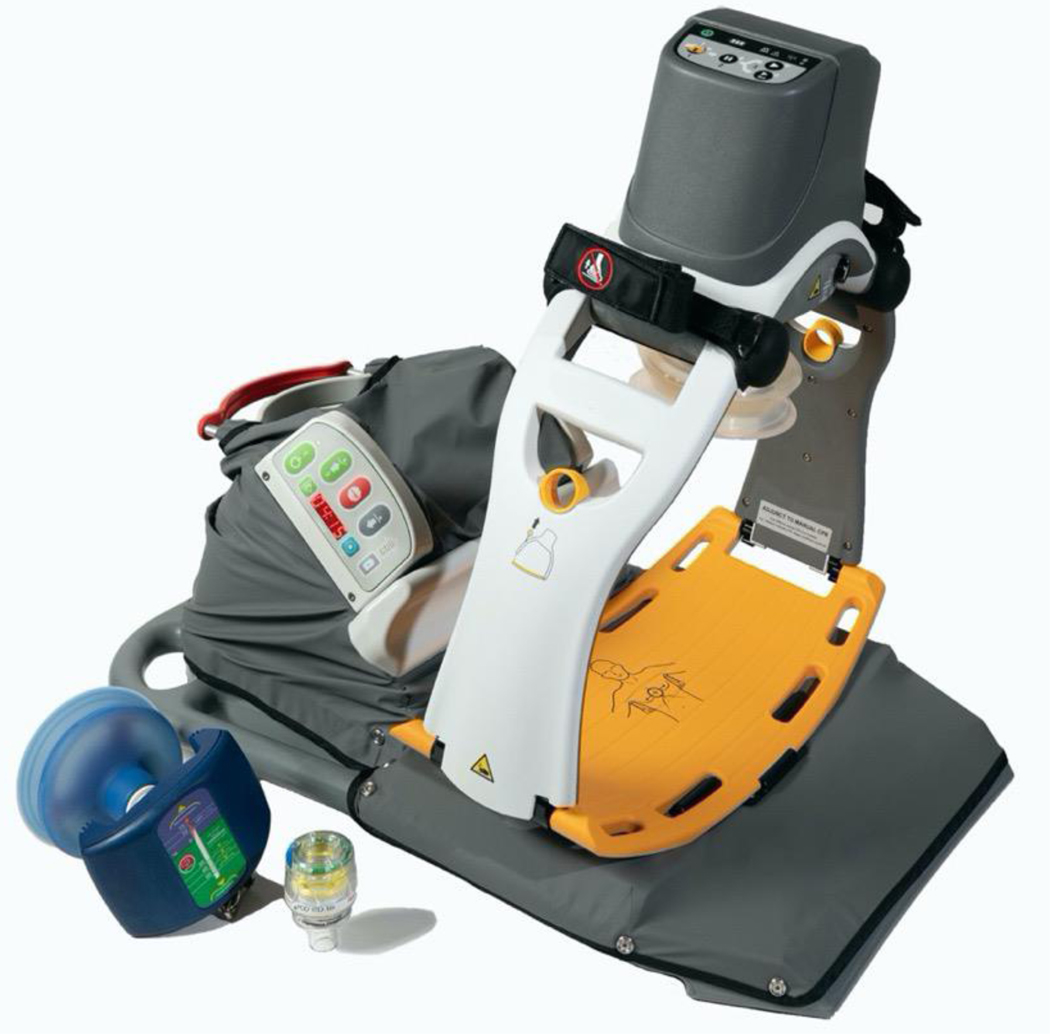 Figure 1
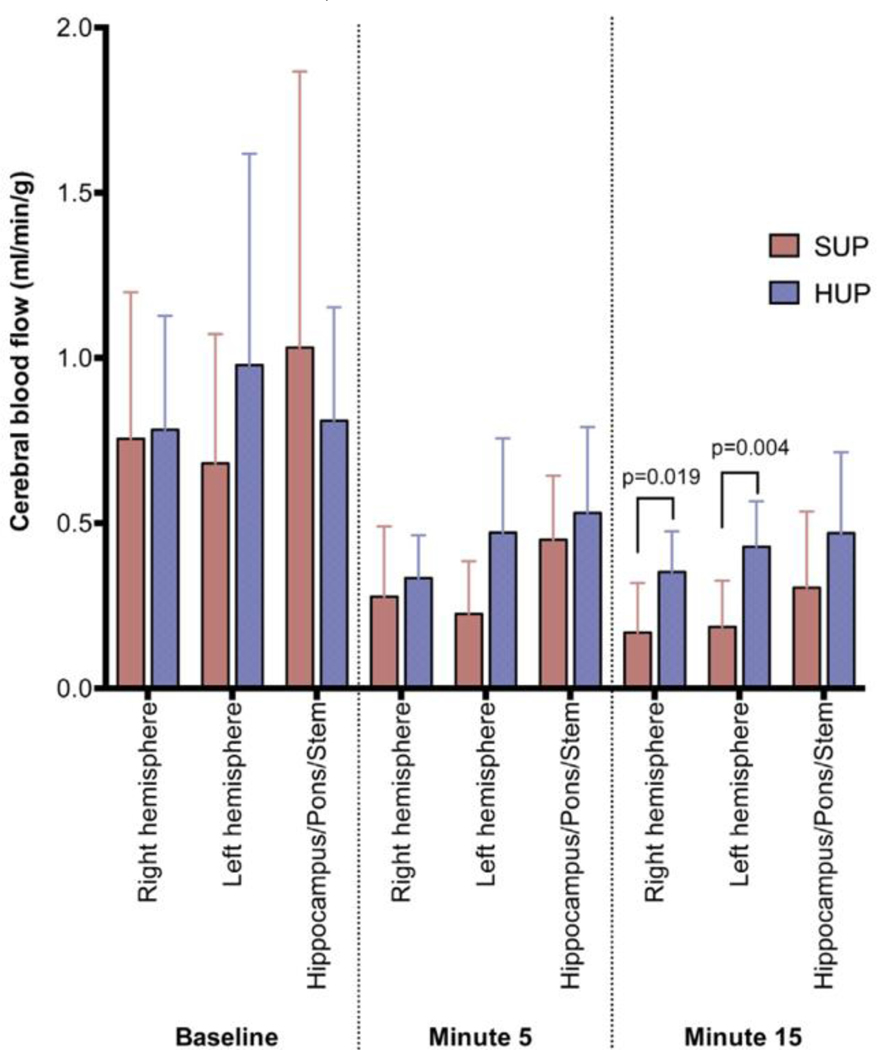 Figure 2
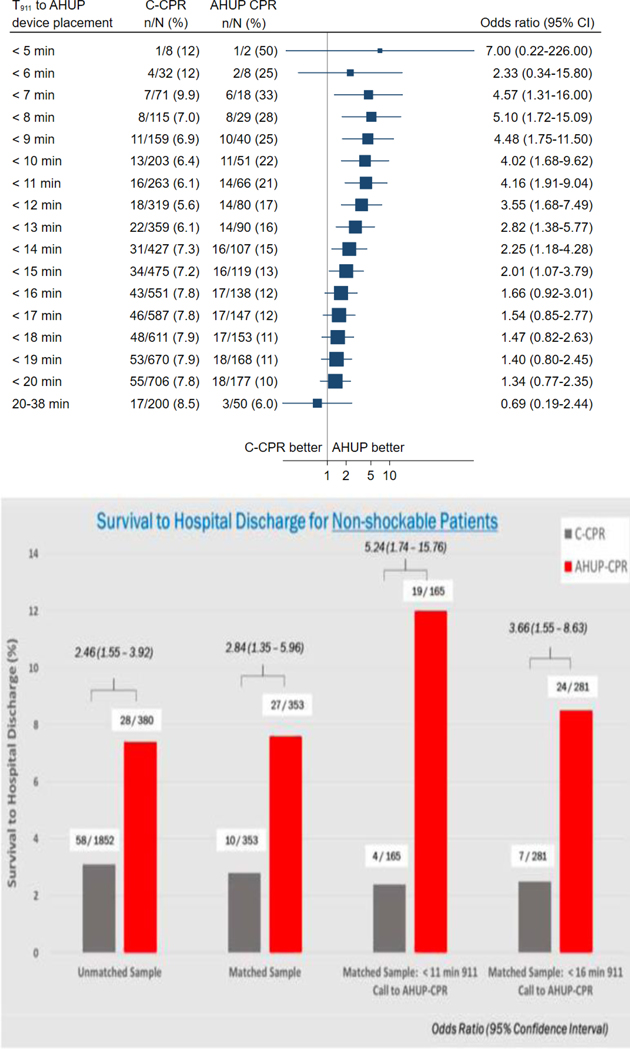 Figure 3
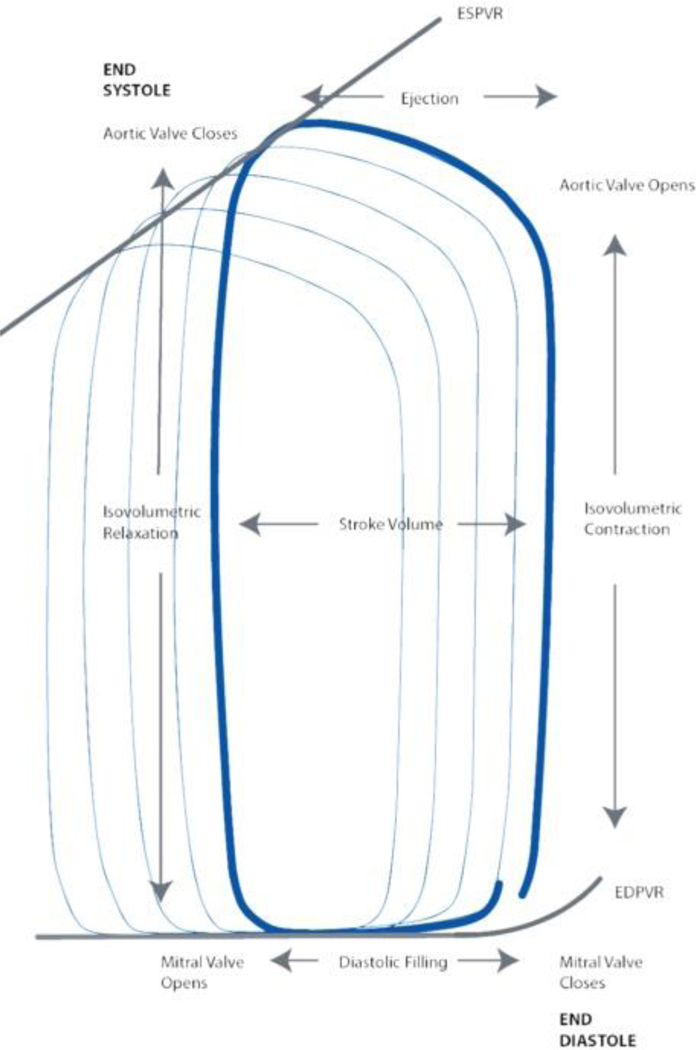 Figure 4
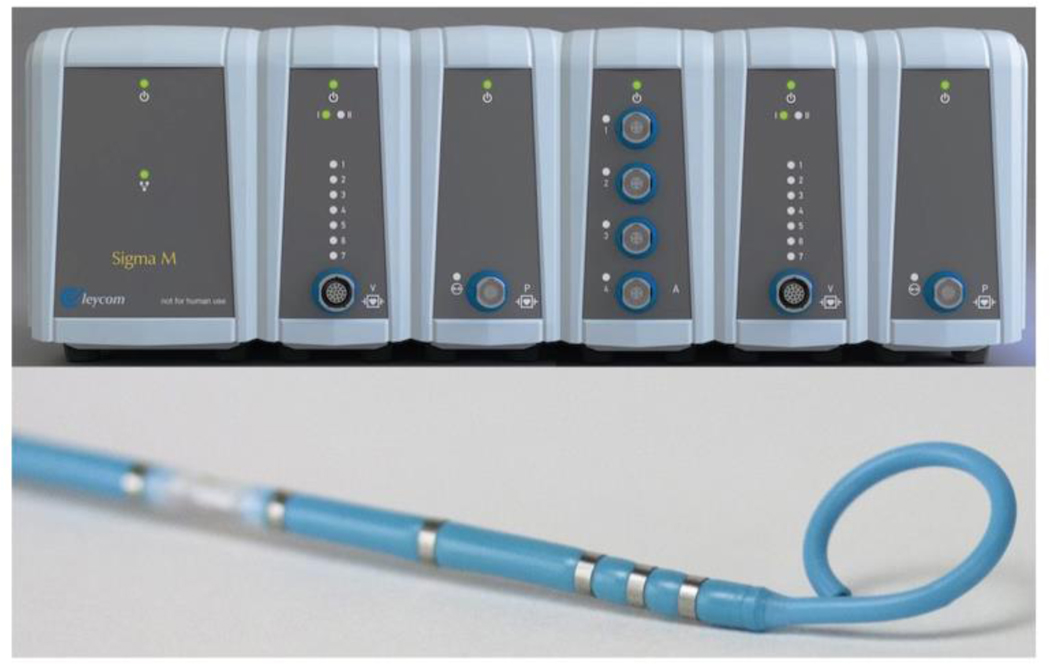 Figure 5
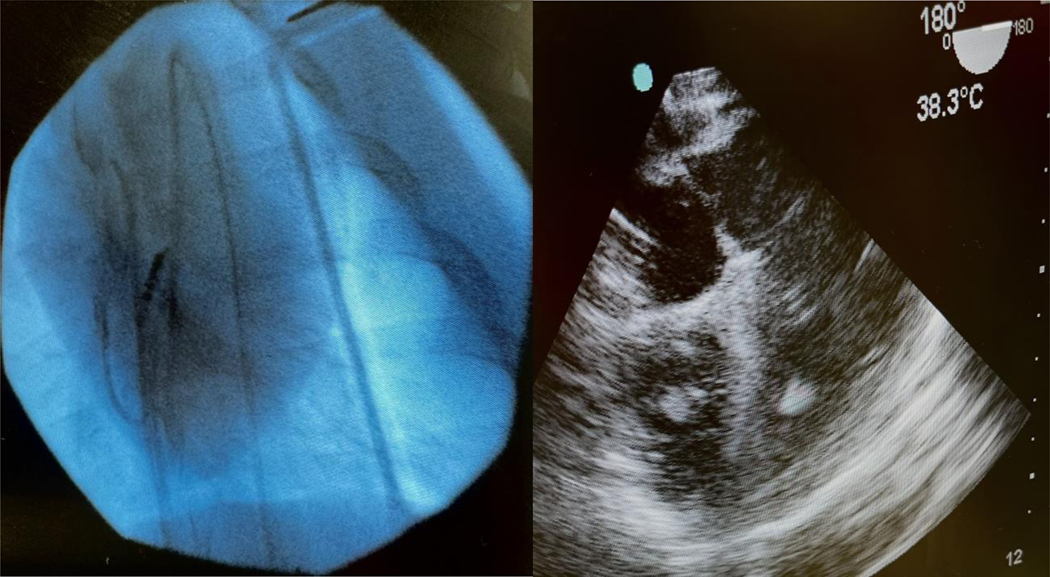 Figure 6
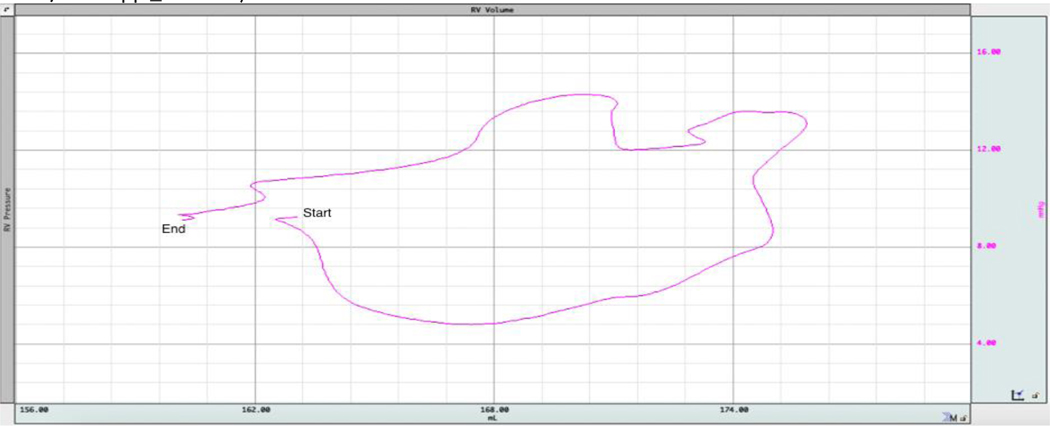 Figure 7
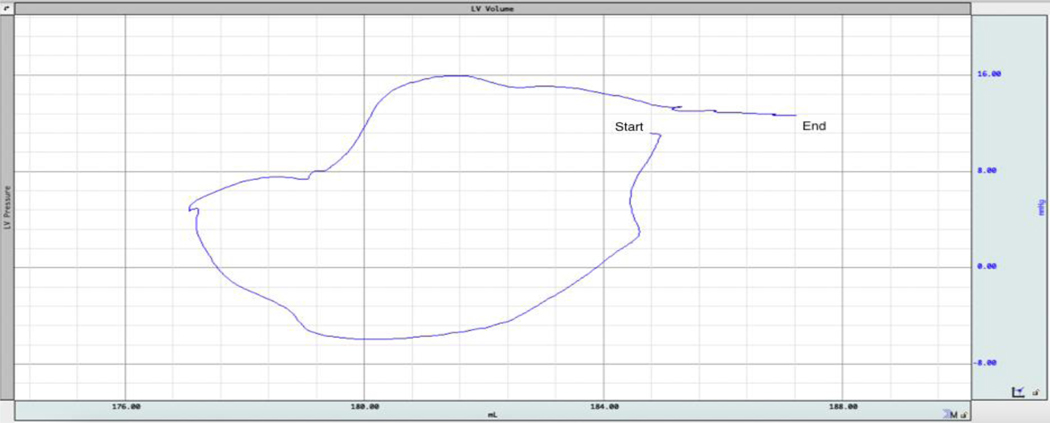 Figure 8
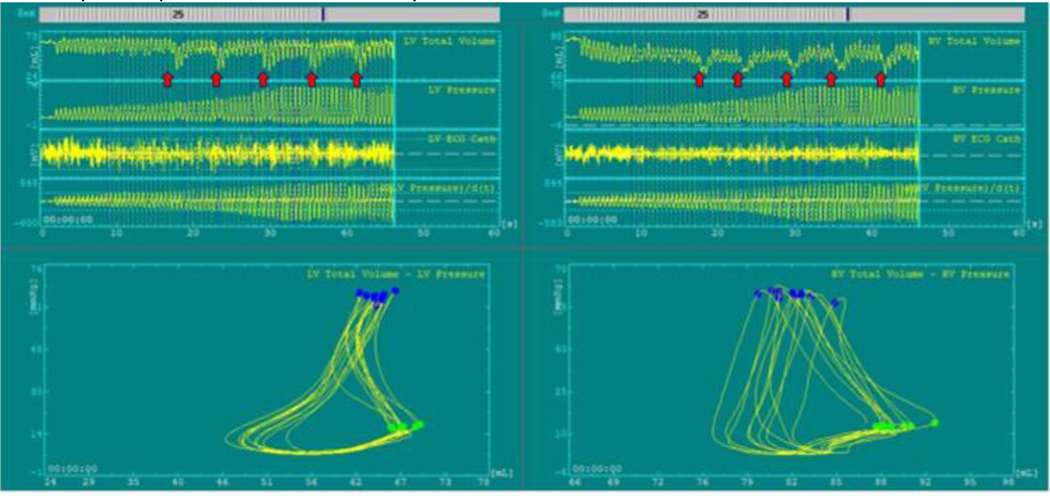 Figure 9
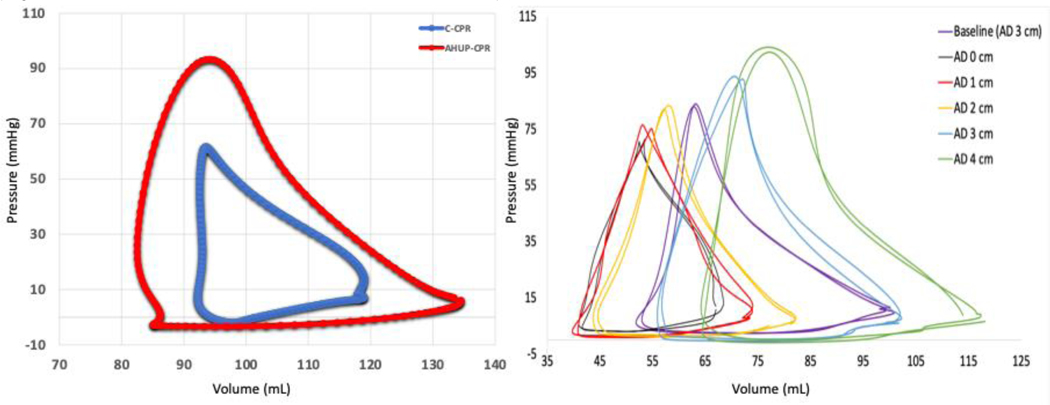 Figure 10
Peer Reviews
No public reviews on file for this paper yet. If you reviewed it on a platform where reviews are public (OpenReview, ICLR, NeurIPS, ICML), you can paste yours below so the community can read it here.
Videos
No videos yet. Explain this paper in a talk, walkthrough, or lecture? Add one.
Taxonomy
TopicsCardiac Arrest and Resuscitation · Mechanical Circulatory Support Devices · Respiratory Support and Mechanisms