Optimizing personalized screening intervals for clinical biomarkers using extended joint models
Nobuhle Nokubonga Mchunu, Henry Mwambi, Tarylee Reddy, Nonhlanhla Yende-Zuma, Dimitris Rizopoulos

TL;DR
This paper introduces a new method for personalizing medical screening intervals for HIV and TB patients using advanced statistical models that improve accuracy and adaptability.
Contribution
The study introduces a novel use of super learning and multivariate joint models with censored longitudinal data to optimize personalized screening intervals.
Findings
The multivariate joint model using CD4 count and viral load profiles was identified as the optimal predictor of death.
Screening intervals for stable patients can be extended to 10.3 months, while those with deteriorating health require more frequent monitoring.
The approach is adaptable and can be applied to other diseases beyond HIV/TB co-infection.
Abstract
This research advances joint modeling and personalized scheduling for HIV and TB by incorporating censored longitudinal outcomes in multivariate joint models, providing a more flexible and accurate approach for complex data scenarios. Inspired by the SAPiT study, we deviate from standard model selection procedures by using super learning techniques to identify the optimal model for predicting future events in event-free subjects. Specifically, the Integrated Brier score and Expected Predictive Cross-Entropy (EPCE) identified the multivariate joint model with the parameterization of the area under the longitudinal profiles of CD4 count and viral load as optimal and strong predictors of death. Integrating this model with a risk-based screening strategy, we recommend extending intervals to 10.3 months for stable patients, with additional measurements every 12 months. For patients with…
Genes, proteins, chemicals, diseases, species, mutations and cell lines named across the full text — each resolved to its canonical identifier and authoritative record.
Click any figure to enlarge with its caption.
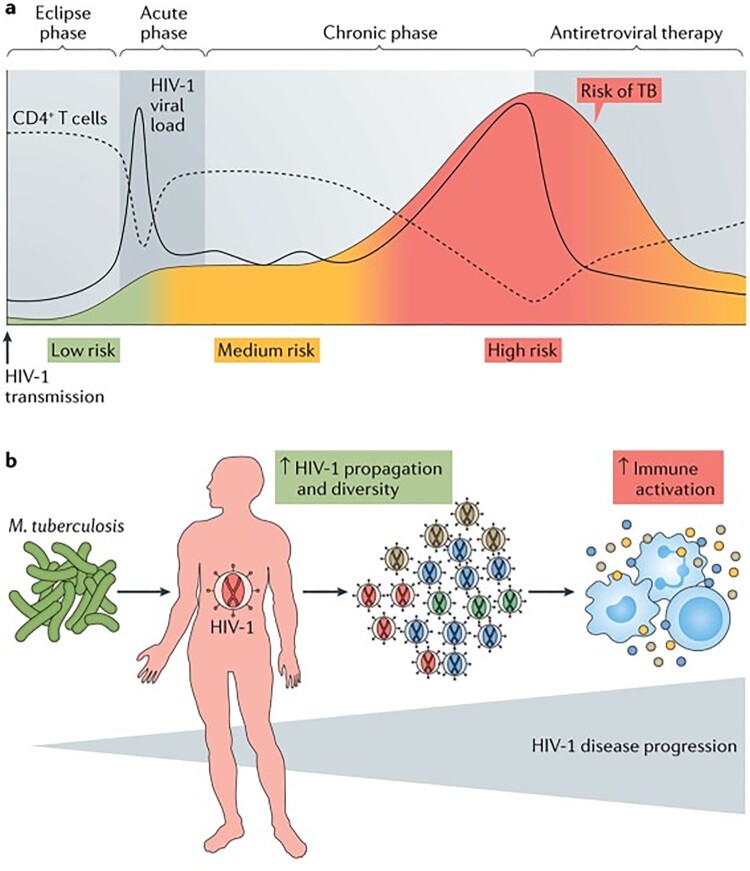 Figure 1
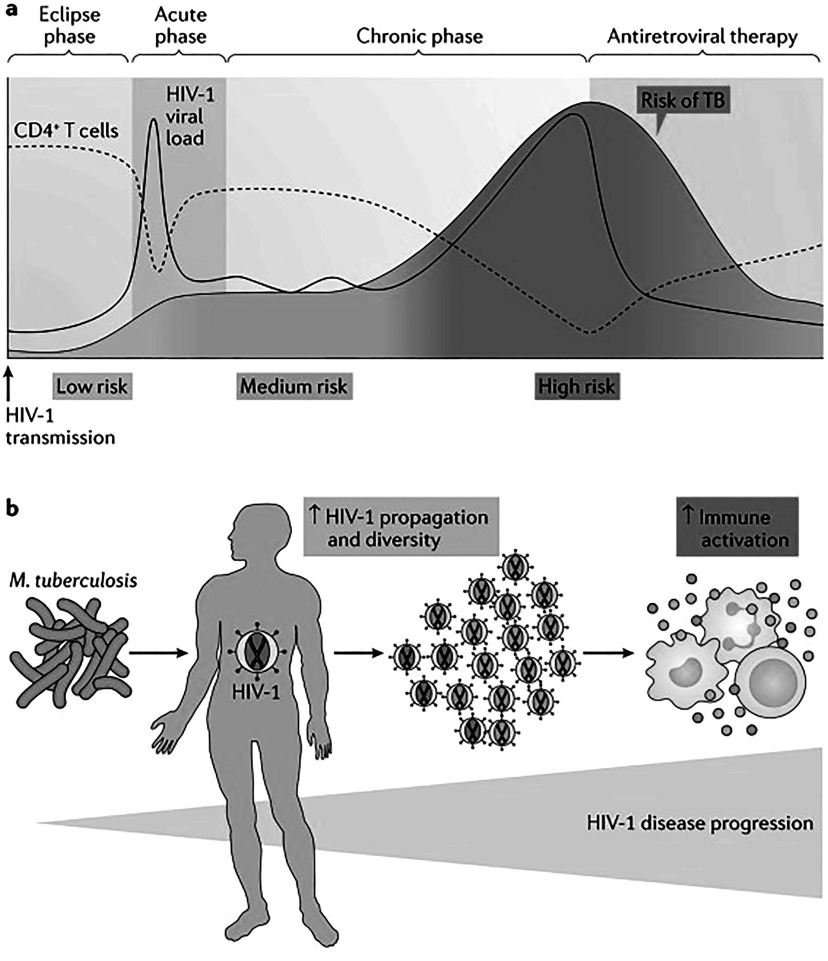 Figure 2
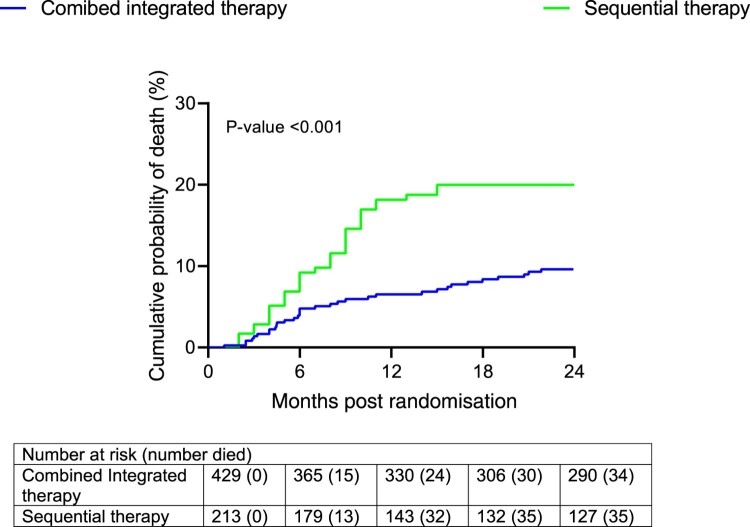 Figure 3
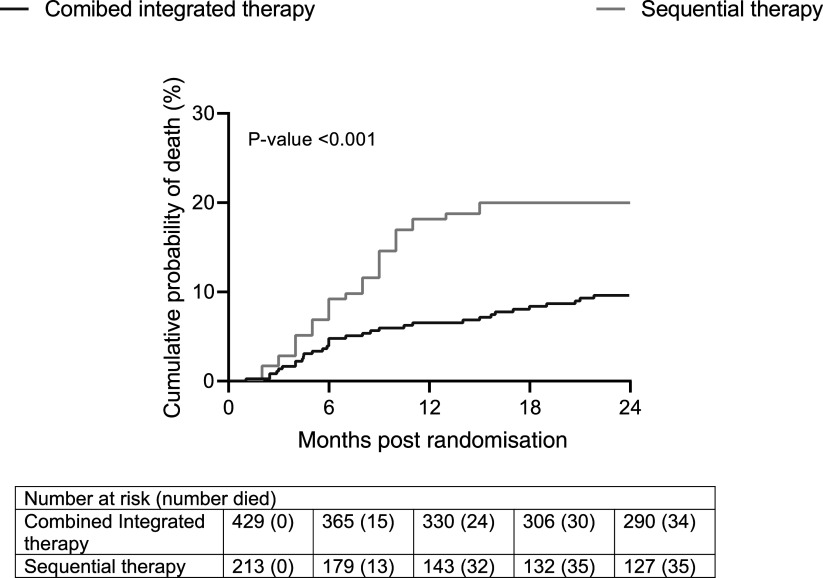 Figure 4
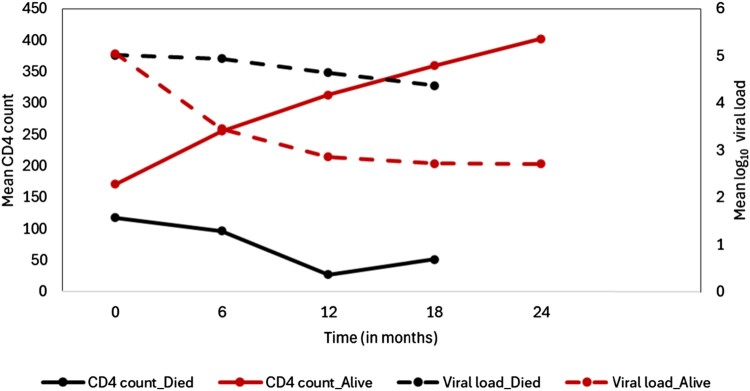 Figure 5
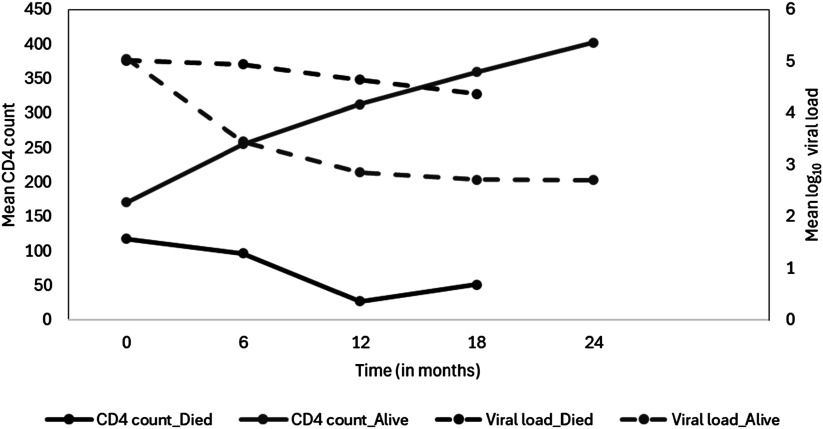 Figure 6
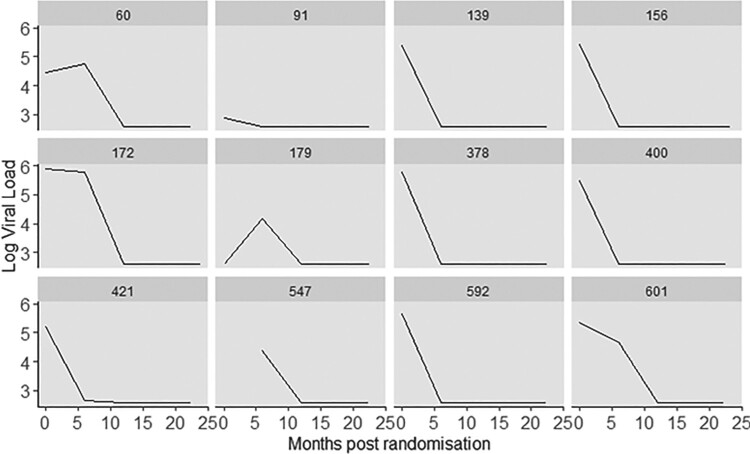 Figure 7
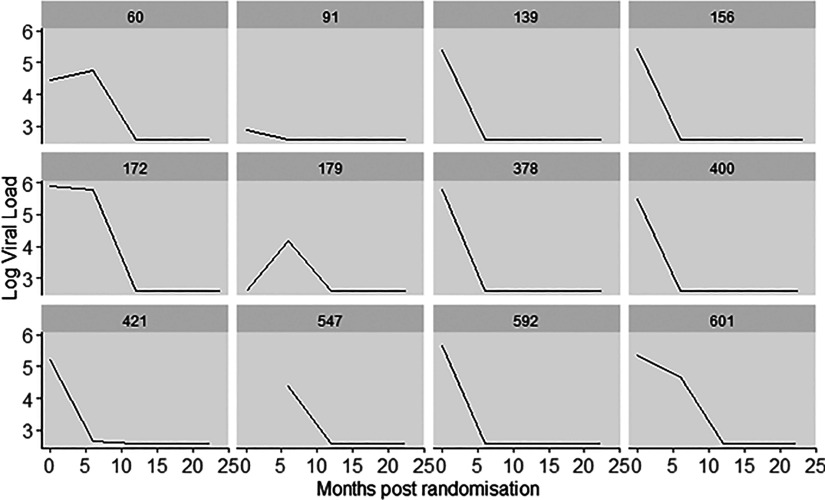 Figure 8
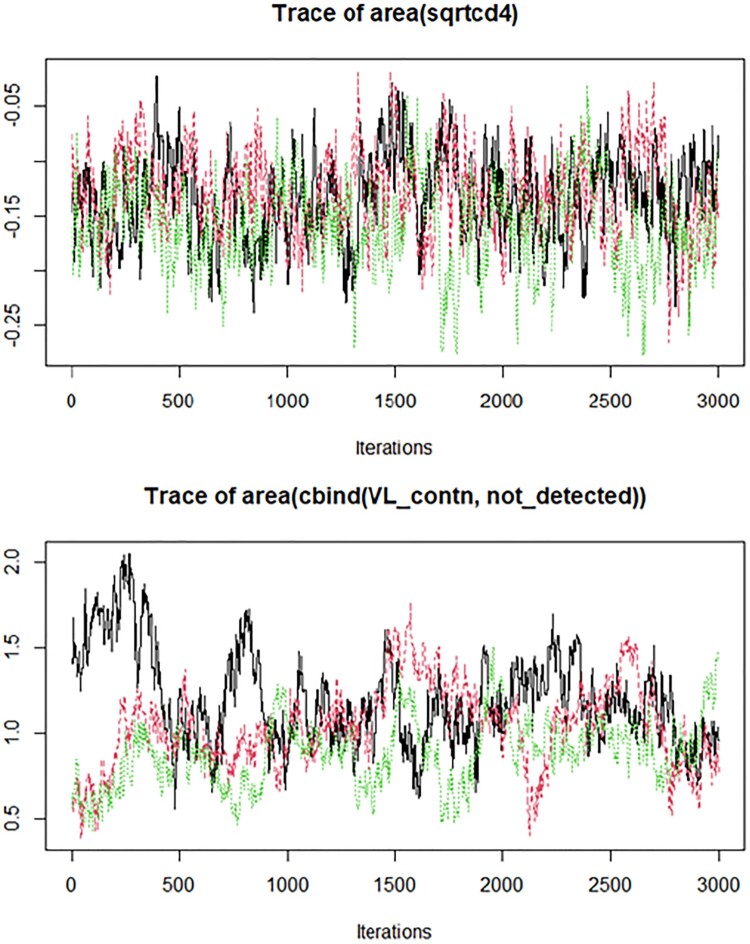 Figure 9
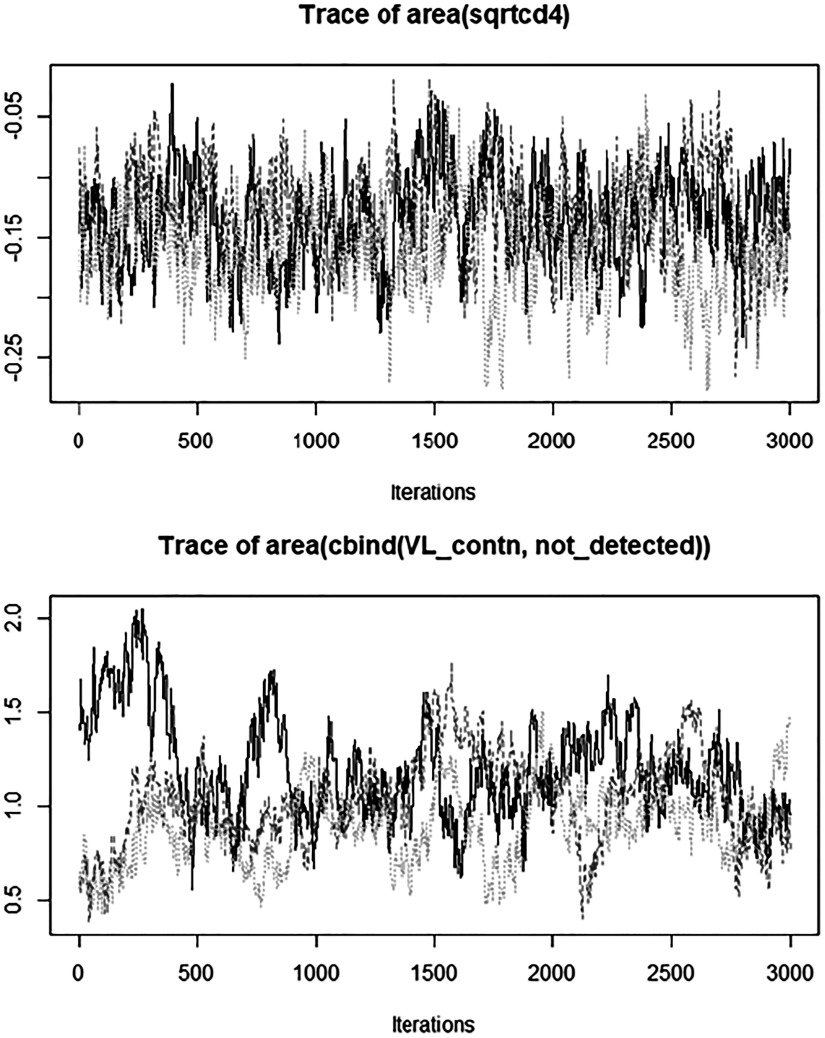 Figure 10
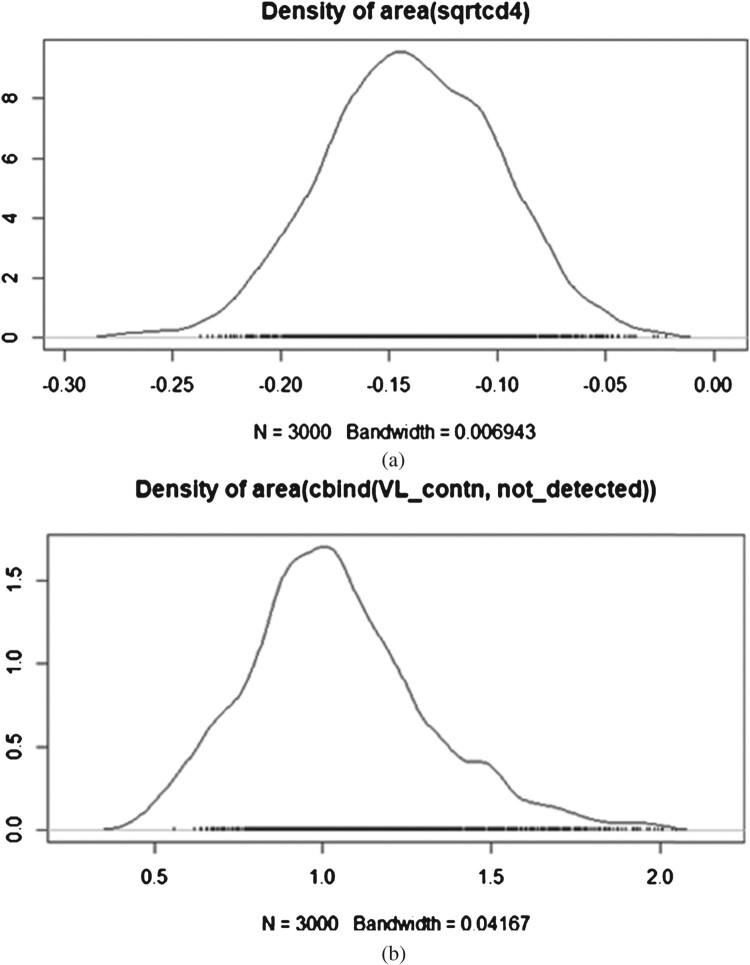 Figure 11
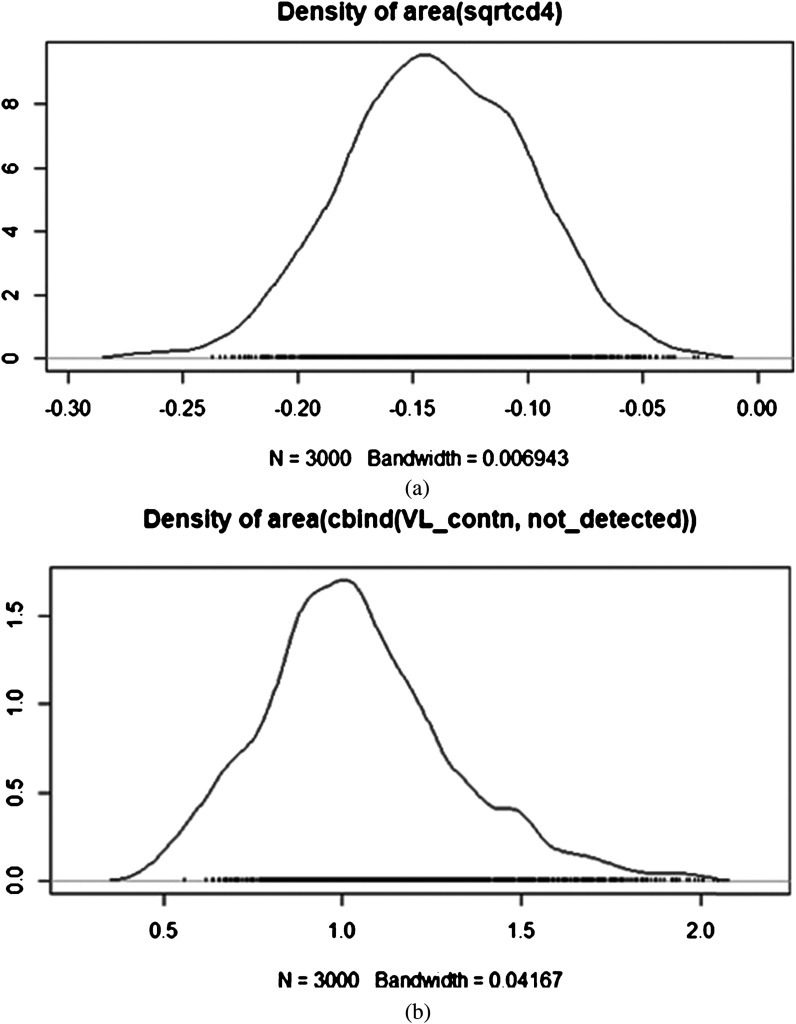 Figure 12
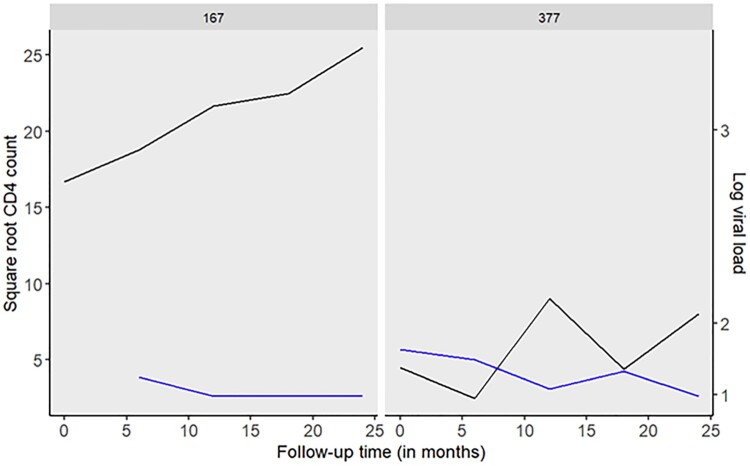 Figure 13
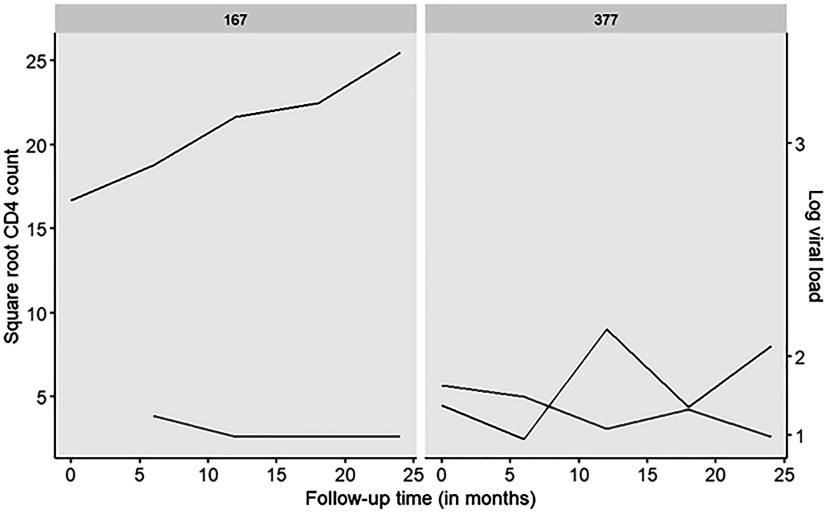 Figure 14
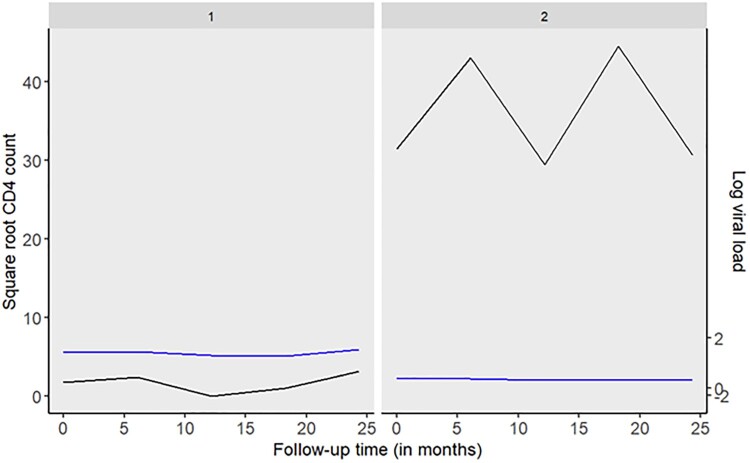 Figure 15
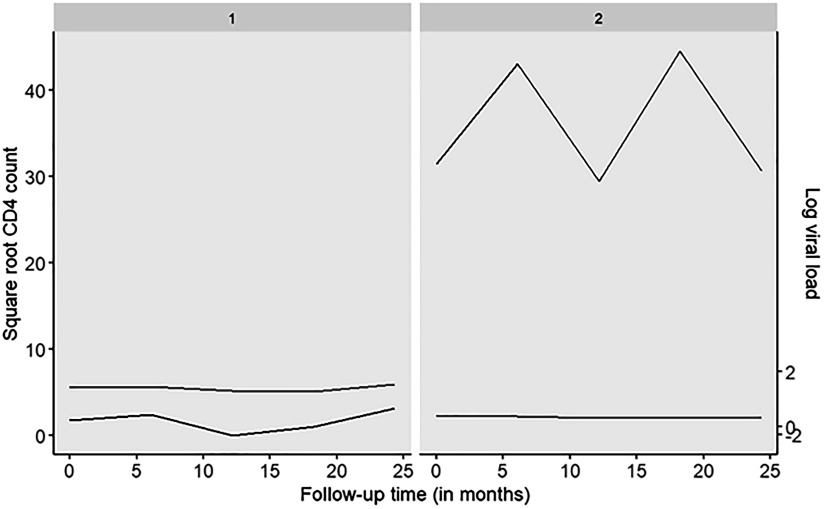 Figure 16
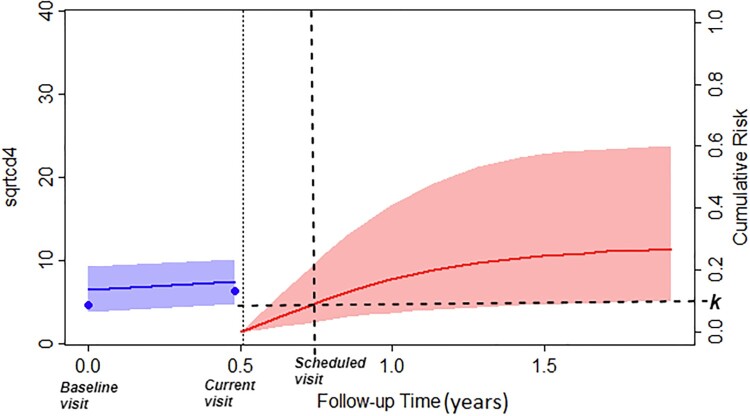 Figure 17
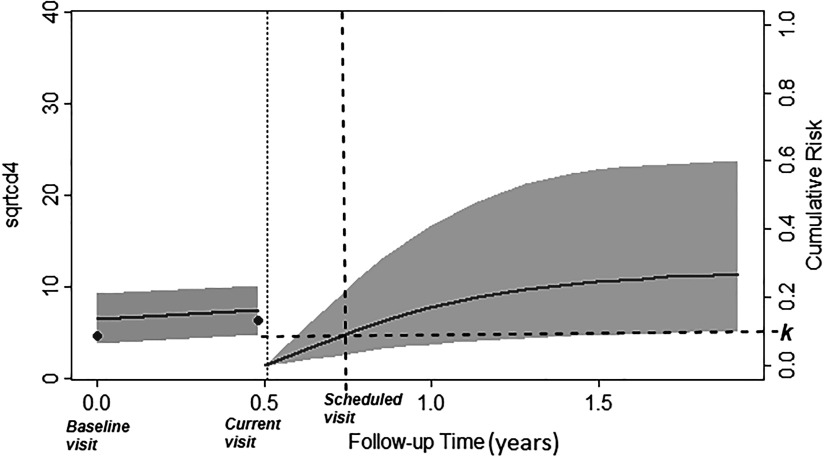 Figure 18
 Figure 19
 Figure 20
 Figure 21
 Figure 22
 Figure 23
 Figure 24
 Figure 25
 Figure 26
 Figure 27
 Figure 28
 Figure 29
 Figure 30
 Figure 31
 Figure 32
 Figure 33
 Figure 34
 Figure 35
 Figure 36
 Figure 37
 Figure 38
 Figure 39
 Figure 40
 Figure 41
 Figure 42
 Figure 43
 Figure 44
 Figure 45
 Figure 46
 Figure 47
 Figure 48
 Figure 49
 Figure 50
Peer Reviews
No public reviews on file for this paper yet. If you reviewed it on a platform where reviews are public (OpenReview, ICLR, NeurIPS, ICML), you can paste yours below so the community can read it here.
Videos
No videos yet. Explain this paper in a talk, walkthrough, or lecture? Add one.
Taxonomy
TopicsStatistical Methods and Inference · Statistical Methods in Clinical Trials · Genetic factors in colorectal cancer