The effect of cynaropicrin, a sesquiterpene lactone, on the migratory properties of triple-negative breast cancer cells and the underlying mechanisms
Meriana Barreto Amaral, Hamad Ali Hamad, Soumya V Menon, Mandeep Kaur, Gv Sivaprasad, Wesam R. Kadhum, Subasini Uthirapathy, Muhammad Ikram Ullah, Mohammed Abed Jawad, Yasser Fakri Mustafa

TL;DR
This study shows that cynaropicrin, a natural compound, can reduce the spread of triple-negative breast cancer by inhibiting cell migration and key cancer-related proteins.
Contribution
The study reveals cynaropicrin's anti-metastatic and anti-angiogenic effects in triple-negative breast cancer cells.
Findings
Cynaropicrin reduced the proliferation and migration of TNBC cell lines in a concentration-dependent manner.
The compound upregulated E-cadherin and downregulated EMT and pro-angiogenic proteins like VEGFA.
These effects suggest cynaropicrin inhibits metastasis and angiogenesis in TNBC.
Abstract
Triple-negative breast cancer (TNBC) is the most metastatic type of breast cancer. Cynaropicrin, a sesquiterpene lactone, shows potential anticancer effects. This study evaluated cynaropicrin's impact on metastasis and angiogenesis in TNBC cells. MDA-MB-231 and MDA-MB-468 cell lines were exposed to incrementing concentrations of cynaropicrin. The proliferation of the cell lines was assayed using the MTT method. A wound scratch technique was chosen to appraise the migratory properties of cells following cynaropicrin treatment. The transcript levels of epithelial-mesenchymal transition (EMT) and pro-angiogenic factors were quantified via quantitative polymerase chain reaction. The western blotting technique estimated the amount of E-cadherin, N-cadherin, Fibronectin, Vimentin, and VEGFA. The proliferation of MDA-MB-231 and MDA-MB-468 cells was significantly lowered due to cynaropicrin…
Genes, proteins, chemicals, diseases, species, mutations and cell lines named across the full text — each resolved to its canonical identifier and authoritative record.
Click any figure to enlarge with its caption.
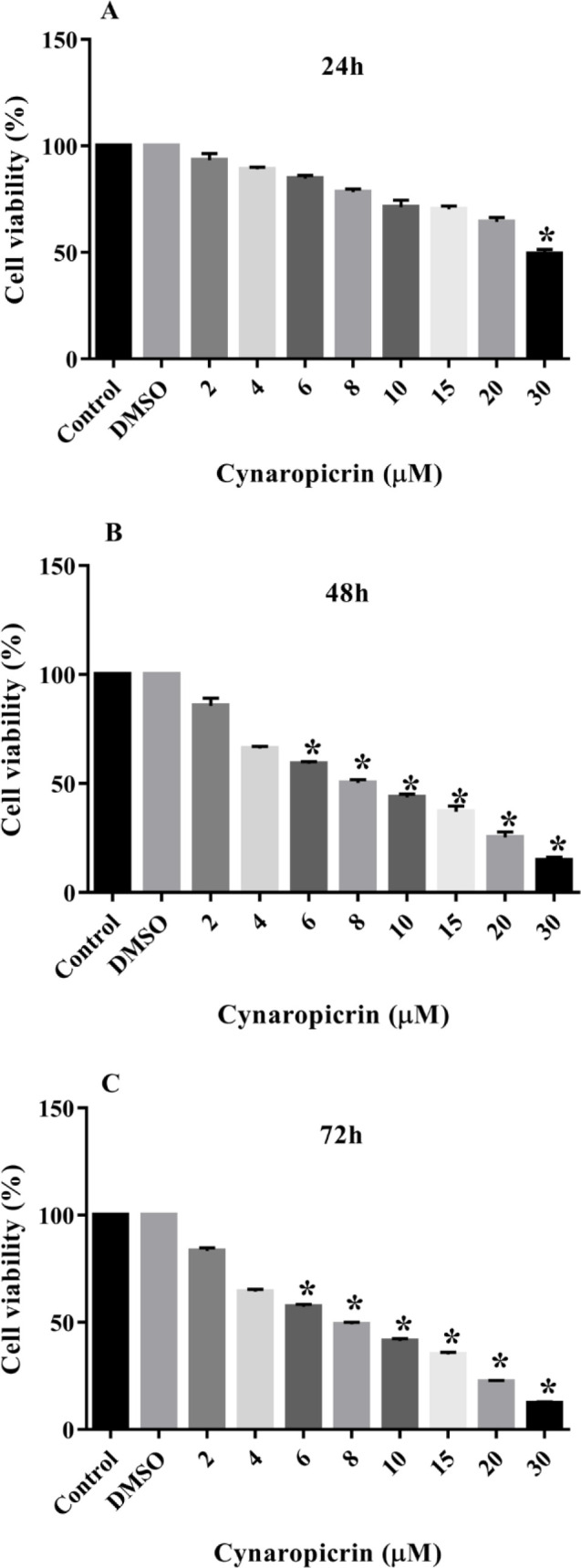 Figure 1
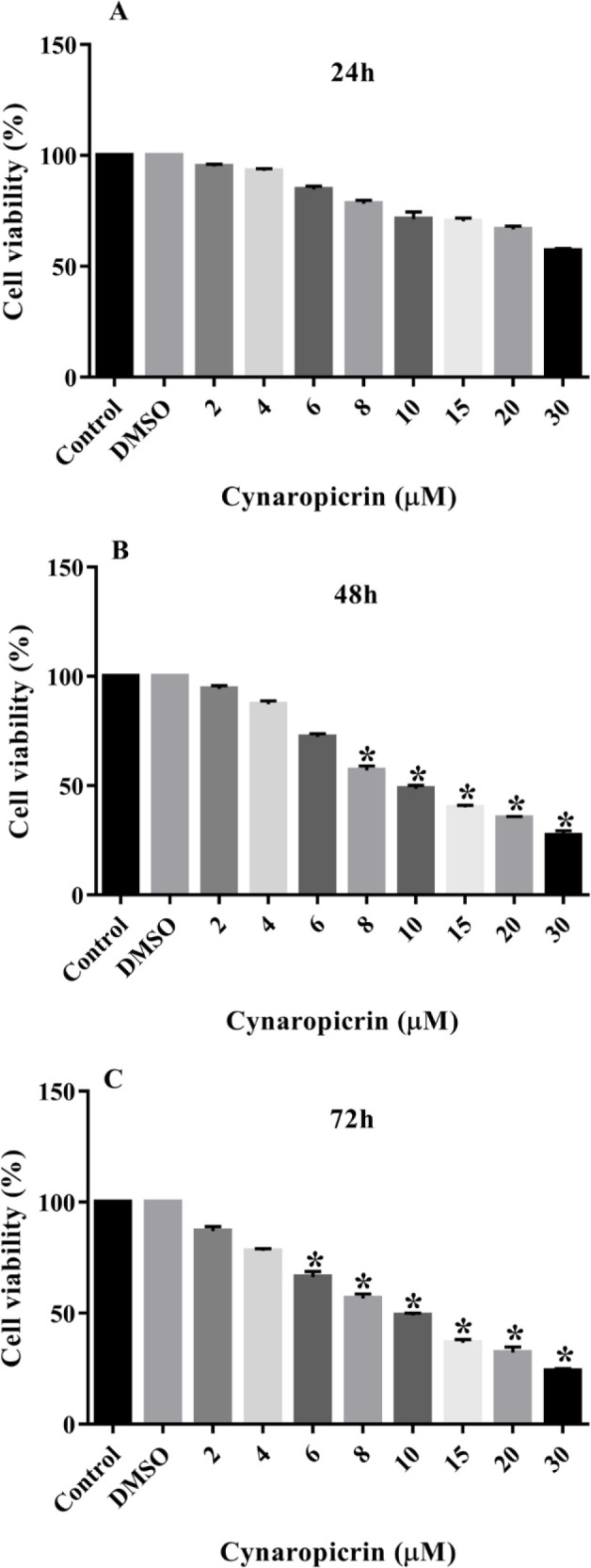 Figure 2
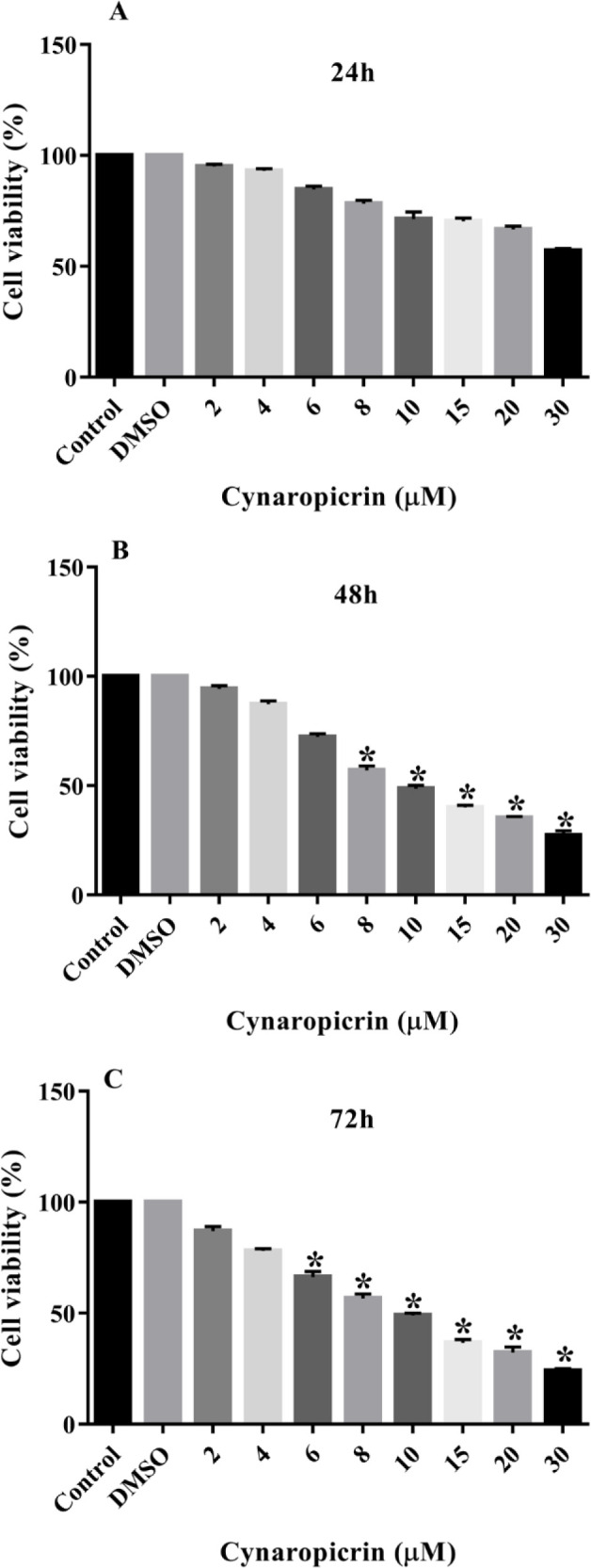 Figure 3
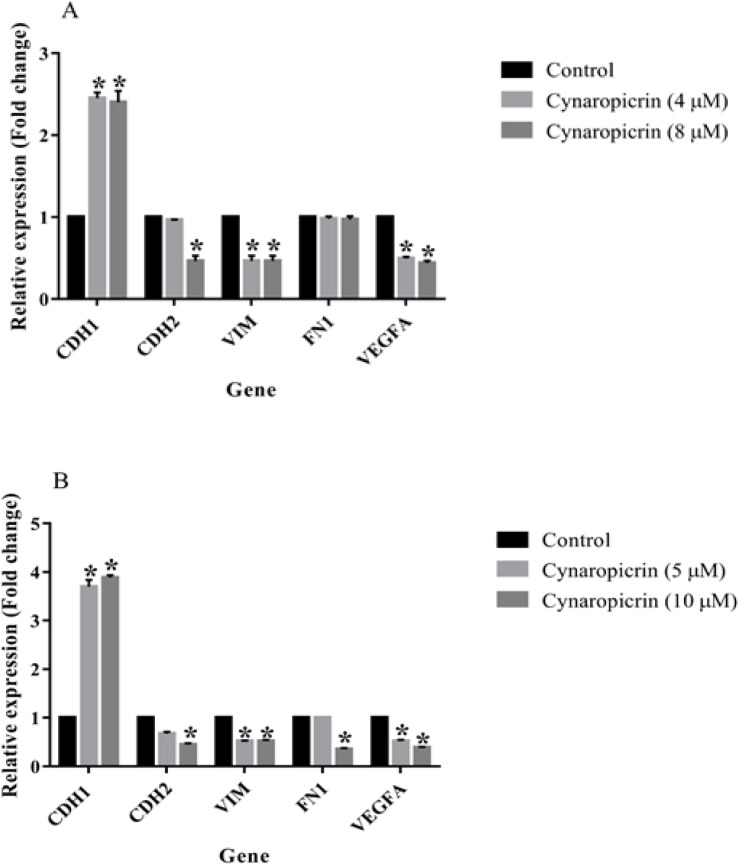 Figure 4
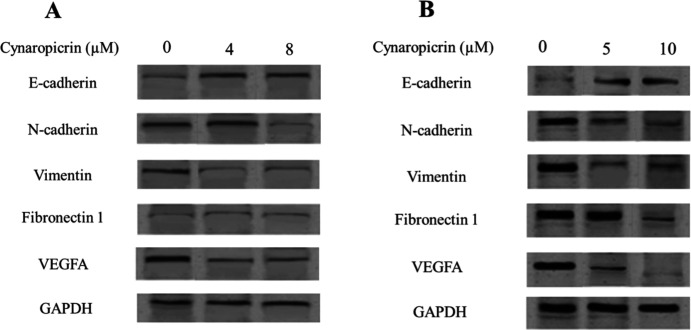 Figure 5
Peer Reviews
No public reviews on file for this paper yet. If you reviewed it on a platform where reviews are public (OpenReview, ICLR, NeurIPS, ICML), you can paste yours below so the community can read it here.
Videos
No videos yet. Explain this paper in a talk, walkthrough, or lecture? Add one.
Taxonomy
TopicsSesquiterpenes and Asteraceae Studies · Marine Sponges and Natural Products · Fungal Biology and Applications