Safety and Impacts of Physical Activity for Individuals Living With Hypermobility Spectrum Disorders and Hypermobile Ehlers-Danlos Syndrome: Protocol for a Scoping Review
Donald William Golden, Jonathan L Low, Julia T Daun, C Allyson Jones, Liz Dennett, Susan Nicole Culos-Reed, Ranita Harpreet Kaur Manocha

TL;DR
This study aims to understand how safe and beneficial physical activity is for people with hypermobility disorders, especially during hormonal changes.
Contribution
The study introduces a scoping review protocol to explore age-specific and hormone-related impacts of physical activity in hypermobility disorders.
Findings
There is limited research on physical activity in individuals with hypermobility spectrum disorders and hypermobile Ehlers-Danlos syndrome.
Current evidence does not address structured or unstructured physical activity for all ages or during hormonal transitions.
Understanding safe physical activity practices could improve quality of life for individuals with these conditions.
Abstract
Although physical activity (PA) participation has known health benefits, many individuals with hypermobility spectrum disorders (HSD) and hypermobile Ehlers-Danlos syndrome (hEDS) have difficulties participating in PA. HSD/hEDS affect approximately 1 in 500 people and are more prevalent in females. HSD/hEDS may result in frequent joint injuries, chronic pain, and generalized fatigue. These symptoms, and a fear of new or reinjury, may result in barriers to PA participation. Overall, there is limited research on PA in this population. Previous exercise reviews have not included structured PA such as sports and occupational activities; unstructured PA such as play, household, or leisure activities; or younger ages, including children. Additionally, some females with HSD/hEDS report experiencing more frequent joint injuries and worsening pain and fatigue during times of hormonal…
Genes, proteins, chemicals, diseases, species, mutations and cell lines named across the full text — each resolved to its canonical identifier and authoritative record.
Click any figure to enlarge with its caption.
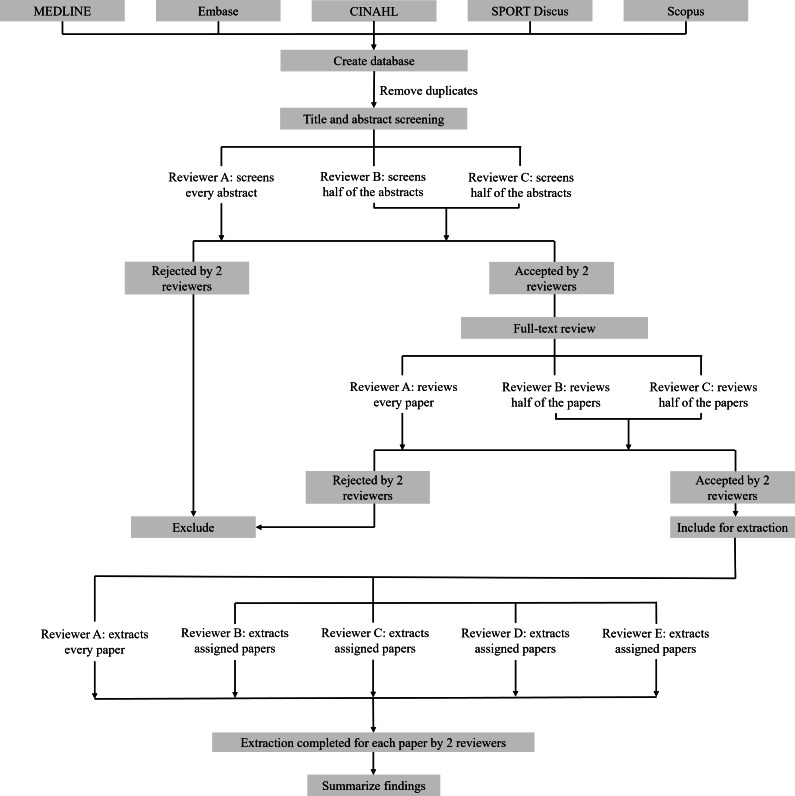 Figure 1
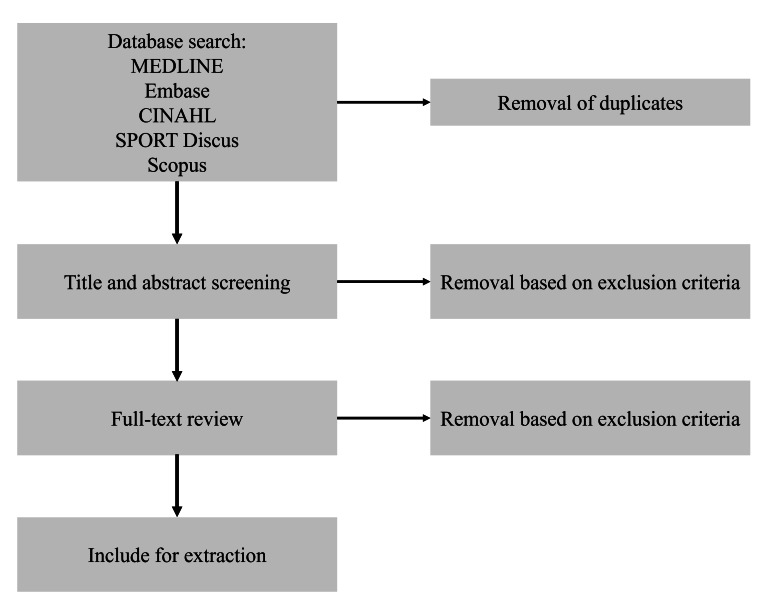 Figure 2
Peer Reviews
No public reviews on file for this paper yet. If you reviewed it on a platform where reviews are public (OpenReview, ICLR, NeurIPS, ICML), you can paste yours below so the community can read it here.
Videos
No videos yet. Explain this paper in a talk, walkthrough, or lecture? Add one.
Taxonomy
TopicsConnective tissue disorders research · Sports injuries and prevention · Scoliosis diagnosis and treatment