Phytochemical Profiling and Computational Docking Studies Revealing the Potential Anticancer and Antioxidant Properties of Heliotropium indicum L
Sadia Afroz Shoily, Mst. Shahnaj Parvin, Mohsin Kazi, Aqibul Hasan Aqib, Md. Sabbir Hossain, Rasel Ahmed, Rafat Hossain Rafi, Jaytirmoy Barmon, Mohammad N. Uddin, Md. Ekramul Islam

TL;DR
This study shows that Heliotropium indicum L. has strong anticancer and antioxidant properties, supported by phytochemical analysis and computational modeling.
Contribution
The study integrates phytochemical, biological, and computational methods to identify a promising natural anticancer agent.
Findings
The chloroform fraction of H. indicum inhibited tumor growth by 76.39% in an EAC model.
Key compounds from H. indicum showed strong binding to topoisomerase II via molecular docking.
The plant extract protected against oxidative DNA damage and showed potent cytotoxicity in brine shrimp assays.
Abstract
This study explores the anticancer and antioxidant potential of Heliotropium indicum L. through integrated phytochemical, biological, and computational approaches. GC–MS analysis identified phenol, 3,5‐bis(1,1‐dimethylethyl) as a major constituent. The chloroform fraction (CHF) exhibited significant in vivo antitumor activity in an Ehrlich ascites carcinoma (EAC) model, showing 76.39% tumor growth inhibition, comparable to bleomycin (80.36%). CHF also demonstrated potent cytotoxicity (LC50 = 28.96 μg/mL) in a brine shrimp assay and protected against AAPH‐induced oxidative DNA damage. Molecular docking revealed strong binding of key compounds to topoisomerase II, supported by stable molecular dynamics simulations and favorable MM–PBSA binding energies. These findings highlight H. indicum as a promising source of anticancer and antioxidant agents, warranting further mechanistic and…
Genes, proteins, chemicals, diseases, species, mutations and cell lines named across the full text — each resolved to its canonical identifier and authoritative record.
Click any figure to enlarge with its caption.
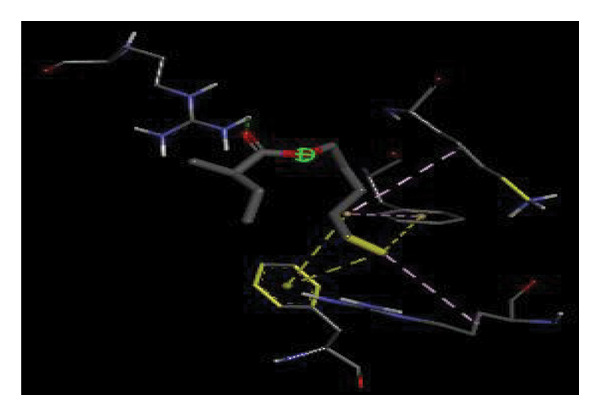 Figure 1
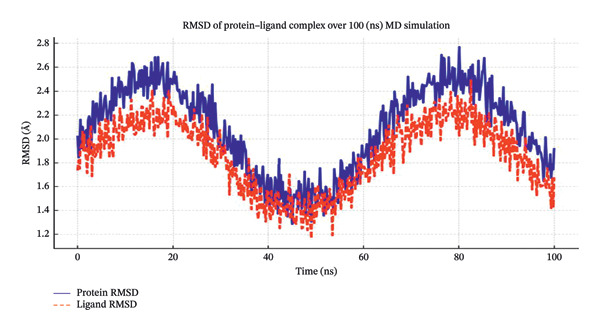 Figure 2
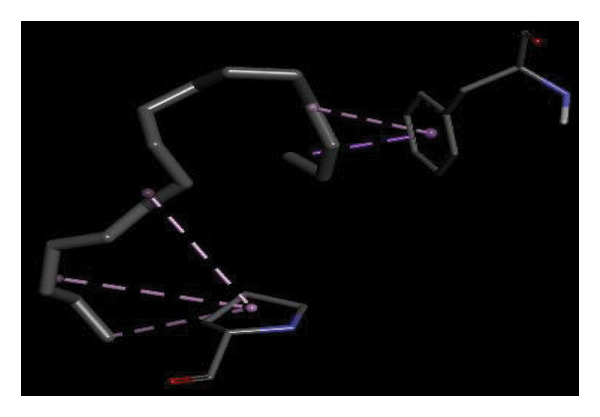 Figure 3
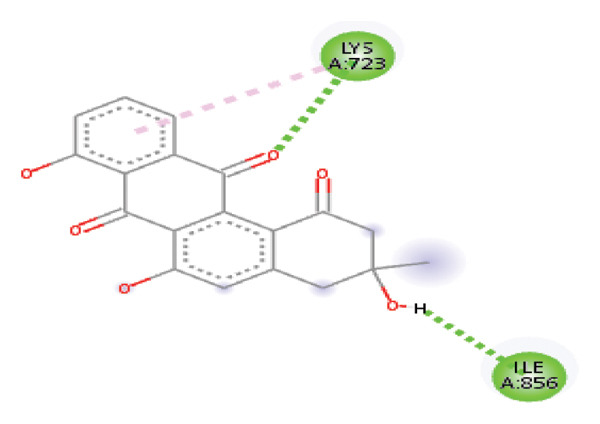 Figure 4
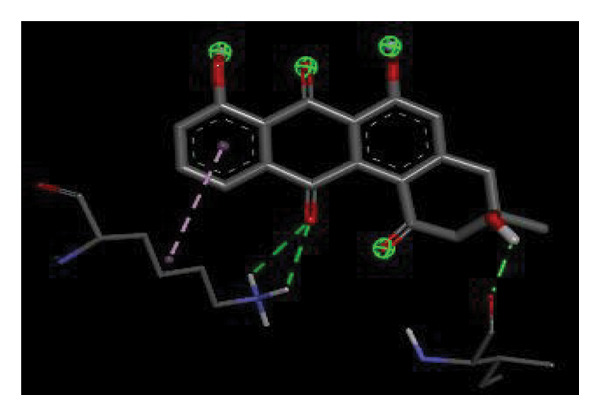 Figure 5
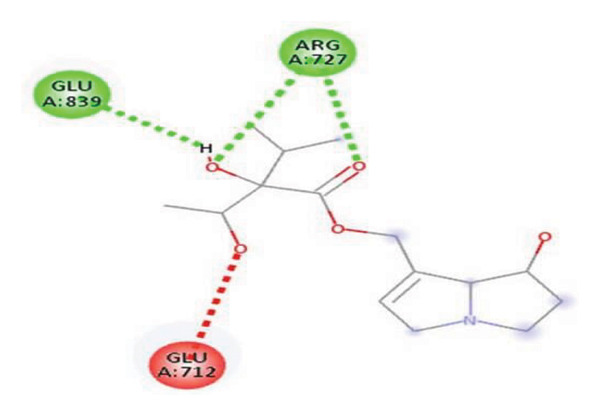 Figure 6
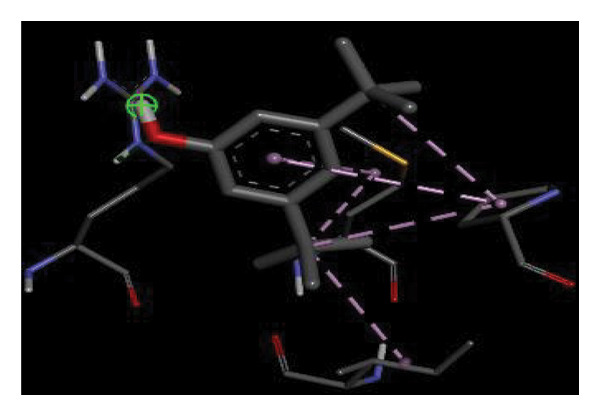 Figure 7
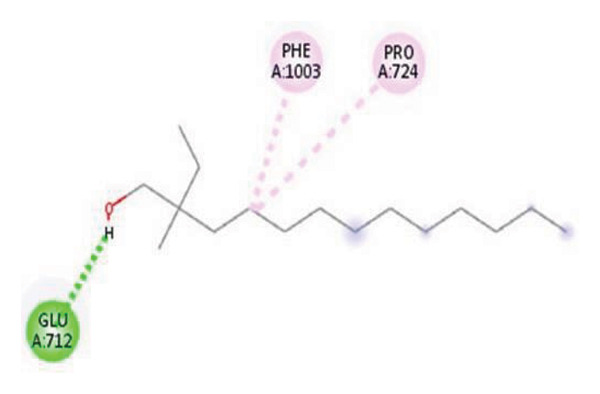 Figure 8
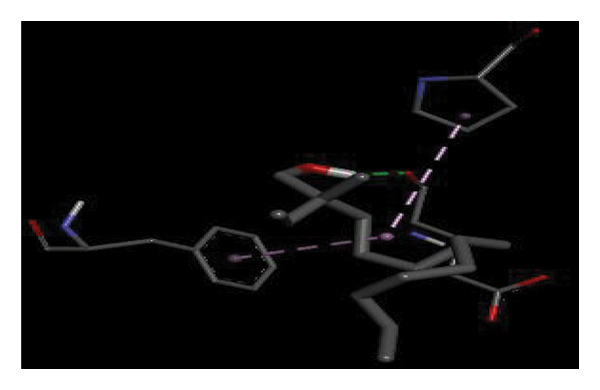 Figure 9
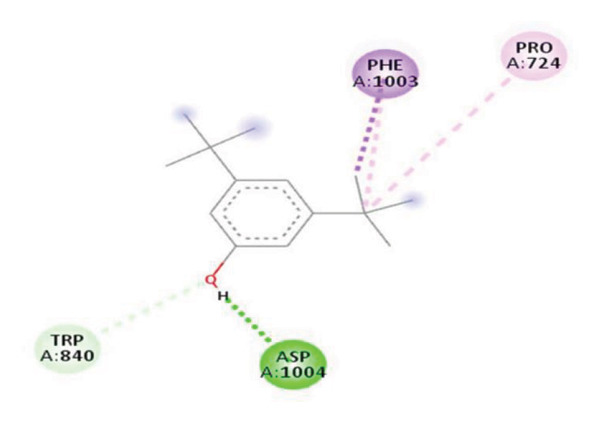 Figure 10
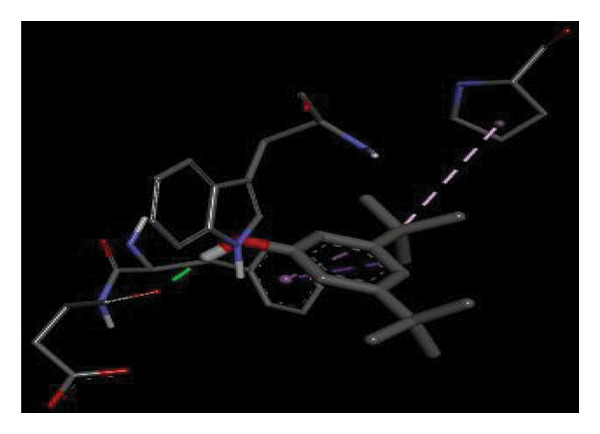 Figure 11
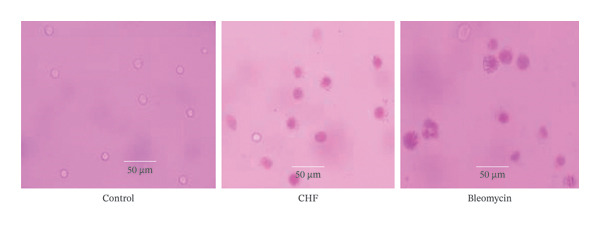 Figure 12
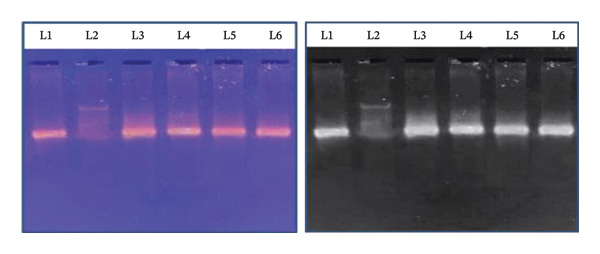 Figure 13
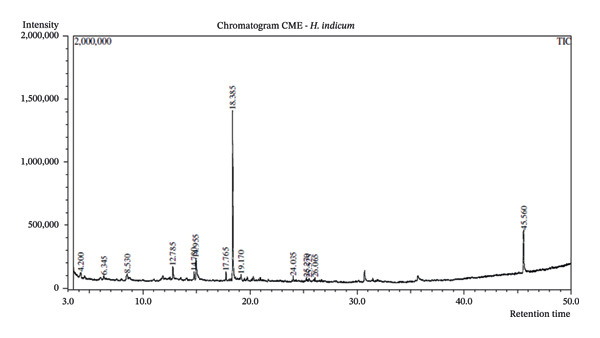 Figure 14
 Figure 15
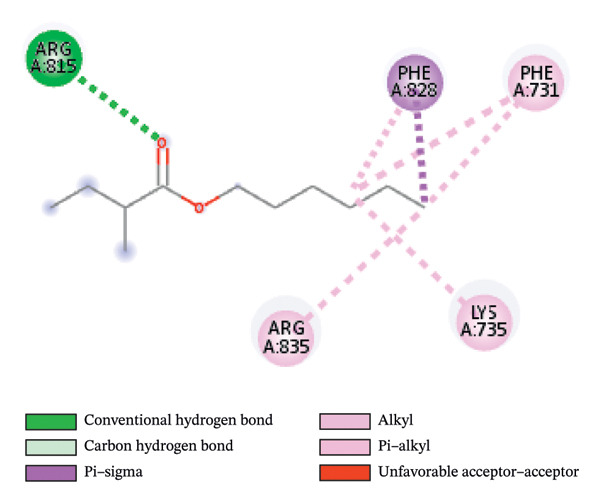 Figure 16
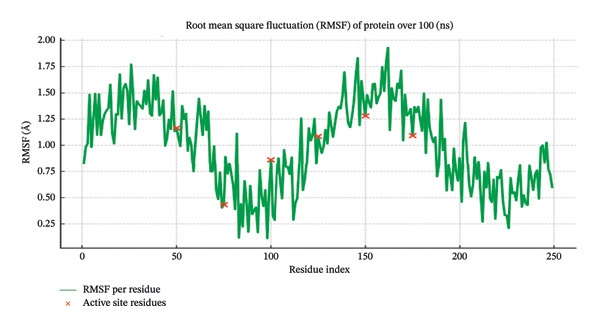 Figure 17
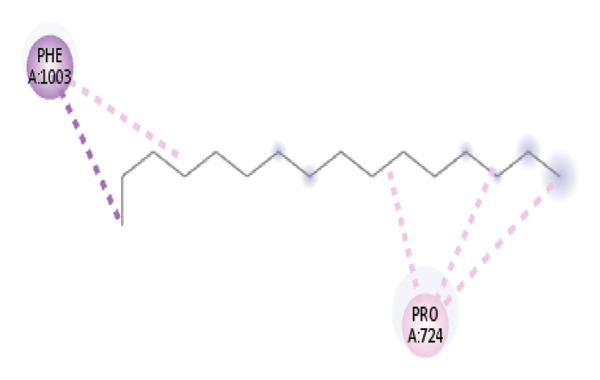 Figure 18
Peer Reviews
No public reviews on file for this paper yet. If you reviewed it on a platform where reviews are public (OpenReview, ICLR, NeurIPS, ICML), you can paste yours below so the community can read it here.
Videos
No videos yet. Explain this paper in a talk, walkthrough, or lecture? Add one.
Taxonomy
TopicsPlant Toxicity and Pharmacological Properties · Phytochemistry Medicinal Plant Applications · Sesquiterpenes and Asteraceae Studies