Impact of Point-of-Care Ultrasound-Guided Resuscitation Protocols in the Treatment of Septic Shock: A Systematic Review of Hemodynamic Outcomes and Mortality
Alexis Agustin A Dunay Silva, Santiago Medina Tovar, Juan Sebastian Usma Gutierrez, Rashell Danae Fiallos Baldeón, Elvis Roque Arias Merino, Montserrat Ceja, Pablo Andrés Gutiérrez Hoyos

TL;DR
This review finds that using ultrasound during resuscitation for septic shock improves blood pressure, oxygen levels, and recovery, possibly reducing ICU stays.
Contribution
The study systematically evaluates the benefits of POCUS-guided resuscitation in septic shock, highlighting its impact on hemodynamics and recovery.
Findings
POCUS-guided resuscitation improves hemodynamic stability and oxygenation in septic shock patients.
Ultrasound-guided protocols reduce fluid overload and improve organ function recovery.
Patients may experience shorter ICU stays and better lactate clearance with POCUS.
Abstract
Septic shock is a life-threatening condition requiring rapid hemodynamic stabilization. This review aimed to evaluate the impact of point-of-care ultrasound (POCUS)-guided resuscitation on mortality and hemodynamic outcomes in adults with septic shock. Following Preferred Reporting Items for Systematic Reviews and Meta-Analyses (PRISMA) 2020 guidelines, PubMed, the Cochrane Library, and Google Scholar were searched up to October 2025 for studies comparing POCUS-guided to conventional resuscitation. Study quality was assessed using the Cochrane Risk of Bias 2.0 and Newcastle-Ottawa scale (NOS) tools. Due to heterogeneity in study designs and outcome measures, a narrative data synthesis was performed, summarizing findings across mortality, hemodynamic, fluid balance, and organ function domains. Fourteen studies met the inclusion criteria, encompassing 11 randomized controlled trials…
Genes, proteins, chemicals, diseases, species, mutations and cell lines named across the full text — each resolved to its canonical identifier and authoritative record.
Click any figure to enlarge with its caption.
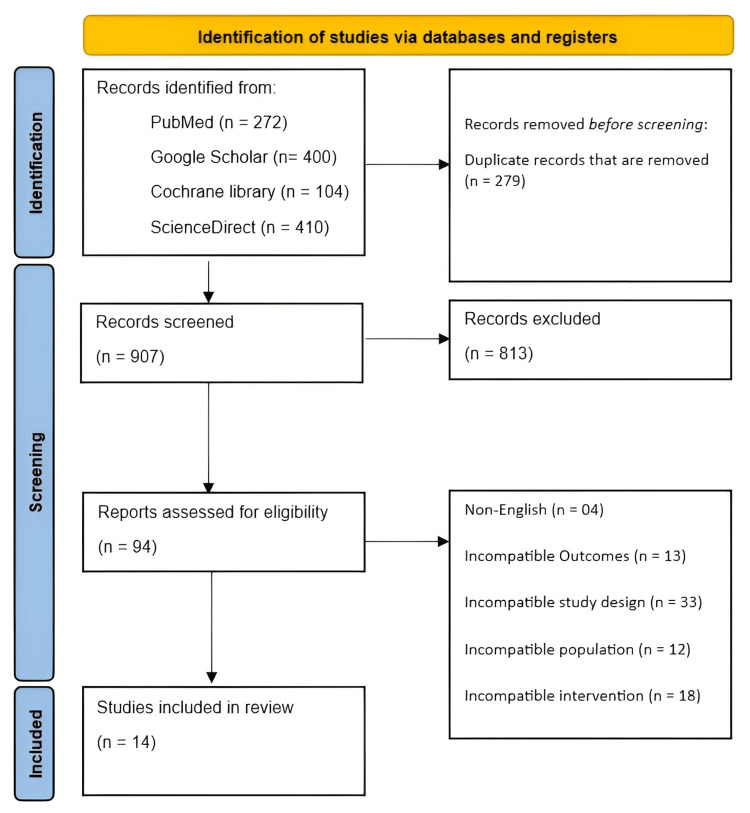 Figure 1
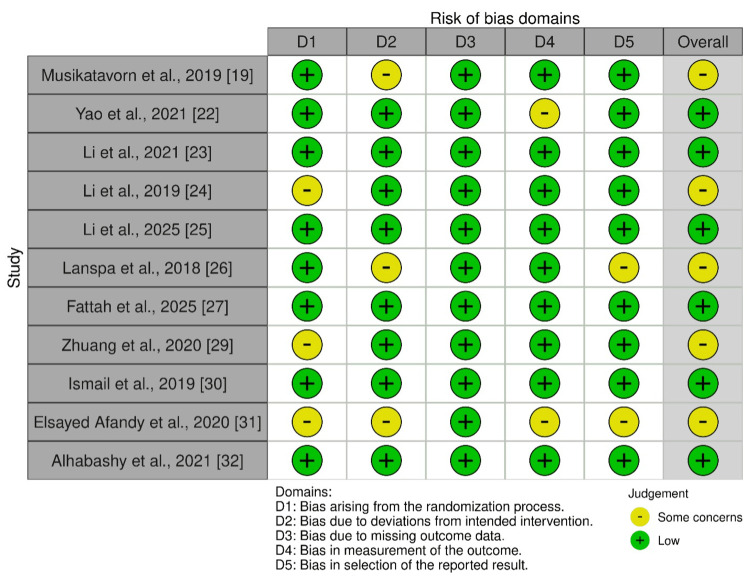 Figure 2
Peer Reviews
No public reviews on file for this paper yet. If you reviewed it on a platform where reviews are public (OpenReview, ICLR, NeurIPS, ICML), you can paste yours below so the community can read it here.
Videos
No videos yet. Explain this paper in a talk, walkthrough, or lecture? Add one.
Taxonomy
TopicsUltrasound in Clinical Applications · Sepsis Diagnosis and Treatment · Hemodynamic Monitoring and Therapy