Winter occurrence and spawning characteristics of Pacific herring (Clupea pallasii) in Jinhae Bay: An integrated survey using acoustic monitoring, gillnet sampling, and environmental DNA
Euna Yoon, Yong-Deuk Lee, Jeong-Hoon Lee, Inyeong Kwon, Hyungbeen Lee, Mizanur Rahman, Mizanur Rahman, Mizanur Rahman

TL;DR
This study tracks Pacific herring in Jinhae Bay during winter using sound, nets, and DNA to understand their spawning patterns and support conservation.
Contribution
The study integrates acoustic monitoring, gillnet sampling, and eDNA to comprehensively assess herring spawning dynamics in a key winter spawning ground.
Findings
Herring school signals were detected from mid-January to mid-February, aligning with peak gillnet catches.
eDNA concentrations peaked in mid-January and declined afterward, indicating spawning activity.
Most herring females were ripe or spent, confirming peak spawning during the study period.
Abstract
This study investigated the adult density, timing of migration, and biological characteristics of Pacific herring (Clupea pallasii) entering Jinhae Bay, South Korea, in winter, a major spawning ground for the species. A wideband autonomous transceiver (WBAT) was deployed from November 2022 to March 2023, and standardized gillnet surveys and environmental DNA (eDNA) were conducted concurrently. WBAT monitoring showed that C. pallasii school signals appeared predominantly from mid-January to mid-February, coinciding with the period during which herring were highly dominant in gillnet catches. Assessment of female reproductive maturity indicated that most individuals were ripe or spent, confirming that this period represented the peak spawning season. eDNA concentrations exhibited a sharp peak in mid-January in both surface and bottom waters and then declined steadily thereafter. Taken…
Genes, proteins, chemicals, diseases, species, mutations and cell lines named across the full text — each resolved to its canonical identifier and authoritative record.
Click any figure to enlarge with its caption.
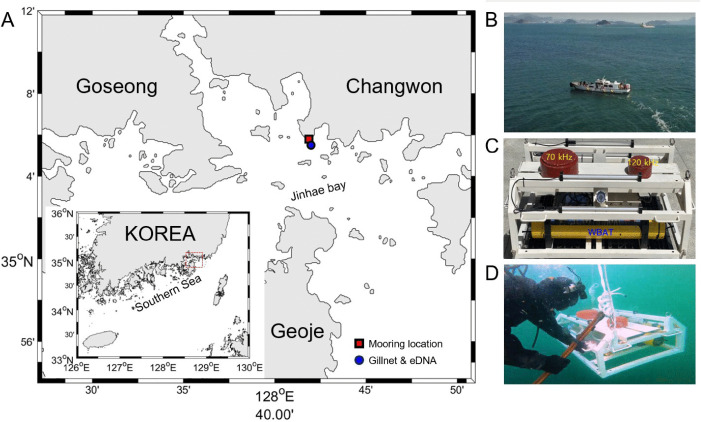 Figure 1
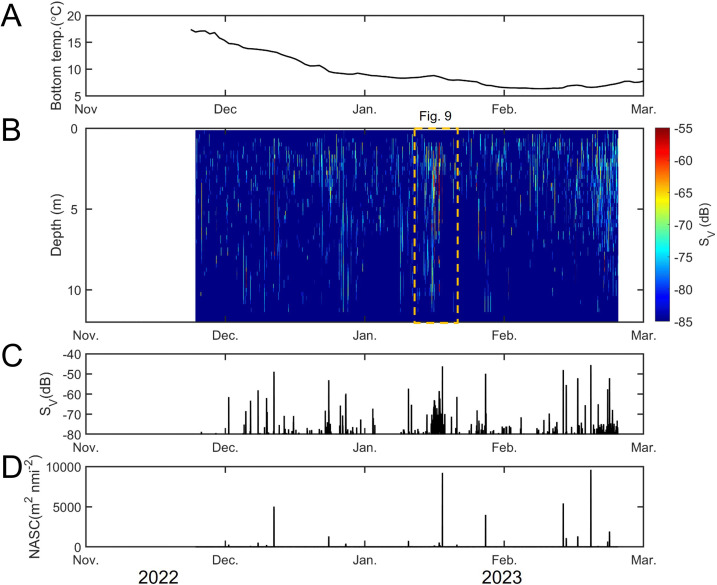 Figure 2
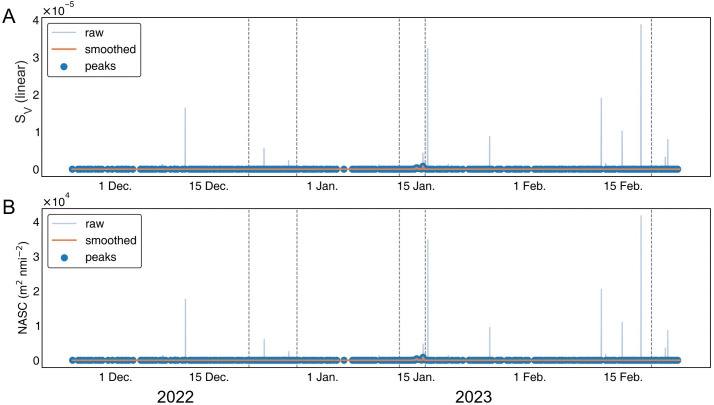 Figure 3
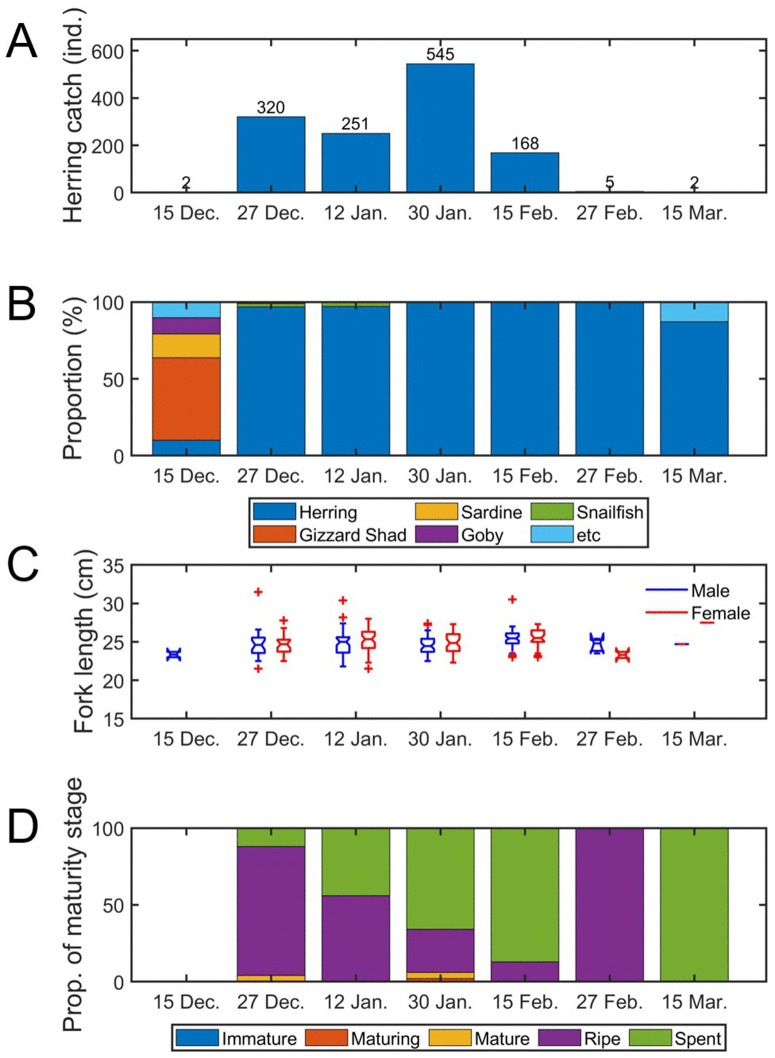 Figure 4
 Figure 5
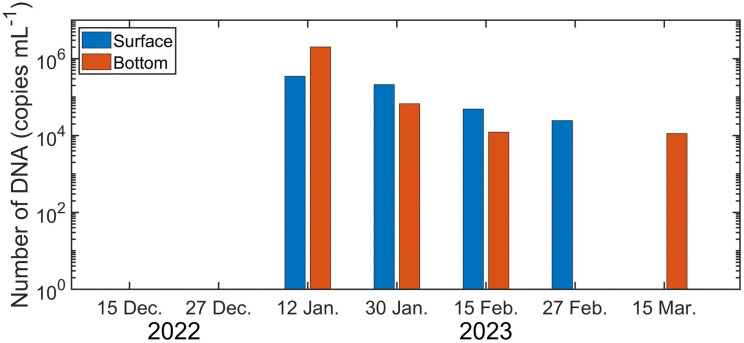 Figure 6
 Figure 7
 Figure 8
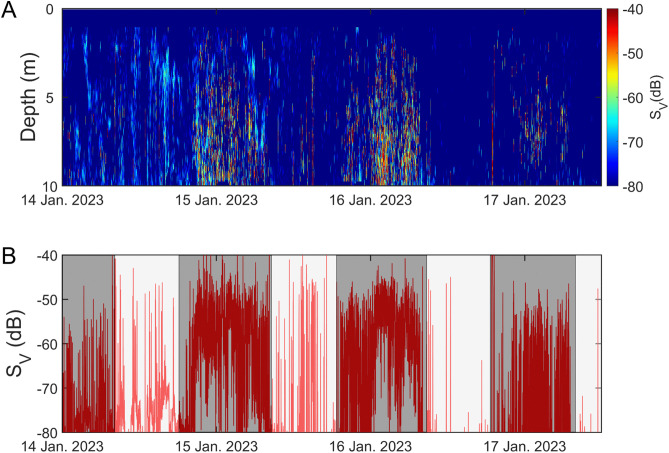 Figure 9
 Figure 10
Peer Reviews
No public reviews on file for this paper yet. If you reviewed it on a platform where reviews are public (OpenReview, ICLR, NeurIPS, ICML), you can paste yours below so the community can read it here.
Videos
No videos yet. Explain this paper in a talk, walkthrough, or lecture? Add one.
Taxonomy
TopicsEnvironmental DNA in Biodiversity Studies · Identification and Quantification in Food · Marine and fisheries research