Process evaluation of a hybrid effectiveness-implementation, pragmatic, cluster randomised controlled trial (IMPULSE) to improve psychosocial treatment of patients with psychotic-spectrum disorders in Southeast Europe
Tamara Pemovska, Nikolina Jovanović, Tamara Radojičić, Silvana Markovska Simoska, Fjolla Ramadani, Sanja Andrić Petrović, Emina Karamehić, Biljana Blazhevska Stoilkovska, Jon Konjufca, Stefan Jerotić, Alma Džubur Kulenović, Lidija Injac Stevović, Jill J. Francis, Cheong Kim

TL;DR
The IMPULSE trial evaluated a digital psychosocial intervention for psychosis in Southeast Europe, finding it improved quality of life and was generally well accepted by clinicians and patients.
Contribution
This study provides insights into the contextual factors affecting the delivery and sustainability of a digital psychosocial intervention for psychosis in low-resource settings.
Findings
DIALOG+ improved patients' quality of life after four sessions.
Moderate to high acceptability and high fidelity of the intervention were observed.
Contextual barriers like resource limitations did not impair outcomes but could affect long-term sustainability.
Abstract
The IMPULSE trial investigated the effectiveness and implementation of a digital psychosocial intervention (DIALOG+) for people with psychosis in five Southeast European countries. DIALOG+ significantly improved patients’ quality of life after four treatment sessions. The process evaluation reported here aimed to assess contextual influences on intervention delivery during the trial, to explain the trial findings and generate hypotheses about mechanisms of action by exploring acceptability from the perspectives of clinicians who delivered it and trial participants who received it, and fidelity (was the intervention delivered and received as planned?). A mixed-methods process evaluation was conducted in accordance with the published protocol, guided by theoretical frameworks and the Medical Research Council’s guidance for complex interventions. To explore the role of context, data were…
Genes, proteins, chemicals, diseases, species, mutations and cell lines named across the full text — each resolved to its canonical identifier and authoritative record.
Click any figure to enlarge with its caption.
 Figure 1
 Figure 2
 Figure 3
 Figure 4
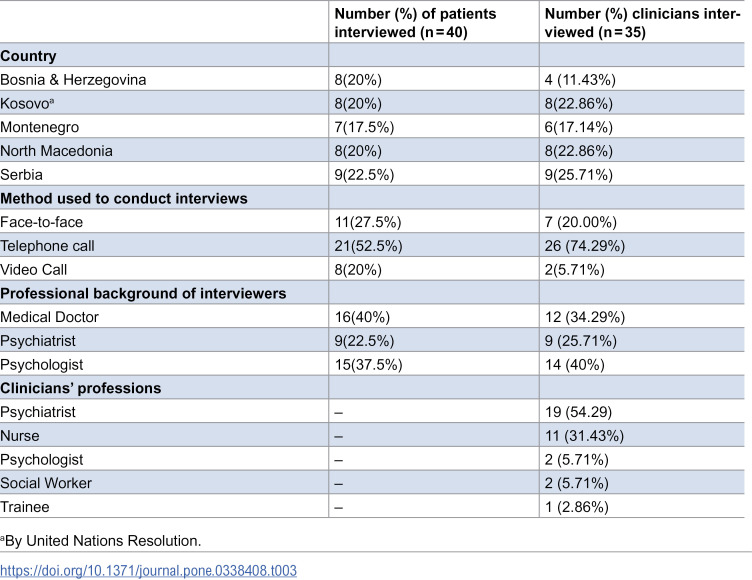 Figure 5
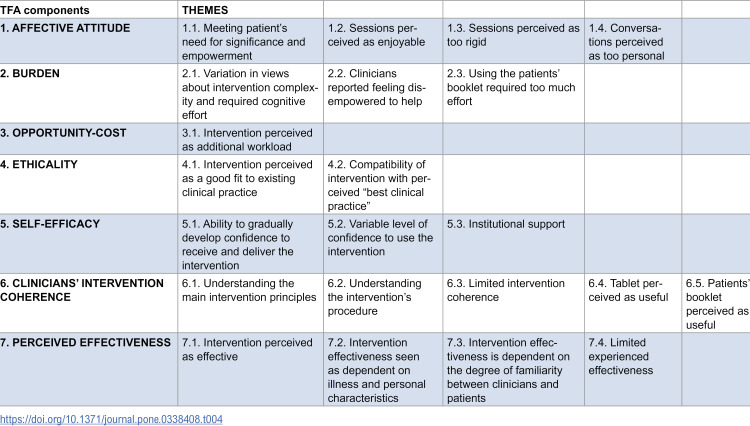 Figure 6
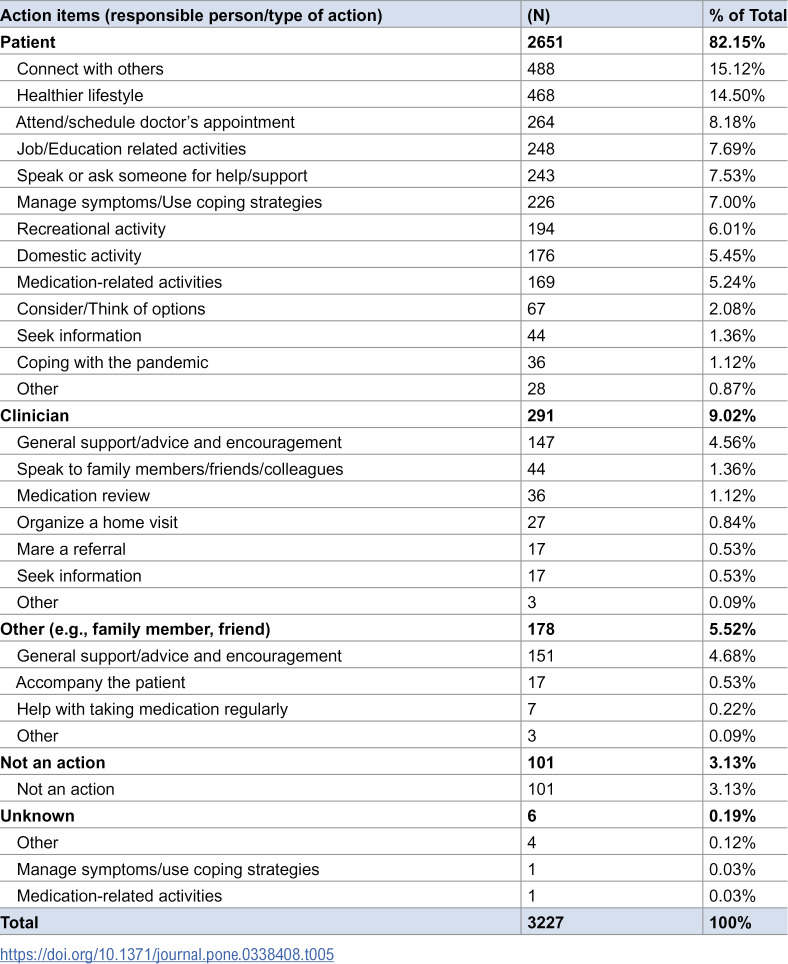 Figure 7
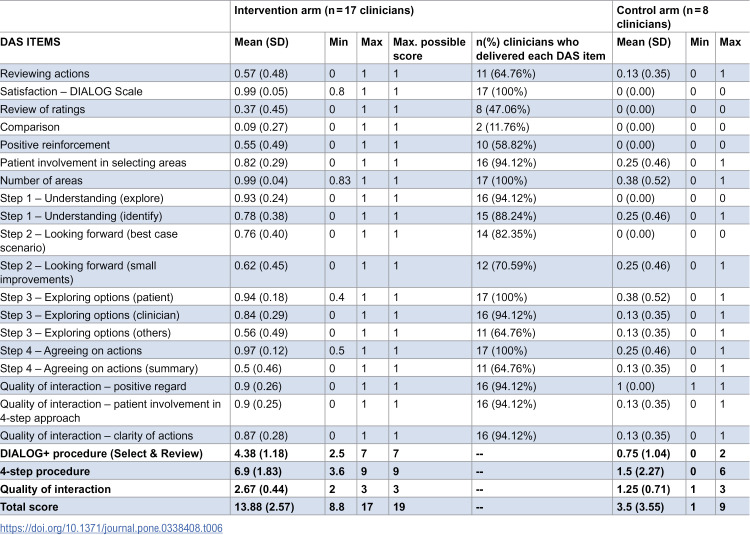 Figure 8
 Figure 9
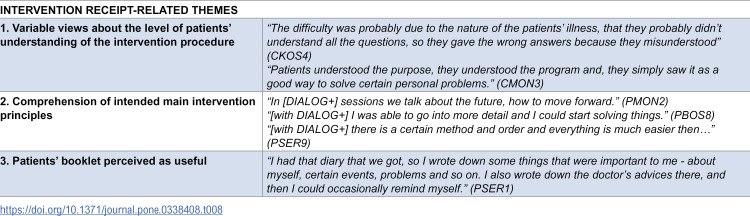 Figure 10
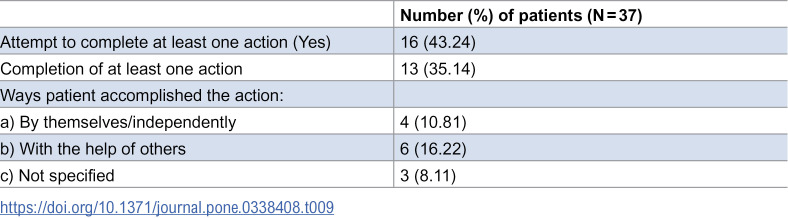 Figure 11
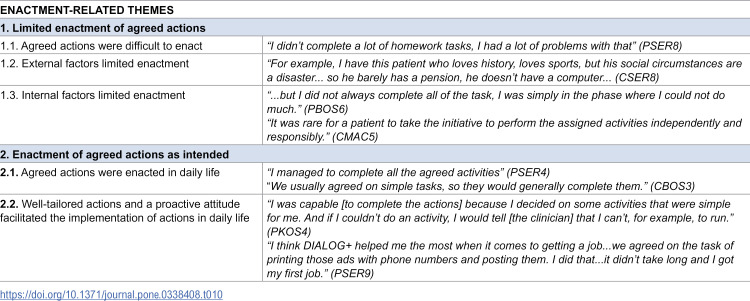 Figure 12
 Figure 13
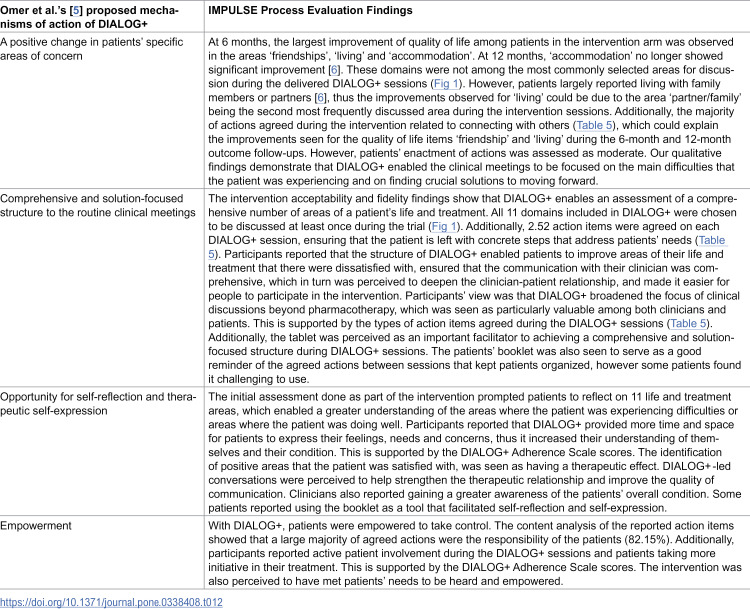 Figure 14
Peer Reviews
No public reviews on file for this paper yet. If you reviewed it on a platform where reviews are public (OpenReview, ICLR, NeurIPS, ICML), you can paste yours below so the community can read it here.
Videos
No videos yet. Explain this paper in a talk, walkthrough, or lecture? Add one.
Taxonomy
TopicsSchizophrenia research and treatment · Health Policy Implementation Science · Digital Mental Health Interventions