The KEAP1/NRF2 axis controls LPS-induced oxidative stress, inflammasome activation and caspase-1 activity in human endothelial cells
Alba Montero-Jodra, Maria Jesús Estebán-Amo, Silvia Patricia Fernández-Martínez, César García Martínez, Miguel Ángel de la Fuente García, Adrián García-Concejo, Marta Martín-Fernández, Eduardo Tamayo, María Simarro

TL;DR
This study shows that 4-octyl itaconate protects human endothelial cells from inflammation and oxidative stress during sepsis by activating the KEAP1/NRF2 pathway.
Contribution
The novel finding is that 4-octyl itaconate modulates endothelial cell inflammation via the KEAP1/NRF2 axis, a mechanism previously known in macrophages.
Findings
4-octyl itaconate reduces mitochondrial ROS and suppresses inflammasome activation in LPS-treated endothelial cells.
KEAP1 silencing mimics the protective effects of 4-octyl itaconate by upregulating NRF2 target genes like HMOX1.
NRF2 knockdown reduces the effectiveness of 4-octyl itaconate, confirming its role in the observed protection.
Abstract
Endothelial cells play a critical role in the inflammatory response during sepsis, however, their metabolic adaptations to inflammatory stimuli remain much less characterized compared to immune cells. Here, we demonstrate that Human Umbilical Vein Endothelial Cells (HUVECs) do not undergo the metabolic and respiratory rewiring typically observed in macrophages following lipopolysaccharide (LPS) stimulation, a common model of inflammation during sepsis. A key metabolite in LPS-activated macrophages is itaconate, which is known for its anti-inflammatory properties. Although HUVECs do not naturally produce itaconate, we explored whether exogenous administration of the cell-permeable derivative 4-octyl itaconate (4-OI) could modulate their response to LPS. Remarkably, 4-OI treatment significantly reduced mitochondrial reactive oxygen species (mitoROS) levels in LPS-treated HUVECs, restoring…
Genes, proteins, chemicals, diseases, species, mutations and cell lines named across the full text — each resolved to its canonical identifier and authoritative record.
Click any figure to enlarge with its caption.
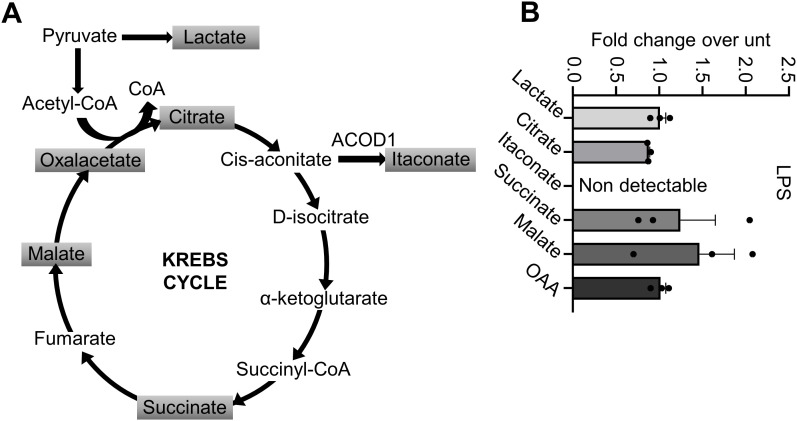 Figure 1
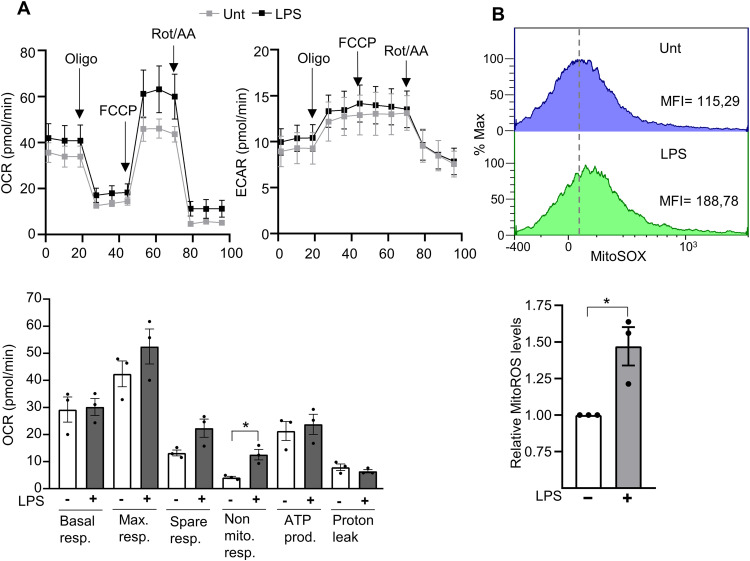 Figure 2
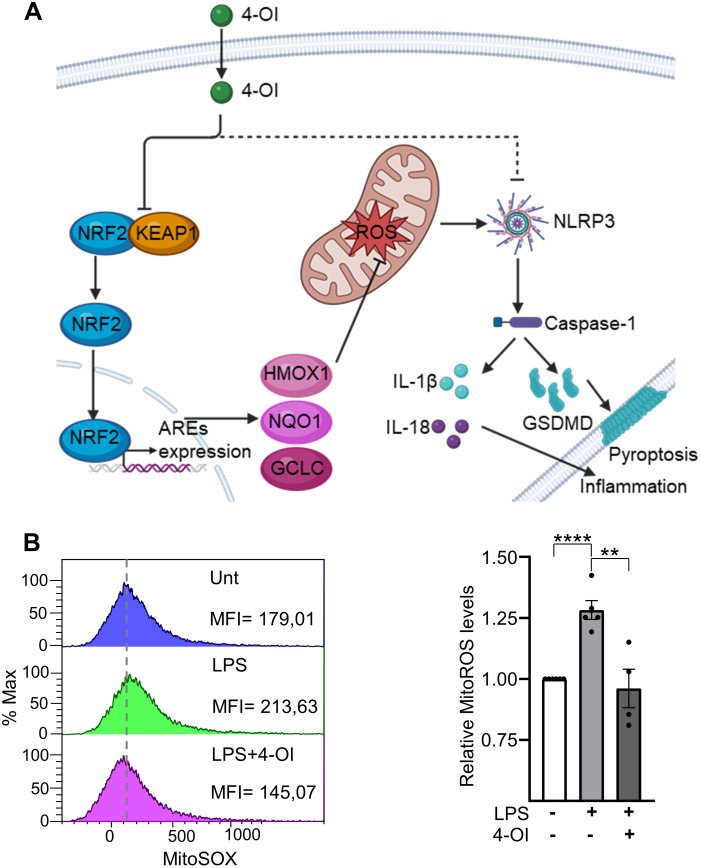 Figure 3
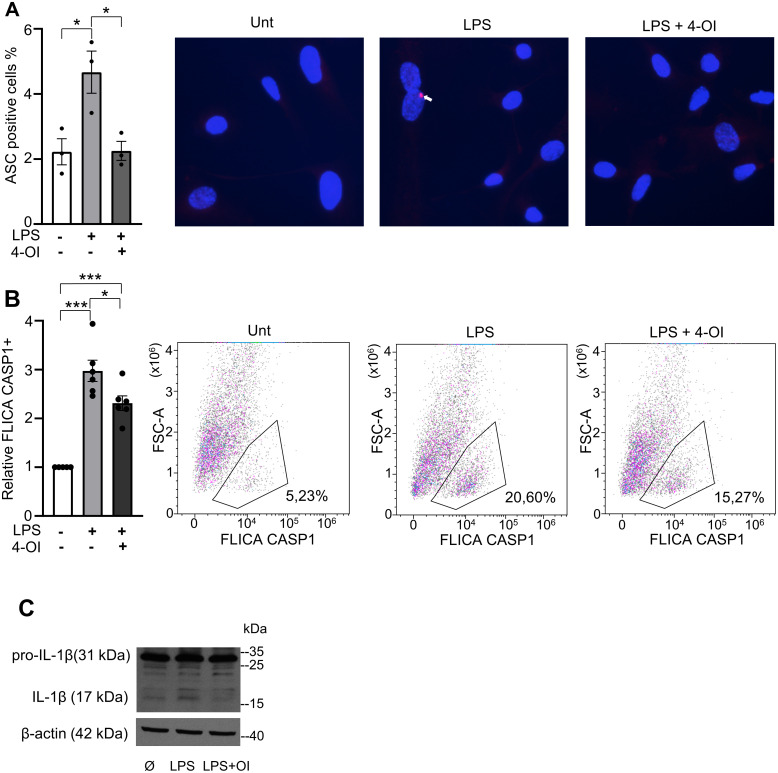 Figure 4
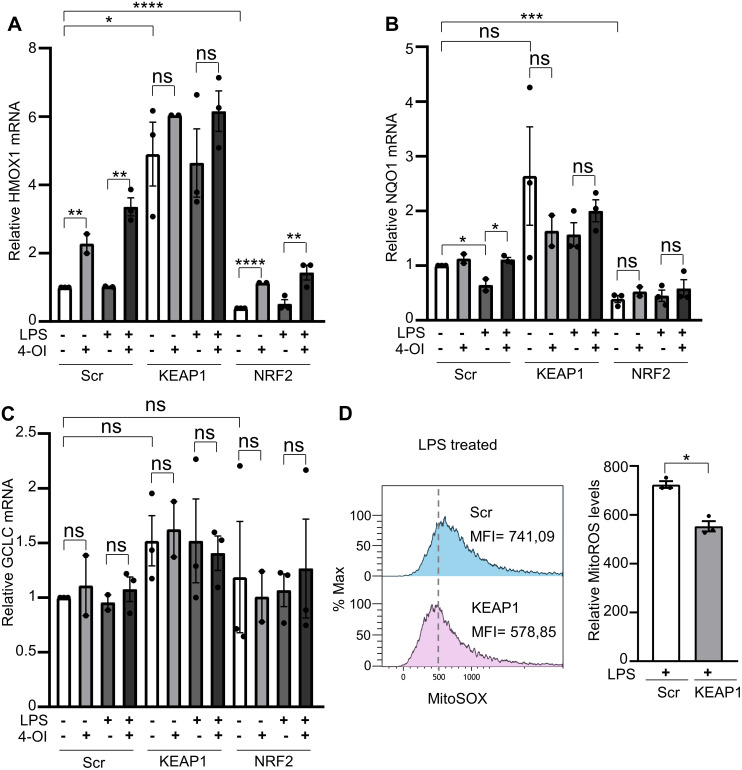 Figure 5
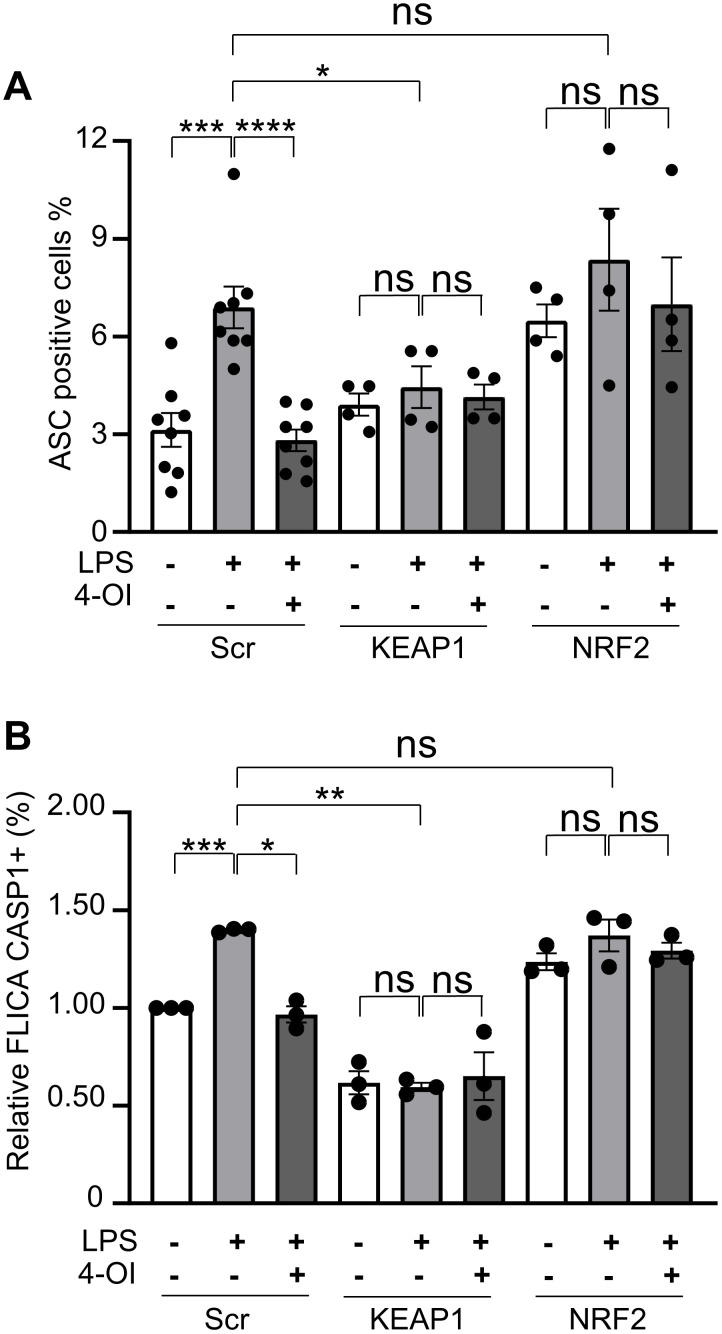 Figure 6
Peer Reviews
No public reviews on file for this paper yet. If you reviewed it on a platform where reviews are public (OpenReview, ICLR, NeurIPS, ICML), you can paste yours below so the community can read it here.
Videos
No videos yet. Explain this paper in a talk, walkthrough, or lecture? Add one.
Taxonomy
TopicsGenomics, phytochemicals, and oxidative stress · Inflammasome and immune disorders · Neuroinflammation and Neurodegeneration Mechanisms