Survey of vulnerable Amazonian manatees using environmental DNA (eDNA): A method for survey in remote field settings
Kaitlyn Romoser, Shizuka Hashimoto, Nasrah M. C. Hamdan, Leonardo Sena, Miriam Marmontel, Tomas Hrbek, Izeni P. Farias, Kirk O. Winemiller

TL;DR
Researchers used environmental DNA to track Amazonian manatees in remote areas, finding more manatees in less disturbed western regions.
Contribution
A field-friendly eDNA preservation method was developed and tested for tracking Amazonian manatees in remote tropical settings.
Findings
Manatee eDNA detection was over three times higher in the western Amazon compared to more disturbed regions.
eDNA was detected in six sites in the central Amazon and only two in the eastern Amazon.
The new preservation method performed as well as traditional cold-storage methods for eDNA.
Abstract
The only exclusively freshwater lineage of Sirenia, the Amazonian manatee (Trichechus inunguis) is listed by the IUCN as vulnerable, with populations projected to decline further during the coming decades. Given that illegal hunting, pollution, habitat disturbance and other impacts are ongoing, it is imperative to assess the distribution and abundance of this unique, elusive aquatic mammal. In this study, we used environmental DNA (eDNA) methods to test for T. inunguis presence at three locations along the longitudinal gradient of the Amazon River and its tributaries (Tefé, Manaus, Belém). At each location, water samples were collected at sites spanning a disturbance gradient from urban to protected reserves. We developed a field methodology to preserve DNA for up to 13 days or more without requiring freezing or cooling of samples. This method performed similarly to traditional…
Genes, proteins, chemicals, diseases, species, mutations and cell lines named across the full text — each resolved to its canonical identifier and authoritative record.
Click any figure to enlarge with its caption.
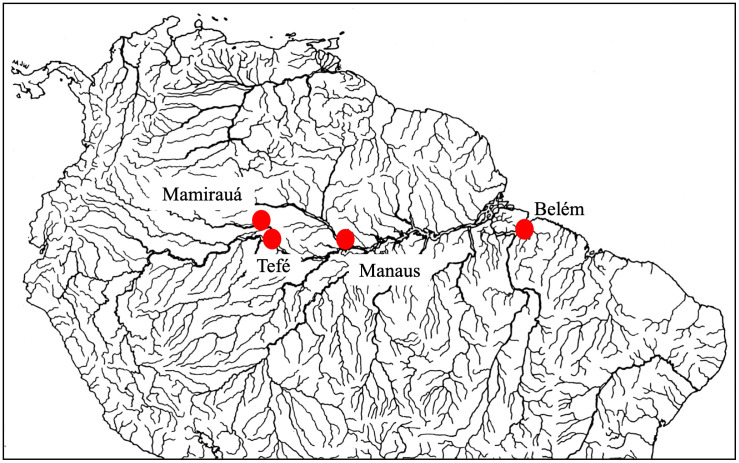 Figure 1
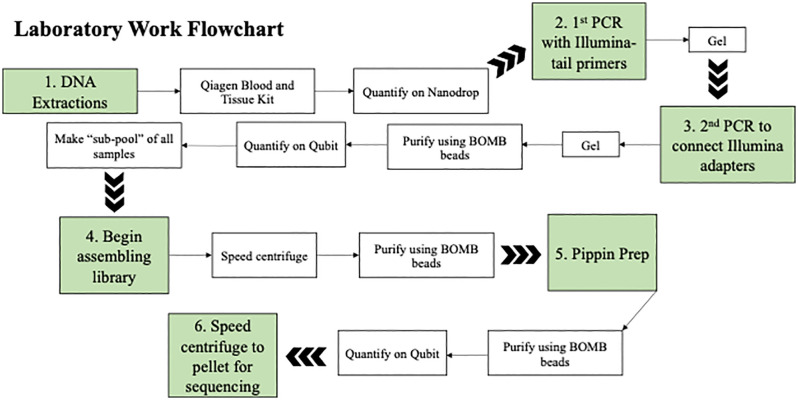 Figure 2
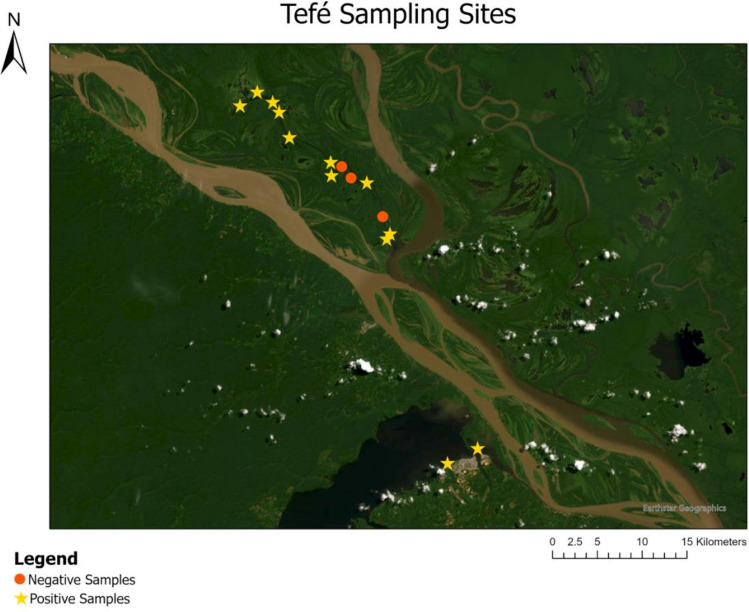 Figure 3
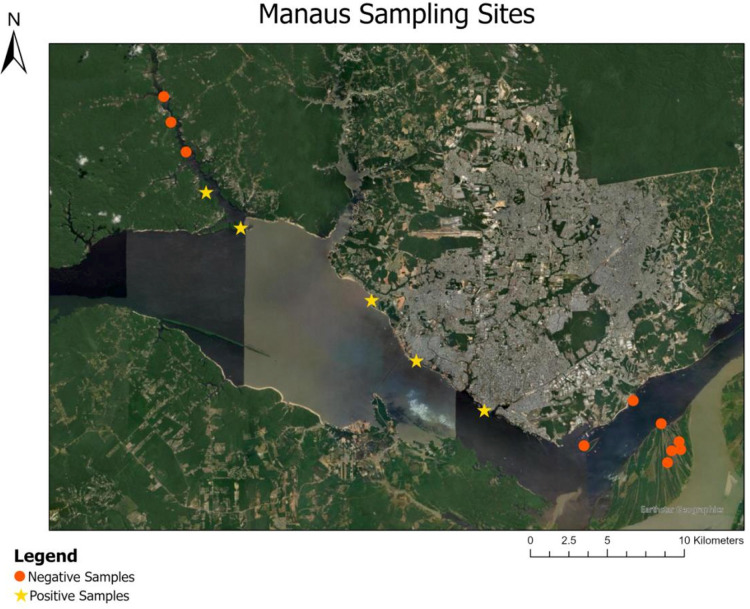 Figure 4
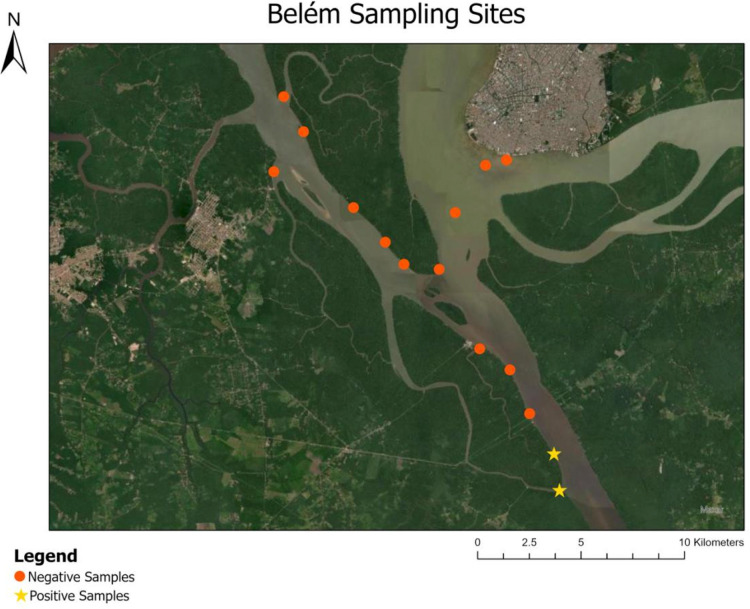 Figure 5
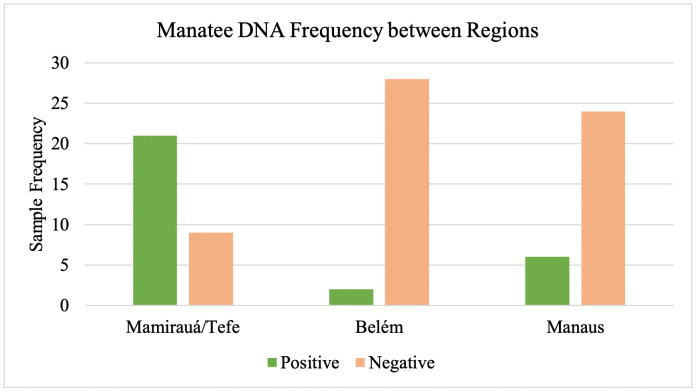 Figure 6
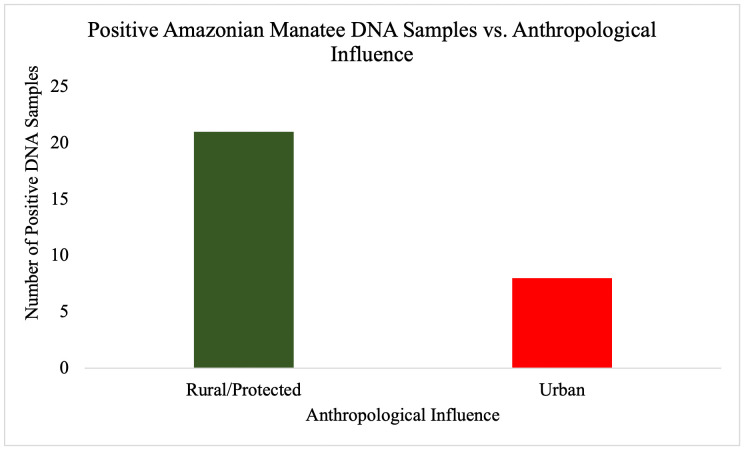 Figure 7
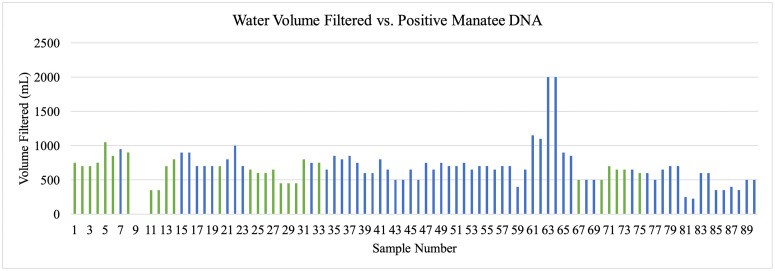 Figure 8
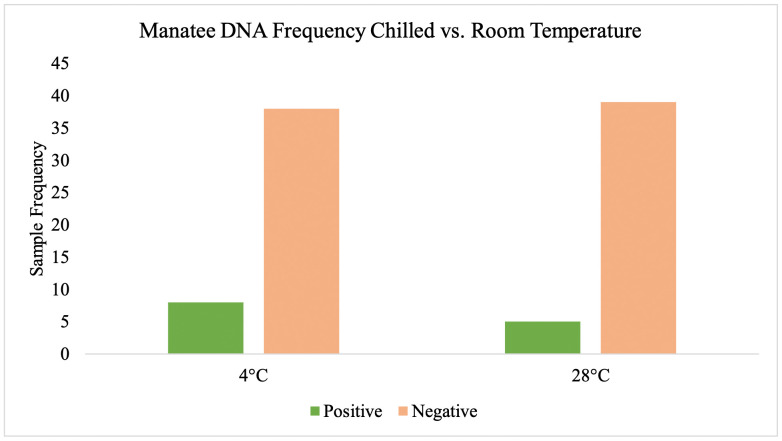 Figure 9
 Figure 10
Peer Reviews
No public reviews on file for this paper yet. If you reviewed it on a platform where reviews are public (OpenReview, ICLR, NeurIPS, ICML), you can paste yours below so the community can read it here.
Videos
No videos yet. Explain this paper in a talk, walkthrough, or lecture? Add one.
Taxonomy
TopicsEnvironmental DNA in Biodiversity Studies · Species Distribution and Climate Change · Identification and Quantification in Food