HIV impairs and exploits pulmonary Th17 and Th22 cell-mediated immune responses to Mycobacterium tuberculosis
Yazmin B. Martinez-Martinez, Matthew B. Huante, Kubra F. Naqvi, Mithil N. Shah, Joshua G. Lisinicchia, Megan A. Files, Jaid Perez, Benjamin B. Gelman, Mark A. Endsley, Janice J. Endsley

TL;DR
HIV targets Th17 and Th22 immune cells, impairing the body's ability to fight tuberculosis and possibly worsening the disease.
Contribution
This study identifies Th17 and Th22 cells as key players in HIV-Mtb co-infection and shows how HIV exploits Th17 cells while impairing Th22 immunity.
Findings
Th17 cells are a major HIV reservoir in co-infected mice and are increased in TB-infected lungs.
HIV reduces Th22 cells and suppresses protective cytokine responses to Mtb.
HIV co-infection disrupts Mtb-induced Th17 pathways in the lungs.
Abstract
Tuberculosis (TB) kills an estimated 1.25 million people annually and is the leading cause of death in people with HIV (PWH) (1). The CD4+ T helper (Th) populations play significant roles in protective immunity to Mycobacterium tuberculosis (Mtb) and are essential hosts for HIV pathogenesis. Emerging evidence in blood and gastrointestinal mucosa of PWH suggests that, among Th cells, Th17 and Th22 may be preferentially depleted during HIV infection. Targeting of Th17 and Th22 cells by HIV could pose important and poorly understood risks for Mtb containment in those with co-infection. Mtb-driven activation of Th17 and Th22 immunity may also contribute to HIV proliferation and persistence. We employed a humanized mouse model of co-infection to assess changes in Th17 and Th22 frequency and function due to infection with HIV, Mtb, or both. In infected mice, Th17 cells were the predominant…
Genes, proteins, chemicals, diseases, species, mutations and cell lines named across the full text — each resolved to its canonical identifier and authoritative record.
Click any figure to enlarge with its caption.
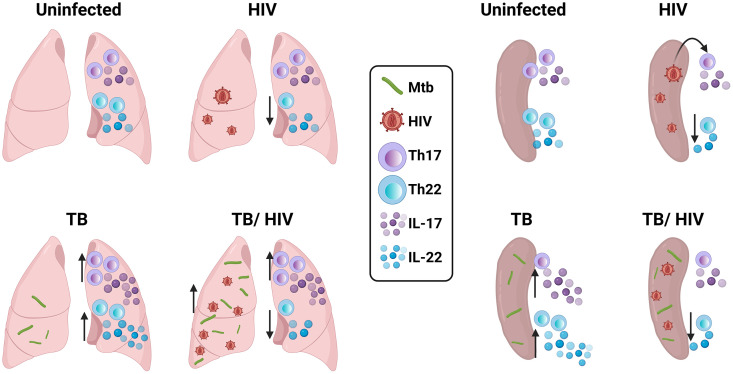 Figure 1
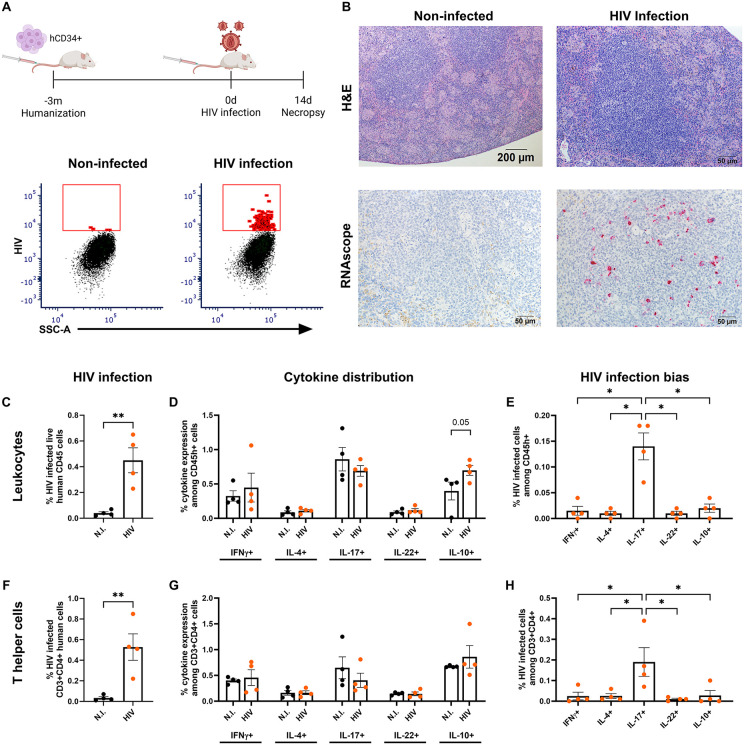 Figure 2
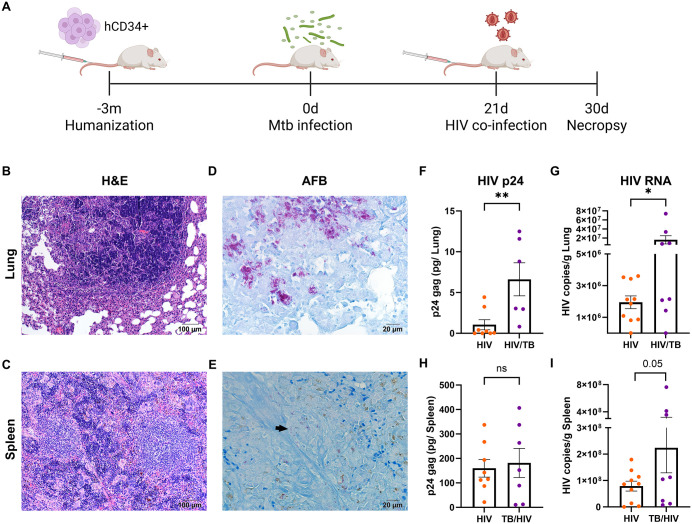 Figure 3
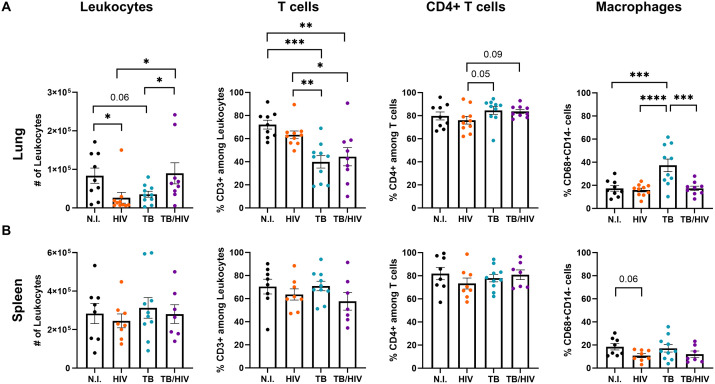 Figure 4
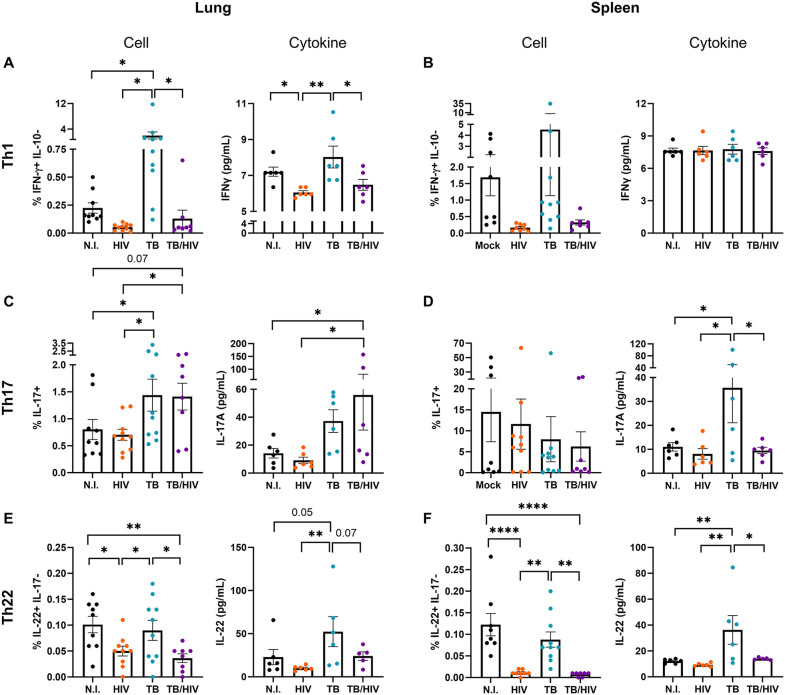 Figure 5
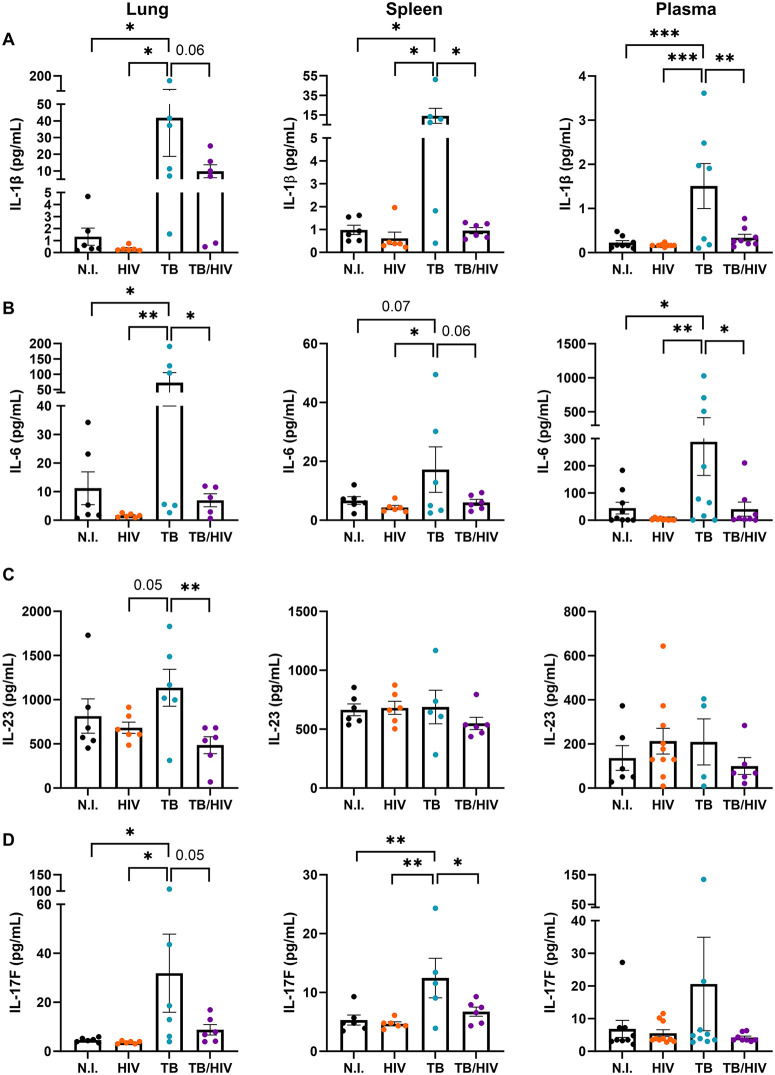 Figure 6
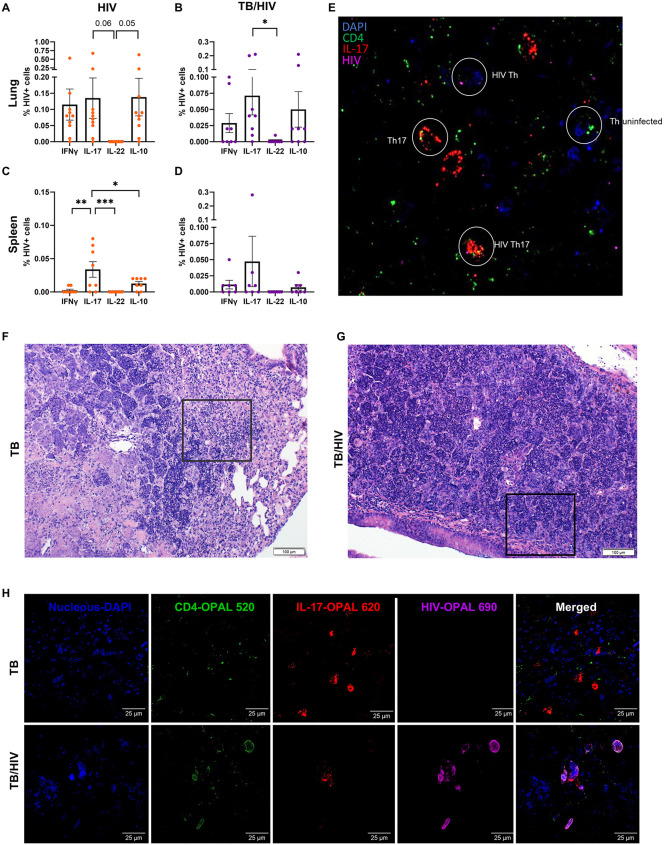 Figure 7
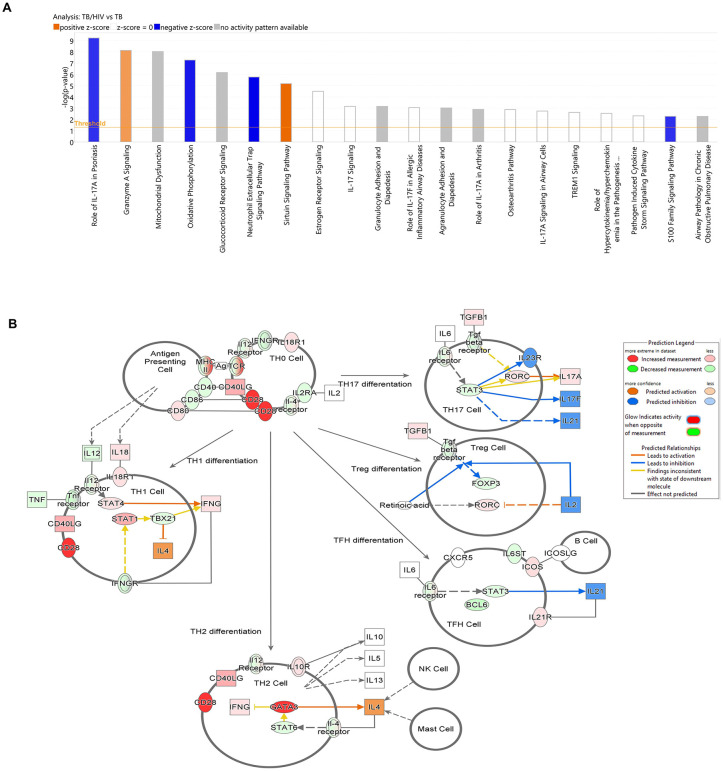 Figure 8
Peer Reviews
No public reviews on file for this paper yet. If you reviewed it on a platform where reviews are public (OpenReview, ICLR, NeurIPS, ICML), you can paste yours below so the community can read it here.
Videos
No videos yet. Explain this paper in a talk, walkthrough, or lecture? Add one.
Taxonomy
TopicsTuberculosis Research and Epidemiology · Infectious Diseases and Tuberculosis · Mycobacterium research and diagnosis