Effect of morphology on the biomechanics of contusion models of non-human primate spinal cord injury: a finite element study in a digital population
Numaira Obaid, Dexter L. Zamora, Cesar Jimenez-Gonzalez, Carolyn J. Sparrey

TL;DR
This study shows how spinal cord injury outcomes in non-human primates vary due to morphological differences, using finite element models to highlight the need for diverse computational models.
Contribution
The novelty lies in demonstrating the effect of morphological variability on biomechanical outcomes in spinal cord injury models using a digital population.
Findings
Morphological differences significantly affect peak forces during spinal cord injury simulations.
Variability in impact forces can lead to different functional outcomes, from no deficits to contralateral contusions.
Peak forces are statistically correlated with white matter sparing, influencing functional recovery.
Abstract
Traumatic spinal cord injuries (SCIs) stem from mechanical events that translate external forces through the spinal column, damaging the spinal cord. Since tissue damage is related to the strain/stress it experiences, finite element models are being increasingly used to supplement pre-clinical models of animal SCI. Simulations; however, are often conducted in a single geometry, while morphological variability has been highlighted as having an important influence on biomechanical outcomes. We developed tissue scale finite element models of non-human primate spinal cord injury with different morphologies (N = 40) to assess the effect of morphology on biomechanical outcomes. Applying the same displacement to different digital subjects generated different peak forces, and the magnitude of these forces was related to subject morphology, specifically the area of cerebrospinal fluid (CSF) and…
Genes, proteins, chemicals, diseases, species, mutations and cell lines named across the full text — each resolved to its canonical identifier and authoritative record.
Click any figure to enlarge with its caption.
 Figure 1
 Figure 2
 Figure 3
 Figure 4
 Figure 5
 Figure 6
 Figure 7
 Figure 8
 Figure 9
 Figure 10
 Figure 11
 Figure 12
 Figure 13
 Figure 14
 Figure 15
 Figure 16
 Figure 17
 Figure 18
 Figure 19
 Figure 20
 Figure 21
 Figure 22
 Figure 23
 Figure 24
 Figure 25
 Figure 26
 Figure 27
 Figure 28
 Figure 29
 Figure 30
 Figure 31
 Figure 32
 Figure 33
 Figure 34
 Figure 35
 Figure 36
 Figure 37
 Figure 38
 Figure 39
 Figure 40
 Figure 41
 Figure 42
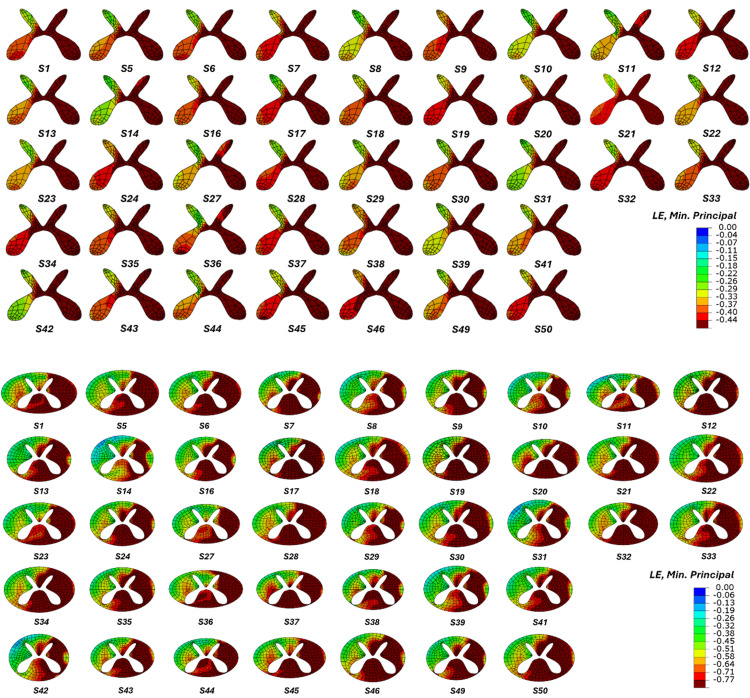 Figure 43
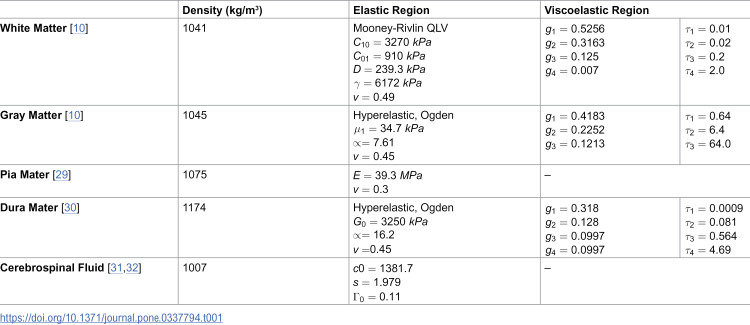 Figure 44
Peer Reviews
No public reviews on file for this paper yet. If you reviewed it on a platform where reviews are public (OpenReview, ICLR, NeurIPS, ICML), you can paste yours below so the community can read it here.
Videos
No videos yet. Explain this paper in a talk, walkthrough, or lecture? Add one.
Taxonomy
TopicsSpinal Cord Injury Research · Cervical and Thoracic Myelopathy · Automotive and Human Injury Biomechanics