MightyU – A portable sensor-based video game application for exercise training of children and adolescents with cerebral palsy
Lynn Eitner, Lennart Lücke, Elnaz Farshadfar, Christian Grüneberg, Christoph Maier, Almut Weitkämper, Bettina Menzen, Anja Burmann, Roman von Gehlen, Peter Konrad, Thomas Immich, Britta Karn, Patrick Filipowicz, Maximilian Pilk, Thomas Lücke, Mshari Alghadier, Mshari Alghadier

TL;DR
MightyU is a motion-controlled video game that helps children with cerebral palsy train their muscles at home while staying motivated.
Contribution
MightyU introduces a novel, sensor-based game for home muscle training in children with cerebral palsy, showing feasibility and effectiveness.
Findings
19 out of 21 children used MightyU at home without adverse effects.
Children showed a 41% improvement in collecting in-game coins after one week of training.
High usability scores (median SUS 83.3%) and positive feedback from children and parents were reported.
Abstract
To prevent therapy fatigue and maintain motivation for daily home muscle training is important for children with cerebral palsy (CP). Therefore, we developed the computer-based Motion-controlled training tool MightyU. Its feasibility, short-term effectiveness and acceptance of the game in daily muscle training at home was now tested in children with varying degrees of motor impairment. A surface electromyography sensor detects muscle activation, which is translated into in-game actions. In this way, targeted muscle activity is used to collect coins during gameplay. 19 children with CP tested MightyU at home for a week on a predetermined muscle group of the upper or lower limbs. The feasibility analysis considered the number of refusals to participate in the study, voluntary use at home and feedback based on the Game Experience Questionnaire (GEQ). The evaluation of usability based on…
Genes, proteins, chemicals, diseases, species, mutations and cell lines named across the full text — each resolved to its canonical identifier and authoritative record.
Click any figure to enlarge with its caption.
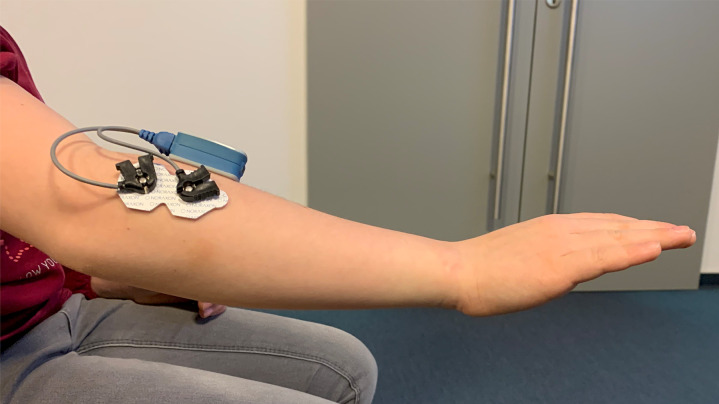 Figure 1
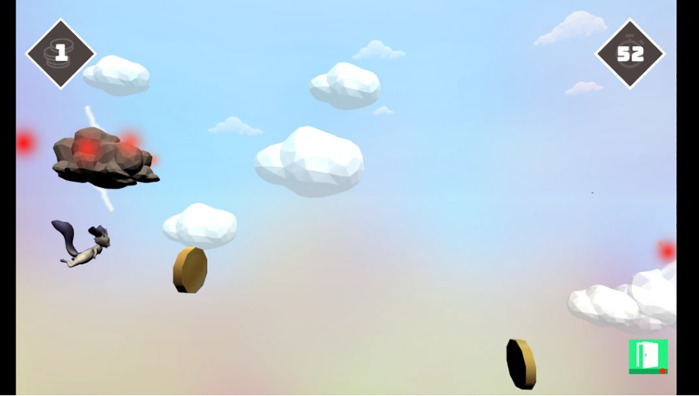 Figure 2
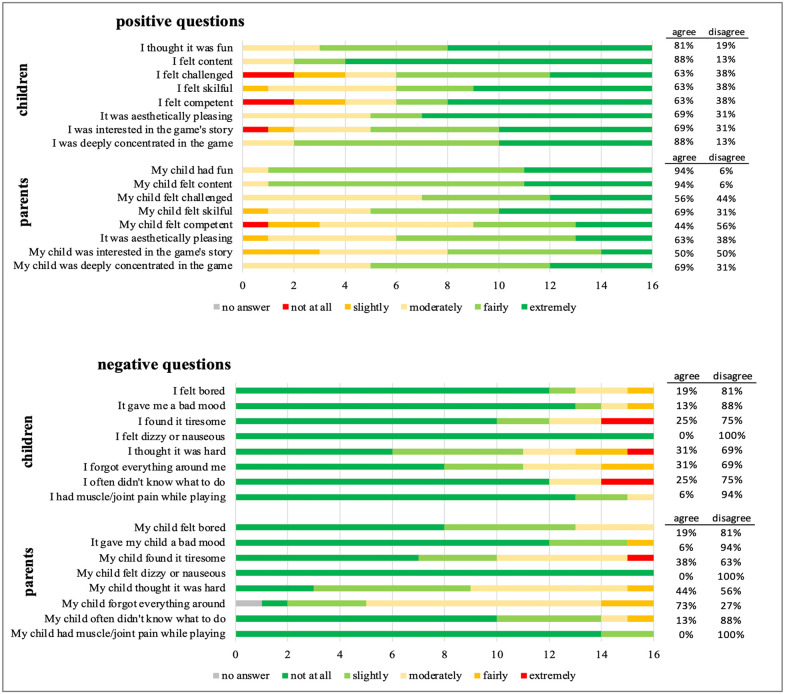 Figure 3
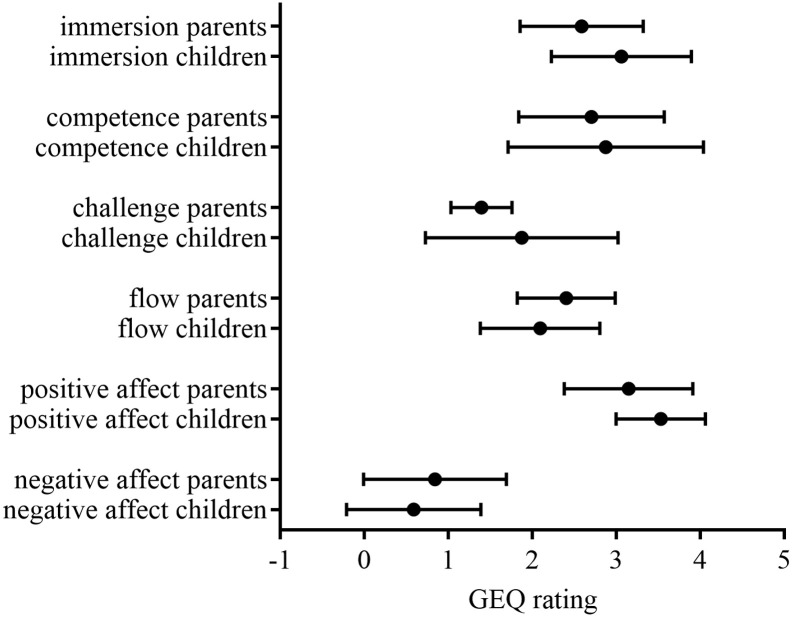 Figure 4
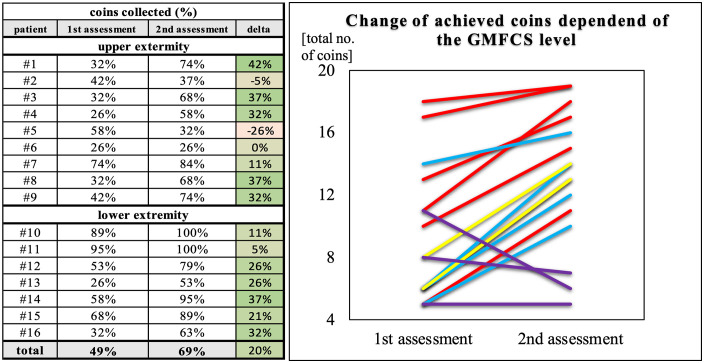 Figure 5
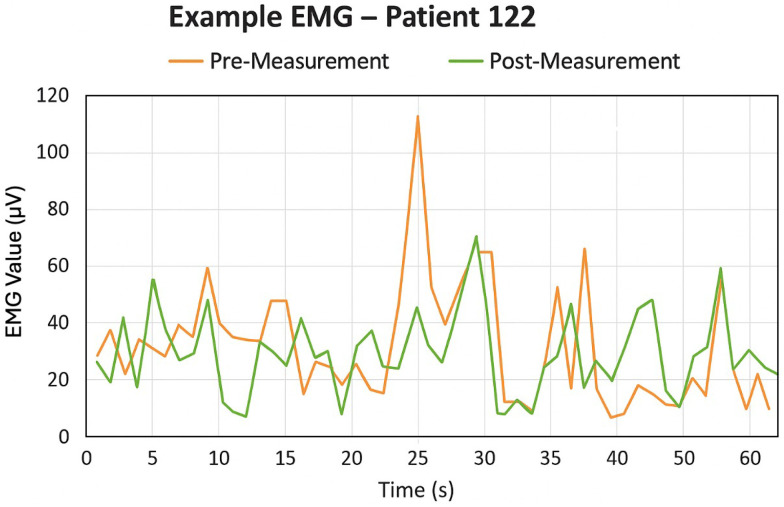 Figure 6
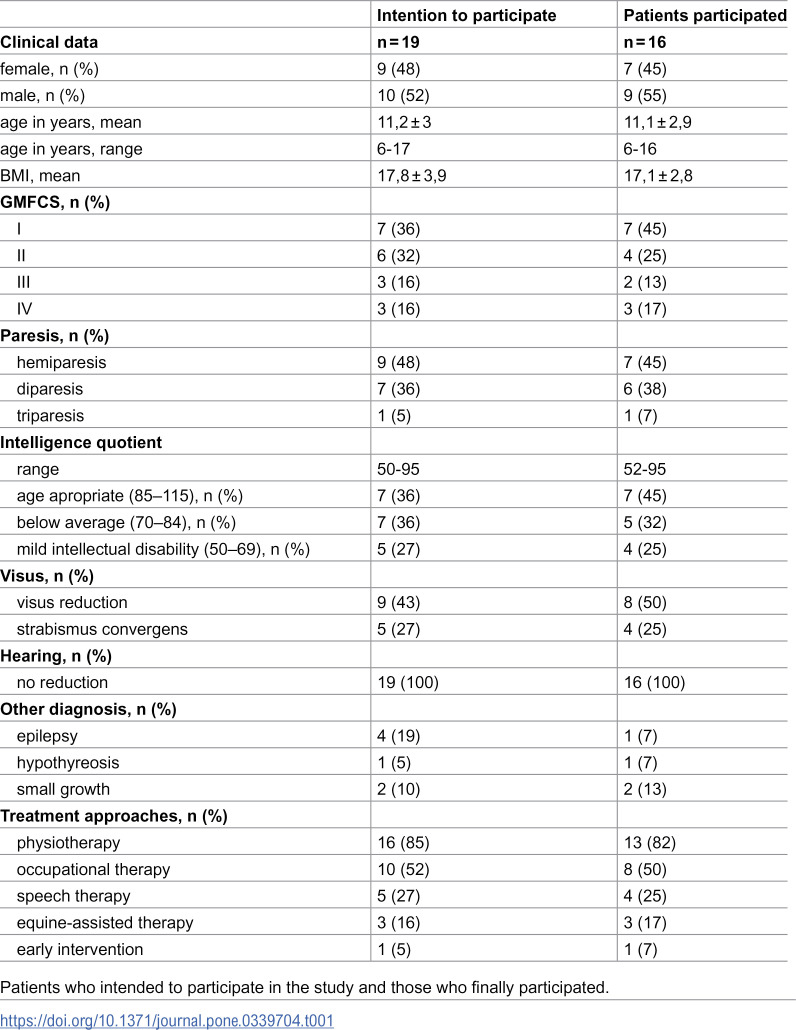 Figure 7
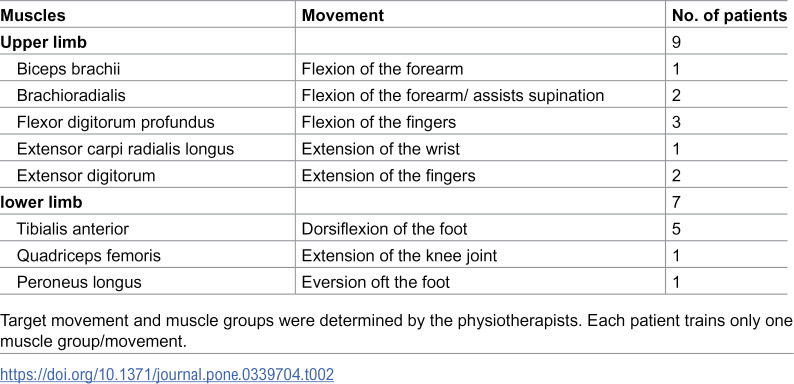 Figure 8
 Figure 9
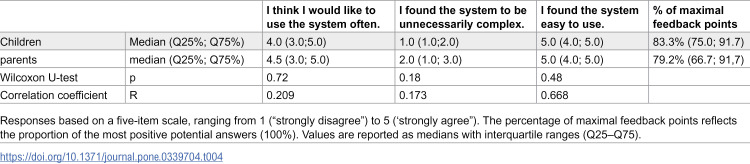 Figure 10
Peer Reviews
No public reviews on file for this paper yet. If you reviewed it on a platform where reviews are public (OpenReview, ICLR, NeurIPS, ICML), you can paste yours below so the community can read it here.
Videos
No videos yet. Explain this paper in a talk, walkthrough, or lecture? Add one.
Taxonomy
TopicsCerebral Palsy and Movement Disorders · Stroke Rehabilitation and Recovery · Muscle activation and electromyography studies