Transcriptomic analysis reveals the impact of concurrent, resistance, and endurance training on skeletal muscle
Longfei Zhao, Huangyan Li, Dongli Li, Li Luo, Shiliang Hu, Donald Gullberg, Donald Gullberg, Donald Gullberg

TL;DR
This study compares how different types of exercise affect muscle at the genetic level, finding that all types share some common changes but also have unique effects.
Contribution
The study identifies shared and modality-specific transcriptomic responses to concurrent, resistance, and endurance training in skeletal muscle.
Findings
All training modalities activated extracellular matrix (ECM) remodeling pathways.
Concurrent training preserved strength gains but reduced anaerobic power improvements.
Resistance and endurance training uniquely activated specific gene networks like COL1A1/COL1A2 and SPARC/ASPN.
Abstract
The shared and divergent molecular mechanisms underlying skeletal muscle adaptation to different exercise modalities are not fully understood. This study aimed to compare the physiological and transcriptomic responses to 12 weeks of concurrent (CET), resistance (RES), or endurance (END) training in healthy males. While all groups exhibited similar increases in lean body mass, RES and END elicited distinct functional improvements in maximal strength and aerobic capacity, respectively. Notably, CET preserved strength gains comparable to RES but showed a blunted improvement in anaerobic power. Transcriptomic analyses revealed both common and modality-specific signatures. Although the number of differentially expressed genes varied across groups (CET: 392; RES: 17; END: 49), enrichment analyses consistently identified the engagement of extracellular matrix (ECM) organization pathways. Gene…
Genes, proteins, chemicals, diseases, species, mutations and cell lines named across the full text — each resolved to its canonical identifier and authoritative record.
Click any figure to enlarge with its caption.
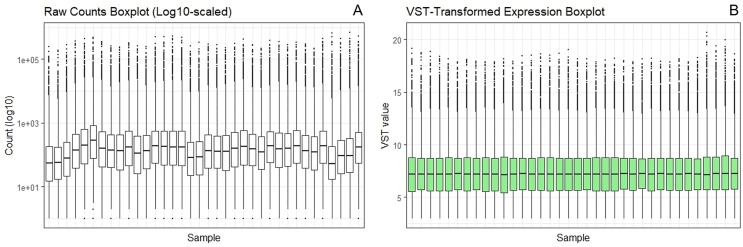 Figure 1
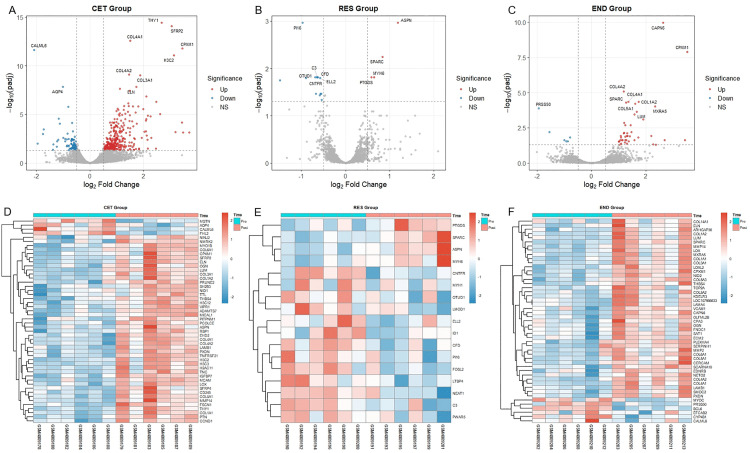 Figure 2
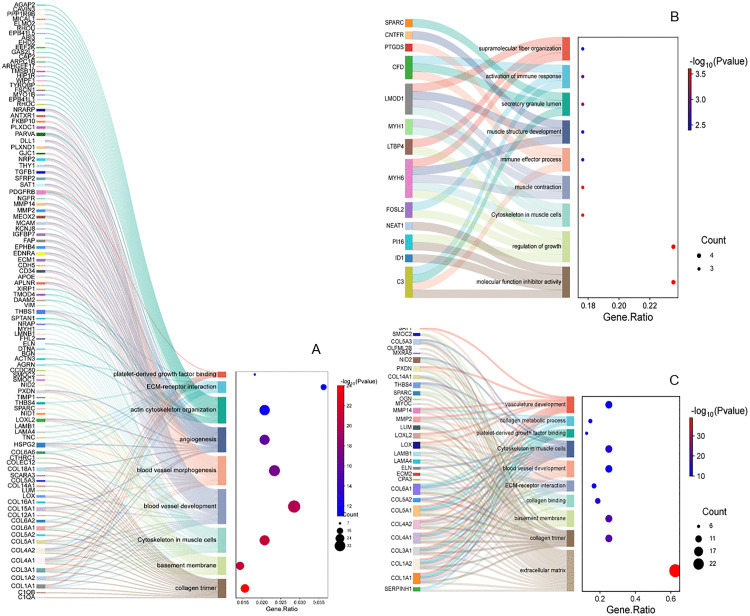 Figure 3
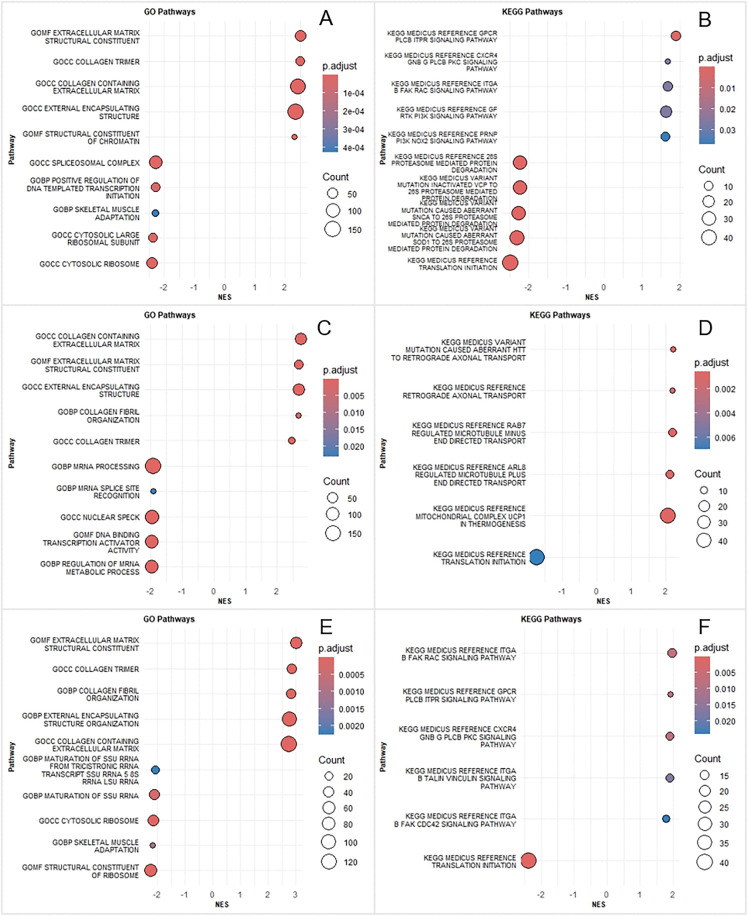 Figure 4
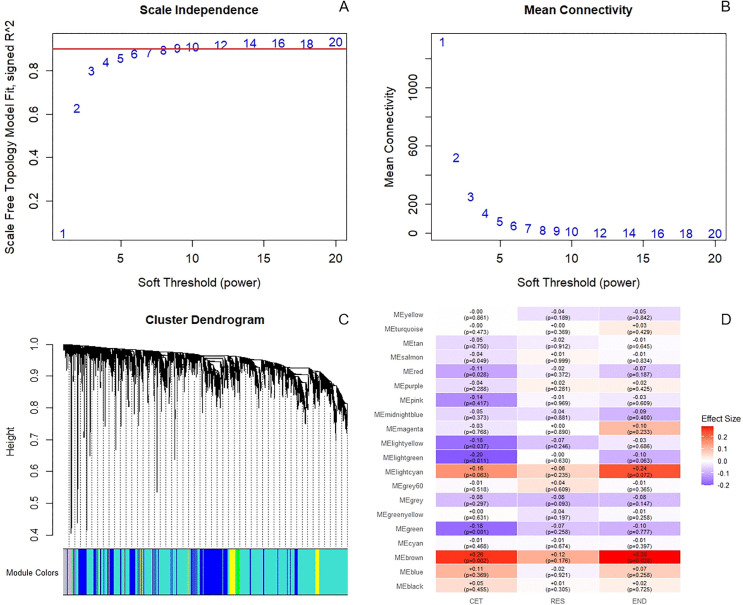 Figure 5
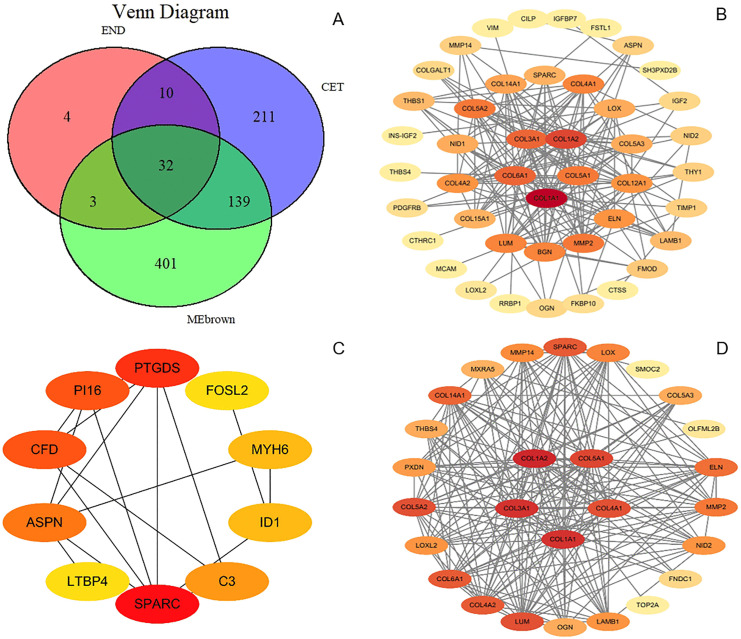 Figure 6
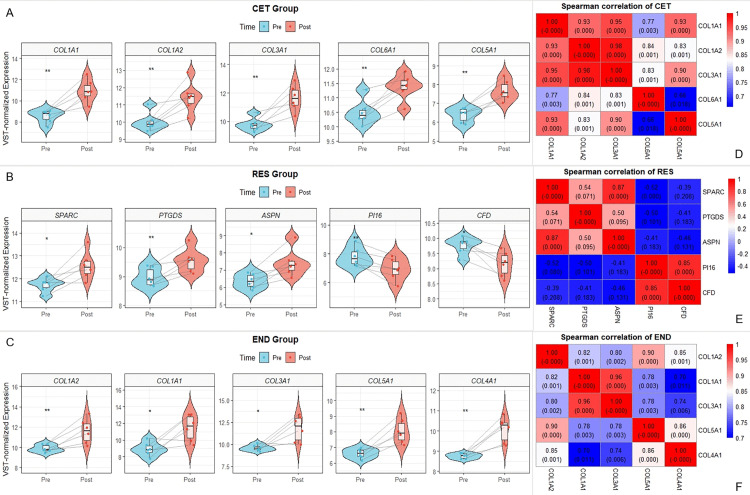 Figure 7
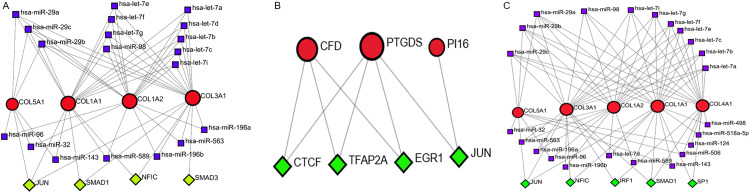 Figure 8
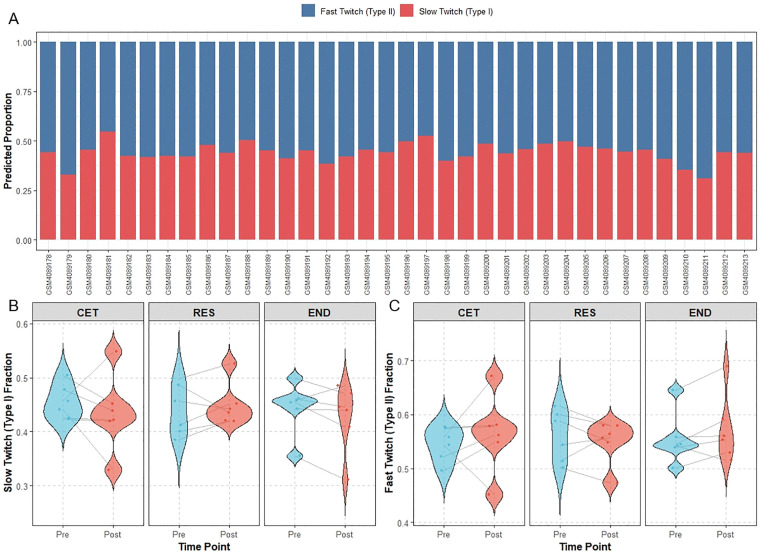 Figure 9
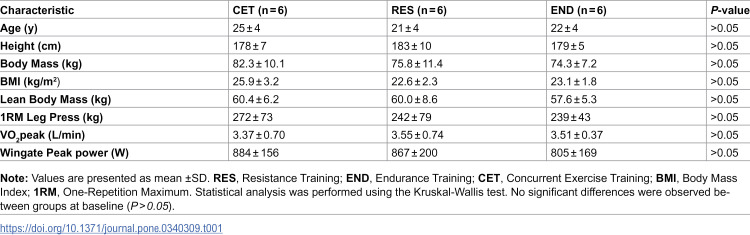 Figure 10
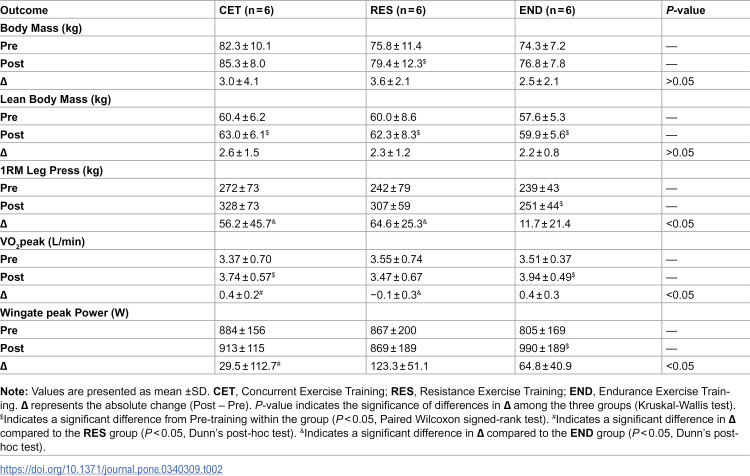 Figure 11
Peer Reviews
No public reviews on file for this paper yet. If you reviewed it on a platform where reviews are public (OpenReview, ICLR, NeurIPS, ICML), you can paste yours below so the community can read it here.
Videos
No videos yet. Explain this paper in a talk, walkthrough, or lecture? Add one.
Taxonomy
TopicsGenetics and Physical Performance · Adipose Tissue and Metabolism · Exercise and Physiological Responses